Purple potatoes, with their striking hue and unique flavor profile, have gained popularity among culinary enthusiasts and health-conscious consumers alike. These tubers, belonging to the Solanum tuberosum species, are not only visually appealing but also packed with nutrients. Their vibrant color is attributed to anthocyanins, powerful antioxidants that contribute to various health benefits, including anti-inflammatory properties and improved cardiovascular health.
The rich, earthy taste of purple potatoes can elevate a variety of dishes, making them a versatile ingredient in both traditional and contemporary cuisines. The history of purple potatoes dates back thousands of years to the Andean region of South America, where indigenous peoples cultivated them long before the arrival of European settlers. Today, they are grown in various parts of the world, including the United States, where they have become a staple in many farmers’ markets and specialty grocery stores.
As consumers increasingly seek out colorful and nutrient-dense foods, purple potatoes have emerged as a popular choice for those looking to enhance their diets with vibrant produce.
Key Takeaways
- Purple potatoes are a unique and nutritious variety of potatoes that are gaining popularity for their vibrant color and health benefits.
- Farmer’s markets and local produce stands are great places to find fresh purple potatoes and support local farmers.
- Specialty grocery stores and health food stores often carry purple potatoes, providing a convenient option for purchasing this specialty item.
- Online retailers and e-commerce platforms offer the opportunity to purchase purple potatoes from anywhere, making them accessible to a wider audience.
- Community Supported Agriculture (CSA) programs may include purple potatoes in their seasonal produce offerings, allowing members to enjoy a variety of fresh, local produce.
Farmer’s Markets and Local Produce Stands
Farmer’s markets serve as a vibrant hub for local agriculture, providing consumers with direct access to fresh produce, including purple potatoes.
Shopping at a farmer’s market not only supports local farmers but also allows consumers to engage with the people who grow their food.
Many vendors are eager to share their knowledge about the different varieties of purple potatoes available, including the popular Purple Majesty and Adirondack Blue, each with its own unique flavor and texture. In addition to purchasing fresh produce, farmer’s markets often host cooking demonstrations and tastings that highlight the versatility of purple potatoes. Chefs and home cooks alike can learn how to incorporate these colorful tubers into their meals, whether through roasting, mashing, or even using them in salads.
The communal atmosphere of farmer’s markets fosters a sense of connection between consumers and producers, creating an appreciation for the hard work that goes into cultivating these nutritious vegetables.
Specialty Grocery Stores and Health Food Stores
Specialty grocery stores and health food stores have become essential destinations for those seeking high-quality ingredients, including purple potatoes. These establishments often prioritize organic and locally sourced products, making them an ideal place to find fresh produce that aligns with health-conscious lifestyles. In addition to offering a variety of purple potato options, such as fingerlings and larger varieties, these stores frequently provide information on the nutritional benefits of these tubers, helping consumers make informed choices about their diets. Moreover, specialty grocery stores often carry unique products that complement purple potatoes, such as artisanal oils, gourmet spices, and specialty cheeses. This allows consumers to experiment with different flavor combinations and cooking techniques. For instance, pairing roasted purple potatoes with a drizzle of truffle oil or serving them alongside a tangy goat cheese can elevate a simple dish into a gourmet experience.
The knowledgeable staff at these stores can also offer recipe suggestions and cooking tips, further enhancing the shopping experience.
Online Retailers and E-commerce Platforms
| Platform | Number of Users | Annual Revenue |
|---|---|---|
| Amazon | 150 million | 386 billion |
| eBay | 182 million | 10.3 billion |
| Alibaba | 1 billion | 72 billion |
The rise of e-commerce has transformed the way consumers access food products, including purple potatoes. Online retailers provide a convenient option for those who may not have access to local markets or specialty stores. Websites dedicated to fresh produce often offer a wide selection of purple potato varieties, allowing consumers to choose from different sizes and types based on their culinary needs.
Additionally, many online platforms provide detailed descriptions of each product, including cooking tips and nutritional information. One notable advantage of purchasing purple potatoes online is the ability to access rare or heirloom varieties that may not be available in local stores. For example, some e-commerce platforms specialize in rare seeds or unique produce sourced from small farms across the country.
This not only supports sustainable agriculture but also allows consumers to explore new flavors and textures in their cooking. Furthermore, many online retailers offer subscription services that deliver fresh produce directly to consumers’ doorsteps on a regular basis, ensuring a steady supply of nutritious ingredients.
Community Supported Agriculture (CSA) Programs
Community Supported Agriculture (CSA) programs have gained traction as a way for consumers to connect directly with local farmers while supporting sustainable agriculture practices. By purchasing a share in a CSA program, members receive a regular supply of seasonal produce, which often includes purple potatoes during harvest time. This model fosters a sense of community among members who share an interest in fresh, locally grown food while providing farmers with financial support at the beginning of the growing season.
Participating in a CSA program not only ensures access to fresh purple potatoes but also encourages members to explore new recipes and cooking techniques. Many CSAs include newsletters or recipe cards with their weekly deliveries, offering creative ways to prepare the produce received. This can inspire members to experiment with dishes they may not have considered otherwise, such as purple potato gnocchi or vibrant potato salads that showcase the tubers’ striking color.
Ethnic and International Grocery Stores
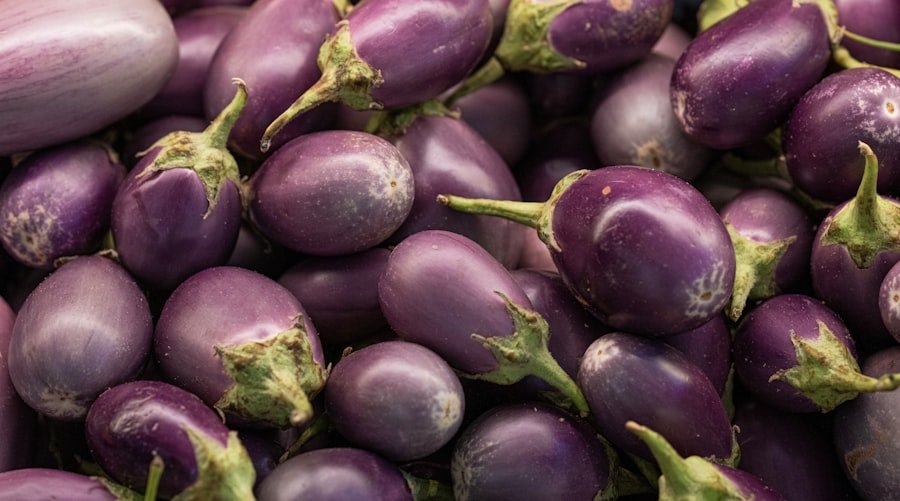
Ethnic and international grocery stores often feature a diverse selection of produce that reflects the culinary traditions of various cultures. Purple potatoes are no exception; they can be found in stores specializing in Latin American or Asian ingredients, where they are commonly used in traditional dishes. For instance, in Peruvian cuisine, purple potatoes are celebrated for their unique flavor and are often used in dishes like causa or papa a la huancaína.
Shopping at these stores provides an opportunity to discover new recipes and cooking methods that highlight the versatility of purple potatoes. Many ethnic grocery stores also carry specialty ingredients that pair well with these tubers, such as spices or sauces that can enhance their natural flavor. Additionally, engaging with store owners or staff can lead to valuable insights about how different cultures utilize purple potatoes in their culinary practices.
Seed Exchanges and Gardening Communities
For those interested in growing their own purple potatoes, seed exchanges and gardening communities offer valuable resources for sourcing seeds and sharing knowledge. Many gardening enthusiasts participate in local seed swaps or online forums where they can exchange heirloom varieties of purple potatoes with fellow gardeners. This not only promotes biodiversity but also allows individuals to cultivate unique strains that may not be commercially available.
Gardening communities often provide support through workshops or online tutorials that cover best practices for growing purple potatoes at home. From selecting the right soil and planting techniques to pest management strategies, these resources empower novice gardeners to successfully cultivate their own crops. Additionally, sharing experiences within these communities fosters camaraderie among gardeners who share a passion for sustainable agriculture and homegrown produce.
Farm-to-Table Restaurants and Chefs’ Suppliers
Farm-to-table restaurants have become increasingly popular as diners seek out fresh, locally sourced ingredients that highlight seasonal produce.
These restaurants often establish relationships with local farmers who grow organic purple potatoes, ensuring that they receive the freshest possible ingredients while supporting sustainable agriculture practices.
In addition to featuring purple potatoes in creative dishes like roasted vegetable medleys or gourmet potato salads, chefs often take pride in showcasing the story behind their ingredients. Diners may learn about the specific farm where the potatoes were grown or the cultivation methods used by local farmers. This connection between food producers and consumers enhances the dining experience by fostering an appreciation for the hard work that goes into growing high-quality ingredients.
Pick-Your-Own Farms and Agritourism Destinations
Pick-your-own farms offer a unique opportunity for families and individuals to engage directly with agriculture while enjoying outdoor activities. Many farms allow visitors to harvest their own purple potatoes during the growing season, providing an educational experience about how these tubers are cultivated. This hands-on approach not only fosters an appreciation for farming but also encourages consumers to choose fresh produce over store-bought options.
Agritourism destinations often host events centered around harvesting activities, such as festivals celebrating the potato harvest season. These events may include guided tours of the farm, cooking demonstrations featuring purple potatoes, and opportunities for visitors to learn about sustainable farming practices. Engaging with local farmers in this way creates lasting memories while promoting awareness about the importance of supporting local agriculture.
Food Cooperatives and Buying Clubs
Food cooperatives and buying clubs have emerged as alternative models for sourcing fresh produce while fostering community engagement. These organizations often prioritize local sourcing and organic practices, making them an excellent option for those seeking high-quality ingredients like purple potatoes. Members typically pool their resources to purchase bulk quantities of produce directly from farmers or distributors, resulting in cost savings while supporting sustainable agriculture.
Participating in a food cooperative allows members to access seasonal produce while building relationships with fellow community members who share similar values regarding food sourcing. Many cooperatives also host educational events or workshops focused on cooking techniques or nutrition education related to the produce available each season. This collaborative approach not only enhances access to fresh ingredients but also strengthens community ties around shared interests in healthy eating and sustainable living.
Tips for Growing Your Own Purple Potatoes at Home
Growing your own purple potatoes can be a rewarding endeavor that allows you to enjoy fresh produce right from your garden. To start, select high-quality seed potatoes from reputable sources—these can often be found at local garden centers or through seed exchanges within gardening communities. When planting, choose a sunny location with well-drained soil; purple potatoes thrive in loose soil that allows for proper root development.
Once planted, ensure consistent watering throughout the growing season while avoiding waterlogged conditions that can lead to rot. As the plants grow taller, consider hilling soil around the base of the plants to encourage more tuber production and protect developing potatoes from sunlight exposure. Harvesting typically occurs when the foliage begins to yellow; gently dig up the tubers using a garden fork to avoid damaging them.
Storing harvested purple potatoes is crucial for maintaining their quality; keep them in a cool, dark place with good ventilation to prevent sprouting or spoilage. With proper care and attention, growing your own purple potatoes can yield delicious results that enhance your culinary creations while providing a sense of accomplishment as you enjoy the fruits of your labor.
FAQs
What are purple potatoes?
Purple potatoes are a type of potato with a vibrant purple skin and flesh. They are rich in antioxidants and have a slightly nutty flavor.
Where can you get purple potatoes?
Purple potatoes can be found at specialty grocery stores, farmers’ markets, and some larger supermarkets. They are also available for purchase online from various retailers.
Are purple potatoes easy to grow?
Purple potatoes can be grown in home gardens, but they require well-drained soil and plenty of sunlight. They are generally easy to grow, but may require some extra care compared to traditional potatoes.
What are the health benefits of purple potatoes?
Purple potatoes are high in antioxidants, particularly anthocyanins, which have been linked to various health benefits including reduced inflammation and improved heart health. They also contain vitamins and minerals such as vitamin C, potassium, and fiber.
How can you cook with purple potatoes?
Purple potatoes can be cooked in the same way as regular potatoes, such as boiling, roasting, or mashing. They can be used in a variety of dishes including salads, soups, and side dishes. Their vibrant color can add a unique visual appeal to any meal.