Arkansas combines mountain scenery, rivers, historic landmarks, art museums, small towns, hot springs, and distinctive local food in one road-trip-friendly state. A well-planned visit can take you from Bentonville and Eureka Springs through the Ozarks to Little Rock and Hot Springs, with outdoor stops at Buffalo National River, Mount Magazine, Petit Jean, and other public lands along the way.
Quick Answer
For a first Arkansas trip, combine Northwest Arkansas art and dining with the Ozarks, Buffalo National River, central Arkansas history, and Hot Springs. Spring and fall are especially convenient for outdoor sightseeing, but check current road, river, park, and weather conditions before traveling because conditions can change quickly.
Key Takeaways
- Bentonville, Eureka Springs, Buffalo National River, Little Rock, and Hot Springs make a strong first-time Arkansas road-trip route.
- Arkansas destinations have different designations: Hot Springs is a national park, Buffalo is a national river, Ozark-St. Francis is a national forest, and Mount Magazine and Petit Jean are state parks.
- Check IDrive Arkansas for road conditions and NPS or Arkansas State Parks alerts before heading into outdoor areas.
- River conditions on the Buffalo depend heavily on rainfall, so paddling plans should remain flexible.
- Current hours, reservations, tours, and seasonal services should always be confirmed with the attraction or park before departure.
Explore the Natural State
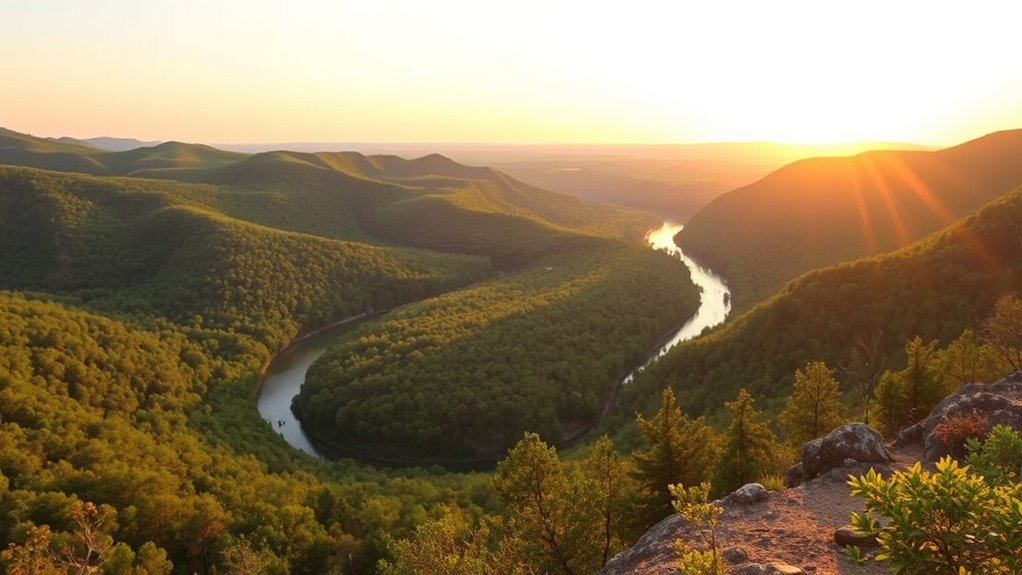
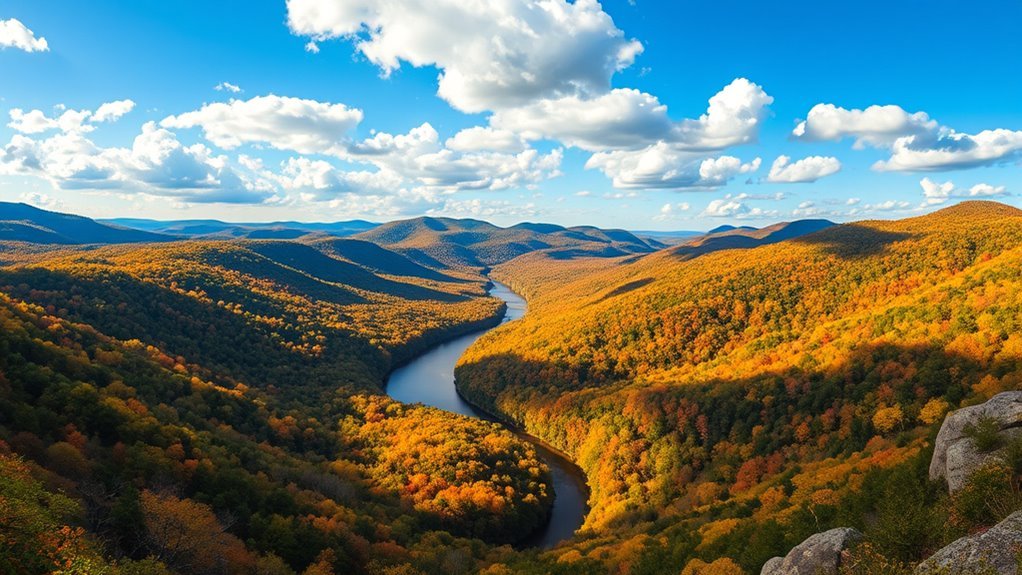
When you travel through Arkansas, often promoted as The Natural State, the scenery changes quickly from mountain ridges and forested valleys to rivers, lakes, waterfalls, and Delta landscapes. The Ozark and Ouachita Mountains provide many of the state’s best-known hiking areas and scenic drives.
One classic route is the Pig Trail Scenic Byway in the Ozarks. Arkansas Tourism describes the Pig Trail section of Highway 23 as a winding drive through forest, bluffs, and river country. Fall brings changing foliage, while spring brings greener forests and blooming vegetation.
The Buffalo National River is another major outdoor destination. Visitors can hike, camp, paddle, and explore limestone bluffs and river valleys. Because the Buffalo is heavily dependent on rainfall, paddling conditions vary by season and river section. Check the National Park Service paddling information before committing to a float trip.
Warning: Do not assume a river, trail, or mountain route is safe simply because the weather looks good at your hotel. Water levels, storms, heat, ice, road closures, and trail conditions can change locally. Check official alerts on the day of your activity and carry adequate water, footwear, and weather protection.
Best Time to Visit Arkansas
Arkansas has four distinct seasons, so the best time depends on what you want to do. Spring and fall are often convenient choices for hiking, road trips, scenic drives, festivals, and town-to-town sightseeing because they avoid some of the strongest summer heat. Fall color generally develops first in higher northern areas before progressing south.
Summer works well for lake trips, swimming, paddling, and longer daylight hours, but heat and humidity can make strenuous hiking less comfortable. Winter can be quieter and may suit city attractions, museums, and Hot Springs, although cold weather or ice can affect mountain roads and trails.
For seasonal inspiration and current trip ideas, use the official Arkansas Tourism seasons guide. Always pair seasonal advice with a current weather forecast and park alerts.
Historic Attractions in Arkansas
Arkansas history includes Indigenous heritage, westward migration, the Civil War era, civil rights history, state government, music, and changing communities across the Ozarks, River Valley, Delta, and central Arkansas.
Begin in Little Rock at Little Rock Central High School National Historic Site. In 1957, the school became a major national focus of the struggle to enforce school desegregation after Brown v. Board of Education. The site’s visitor resources place the Little Rock Nine and the events surrounding Central High within the broader civil rights movement.
The Arkansas State Capitol was constructed between 1899 and 1915. Visitors interested in architecture and state government should check the Secretary of State’s current visitor information before arriving because access and tour arrangements can change.
Nearby, the Historic Arkansas Museum preserves a historic city block with early Little Rock structures, period buildings, Arkansas-made art, and exhibits covering different parts of the state’s history.
In North Little Rock, The Old Mill at T. R. Pugh Memorial Park is an elaborate re-creation of an 1880s water-powered grist mill. It appears in the opening scenes of the 1939 film Gone with the Wind.
In Bentonville, Crystal Bridges Museum of American Art combines American art, architecture, trails, and wooded grounds. A major museum expansion opened in June 2026, adding galleries and other public spaces, so returning visitors may find the campus substantially different from earlier visits.
National Parks, Forests, Rivers, and State Parks
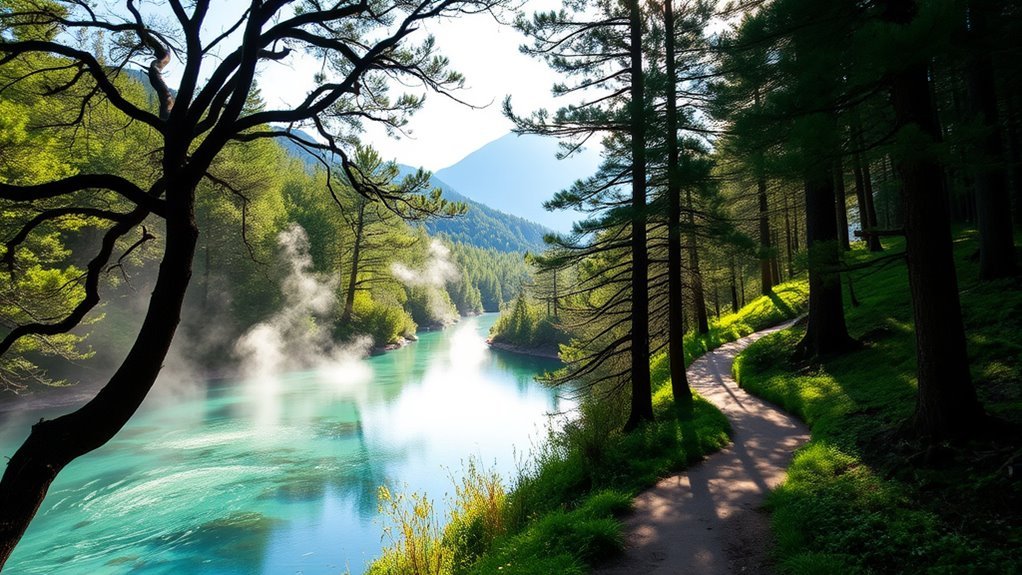
Arkansas has several kinds of protected public lands, and the names matter when you are planning. Hot Springs National Park and Buffalo National River are managed by the National Park Service. Ozark-St. Francis National Forests are managed by the U.S. Forest Service. Mount Magazine and Petit Jean are Arkansas State Parks.
Hot Springs National Park
Hot Springs National Park blends forested trails, thermal-water history, and Bathhouse Row in the middle of Hot Springs. Visitors can walk the historic bathhouse district, see thermal-water features, fill containers at designated fountains, and hike nearby park trails.
If you want to soak, note an important restriction: there are no outdoor soaking opportunities in the national park. NPS states that full thermal-water soaking is available at the Buckstaff and Quapaw bathhouses. Check current NPS soaking information before planning a bath.
Buffalo National River
Buffalo National River is known for paddling, hiking, camping, tall bluffs, quiet pools, and faster-moving stretches. Conditions differ between the upper, middle, and lower river. Rainfall can make one section suitable for floating while another section is too low or more challenging.
If you need a canoe, kayak, raft, or tube, NPS maintains information on authorized concessioners and rental services.
Ozark-St. Francis National Forests
Hikers can explore the Ozark-St. Francis National Forests, which cover extensive forest, streams, recreation areas, and scenic roads. Popular destinations include Whitaker Point, also called Hawksbill Crag, and Alum Cove Natural Bridge.
Trailhead parking, road conditions, weather, and seasonal restrictions may change, so check U.S. Forest Service information before making a long drive to a specific trail.
Mount Magazine and Petit Jean State Parks
Mount Magazine State Park contains Arkansas’s highest point. The short Signal Hill Trail reaches the 2,753-foot summit, while other park areas offer sweeping views, wildlife watching, hiking, and additional outdoor recreation.
Signal Hill at Mount Magazine reaches 2,753 feet above mean sea level, making it the highest point in Arkansas.
Petit Jean State Park offers more than 20 miles of trails. Highlights include Cedar Falls, Seven Hollows, overlooks, rock formations, forests, and historic park features. Some trails involve steep or rocky terrain, so match the hike to your ability and conditions.
Vacation Planning Resources
A successful Arkansas road trip depends on more than choosing attractions. Road work, storms, river levels, park alerts, hunting and fishing regulations, reservations, and venue schedules can all affect the day’s plan.
For statewide road information, use IDrive Arkansas. It provides information on live traffic, construction, lane closures, highway closures, and travel conditions. If you have a question that is not answered there, the separate Ask ARDOT portal lets travelers contact the Arkansas Department of Transportation.
If you plan to fish or hunt, check the Arkansas Game and Fish Commission licensing system before participating. License requirements vary by activity, age, residency, species, location, and permit type.
For broad destination planning, Arkansas Tourism’s trip ideas and itineraries can help you group attractions by region rather than zigzagging across the state.
Pro Tip: Build one flexible half-day into a long Arkansas road trip. That extra time gives you room to handle rain, low river levels, a longer museum visit, road construction, or a trail you decide not to rush.
Suggested 10-Day Arkansas Itinerary
This route begins in Northwest Arkansas and then works toward central Arkansas and Hot Springs. It is designed as a multi-stop road trip rather than a claim that Bentonville and Little Rock are a fixed number of miles apart. Your total mileage will depend on lodging, trailheads, scenic-road choices, and detours.
- Day 1: Bentonville. Start with downtown Bentonville and Crystal Bridges Museum of American Art. Leave enough time for both galleries and outdoor trails. The museum’s major expansion opened in June 2026, adding substantial new space.
- Day 2: Bentonville and The Momentary. Visit The Momentary for contemporary art, music, performances, and creative programming. Explore Bentonville’s cycling-oriented areas or spend additional time at Crystal Bridges if you prefer a slower museum day.
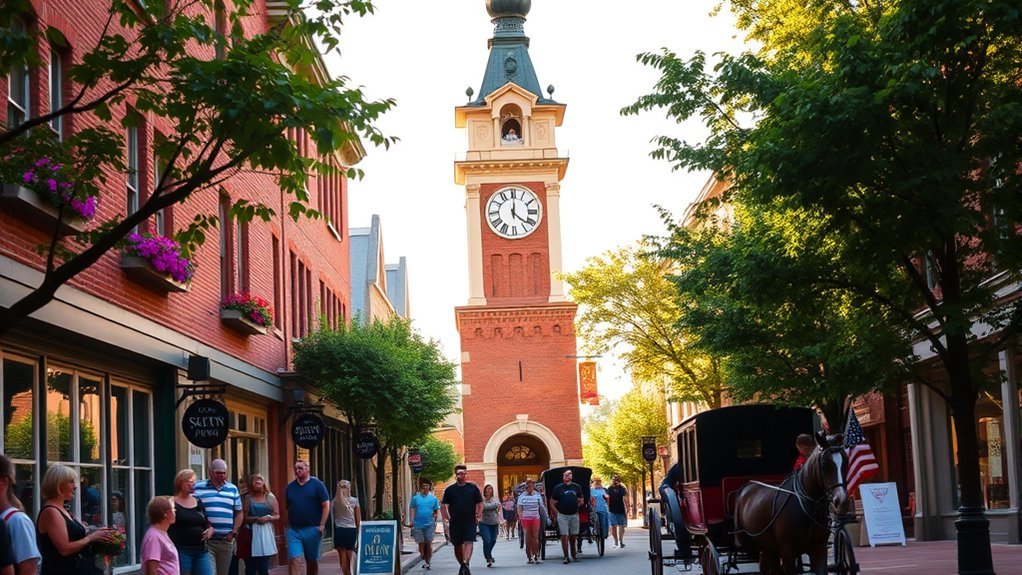
- Day 3: Eureka Springs. Drive to Eureka Springs and explore its historic streets. Visit Thorncrown Chapel, designed by architect E. Fay Jones, and allow time for downtown shops, galleries, or scenic viewpoints.
- Day 4: Buffalo National River. Make this your main river-and-Ozarks day. Depending on water levels and weather, choose paddling, hiking, sightseeing, or a campground visit. Do not lock yourself into a float trip before checking NPS river conditions.
- Day 5: Ozark scenery and hiking. Explore an Ozark-St. Francis National Forest destination such as Whitaker Point or Alum Cove, choosing a trail that fits current weather and road access. Scenic-road travelers can also work portions of the Pig Trail or other Ozark routes into the day.
- Day 6: Mount Magazine. Head south toward Mount Magazine State Park. Walk Signal Hill to Arkansas’s highest point and use the park’s overlooks and trails for a slower mountain day.
- Day 7: Petit Jean and Little Rock. Continue toward central Arkansas with a stop at Petit Jean State Park. Cedar Falls, Seven Hollows, and overlooks provide several options, but choose one or two rather than trying to rush every trail. Continue to Little Rock afterward.
- Day 8: Little Rock history and food. Visit Little Rock Central High School National Historic Site, the Arkansas State Capitol area, and Historic Arkansas Museum. Finish the day with one of Little Rock’s locally focused restaurants or breweries.
- Day 9: Pinnacle Mountain and Little Rock. Visit Pinnacle Mountain State Park. The park offers more than 33 miles of trails and also has connections to the Trail of Tears National Historic Trail. Choose a summit route only if conditions and your fitness level are appropriate.
- Day 10: Hot Springs. Finish at Hot Springs National Park. Walk Bathhouse Row, learn about the thermal springs, consider a permitted bathhouse soak, and explore a park trail or downtown Hot Springs before ending the trip.
For packing, bring comfortable hiking shoes, a reusable water bottle, sun protection, rain protection, and layers that can handle changing temperatures. Outdoor-heavy trips may also require insect protection, a daypack, and extra water in the vehicle.
If your priorities are food and culture rather than hiking, shorten the park stops and spend more time in Bentonville, Eureka Springs, Little Rock, or Hot Springs. If hiking and paddling are the focus, do the opposite and keep the city schedule lighter.
Dining and Accommodations
Arkansas dining ranges from casual cafes and breweries to chef-driven restaurants, while lodging options include downtown art hotels, historic properties, cabins, campgrounds, and traditional hotels. Because menus, hours, and room rates change, use the businesses below as trip-planning ideas and verify current details before visiting.
Recommended Dining Options
In Bentonville, The Meteor combines an all-day cafe with Bentonville’s cycling culture. For dinner, The Preacher’s Son occupies a restored former church in downtown Bentonville and emphasizes seasonal dining.
In Eureka Springs, Mud Street Cafe remains a long-running downtown option for breakfast, lunch, coffee, and other meals. The Balcony Bar & Restaurant at the Basin Park Hotel offers casual dining in the heart of downtown.
Little Rock’s food scene includes The Root Cafe, which sources extensively from Arkansas farms and producers, and Lost Forty Brewing, whose taproom and brewhouse operate in Little Rock. Travelers interested in locally made spirits can also visit Rock Town Distillery in Little Rock.
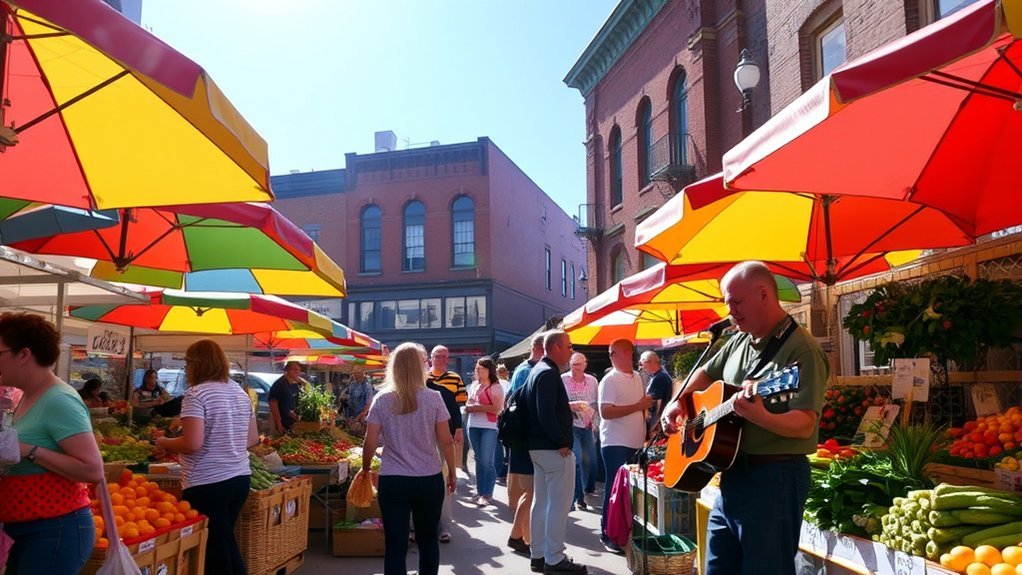
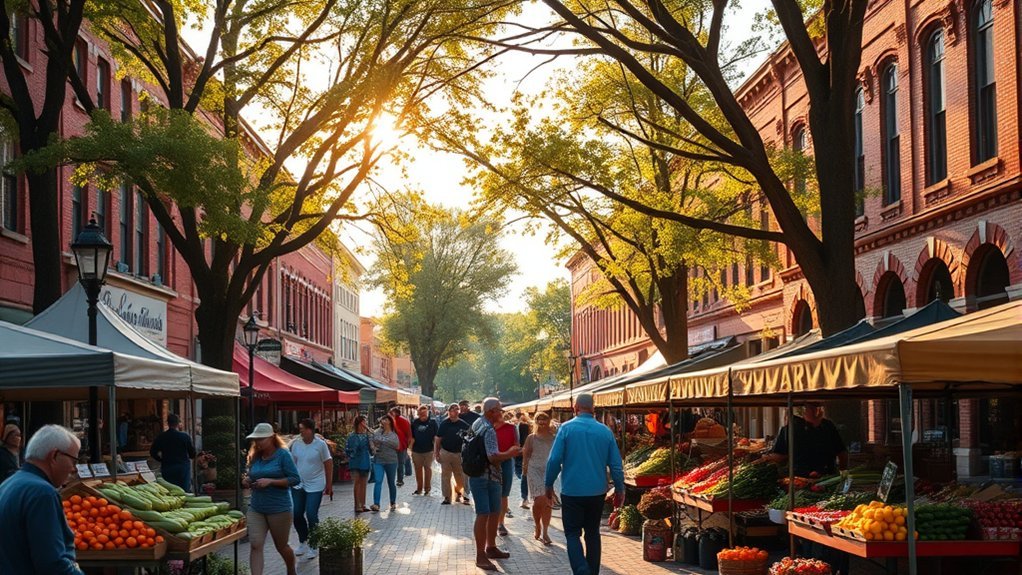
Arkansas also hosts food festivals, farmers markets, brewery events, and seasonal community gatherings. Check destination calendars close to your trip rather than relying on old event dates.
Unique Accommodation Choices
For an art-focused stay in Bentonville, 21c Museum Hotel Bentonville combines hotel rooms with contemporary art installations in downtown Bentonville.
In Eureka Springs, the historic 1886 Crescent Hotel & Spa offers lodging, mountain views, spa services, and ghost-tour experiences tied to the property’s long history.
The Arlington Resort Hotel & Spa belongs in Hot Springs, not Little Rock. Its location on Central Avenue places guests near Bathhouse Row, and the hotel operates its own thermal bathhouse and spa services.
Little Rock has its own downtown and boutique lodging options, so travelers spending several days there may prefer to stay near the River Market, SoMa, or other central neighborhoods depending on the attractions they plan to visit.
Unique Experiences and Hidden Gems
Some of Arkansas’s most memorable stops fall outside a standard national-park checklist. Near Eureka Springs, Thorncrown Chapel sits in a wooded setting and uses thousands of square feet of glass to connect the interior with the surrounding forest. The chapel was designed by Arkansas architect E. Fay Jones.
In Bentonville, The Momentary expands the region’s arts scene beyond a traditional museum format with contemporary exhibitions, performances, music, food, and events. It complements rather than duplicates the experience at Crystal Bridges.
Hot Springs offers a different combination of history and nature. Bathhouse Row, thermal-water features, downtown architecture, and nearby forest trails allow you to move between an urban historic district and national-park land without a long drive.
Nature-focused travelers looking beyond Arkansas’s most famous parks can explore less-visited areas of the Ozark-St. Francis National Forests, but remote trailheads deserve extra planning. Check road access, weather, maps, and daylight before leaving paved routes.
For music history, visit Helena-West Helena in the Arkansas Delta rather than describing it as the single “birthplace” of Delta blues. The Delta Cultural Center interprets the region’s history and musical heritage and is closely associated with King Biscuit Time, the influential long-running blues radio program.
Frequently Asked Questions
What is the best time to visit Arkansas?
Spring and fall often work especially well for hiking, road trips, scenic drives, and city sightseeing because temperatures can be more comfortable than peak summer. Summer is useful for lakes and water activities, while winter can be quieter. Always check the forecast and local park conditions before outdoor activities.
Are there any travel restrictions for Arkansas?
Rules depend more on the activity and destination than on a general statewide visitor restriction. Before traveling, check IDrive Arkansas for closures, NPS or Arkansas State Parks for local alerts, and the relevant agency for permits, reservations, fire restrictions, hunting, fishing, or boating requirements.
What are the safety tips for outdoor activities?
Stay on established trails, carry enough water, wear footwear suited to the terrain, tell someone your plan for remote hikes, and check weather and official alerts. Around wildlife, maintain distance and secure food. For paddling, check water conditions and use appropriate personal flotation equipment.
How can I find local events during my visit?
Use the official Arkansas Tourism event calendar, Arkansas State Parks event listings, local visitor bureaus, museum calendars, and individual venue websites. Check again shortly before the event because schedules can change.
Where can I rent outdoor equipment in Arkansas?
Rental options depend on the activity and region. Around Buffalo National River, the National Park Service publishes a list of authorized concessioners offering items such as canoes, kayaks, tubes, and rafts. Other destinations have local bike shops, outfitters, marinas, and sporting-goods businesses.
How many days do I need for an Arkansas road trip?
A long weekend works for one region, while seven to ten days gives you enough time to combine Northwest Arkansas, the Ozarks, Little Rock, and Hot Springs without turning every day into a long drive. Add extra time if hiking, paddling, or visiting several museums is a priority.
Do I need an Arkansas fishing or hunting license?
Many fishing and hunting activities require an Arkansas license or permit, but requirements depend on factors such as age, residency, species, location, and activity. Check the Arkansas Game and Fish Commission’s current licensing information before participating.
Conclusion
Arkansas rewards travelers who combine its landscapes with its history and communities rather than rushing from one famous attraction to another. You can explore Ozark roads and river valleys, visit important civil rights landmarks, see major American art, walk mountain and waterfall trails, experience Hot Springs’ thermal-water history, and sample locally focused food along the way.
A flexible route is the key. Check road and river conditions, confirm attraction hours, leave time for weather changes, and choose outdoor activities that fit your experience level. With those basics covered, Arkansas can offer a road trip that balances outdoor adventure, history, food, art, and slower stops throughout The Natural State.
Sources
- U.S. National Park Service — Arkansas — National Park Service sites, designations, visitor information, and alerts.
- Arkansas State Parks — Mount Magazine, Petit Jean, Pinnacle Mountain, trails, recreation, and state-park information.
- IDrive Arkansas — traffic, construction, lane closures, highway closures, and travel conditions.
- Arkansas Game and Fish Commission Licensing — current hunting and fishing license information.
- Arkansas Heritage — Historic Arkansas Museum, Delta Cultural Center, and state cultural-history resources.
- Crystal Bridges Museum of American Art — current museum, campus, exhibitions, and visitor information.