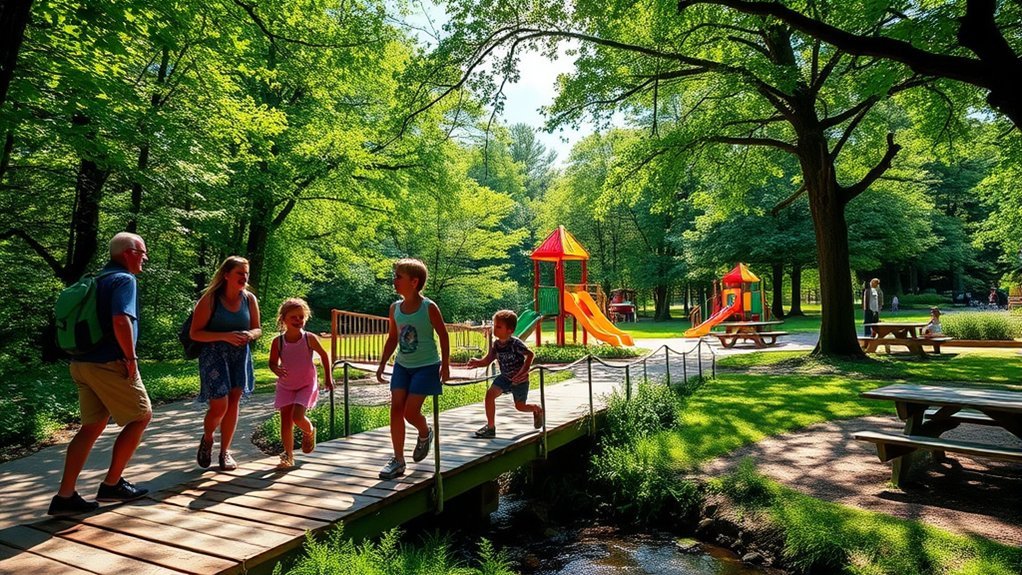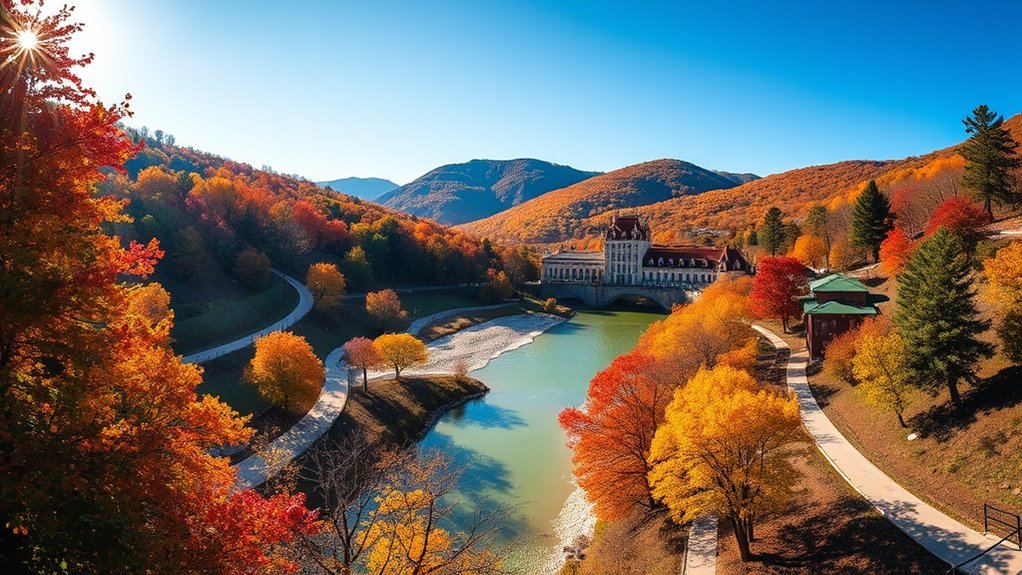
Arkansas combines mountain scenery, free-flowing rivers, thermal springs, lakes, historic towns, museums, caves, and important cultural sites in a surprisingly compact state. The best places to visit in Arkansas range from Hot Springs National Park and Buffalo National River to Crystal Bridges, Petit Jean State Park, Eureka Springs, and family attractions such as Crater of Diamonds.
Quick Answer
The best places to visit in Arkansas include Hot Springs National Park, Buffalo National River, the Ozarks, Petit Jean State Park, Hawksbill Crag, Eureka Springs, Crystal Bridges, Mount Magazine, Devil’s Den, Crater of Diamonds, Lake Ouachita, Little Rock Central High School, and Blanchard Springs Caverns.
Key Takeaways
- Best for a first Arkansas trip: Combine Hot Springs, Petit Jean, and Little Rock for a mix of scenery, history, and culture.
- Best for outdoor adventure: Buffalo National River, Hawksbill Crag, Mount Magazine, and Devil’s Den offer hiking, paddling, climbing, biking, and mountain scenery.
- Best for art and architecture: Crystal Bridges Museum of American Art and Thorncrown Chapel are standout Northwest Arkansas stops.
- Best for families: Crater of Diamonds, Lake Ouachita, and many Arkansas state parks offer hands-on or easy-to-customize days outdoors.
- Check conditions before leaving: River levels, trail closures, cave tours, seasonal facilities, and special-exhibition access can change.
Pro Tip: Plan Arkansas by region instead of trying to cross the state every day. Hot Springs and Lake Ouachita pair naturally; Bentonville, Eureka Springs, and Devil’s Den work well together; and Buffalo National River and Blanchard Springs Caverns can anchor an Ozarks trip.
Hot Springs and Hot Springs National Park
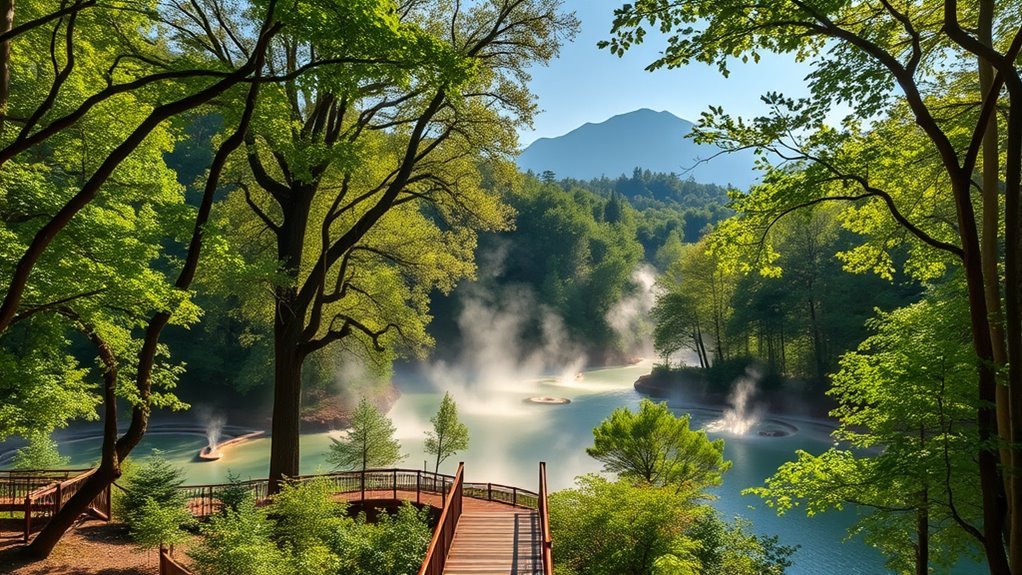
When relaxation, history, and easy access to nature are priorities, Hot Springs National Park deserves a place near the top of your list. The 5,550-acre park surrounds part of downtown Hot Springs and contains 47 active thermal springs. Bathhouse Row adds eight historic bathhouse buildings constructed between 1892 and 1923, creating an unusual national park experience where mountain trails and historic architecture sit within walking distance of city restaurants and lodging.
The thermal water is a major attraction, but the natural springs themselves are not pools for casual soaking. National Park Service guidance explains that water in the collection system is far too hot for direct bathing. For a regulated thermal-bathing experience, Buckstaff Bathhouse offers traditional bathing services, while Quapaw Bathhouse offers private baths and public thermal pools. This distinction makes it easier to enjoy the springs safely while still experiencing the tradition that made Hot Springs famous.
Warning: Do not treat exposed thermal springs as swimming or soaking pools. Use approved bathhouse facilities and follow posted National Park Service instructions around hot water.
There is more here than bathing. The park protects more than 50 mammal species and over 100 bird species, with white-tailed deer among the animals visitors may encounter. You can also walk the Grand Promenade, explore forested trails, tour the restored Fordyce Bathhouse visitor center, and examine the architecture along Bathhouse Row.
After exploring the park, the Superior Bathhouse Brewery provides another unusual connection to the thermal springs by using park thermal water in its brewing operation. Together, the historic bathhouses, mountain setting, thermal-water story, and walkable downtown make Hot Springs one of Arkansas’s most distinctive getaways.
Buffalo River and Buffalo National River
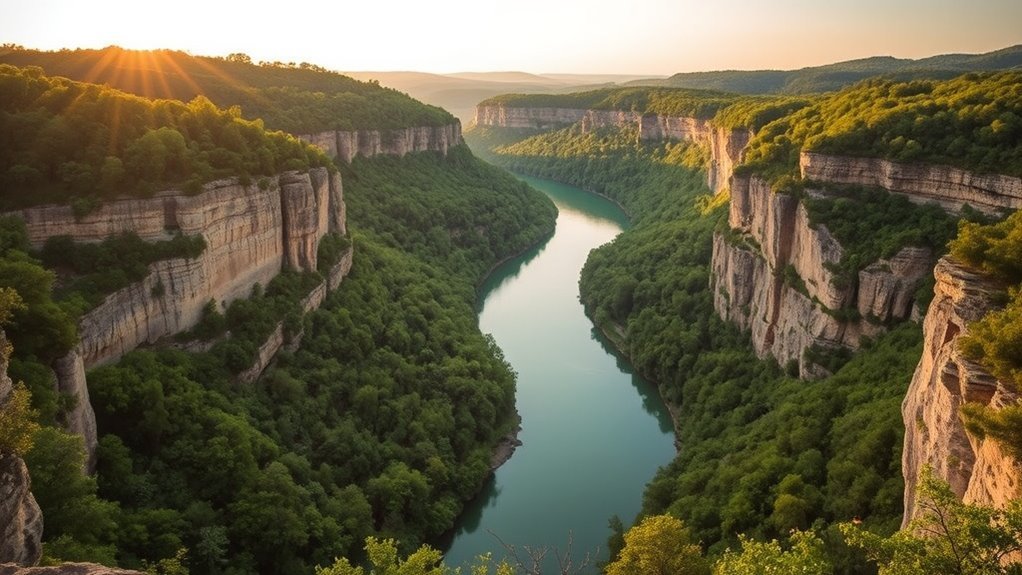
Flowing through the Ozark Mountains, Buffalo National River is one of Arkansas’s signature outdoor destinations. Established in 1972 as the nation’s first national river, it flows freely for 135 miles and remains one of the few undammed rivers in the lower 48 states. Canoeing and kayaking are popular, but conditions are not uniformly gentle. Depending on the district, rainfall, and river level, paddlers can encounter everything from quiet pools to fast-moving water and rapids.
Buffalo National River flows freely for 135 miles through the Arkansas Ozarks, combining river recreation with bluffs, wilderness, wildlife, and backcountry trails.
Warning: Check current NPS river conditions and paddling guidance before launching. Every person in a vessel must have an approved personal flotation device available, and children age 12 and younger must wear one while in the boat. The park recommends that everyone wear a life jacket.
The river corridor is also excellent for wildlife observation. Elk are especially associated with the upper Buffalo area around Boxley Valley, while birds, deer, and other wildlife can be spotted throughout the park. Give wildlife plenty of space rather than approaching animals for photographs.
Hiking expands the experience beyond the water. Hemmed-In-Hollow Falls drops nearly 210 feet, but it flows best after significant rain and reaching it from the Compton Trailhead requires an extremely steep, strenuous wilderness hike. Big Bluff is another celebrated viewpoint reached by a demanding trail. Easier walks are available elsewhere in the park, so choose a route that matches your group’s fitness, experience, weather, and available daylight.
Swimming, tubing, camping, wildlife watching, paddling, and hiking all make the Buffalo River corridor rewarding. The important difference from a conventional recreation lake is that this is a living, changing river, so current water levels and weather should shape every day’s plan.
The Ozarks
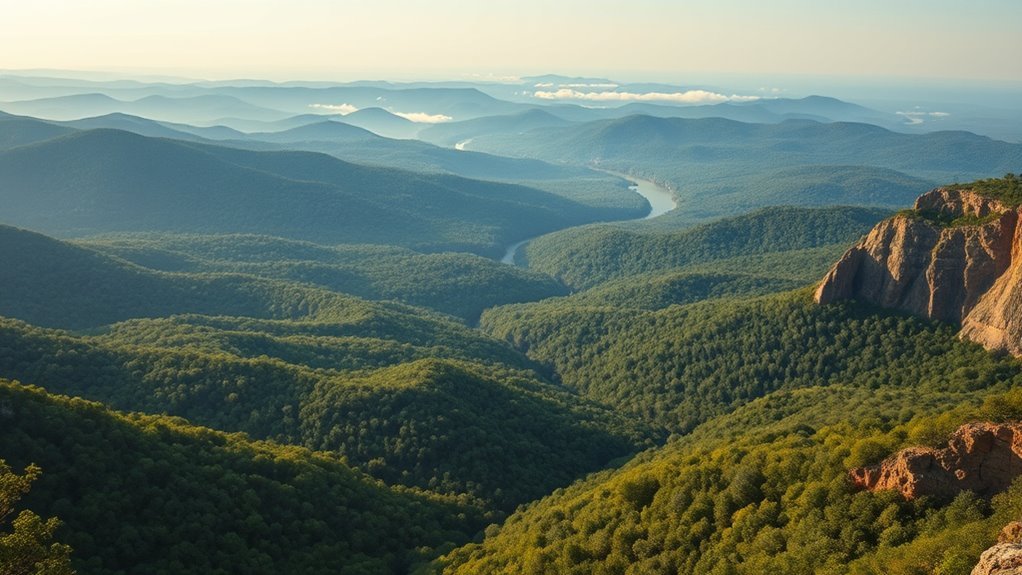
The Arkansas Ozarks cover a broad mountain region across northern and northwestern Arkansas rather than a single attraction. For outdoor travelers, the region offers wooded hiking routes, rivers, lakes, overlooks, mountain-bike networks, campgrounds, and scenic drives. The Ozark-St. Francis National Forests provide a useful starting point for checking recreation sites, current notices, and trail information.
Wildlife watching is another reason to slow down here. Forest habitats support animals ranging from white-tailed deer to black bears, while lakes and rivers create opportunities to watch birds. Photographers should rely on zoom lenses rather than moving close to wildlife.
The cultural side of the Ozarks is just as important as the scenery. Small towns such as Eureka Springs and Mountain View combine local arts, crafts, music, food, and regional history. Arkansas barbecue, fried catfish, cheese dip, and other regional dishes can add a food-focused break between trail days.
For a cozy stay, cabin and cottage accommodations around Beaver Lake can work well after a day outdoors. Beaver Lake Cottages is one example mentioned for travelers who prefer a private cabin-style stay, while the wider region also has campgrounds, lodges, hotels, and vacation rentals. Compare current location, access, rates, and cancellation terms before booking.
The Ozarks are best treated as a region to explore rather than a single checkbox. Choose one or two bases and build your days around the lakes, rivers, trails, towns, and cultural sites nearest to them.
Cedar Falls and Petit Jean State Park
Petit Jean State Park, Arkansas’s first state park, protects more than 2,700 acres on Petit Jean Mountain. Its best-known natural feature is Cedar Falls, a 90-foot waterfall reached on the Cedar Falls Trail.
The official Cedar Falls Trail is about 2 miles round trip and is rated moderate to strenuous. The route descends into Cedar Creek Canyon before following the creek to the waterfall, so remember that the return trip includes the climb back out. Allow roughly 1.5 to 2 hours, wear footwear suitable for uneven terrain, and carry water.
There is much more to Petit Jean than one waterfall. Bear Cave features massive rock shelters and passageways, while Seven Hollows, overlooks, and other trails reveal varied geology and forest scenery. Lake Bailey provides opportunities for fishing, kayaking, and pedal boating. Picnic areas, tennis and basketball courts, campsites, cabins, and historic Mather Lodge make it practical to spend a full day or stay overnight.
Photographers often focus on Cedar Falls, but the combination of CCC-era architecture, mountain overlooks, rock formations, lake recreation, and trails makes Petit Jean one of the most complete state-park experiences in Arkansas.
Hawksbill Crag
Hawksbill Crag, also known as Whitaker Point, is one of the Arkansas Ozarks’ most recognizable overlooks. The Whitaker Point Trail leads through Ozark National Forest to an exposed rock ledge overlooking a broad, forested valley. It is especially popular for photography in fall and around sunrise.
Scenic Hiking Trail
The route is roughly 3 miles round trip, with the Forest Service listing the trail at about 1.5 miles each way. Although many hikers consider the distance manageable, rocky footing, elevation changes, heat, mud, and the exposed overlook can make the outing more demanding than the mileage suggests.
Along the way, the changing forest and bluff scenery are part of the experience. White-tailed deer, wild turkeys, and other Ozark wildlife may be present, but sightings are never guaranteed. Wear sturdy shoes, bring water, stay on the established route, and pack out everything you bring in.
Breathtaking Sunrise Views
Sunrise can transform the layered Ozark hills into one of the state’s most memorable landscape views. It also means beginning the hike in darkness, so preparation matters more than simply arriving early.
- Carry a reliable headlamp or flashlight if hiking before daylight.
- Allow extra time for rough roads, trail finding, and slower movement in low light.
- Stay well back from exposed cliff edges, especially when rocks are wet, icy, or crowded.
- Use a zoom lens for wildlife and never approach animals for a photograph.
Warning: Hawksbill Crag has exposed cliff edges without the barriers you would expect at an urban overlook. Children and pets need close supervision, and sunrise visitors should carry a light and keep away from the edge in darkness.
Eureka Springs
Eureka Springs combines Victorian architecture, steep winding streets, a lively arts community, springs, shops, galleries, music, and an unmistakably unconventional mountain-town atmosphere. Its entire downtown is listed on the National Register of Historic Places, making an ordinary walk through town part of the sightseeing experience.
The natural springs helped shape Eureka Springs’ history as a spa destination in the late 1800s. Today, it is more accurate to appreciate that history while treating modern spa services as relaxation rather than assuming the springs themselves provide proven medical benefits.
Art galleries, studios, independent shops, restaurants, and live music give visitors plenty to do without a hiking itinerary. Lake Leatherwood and other nearby recreation areas add hiking, biking, fishing, and paddling for travelers who want to mix town time with outdoor activities.
The event calendar changes throughout the year. In 2026, the 79th Original Ozark Folk Festival is scheduled for September 4–6, while the Great Passion Play remains another long-running Eureka Springs attraction. Because event dates and performances change, check the official calendar when planning around a specific festival or show.
Thorncrown Chapel
A short drive from central Eureka Springs, Thorncrown Chapel is one of Arkansas’s most celebrated works of architecture. Designed by E. Fay Jones and opened in 1980, the woodland chapel uses 425 windows and more than 6,000 square feet of glass to connect the interior visually with the surrounding Ozark forest.
When you visit Thorncrown Chapel, you’ll discover:
- Forest views: The extensive glass creates constantly changing views of the surrounding woods.
- A quiet setting: The chapel is used for reflection as well as weddings and other scheduled occasions.
- Architectural significance: Thorncrown has received major American Institute of Architects recognition and is listed on the National Register of Historic Places.
Instead of relying on an unsupported annual visitor estimate, the chapel’s current official site reports that more than nine million people have visited since 1980. Its appeal comes from the restrained materials, unusual light, and strong relationship between architecture and landscape.
Crystal Bridges Museum of American Art
In Bentonville, Crystal Bridges Museum of American Art combines major American artwork, architecture by Moshe Safdie, forest, ponds, gardens, and trails. General museum admission and viewing the permanent collection are free, although particular temporary exhibitions, programs, or events may have separate ticket requirements.
The museum’s permanent collection spans five centuries of American art and continues to grow. The campus also received a major freshness update in 2026: a 114,000-square-foot expansion opened to the public in June, adding substantial new space to the museum experience.
Architectural Marvels
Safdie’s pavilions curve around spring-fed ponds, allowing the architecture to interact with the site’s water and forest rather than sit apart from them. The current Crystal Bridges campus encompasses a 134-acre park, creating room for galleries, gathering spaces, landscaped areas, and outdoor art.
The architecture is worth noticing even if you arrive primarily for the collection. Bridges, glass walls, water, and wooded views repeatedly connect indoor galleries with the surrounding landscape.
Art and Exhibitions
The permanent collection covers American art from early periods to the present. Works by artists such as Georgia O’Keeffe appear alongside historical and contemporary artists from a wide range of backgrounds. Temporary exhibitions add another reason to return, so check the museum’s current exhibition calendar before your visit.
Because the permanent collection is free to view, Crystal Bridges works equally well for serious art enthusiasts and travelers who simply want to spend an hour or two exploring a high-quality cultural attraction without committing to an expensive museum day.
Outdoor Trails Experience
Crystal Bridges maintains about five miles of sculpture and walking trails that link the museum’s 134-acre park with downtown Bentonville. The paths weave through wooded areas and landscaped spaces while placing outdoor artworks directly into the natural setting.
Highlights include:
- Art outdoors: Sculptures and installations extend the museum beyond its galleries.
- Varied scenery: Wooded paths, ponds, landscaped areas, and seasonal changes create a different experience throughout the year.
- Restful spaces: Benches, water views, and garden areas make it easy to slow down between galleries.
Trail access and museum hours are not necessarily identical, so check current visitor information if you plan an early-morning or evening walk.
Mount Magazine State Park
At 2,753 feet, Mount Magazine is Arkansas’s highest point. The state park surrounding the summit combines overlooks, hiking, nature study, mountain biking, horseback riding, backpacking, and technical rock climbing.
The Signal Hill Trail provides access to the official high point, while other trails and overlooks reveal broad mountain and valley views. The park’s elevation and habitats also support notable natural diversity, including many bird, butterfly, and plant species.
Adventure travelers can explore technical climbing areas, mountain-bike routes, and horseback-riding options. Those who prefer a less strenuous stay can use scenic overlooks, picnic areas, ranger-led programs, or the visitor center.
After a day outdoors, the Lodge at Mount Magazine offers guest rooms, a restaurant, an indoor pool, and views toward the Petit Jean River Valley and Blue Mountain Lake. Cabins and camping provide additional ways to stay close to the mountain.
Devil’s Den State Park
Devil’s Den State Park is a classic Ozarks destination known for Civilian Conservation Corps architecture, wooded valleys, rock formations, caverns, hiking, backpacking, mountain biking, horseback riding, camping, and the small Lake Devil.
Note: As of August 15, 2026, Arkansas State Parks lists the Devil’s Den Trail as closed for repairs. Conditions can change, so check the official park page before choosing your route.
Scenic Trails and Hiking
Although the namesake Devil’s Den Trail currently requires a closure check, the park has other substantial hiking options. Yellow Rock Trail is known for views over Lee Creek Valley, while the 15-mile Butterfield Hiking Trail offers a much longer backpacking loop. Mountain bikers can explore Fossil Flats and the park’s Monument Trails.
As you explore, expect rocky Ozark terrain, wooded creek valleys, CCC-era structures, and opportunities to observe wildlife. Carry water, use a current map, choose a trail suitable for your ability, and check weather and closure notices before setting out.
Unique Geological Features
Devil’s Den is noted for sandstone rock formations, crevices, bluffs, and caverns formed within the Ozark landscape. These features are an important part of the park’s character, but the caves should not be treated as open guided-tour attractions.
Devil’s Den Cave and Devil’s Icebox have been closed to protect critical bat habitat. Visitors should respect gates and closure signs rather than attempting to enter. You can still experience the park’s geology from open trails, bluff areas, creek corridors, and designated overlooks.
Wildlife and Nature Exploration
The park’s forest, creek, lake, and cave habitats support a variety of wildlife. Bats are particularly important to the cave ecosystem, which is one reason cave-access restrictions matter. Birds and woodland animals can also be observed from trails when visitors move quietly and keep a respectful distance.
- Wildlife viewing: Bring binoculars or a zoom lens instead of approaching animals.
- Scenic trails: Choose among currently open hiking and Monument Trail options based on your ability.
- Conservation: Stay on designated routes, respect cave closures, and leave rocks, plants, and wildlife undisturbed.
Lake Devil adds fishing and quiet waterside scenery, while camping and historic cabins make it possible to turn a short hike into a longer stay.
Crater of Diamonds State Park
For an Arkansas experience that feels completely different from mountain hiking, visit Crater of Diamonds State Park near Murfreesboro. Visitors can search a 37.5-acre plowed field for natural diamonds and other rocks and minerals. The park’s defining attraction is that visitors may keep the rocks and minerals they find, subject to park rules.
You can bring appropriate hand tools or rent basic diamond-searching equipment at the park. Motorized mining equipment is not allowed. The experience is hands-on and weather-exposed, so sun protection, water, clothes that can get dirty, and realistic expectations are useful.
Finding a diamond is never guaranteed, which is part of the appeal. Families can still enjoy learning how prospecting works, examining rocks, and spending time outdoors even if they leave without a valuable discovery. Check current hours, admission information, and seasonal water-park operations before traveling.
Lake Ouachita State Park
Lake Ouachita is Arkansas’s largest lake, with about 40,000 acres of water surrounded by the Ouachita National Forest. It is a strong choice for travelers who want water recreation without giving up mountain scenery.
Popular activities include swimming, boating, kayaking, fishing, water skiing, and scuba diving. The state park also has trails, picnic areas, a marina, campsites, cabins, and interpretive programs. That range makes it suitable for anything from a relaxed picnic to a multi-day lake vacation.
Lake Ouachita also pairs naturally with Hot Springs because the state park is nearby. Travelers staying several nights in the Hot Springs area can use one day for Bathhouse Row and national-park trails, then dedicate another to paddling, swimming, fishing, or simply relaxing by the lake.
Little Rock and Central High School National Historic Site
Arkansas travel is not only about outdoor scenery. In Little Rock, Little Rock Central High School National Historic Site preserves and interprets one of the defining chapters of the U.S. civil-rights movement.
In 1957, nine African American students known as the Little Rock Nine entered Central High during the struggle to enforce school desegregation following Brown v. Board of Education. The confrontation became a national test of the federal government’s commitment to enforcing civil rights.
Begin at the National Park Service visitor center, where exhibits provide the historical context needed to understand the school, the students, and the events of 1957. Central High remains an operating public school, so visitors should respect access restrictions and use official NPS programs when they want a deeper look at the site.
Little Rock can also serve as a practical central-Arkansas base. Museums, restaurants, riverfront attractions, and nearby outdoor destinations make it easy to balance history with recreation during a longer trip.
Blanchard Springs Caverns
If you want a true guided cave experience, Blanchard Springs Caverns in the Ozark-St. Francis National Forests is a better choice than trying to enter protected caves at Devil’s Den.
Blanchard Springs is a three-level cave system, with developed portions open for guided tours. Visitors can see large underground rooms, flowstone, stalactites, stalagmites, and other cave formations while following managed routes rather than exploring an unprotected cave independently.
Tour availability is seasonal and reservations may be required. The caverns reopened for the 2026 season under a cooperative operating arrangement involving Arkansas State Parks and the U.S. Forest Service, so verify the latest tour schedule and ticket availability before making a long drive.
Note: Cave temperatures, walking surfaces, accessibility, tour types, and schedules differ from outdoor attractions. Review the current tour description before booking, especially if anyone in your group has mobility limitations.
Frequently Asked Questions
What is the best time of year to visit Arkansas?
Spring and fall are especially comfortable for hiking, road trips, and sightseeing. Fall adds colorful foliage in the Ozarks and Ouachitas, while spring can bring waterfalls and wildflowers. Summer works well for lakes and water recreation but can be hot and humid. Winter is quieter, although cold weather, ice, or seasonal closures can affect outdoor plans.
Are there pet-friendly accommodations available in Arkansas?
Yes. Pet-friendly hotels, cabins, campgrounds, and vacation rentals are available in many Arkansas destinations. Rules vary by property and attraction, and some trails, museums, caves, swimming areas, or buildings restrict pets. Confirm both lodging rules and destination-specific pet policies before traveling.
What outdoor activities are popular in Arkansas besides hiking?
Arkansas offers kayaking, canoeing, tubing, fishing, swimming, boating, scuba diving, mountain biking, horseback riding, technical rock climbing, camping, wildlife watching, and scenic driving. Buffalo National River is a top paddling destination, Lake Ouachita is ideal for lake recreation, and Mount Magazine and Devil’s Den offer several land-based adventure options.
Is there local cuisine to try while visiting Arkansas?
Yes. Look for Arkansas barbecue, fried catfish, cheese dip, Southern-style vegetables, pies, and regional Ozark dishes. Possum pie is a layered Arkansas dessert despite its playful name; it does not contain possum. Local menus vary by region, so independent restaurants can be a good way to explore the state’s food traditions.
How can I plan a road trip through Arkansas efficiently?
Group stops by region. One trip can combine Hot Springs and Lake Ouachita; another can connect Bentonville, Crystal Bridges, Eureka Springs, and Devil’s Den. Buffalo National River and Blanchard Springs work well in an Ozarks itinerary, while Petit Jean and Little Rock can be paired in central Arkansas. Crater of Diamonds makes a logical southwest-Arkansas extension.
How many days do you need to visit Arkansas?
Three or four days are enough for one region, but a week gives you much more flexibility to combine cities, state parks, and mountain or river destinations without spending most of each day driving. For a first visit, choose two nearby regions rather than trying to cover the entire state.
What are the best places in Arkansas for families?
Crater of Diamonds offers a hands-on search experience, Crystal Bridges combines free permanent-collection access with outdoor trails, and Lake Ouachita offers flexible water activities. Petit Jean and Hot Springs can also work well for families when you select trails and activities that match the children’s ages and abilities.
Conclusion
Arkansas rewards travelers who mix its different sides instead of focusing on only one type of attraction. You can soak in the bathhouse tradition of Hot Springs, paddle the Buffalo River, hike to Ozark overlooks, explore American art at Crystal Bridges, learn civil-rights history in Little Rock, search for diamonds, tour a developed cave, or spend a quiet day on Lake Ouachita.
For the easiest trip, choose destinations in the same region and leave enough flexibility for weather, river levels, trail conditions, seasonal facilities, and current operating hours. With that approach, Arkansas offers enough variety for a weekend getaway, a family vacation, or a full week of outdoor and cultural exploration.
Sources
- National Park Service — Hot Springs National Park — thermal springs, Bathhouse Row, wildlife, and visitor planning.
- National Park Service — Buffalo National River — river length, history, paddling, hiking, and safety information.
- Arkansas State Parks — Petit Jean, Mount Magazine, Devil’s Den, Crater of Diamonds, Lake Ouachita, trails, and current park information.
- U.S. Forest Service — Ozark-St. Francis National Forests — Ozarks recreation, Whitaker Point, and Blanchard Springs Caverns.
- Crystal Bridges Museum of American Art — collection, campus, trails, free admission, and 2026 expansion information.
- National Park Service — Little Rock Central High School National Historic Site — the Little Rock Nine and the 1957 desegregation crisis.