When embarking on the journey of growing potatoes in containers, the first and foremost consideration is selecting the appropriate container. The size and material of the container play a crucial role in the health and yield of your potato plants. Ideally, a container should be at least 5 gallons in capacity to provide sufficient space for the tubers to develop.
Containers made from materials such as plastic, wood, or fabric are all viable options, but each has its own set of advantages and disadvantages. For instance, plastic containers are lightweight and retain moisture well, while wooden containers offer excellent insulation but may require more maintenance to prevent rot. Moreover, drainage is a critical factor that cannot be overlooked.
Potatoes are susceptible to rot if their roots sit in waterlogged soil. Therefore, ensuring that your chosen container has adequate drainage holes is essential. If you opt for a container without drainage, you can create your own by drilling holes in the bottom.
Additionally, consider the placement of your containers; they should be positioned in a location that allows for easy access for watering and harvesting while also being sheltered from extreme weather conditions.
Key Takeaways
- Choose a container with good drainage and at least 10-12 inches deep for growing potatoes.
- Select potato varieties suited for container growing, such as fingerling or new potatoes.
- Prepare a well-draining soil mix with equal parts of potting soil, compost, and perlite for optimal potato growth.
- Plant seed potatoes with at least 3-4 eyes in the container, covering them with 3-4 inches of soil mix.
- Water the potatoes regularly and fertilize with a balanced fertilizer every 2-3 weeks for healthy growth.
Selecting the Right Potato Variety
The selection of potato variety is another pivotal step in the cultivation process. Potatoes come in numerous varieties, each with unique characteristics that can influence growth patterns, flavor profiles, and culinary uses. For instance, if you are looking for early harvests, varieties such as ‘Red Norland’ or ‘Yukon Gold’ are excellent choices as they mature quickly and can be harvested within 70 to 90 days.
On the other hand, if you prefer a longer growing season with potentially larger yields, consider varieties like ‘Russet Burbank’ or ‘Idaho’ potatoes, which typically take longer to mature but are renowned for their starchy texture and versatility in cooking. In addition to growth time, it is essential to consider disease resistance when selecting your potato variety. Some varieties are more susceptible to common potato diseases such as blight or scab.
For example, ‘Kennebec’ potatoes are known for their resistance to late blight, making them a reliable choice for gardeners in areas prone to this disease. Furthermore, local climate conditions can also dictate which varieties will thrive; consulting with local agricultural extensions or gardening centers can provide valuable insights into which types perform best in your region.
Preparing the Soil Mix
Creating an optimal soil mix is fundamental to successful potato cultivation in containers. Potatoes thrive in loose, well-draining soil that allows their tubers to expand freely without obstruction. A recommended soil mix consists of equal parts potting soil, compost, and perlite or vermiculite.
The potting soil provides essential nutrients and structure, while compost enriches the mix with organic matter and beneficial microorganisms that promote healthy root development. Perlite or vermiculite enhances aeration and drainage, preventing the soil from becoming compacted. Before filling your container with the soil mix, it is advisable to pre-moisten the components to ensure even moisture distribution.
This step helps prevent dry pockets within the soil that could hinder root growth. Additionally, incorporating a slow-release fertilizer into the mix can provide a steady supply of nutrients throughout the growing season. A balanced fertilizer with an N-P-K ratio of 10-10-10 is often recommended for potatoes, as it supports both foliage growth and tuber development.
Planting the Potatoes
| Year | Number of Potatoes Planted | Average Size of Potatoes | Yield per Acre |
|---|---|---|---|
| 2018 | 10,000 | 2 inches | 8,000 lbs |
| 2019 | 12,000 | 2.5 inches | 9,600 lbs |
| 2020 | 15,000 | 3 inches | 12,000 lbs |
Once your container is prepared with the ideal soil mix, it’s time to plant your seed potatoes. Seed potatoes are small tubers specifically grown for planting rather than consumption; they are often certified disease-free to ensure healthy growth. When planting, it is crucial to cut larger seed potatoes into pieces that each contain at least one “eye,” which is where new shoots will emerge.
Allow these cut pieces to cure for a day or two before planting; this helps form a protective callus over the cut surface, reducing the risk of rot. When planting in containers, place the seed potatoes about 4 to 6 inches deep in the soil mix and space them approximately 12 inches apart. This spacing allows adequate room for tuber expansion while ensuring that each plant receives sufficient nutrients and water.
After placing the seed potatoes in their designated spots, cover them with soil and gently pat down to eliminate air pockets. Water thoroughly after planting to help settle the soil around the tubers.
Watering and Fertilizing
Watering is a critical aspect of potato cultivation that requires careful attention throughout the growing season. Potatoes need consistent moisture to develop properly; however, overwatering can lead to root rot and other issues. A general rule of thumb is to keep the soil consistently moist but not soggy.
Checking the top inch of soil for dryness can help determine when to water; if it feels dry to the touch, it’s time to give your plants a drink. Fertilizing should also be approached with care. While potatoes benefit from nutrients during their growth phase, excessive fertilization can lead to lush foliage at the expense of tuber development.
A balanced approach involves applying a liquid fertilizer every few weeks after the plants have established themselves and begun to grow vigorously. This method ensures that your potatoes receive adequate nutrition without overwhelming them with excess nutrients.
Providing Adequate Sunlight
Sunlight is another vital component in the successful cultivation of potatoes in containers. Potatoes thrive in full sun conditions, requiring at least six hours of direct sunlight each day for optimal growth. When selecting a location for your containers, choose an area that receives ample sunlight throughout the day while also considering factors such as wind exposure and temperature fluctuations.
Conversely, if you are in a cooler climate, positioning your containers in a south-facing area can maximize sun exposure and promote faster growth rates. Regularly monitoring your plants for signs of inadequate sunlight—such as leggy growth or pale leaves—can help you make necessary adjustments to their placement.
Managing Pests and Diseases
Pest management is an essential aspect of maintaining healthy potato plants in containers. Common pests that affect potatoes include aphids, Colorado potato beetles, and spider mites. Regularly inspecting your plants for signs of infestation can help catch problems early before they escalate into more significant issues.
Handpicking pests off plants or using insecticidal soap can be effective methods for controlling minor infestations. In addition to pests, diseases such as late blight and powdery mildew can pose threats to potato crops. To minimize disease risk, practice crop rotation by not planting potatoes or other nightshade family members (like tomatoes or eggplants) in the same location year after year.
Additionally, ensuring good air circulation around your plants by spacing them appropriately can help reduce humidity levels that favor disease development.
Hilling the Potatoes
Hilling is a crucial technique in potato cultivation that involves mounding soil around the base of the plants as they grow. This practice serves multiple purposes: it encourages tuber formation by burying developing potatoes deeper in the soil, protects them from sunlight (which can cause greening), and helps retain moisture around the roots. Hilling should begin when the potato plants reach about 6 inches in height and should be repeated every few weeks as they continue to grow.
To hill your potatoes effectively, simply add more soil around the base of each plant while being careful not to disturb the roots too much. This process not only supports tuber development but also helps suppress weeds that may compete for nutrients and water. As you hill your potatoes, ensure that you leave some foliage exposed above the soil line; this allows for photosynthesis and overall plant health.
Harvesting the Potatoes
The timing of harvesting potatoes is critical for achieving optimal flavor and texture. Generally, new potatoes can be harvested about two weeks after flowering begins; these young tubers are small and tender, perfect for boiling or steaming. For mature potatoes, wait until the foliage begins to yellow and die back—this indicates that the tubers have reached their full size and are ready for harvest.
When harvesting from containers, gently tip over the container or use a garden fork to carefully lift out the soil without damaging the tubers. It’s essential to handle harvested potatoes with care to avoid bruising or cuts that could lead to rot during storage. After harvesting, allow them to dry in a shaded area for a few hours before moving them into storage.
Storing the Potatoes
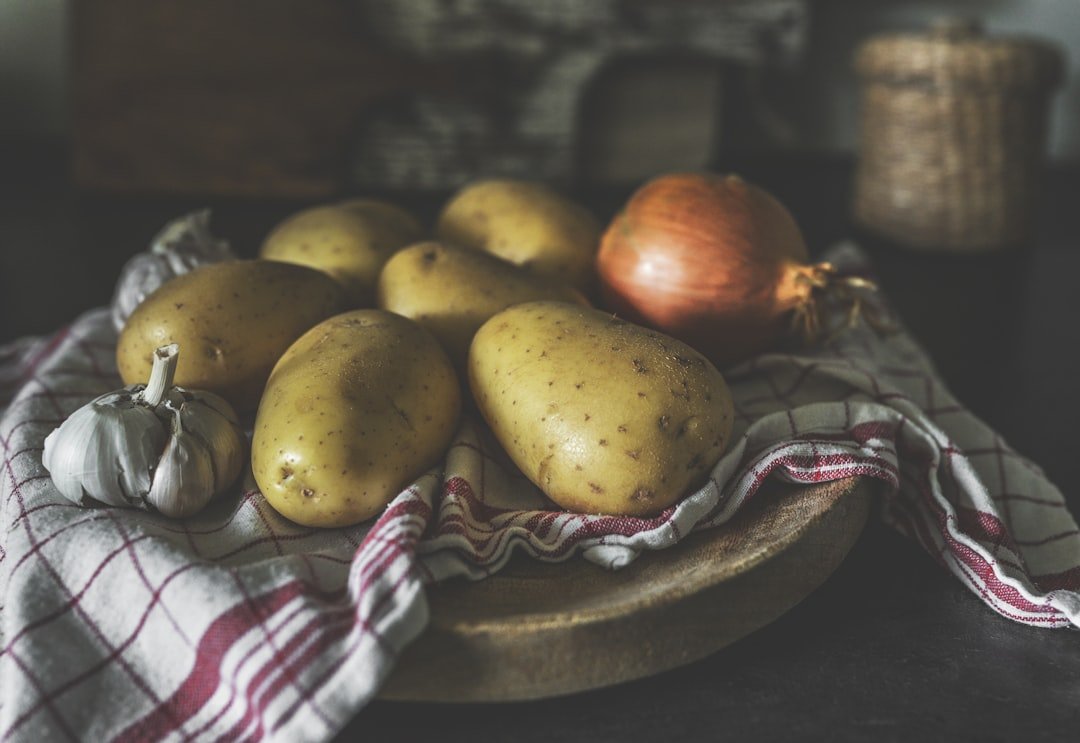
Proper storage is vital for extending the shelf life of harvested potatoes. Ideally, they should be stored in a cool, dark place with good ventilation—temperatures between 45°F and 50°F are optimal for maintaining freshness without sprouting or rotting. Avoid storing potatoes in direct sunlight or near onions, as this can lead to spoilage due to ethylene gas produced by onions.
Before storing your potatoes long-term, inspect them carefully for any signs of damage or disease; any compromised tubers should be used immediately rather than stored alongside healthy ones. Using breathable bags made from burlap or paper can help maintain airflow while preventing moisture buildup that could lead to rot.
Troubleshooting Common Issues
Even with careful planning and execution, challenges may arise during potato cultivation in containers. One common issue is poor growth or yellowing leaves, which may indicate nutrient deficiencies or improper watering practices. Conducting a soil test can help identify nutrient imbalances; adjusting fertilization accordingly can often remedy these problems.
Another frequent concern is pest infestations or diseases manifesting despite preventive measures taken earlier in the season.
Additionally, maintaining good cultural practices like crop rotation and proper sanitation can significantly reduce future risks associated with pests and diseases.
By understanding these various aspects of potato cultivation—from container selection to troubleshooting common issues—gardeners can enjoy a bountiful harvest of homegrown potatoes while gaining valuable experience along the way.
FAQs
What are the benefits of planting potatoes in a container?
Planting potatoes in a container allows for better control of soil quality, drainage, and sunlight exposure. It also saves space and makes it easier to harvest the potatoes.
What type of container is best for planting potatoes?
A large container with good drainage is best for planting potatoes. Options include plastic or wooden containers, grow bags, or even repurposed items like buckets or barrels.
What kind of soil should be used for planting potatoes in a container?
Potatoes thrive in well-draining, loose, and nutrient-rich soil. A mix of potting soil and compost is ideal for planting potatoes in a container.
How should potatoes be planted in a container?
Potatoes can be planted in a container by placing seed potatoes in the soil with the eyes facing up, covering them with a few inches of soil, and then adding more soil as the plants grow.
What are the care requirements for potatoes in a container?
Potatoes in a container require regular watering, adequate sunlight, and occasional fertilization. It’s also important to monitor for pests and diseases.
When and how should potatoes be harvested from a container?
Potatoes can be harvested from a container once the plants have flowered and the foliage begins to yellow and die back. Carefully dig through the soil to harvest the potatoes without damaging them.