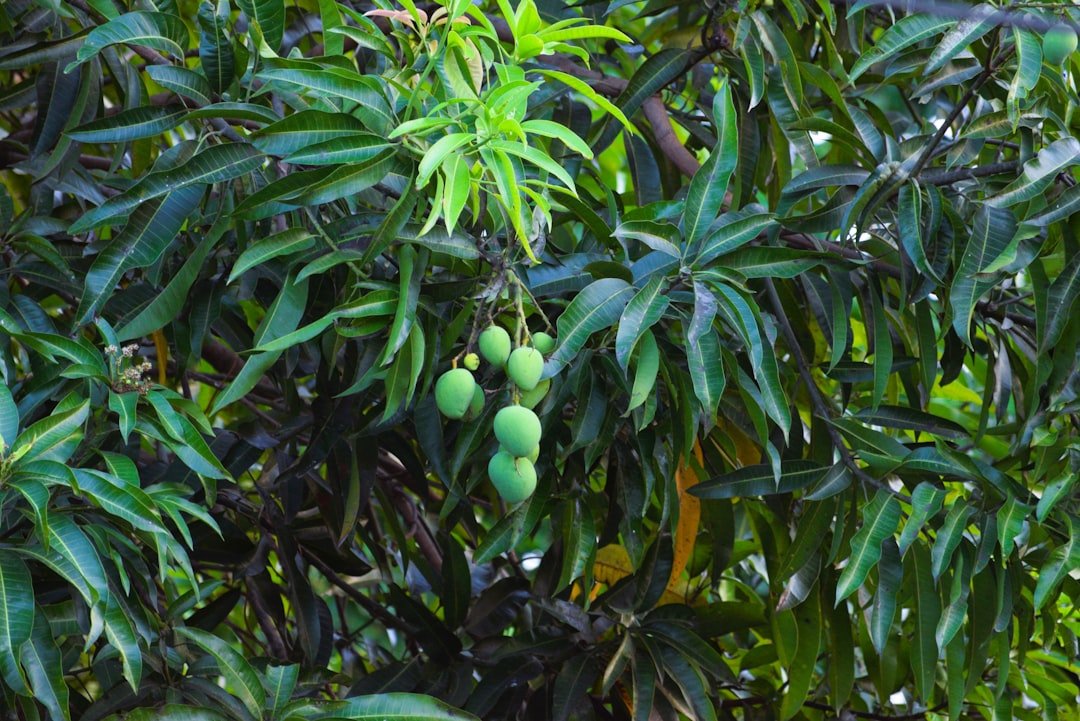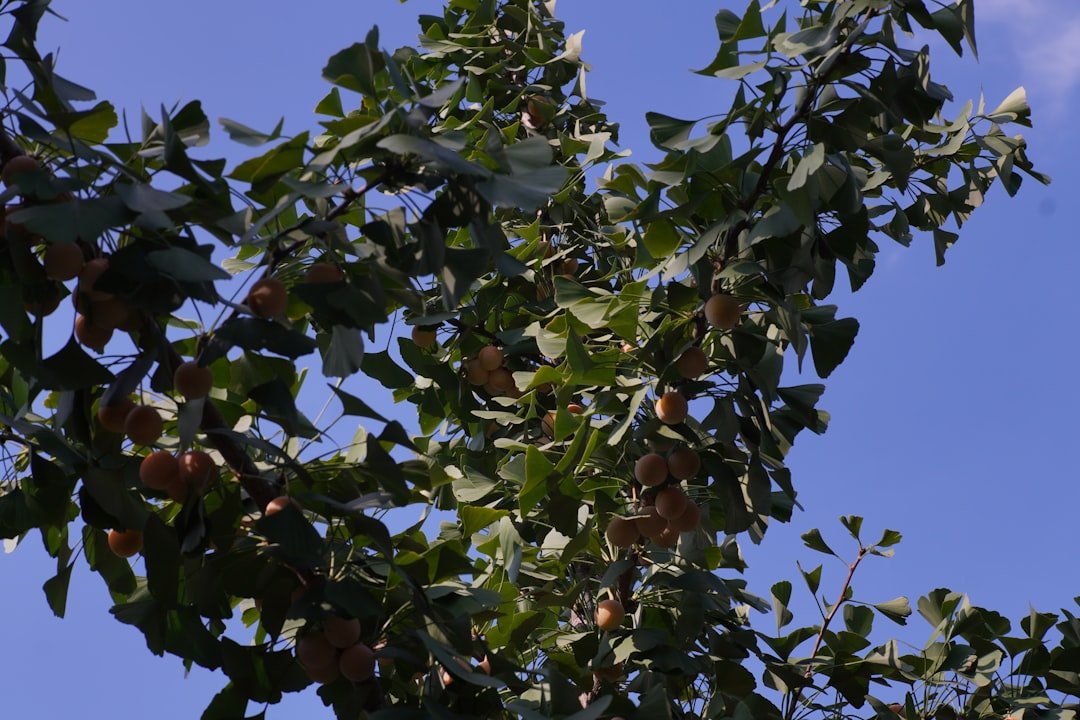
The white guava tree, scientifically known as Psidium guajava, is a tropical fruit-bearing tree that has captured the attention of horticulturists and home gardeners alike. Native to Central America and the northern regions of South America, this tree has spread across various tropical and subtropical regions around the world due to its adaptability and the delicious fruit it produces. The white guava is particularly valued for its sweet, aromatic fruit, which is not only a delight to eat but also offers numerous health benefits.
As a member of the Myrtaceae family, the white guava tree is closely related to other popular fruits such as feijoa and eucalyptus. In addition to its culinary appeal, the white guava tree is also appreciated for its ornamental qualities. With its lush green foliage and attractive flowers, it can serve as a beautiful addition to any garden or landscape.
The tree typically grows to a height of 10 to 30 feet, depending on the variety and growing conditions, making it suitable for both small and large gardens. As we delve deeper into the characteristics, cultivation, and benefits of the white guava tree, it becomes evident that this remarkable plant is more than just a source of delicious fruit; it is a versatile and valuable asset for any garden enthusiast.
Key Takeaways
- The white guava tree is a tropical fruit tree known for its delicious and aromatic fruits.
- White guava trees are small to medium-sized with spreading branches and can reach a height of 6-20 feet.
- White guava trees thrive in tropical and subtropical climates and require well-drained, fertile soil for optimal growth.
- Plant white guava trees in a sunny location and provide regular watering and fertilization for healthy growth.
- Prune white guava trees to maintain shape and size, and protect them from pests and diseases for a bountiful harvest of sweet, juicy fruits.
Characteristics of the White Guava Tree
The white guava tree is characterized by its evergreen leaves, which are typically oval-shaped and can grow up to 5 inches long. The leaves are dark green on the upper side and lighter green beneath, providing a striking contrast that enhances the tree’s aesthetic appeal. The bark of the white guava tree is smooth and can vary in color from light brown to gray, often peeling in strips as the tree matures.
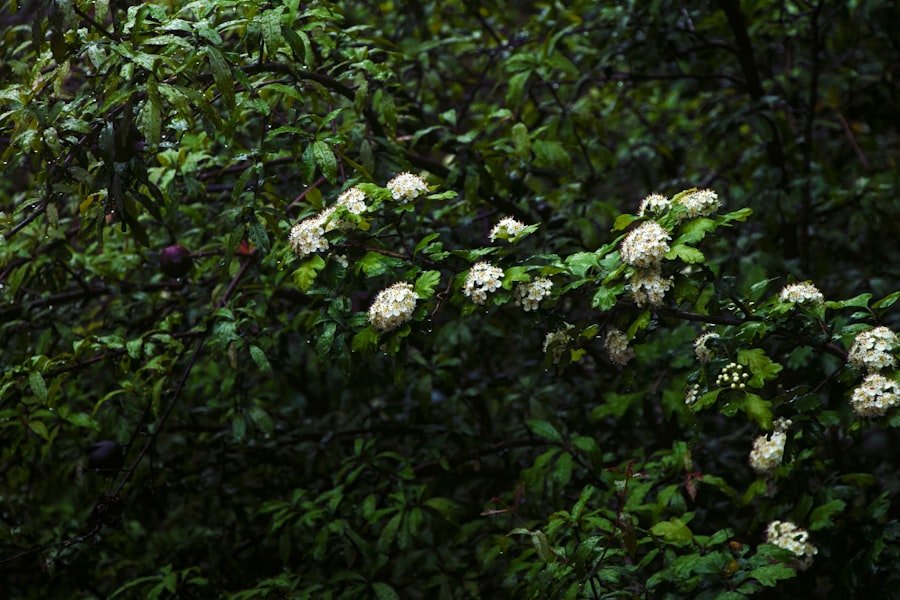
This unique bark texture adds an interesting visual element to the tree’s overall appearance. One of the most notable features of the white guava tree is its fragrant flowers, which bloom in clusters and are usually white or pale yellow in color. These flowers are not only beautiful but also attract a variety of pollinators, including bees and butterflies, which play a crucial role in the tree’s reproduction.
The fruit itself is round or pear-shaped, with a smooth skin that can range from green to yellow when ripe. Inside, the flesh is typically white or cream-colored, filled with small edible seeds that contribute to its unique texture. The flavor of the fruit is sweet with a hint of tartness, making it a popular choice for fresh consumption, juices, jams, and desserts.
Climate and Soil Requirements for Growing White Guava Trees
White guava trees thrive in warm tropical and subtropical climates, where temperatures typically range between 70°F to 90°F (21°C to 32°C). They are sensitive to frost and cannot tolerate prolonged cold temperatures, making them unsuitable for regions with harsh winters. Ideal growing conditions include full sun exposure, which not only promotes healthy growth but also enhances fruit production.
In areas with high humidity, white guava trees flourish even more, as they are well-adapted to such environments. When it comes to soil requirements, white guava trees prefer well-draining soils that are rich in organic matter. Sandy loam or loamy soils with a pH level between 5.5 and 7.0 are ideal for optimal growth.
Poorly drained soils can lead to root rot and other issues that may hinder the tree’s development. To improve soil quality, incorporating compost or well-rotted manure can provide essential nutrients while enhancing drainage capabilities. Additionally, regular soil testing can help determine nutrient levels and pH balance, allowing for necessary amendments to support healthy growth.
Planting and Caring for White Guava Trees
| Aspect | Details |
|---|---|
| Soil | Well-drained, fertile soil |
| Sunlight | Full sun for at least 6 hours a day |
| Watering | Regular watering, especially during dry periods |
| Pruning | Prune to shape the tree and remove dead or crowded branches |
| Fertilization | Apply balanced fertilizer every 4-6 weeks during the growing season |
| Pest control | Monitor for pests and use appropriate control methods if necessary |
Planting a white guava tree requires careful consideration of location and timing. The best time to plant is during the spring or early summer when temperatures are consistently warm. When selecting a site, ensure that it receives full sunlight for most of the day and has adequate space for the tree to grow without obstruction from nearby structures or other plants.
Digging a hole that is twice as wide as the root ball but no deeper than the root system itself will facilitate proper root establishment. Once planted, caring for white guava trees involves regular watering, especially during dry spells. Young trees require more frequent watering until they establish a robust root system; however, overwatering should be avoided as it can lead to root rot.
Mulching around the base of the tree can help retain moisture while suppressing weeds that compete for nutrients. Fertilization should be done with a balanced fertilizer during the growing season to promote healthy foliage and fruit development. Monitoring for signs of nutrient deficiencies or excesses is crucial for maintaining overall plant health.
Pruning and Maintenance of White Guava Trees
Pruning is an essential aspect of maintaining white guava trees, as it encourages healthy growth and improves fruit quality. The best time to prune is during the dormant season, typically in late winter or early spring before new growth begins. Removing dead or diseased branches helps prevent the spread of pests and diseases while allowing more sunlight to penetrate the canopy.
Additionally, thinning out crowded branches promotes better air circulation, reducing humidity levels within the foliage that can lead to fungal infections. Regular maintenance also includes monitoring for pests and diseases that may affect the tree’s health. Keeping the area around the base of the tree clean and free from debris can help minimize pest infestations.
Applying organic mulch not only conserves moisture but also deters certain pests by creating an unfavorable environment for them. Furthermore, ensuring that the tree receives adequate water and nutrients will bolster its resilience against potential threats.
Harvesting and Using White Guava Fruits
Harvesting white guava fruits requires careful timing to ensure optimal flavor and texture. The fruits typically mature within three to four months after flowering, depending on environmental conditions and specific varieties. A ripe white guava will yield slightly when gently squeezed and may exhibit a change in color from green to yellowish or pale green.
It is essential to handle the fruits delicately during harvesting to avoid bruising. The culinary uses of white guava are diverse and exciting. Freshly harvested fruits can be enjoyed raw, sliced into salads or desserts for added sweetness and texture.
They can also be juiced or blended into smoothies for a refreshing drink rich in vitamins A and In many cultures, white guava is used to make jams, jellies, and preserves due to its natural sweetness and unique flavor profile. Additionally, it can be cooked down into sauces or incorporated into savory dishes, showcasing its versatility in both sweet and savory culinary applications.
Pests and Diseases that Affect White Guava Trees
Like many fruit-bearing trees, white guava trees are susceptible to various pests and diseases that can impact their health and productivity. Common pests include fruit flies, aphids, scale insects, and spider mites. Fruit flies are particularly problematic as they lay eggs inside ripening fruits, leading to decay and loss of harvestable produce.
Regular monitoring for signs of infestation is crucial; using traps or organic insecticides can help manage these pests effectively. Diseases such as root rot caused by overwatering or poor drainage can severely affect white guava trees. Fungal infections like anthracnose may also occur, particularly in humid conditions where moisture lingers on leaves and fruits.
Implementing good cultural practices such as proper spacing between trees for air circulation and avoiding overhead watering can significantly reduce disease incidence. In cases where diseases do occur, timely intervention with appropriate fungicides or organic treatments can help mitigate damage.
Benefits of Growing White Guava Trees in Your Garden
Growing white guava trees offers numerous benefits beyond just their delicious fruit. One significant advantage is their ability to enhance biodiversity in your garden by attracting various pollinators such as bees and butterflies. This not only supports local ecosystems but also improves pollination rates for other plants in your garden, leading to increased yields across your entire landscape.
Additionally, white guava trees contribute positively to soil health through their root systems that help prevent erosion while improving soil structure over time. Their dense foliage provides shade during hot summer months, creating a cooler microclimate for other plants nearby. Furthermore, incorporating fruit-bearing trees like the white guava into your garden design promotes sustainable gardening practices by providing food sources while reducing reliance on store-bought produce.
Designing a Garden with White Guava Trees
When designing a garden that includes white guava trees, several factors should be considered to maximize their aesthetic appeal and functional benefits.
Grouping them with complementary plants such as flowering shrubs or ground covers can enhance visual interest throughout different seasons.
Incorporating pathways around your white guava trees allows easy access for maintenance tasks like pruning or harvesting while creating an inviting atmosphere for visitors to enjoy your garden’s beauty. Additionally, planting companion plants that thrive in similar conditions can help improve soil health through natural nutrient cycling while deterring pests through biodiversity.
White Guava Tree Varieties to Consider
There are several varieties of white guava trees available for cultivation, each offering unique characteristics suited for different growing conditions or preferences. One popular variety is ‘White Indian,’ known for its sweet flavor and smooth texture; it produces large fruits that are highly sought after in markets. Another notable variety is ‘Tropical White,’ which thrives in humid climates and yields abundant crops with excellent disease resistance.
For those interested in ornamental qualities alongside fruit production, ‘Pineapple Guava’ (also known as Feijoa) offers an attractive alternative with its stunning flowers while producing edible fruits reminiscent of pineapple flavor profiles. Selecting the right variety based on local climate conditions and personal taste preferences ensures successful cultivation while maximizing enjoyment from this delightful fruit-bearing tree.
The Beauty and Benefits of the White Guava Tree in Your Garden
The white guava tree stands out not only for its delectable fruit but also for its numerous benefits as an ornamental plant within gardens. Its lush foliage provides visual appeal while attracting beneficial wildlife that supports overall ecosystem health. With proper care and attention to growing conditions, this versatile tree can thrive in various landscapes while offering bountiful harvests year after year.
Incorporating white guava trees into your garden design enhances both aesthetic value and functional benefits through sustainable practices that promote biodiversity while providing delicious fruits for culinary enjoyment. Whether you are an experienced gardener or just starting your horticultural journey, growing a white guava tree can be a rewarding endeavor that enriches your outdoor space with beauty and flavor.
FAQs
What is a white guava tree?
A white guava tree is a tropical fruit tree that produces round or pear-shaped fruits with white flesh and a sweet flavor. It is a member of the Myrtaceae family and is native to Central and South America.
How tall does a white guava tree grow?
White guava trees can grow up to 20 feet tall, but they are often pruned to a more manageable height for easier fruit harvesting.
What are the growing conditions for a white guava tree?
White guava trees thrive in tropical or subtropical climates with full sun and well-drained soil. They are sensitive to frost and should be protected during cold weather.
How long does it take for a white guava tree to bear fruit?
White guava trees typically start producing fruit within 2 to 4 years after planting, depending on the growing conditions and care provided.
How do you care for a white guava tree?
White guava trees require regular watering, fertilization, and pruning to maintain their health and productivity. They are also susceptible to pests and diseases, so proper care and monitoring are essential.
What are the uses of white guava fruit?
White guava fruit can be eaten fresh, used in fruit salads, made into juices, jams, and preserves, or used as a flavoring in desserts and beverages. It is also a good source of vitamin C and dietary fiber.