Selecting the appropriate variety of fruit tree is a critical first step in ensuring a successful harvest. Different species and cultivars have unique requirements and characteristics that can significantly influence their growth, yield, and resilience to local conditions. For instance, if you live in a temperate climate, varieties such as ‘Honeycrisp’ apples or ‘Bing’ cherries may thrive, while subtropical regions might be better suited for ‘Hass’ avocados or ‘Meyer’ lemons.
Understanding the hardiness zones and climate conditions of your area is essential for making an informed choice. Moreover, the purpose of planting also plays a vital role in variety selection. If you aim to produce fruit for fresh consumption, you might prefer varieties known for their flavor and texture, such as ‘Satsuma’ mandarins or ‘Black Mission’ figs.
Conversely, if your goal is to create preserves or juices, you might opt for varieties that are high in acidity or sugar content, like ‘Gravenstein’ apples or ‘Seville’ oranges. Additionally, consider the growth habits of the trees; dwarf varieties can be ideal for smaller spaces and easier maintenance, while standard-sized trees may yield more fruit but require more room to grow.
Key Takeaways
- Choose a variety of fruit that is well-suited to your climate and soil conditions for a successful harvest.
- Select a location with full sun, good air circulation, and well-drained soil to ensure healthy fruit trees.
- Prepare the soil by testing and adjusting the pH, adding organic matter, and ensuring proper drainage.
- When planting or transplanting, handle the roots carefully and water thoroughly to help the tree establish itself.
- Water and fertilize fruit trees regularly, adjusting based on the tree’s growth and fruiting needs.
Selecting the Ideal Location
Optimal Sunlight Conditions
Sunlight is one of the most critical factors to consider when selecting a location for your fruit trees. Most fruit trees require at least six to eight hours of direct sunlight each day to produce a bountiful harvest. To find the perfect spot, observe how sunlight moves across your property throughout the day.
Soil Drainage and Quality
In addition to sunlight, drainage is another crucial consideration. Fruit trees prefer well-drained soil to prevent root rot and other moisture-related issues. If your chosen location tends to retain water after heavy rains, you might need to amend the soil or consider planting on raised beds to improve drainage.
Wind Protection
Wind exposure can also impact fruit trees; strong winds can damage branches and impede pollination. Planting near natural windbreaks, such as hedges or fences, can help protect your trees from harsh gusts.
Preparing the Soil
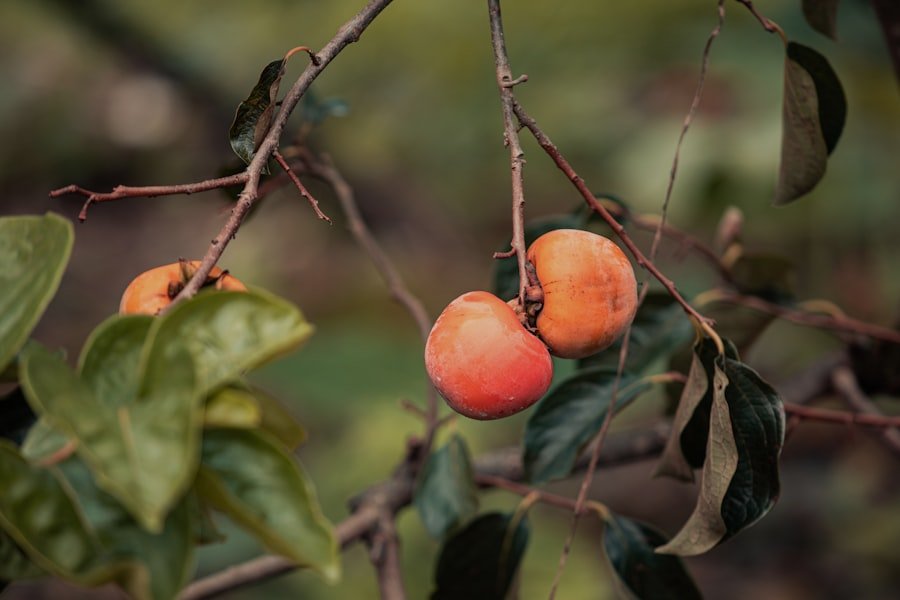
Soil preparation is a foundational step that sets the stage for healthy fruit tree growth. Before planting, it is advisable to conduct a soil test to determine pH levels and nutrient content. Most fruit trees thrive in slightly acidic to neutral soil (pH 6.0 to 7.0).
If your soil is too acidic or alkaline, amendments such as lime or sulfur can be added to adjust the pH accordingly. Additionally, understanding nutrient deficiencies can guide you in adding organic matter or fertilizers that will support robust tree development. Once you have assessed the soil’s condition, it’s time to prepare the planting site.
Clear away any weeds, grass, or debris that could compete with your young trees for nutrients and water. Tilling the soil can help aerate it and improve its structure, allowing roots to penetrate more easily. Incorporating organic matter such as compost or well-rotted manure not only enriches the soil but also enhances its moisture retention capabilities.
This preparation phase is crucial; healthy soil leads to vigorous root systems and ultimately contributes to higher yields.
Planting and Transplanting
| Month | Number of Plants Transplanted | Number of Plants Planted |
|---|---|---|
| January | 150 | 200 |
| February | 180 | 250 |
| March | 200 | 300 |
| April | 220 | 350 |
The actual planting process requires careful attention to detail to ensure that your fruit trees establish themselves successfully. When planting bare-root trees, it’s essential to soak the roots in water for several hours before placing them in the ground. This helps rehydrate the roots and encourages better establishment.
Dig a hole that is wide enough to accommodate the root system without crowding it; typically, a hole that is two to three times wider than the root ball is ideal. For container-grown trees, gently remove them from their pots and loosen any tightly bound roots before planting. Position the tree so that the graft union—the point where the rootstock meets the scion—is at soil level.
Backfill with soil while ensuring there are no air pockets around the roots, which can hinder growth. After planting, water thoroughly to settle the soil around the roots and provide initial moisture. If transplanting established trees, timing is crucial; early spring or late fall is often best when trees are dormant, minimizing stress during relocation.
Watering and Fertilizing
Watering practices are vital for nurturing young fruit trees and ensuring their long-term health. Newly planted trees require consistent moisture as they establish their root systems. A general rule of thumb is to provide deep watering once a week during dry spells, allowing the soil to dry slightly between waterings.
This encourages roots to grow deeper in search of moisture, promoting stronger plants. As trees mature, their watering needs will change; established trees may require less frequent watering but should still receive adequate moisture during critical growth periods. Fertilization is another key component of fruit tree care.
Young trees benefit from a balanced fertilizer that provides essential nutrients like nitrogen, phosphorus, and potassium. Organic options such as compost or well-rotted manure can also be effective in enriching the soil over time. As trees mature and begin to bear fruit, they may require additional nutrients; conducting periodic soil tests can help determine specific needs.
Timing is important; applying fertilizer in early spring before new growth begins can give trees a nutrient boost when they need it most.
Pruning and Training
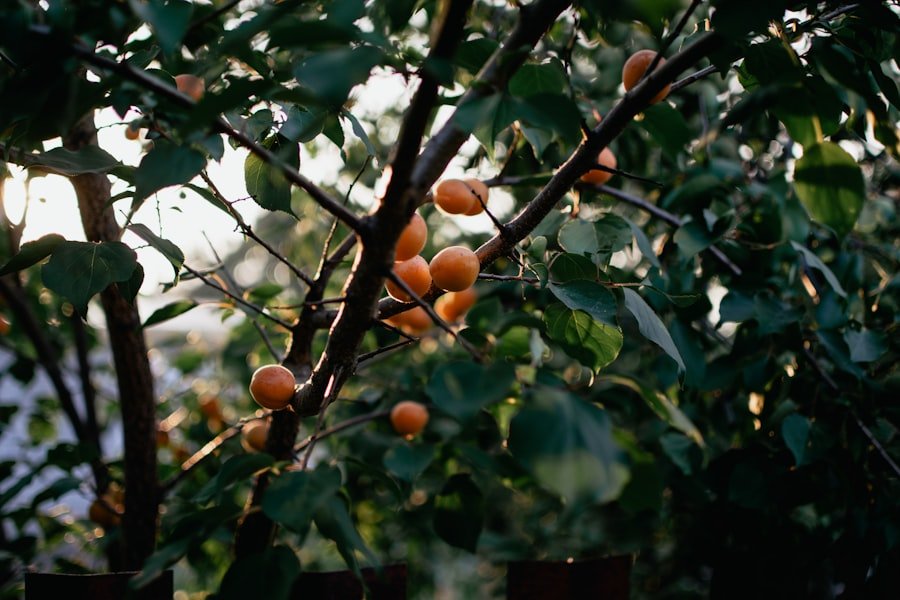
Pruning is an essential practice that shapes fruit trees for optimal growth and productivity. Proper pruning techniques not only enhance air circulation and light penetration but also help manage tree size and encourage fruitful branches. The best time to prune most fruit trees is during their dormant season in late winter or early spring before new growth begins.
This timing minimizes stress on the tree and allows for better healing of cuts. Training young trees into a desired shape can also significantly impact their future productivity. Techniques such as central leader training encourage a single main trunk with lateral branches that spread outwards, maximizing sunlight exposure and fruit production.
For dwarf varieties or those grown in limited spaces, open-center training allows for a more bush-like structure that facilitates easier harvesting and maintenance. Regularly assessing tree structure and making adjustments through pruning will ensure that your fruit trees remain healthy and productive throughout their lifespan.
Protecting from Pests and Diseases
Fruit trees are susceptible to various pests and diseases that can threaten their health and yield. Integrated Pest Management (IPM) strategies are effective in minimizing these risks while reducing reliance on chemical pesticides. Regular monitoring of your trees for signs of infestation—such as discolored leaves or unusual webbing—can help catch problems early before they escalate into significant issues.
Cultural practices play a crucial role in pest management as well. Maintaining good sanitation by cleaning up fallen fruit and debris can reduce pest habitats around your trees. Additionally, introducing beneficial insects like ladybugs or lacewings can help control aphid populations naturally.
For diseases such as powdery mildew or fire blight, selecting resistant varieties during your initial planting phase can provide an added layer of protection against these common threats.
Harvesting and Storage
The timing of harvest is critical for ensuring peak flavor and quality in your fruit crops. Each type of fruit has its own indicators of ripeness; for example, apples should be harvested when they easily detach from the tree with a gentle twist, while peaches should yield slightly under pressure when ripe. Harvesting at the right time not only enhances taste but also prolongs storage life; fruits picked too early may lack flavor, while those left too long on the tree may become overripe.
Once harvested, proper storage techniques are essential for maintaining freshness and preventing spoilage. Most fruits benefit from being stored in cool, dark places with good ventilation; refrigeration can extend shelf life but may alter texture in some cases. For example, apples can be stored in a cool cellar for several months if kept in perforated plastic bags to maintain humidity levels while allowing airflow.
Understanding specific storage requirements for each type of fruit will help you enjoy your harvest long after picking.
Dealing with Common Problems
Even with diligent care, fruit trees may encounter various challenges throughout their growing seasons. Common problems include nutrient deficiencies, which can manifest as yellowing leaves or stunted growth; addressing these issues promptly through soil testing and appropriate fertilization is crucial for recovery. Additionally, environmental stressors such as drought or excessive rainfall can lead to problems like blossom drop or poor fruit set.
Another frequent issue is competition from weeds that can rob young trees of vital nutrients and water resources. Implementing mulch around the base of your trees can suppress weed growth while retaining moisture in the soil. Furthermore, if you notice signs of pests or diseases affecting your trees, swift action is necessary; identifying the specific problem will guide you toward effective treatment options—whether through organic remedies or targeted pesticides.
Propagation Techniques
Propagation allows gardeners to expand their orchards without purchasing new plants by utilizing techniques such as grafting, budding, or layering. Grafting involves joining a scion (a young shoot) from one tree onto the rootstock of another; this method allows growers to combine desirable traits from both plants while ensuring compatibility with local conditions. For instance, grafting a sweet cherry scion onto a hardy rootstock can produce a tree that thrives in less-than-ideal soils.
Budding is another effective propagation method where a single bud from one plant is inserted into the bark of another tree; this technique is particularly useful for propagating stone fruits like peaches and plums. Layering involves bending a branch down to the ground and covering it with soil until roots develop; this method works well for certain species like blackberries or raspberries but can also be adapted for some fruit trees. Each propagation technique has its advantages and challenges; understanding these methods will enable you to expand your orchard effectively.
Enjoying the Fruits of Your Labor
The culmination of careful planning, nurturing, and hard work comes together when it’s time to enjoy the fruits of your labor—literally! The satisfaction derived from harvesting fresh produce from your own garden cannot be overstated; it represents not only physical nourishment but also emotional fulfillment from connecting with nature and witnessing growth firsthand.
Moreover, sharing your harvest with family and friends enhances this experience even further; homegrown fruits often evoke fond memories and create opportunities for bonding over shared meals or gatherings centered around food. Engaging in community events such as farmers’ markets allows you to showcase your produce while connecting with others who share similar passions for gardening and sustainable living practices. Ultimately, enjoying the fruits of your labor extends beyond mere consumption—it fosters relationships, nurtures creativity in cooking, and deepens appreciation for nature’s bounty.
FAQs
What is a plum apricot tree?
A plum apricot tree, also known as a pluot tree, is a hybrid fruit tree that produces a fruit that is a cross between a plum and an apricot.
What does a plum apricot tree look like?
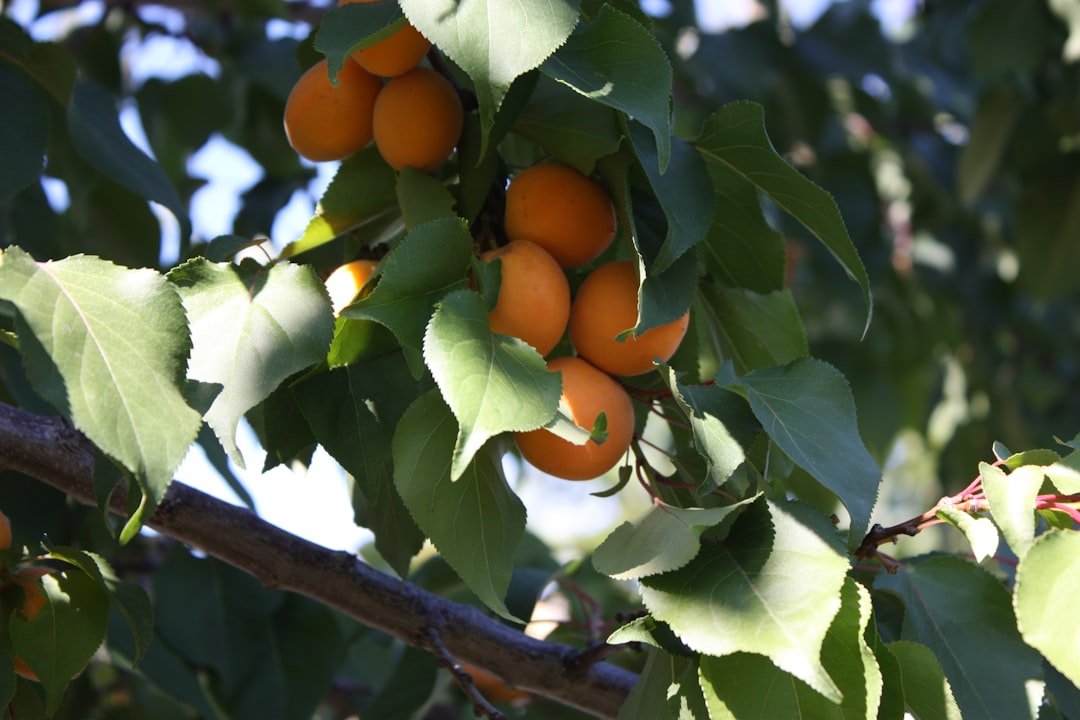
Plum apricot trees typically have a similar appearance to other fruit trees, with green leaves and a spreading canopy. The fruit that they produce is usually a combination of the characteristics of plums and apricots.
How do you care for a plum apricot tree?
Plum apricot trees require regular watering, well-drained soil, and full sun to thrive. They also benefit from regular pruning to maintain their shape and encourage fruit production.
When do plum apricot trees produce fruit?
Plum apricot trees typically produce fruit in the summer months, with the exact timing depending on the specific variety and growing conditions.
What are the benefits of growing a plum apricot tree?
Growing a plum apricot tree can provide you with a unique and delicious fruit that combines the flavors of plums and apricots. Additionally, these trees can be a beautiful addition to your garden or orchard.