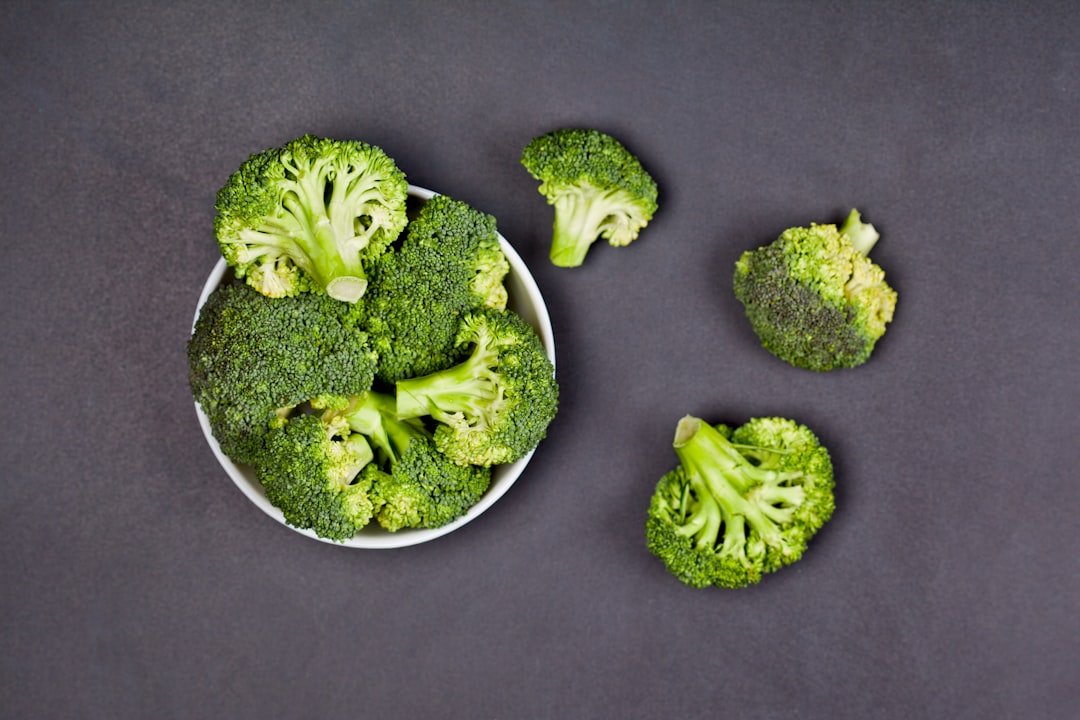
Broccoli (Brassica oleracea var. italica) is a nutrient-dense vegetable that has gained immense popularity among home gardeners and commercial growers alike. Its rich flavor, versatility in culinary applications, and impressive health benefits make it a staple in many diets.
However, successful cultivation of broccoli extends beyond simply planting seeds or seedlings; it requires careful consideration of plant spacing. Proper spacing is crucial for ensuring that each plant has adequate access to sunlight, nutrients, and water, which ultimately influences the overall health and productivity of the crop. Understanding the nuances of broccoli plant spacing can significantly impact the success of your gardening efforts.
When plants are spaced too closely, they compete for resources, leading to stunted growth and reduced yields. Conversely, excessive spacing can result in wasted garden space and lower overall productivity. This article delves into the various factors that influence plant spacing, recommended practices for optimal growth, and strategies for maximizing yield in both small and large garden settings.
Key Takeaways
- Proper plant spacing is crucial for the healthy growth of broccoli plants.
- Factors such as variety, soil quality, and climate should be considered when determining plant spacing.
- Recommended plant spacing for broccoli in the garden is typically 18-24 inches apart in rows 36 inches apart.
- Adequate air circulation is important for preventing diseases and promoting strong broccoli plant growth.
- Plant spacing directly impacts broccoli yield and quality, so it’s important to adjust spacing as needed.
Factors to Consider when Determining Plant Spacing
Several factors play a pivotal role in determining the appropriate spacing for broccoli plants. One of the primary considerations is the growth habit of the broccoli variety being cultivated. Different varieties exhibit varying sizes and shapes, which can influence how much space they require.
For instance, standard heading varieties tend to grow larger and may need more room than smaller sprouting types. Understanding the specific growth characteristics of the variety you choose is essential for making informed spacing decisions. Another critical factor is the growing conditions in your garden.
Soil quality, moisture levels, and sunlight exposure can all affect how well broccoli plants thrive. In nutrient-rich soils with good drainage, plants may be able to grow closer together without suffering from competition for resources. Conversely, in poorer soils or areas with limited sunlight, wider spacing may be necessary to ensure that each plant receives adequate nutrients and light.
Additionally, local climate conditions, such as temperature and humidity, can also influence plant spacing decisions, as these factors can affect growth rates and overall plant health.
Recommended Plant Spacing for Broccoli in the Garden
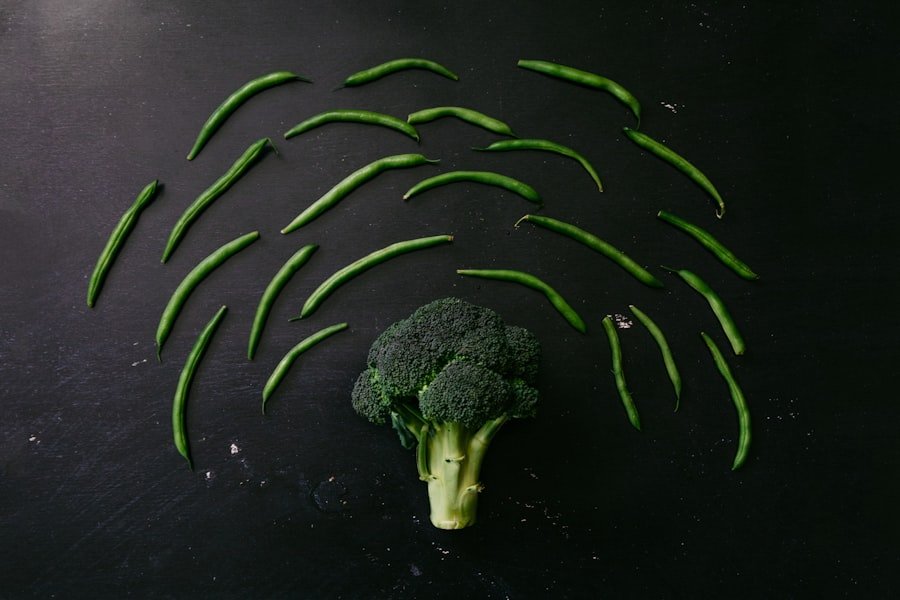
The general recommendation for spacing broccoli plants is to place them 18 to 24 inches apart in rows that are 24 to 36 inches apart. This spacing allows for sufficient room for each plant to develop its head while also providing adequate airflow between plants. For home gardeners with limited space, a tighter spacing of around 12 to 18 inches may be feasible, particularly if you are growing smaller varieties or if you plan to harvest the plants at a younger stage.
When planting in raised beds or intensive gardening systems, it is essential to consider the layout carefully.
For example, you might plant one broccoli plant per square foot in a raised bed designed for intensive gardening. This method maximizes space while ensuring that each plant has enough room to grow without excessive competition.
Importance of Adequate Air Circulation for Broccoli Plants
| Factors | Importance |
|---|---|
| Air Circulation | Crucial for preventing fungal diseases and promoting healthy growth |
| Temperature Regulation | Helps maintain optimal temperature for broccoli plants |
| Moisture Control | Assists in preventing waterlogged soil and reducing risk of root rot |
| Pest Prevention | Supports in reducing pest infestations and damage to the plants |
Air circulation is a critical aspect of plant health that is often overlooked by gardeners. Adequate airflow around broccoli plants helps to reduce humidity levels in the foliage, which can minimize the risk of fungal diseases such as downy mildew and powdery mildew. When plants are spaced too closely together, air circulation is restricted, creating a microenvironment that is conducive to disease development.
This can lead to significant losses in yield and quality if not addressed promptly. Furthermore, good air circulation contributes to overall plant vigor by allowing for better transpiration rates. Transpiration is the process by which plants release water vapor into the atmosphere through small openings called stomata.
This process not only helps regulate temperature within the plant but also facilitates nutrient uptake from the soil. By ensuring that broccoli plants are adequately spaced, gardeners can promote healthy growth and reduce the likelihood of disease outbreaks.
The Impact of Plant Spacing on Broccoli Yield and Quality
The relationship between plant spacing and yield is well-documented in agricultural research. Studies have shown that optimal spacing can lead to increased head size and improved quality of broccoli florets. When plants are spaced appropriately, they have access to more sunlight and nutrients, which translates into larger heads with better flavor and texture.
Conversely, overcrowded plants often produce smaller heads that may be less appealing both visually and gastronomically. In addition to affecting yield quantity and quality, plant spacing can also influence the timing of harvest. Broccoli plants that are spaced too closely may mature at different rates due to competition for resources, leading to uneven harvests.
This can complicate the harvesting process and result in some heads being overripe while others are still immature. By adhering to recommended spacing guidelines, gardeners can achieve a more uniform crop that is easier to manage during the harvest season.
Strategies for Adjusting Plant Spacing in Limited Garden Space

For gardeners working with limited space, adjusting plant spacing becomes a necessity rather than an option. One effective strategy is to utilize vertical gardening techniques, which allow for increased production without requiring additional ground space. By using trellises or other support structures, gardeners can grow broccoli vertically while maintaining adequate spacing between plants at the base.
Another approach is to implement succession planting, where crops are planted at staggered intervals throughout the growing season. This method allows gardeners to maximize their available space by ensuring that new plants are introduced as older ones are harvested. For example, after harvesting an early crop of broccoli, a gardener could immediately replant with a new batch of seedlings in the same space, effectively utilizing every inch of their garden throughout the season.
How to Calculate Plant Spacing for Broccoli
Calculating plant spacing for broccoli involves understanding both the recommended distances and the specific layout of your garden. To begin with, determine how much space you have available for planting and decide on the number of plants you wish to grow. Once you have this information, you can use simple math to calculate how many rows you can fit into your garden area while adhering to recommended spacing guidelines.
For instance, if you have a garden bed that is 4 feet wide and you plan to space your rows 24 inches apart, you could fit two rows within that width (4 feet = 48 inches; 48 inches ÷ 24 inches = 2 rows). If you then decide to space your plants 18 inches apart within each row, you can calculate how many plants will fit in each row based on its length. If your row is 10 feet long (120 inches), you would divide that length by 18 inches (120 ÷ 18 ≈ 6.67), meaning you could fit approximately six plants per row.
Tips for Maintaining Optimal Plant Spacing Throughout the Growing Season
Maintaining optimal plant spacing throughout the growing season requires vigilance and proactive management practices. Regularly monitoring plant growth is essential; as broccoli develops, it may become necessary to thin out seedlings or young plants that are too close together. Thinning should be done carefully to avoid damaging neighboring plants while ensuring that each remaining plant has enough room to thrive.
Organic mulches such as straw or wood chips not only help retain soil moisture but also create a barrier against weeds that could encroach on valuable growing space. Regularly checking for signs of disease or pest infestations is also crucial; if any issues arise, addressing them promptly can prevent further complications related to overcrowding or resource competition.
Common Mistakes to Avoid when Spacing Broccoli Plants
One common mistake made by novice gardeners is underestimating the size that broccoli plants will reach at maturity. Many new growers may plant seedlings too closely together out of a desire to maximize their yield in a limited space without considering how large each plant will grow over time. This oversight can lead to significant issues with competition for light and nutrients as the plants mature.
Another frequent error involves neglecting to account for variations in growth habits among different broccoli varieties. Gardeners may assume that all types require similar spacing without recognizing that some varieties may need more room than others due to their size or growth characteristics. It’s essential to research specific varieties before planting and adjust spacing accordingly to avoid overcrowding issues later on.
Adjusting Plant Spacing for Different Varieties of Broccoli
Different varieties of broccoli exhibit unique growth patterns and sizes, necessitating adjustments in plant spacing based on these characteristics. For instance, standard heading varieties like ‘Calabrese’ typically require more space than smaller sprouting types such as ‘Broccolini.’ When planning your garden layout, it’s important to consider these differences; larger varieties may need 24 inches between plants while smaller ones could thrive with just 12 inches apart. Additionally, some hybrid varieties have been bred specifically for compact growth habits or early maturity, allowing them to be planted closer together without sacrificing yield or quality.
Understanding these distinctions enables gardeners to optimize their planting strategies based on the specific types they choose to cultivate.
The Importance of Optimal Plant Spacing for Broccoli Growth and Development
Optimal plant spacing is a fundamental aspect of successful broccoli cultivation that directly influences growth patterns, yield potential, and overall plant health. By considering factors such as variety selection, growing conditions, air circulation needs, and common mistakes made by gardeners, one can make informed decisions about how best to space their broccoli plants for maximum productivity. As home gardening continues to gain popularity among individuals seeking fresh produce and sustainable practices, understanding the intricacies of plant spacing will remain an essential skill for both novice and experienced growers alike.
By implementing best practices in spacing techniques tailored specifically for broccoli cultivation, gardeners can enjoy bountiful harvests while contributing positively to their local ecosystems through responsible gardening practices.
FAQs
What is the recommended spacing for planting broccoli?
The recommended spacing for planting broccoli is 18-24 inches apart in rows that are 24-36 inches apart.
Why is it important to space broccoli plants properly?
Proper spacing allows for adequate air circulation and sunlight exposure, which helps prevent diseases and promotes healthy growth.
What happens if broccoli plants are spaced too closely together?
If broccoli plants are spaced too closely together, they may compete for nutrients and water, leading to stunted growth and smaller heads.
Can I plant broccoli closer together if I plan to harvest the leaves instead of the heads?
Yes, if you plan to harvest the leaves instead of the heads, you can plant broccoli plants closer together, about 12-18 inches apart.
How can I ensure proper spacing when planting broccoli?
You can ensure proper spacing when planting broccoli by measuring and marking the planting spots before planting, and then thinning out any overcrowded plants as they grow.