How to Plant Yukon Gold Potatoes for a Healthy Home Garden Harvest
Last updated: May 22, 2026
Planting Yukon Gold potatoes is simple when you control the basics: sunlight, soil drainage, seed quality, spacing, water, and hilling. This guide shows you how to plant Yukon Gold potatoes in a home garden, care for the plants through the season, harvest at the right time, and store the tubers without losing quality.
Key Takeaways
- Choose a full-sun location with loose, well-drained soil.
- Plant only certified seed potatoes, not grocery-store potatoes.
- Use seed pieces with at least one eye, but two or three eyes are better.
- Space seed pieces 10 to 12 inches apart and plant them 3 to 5 inches deep.
- Keep soil moist, not soggy, especially when tubers are forming.
- Hill soil or mulch around plants to protect tubers from sunlight.
- Harvest new potatoes after 6 to 8 weeks, or wait for mature potatoes after the vines die back.
- Store cured potatoes in a cool, dark, ventilated place.
Yukon Gold Potato Planting Requirements
| Requirement | Best Target | Why It Matters |
|---|---|---|
| Sunlight | At least 6 hours daily, 8 hours is better | Strong sun supports healthy leaves and better tuber growth. |
| Soil | Loose, fertile, and well-drained | Loose soil helps tubers expand without becoming misshapen. |
| Soil pH | About 5.8 to 6.5 for most home gardens | The right pH helps nutrient uptake and reduces common soil problems. |
| Planting temperature | Soil at least 45°F to 50°F | Cold, wet soil can delay growth and increase seed-piece rot. |
Choose the Best Location for Planting Yukon Gold Potatoes
Select a sunny, open location before you prepare the soil. Yukon Gold potatoes need full sun for strong leaf growth, which helps the plants feed developing tubers below the soil.
Choose a site that drains well after rain. Avoid low spots where water sits, because wet soil can cause seed pieces and roots to rot. A slightly raised bed, garden row, or container with drainage holes works better than compacted ground.
Wind protection can also help. Strong wind can dry out soil, bend stems, and damage young plants. You do not need a fully enclosed space, but a garden bed near a fence, hedge, or taller crop can reduce wind stress.
Rotate your potato bed each year. Do not plant potatoes where you recently grew potatoes, tomatoes, peppers, or eggplants. These crops are in the same plant family and can share some pest and disease problems.
Preparing the Soil for Yukon Gold Potatoes
Once you choose the location, loosen the soil before planting. Yukon Gold potatoes grow best in soil that lets roots and tubers expand easily. Work the soil 10 to 12 inches deep and break up hard clumps.
Add finished compost or well-rotted manure before planting. Organic matter improves soil structure, holds moisture more evenly, and adds slow-release nutrients. Avoid fresh manure because it can burn roots and may increase disease risk.
Test the soil pH if possible. A pH around 5.8 to 6.5 is a strong target for most home gardens. If potato scab is a regular problem in your area, ask your local extension office whether a lower pH target is better for your soil.
Remove weeds, rocks, and large debris from the planting row. Weeds compete with potato plants for water and nutrients, and rocks can cause misshapen tubers.
Selecting and Preparing Yukon Gold Potato Seed
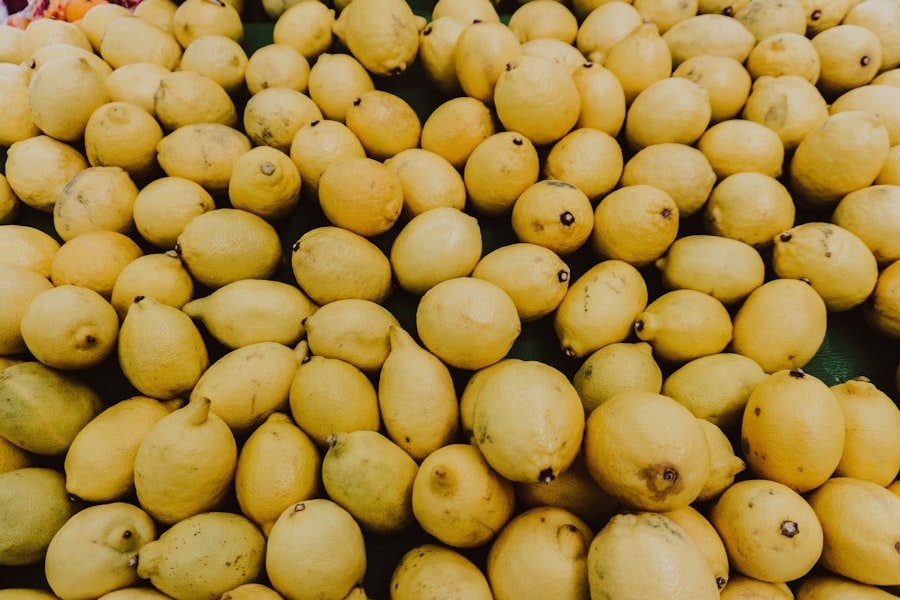
Choose certified seed potatoes from a reputable supplier. Certified seed potatoes reduce the risk of carrying diseases into your garden. Avoid using grocery-store potatoes because they were grown for eating, not seed use, and may carry hidden disease.
Look for firm Yukon Gold seed potatoes with smooth skin and no soft spots, mold, deep cuts, or shriveled areas. Small whole seed potatoes can often be planted without cutting. Larger seed potatoes can be cut into pieces.
Each seed piece should have at least one healthy eye, but two or three eyes are better. Cut pieces with a clean knife, then let them dry at room temperature for a few days. This drying period forms a protective callus over the cut surface and helps reduce rot after planting.
You can also green-sprout seed potatoes before planting. Keep whole tubers in a dim area until short sprouts form, then expose them to light so the sprouts stay short and sturdy. Handle sprouted pieces gently so you do not break the shoots.
Products Worth Considering

VARIETY TYPE: Yukon Gold is a determinate potato variety, meaning tubers form in one main layer near the seed piece and mature uniformly for a concentrated harvest window, ideal for home gardens and raised beds

Whole Certified Seed Tubers Grown And Raised In the USA Are Non GMO So Can Be Grown Organicaly

Planting Yukon Gold Potatoes: Spacing and Depth
| Planting Detail | Recommended Range | Best Use |
|---|---|---|
| Seed piece spacing | 10 to 12 inches apart | Good all-purpose spacing for home gardens |
| Row spacing | 30 to 36 inches apart | Leaves room for hilling, weeding, and airflow |
| Planting depth | 3 to 5 inches deep | Protects seed pieces while keeping emergence easy |
Plant Yukon Gold seed pieces cut side down, with the eyes facing up. Cover them with soil and firm the row gently with your hands. Do not pack the soil hard, because compacted soil can slow emergence and limit tuber shape.
If you want smaller new potatoes, you can plant pieces closer together. If you want larger storage potatoes, give plants more room. More space reduces competition and can help the plants produce fewer but larger tubers.
After planting, water the row gently if the soil is dry. Keep the soil damp enough for sprouting, but not soaked.
Watering and Fertilizing Yukon Gold Potatoes
Yukon Gold potatoes need steady moisture during the growing season. Moisture matters most when the plants flower and tubers begin to enlarge. Dry soil during this stage can lead to small, rough, hollow, or misshapen potatoes.
A good target is about 1 inch of water per week from rain or irrigation. Sandy soil may need more frequent watering because it dries faster. Clay soil may need less frequent watering because it holds moisture longer.
Water deeply instead of sprinkling lightly every day. Soaker hoses or drip irrigation work well because they deliver water near the roots and keep leaves drier. Wet leaves can raise the risk of fungal disease.
Use fertilizer based on a soil test when possible. Potatoes need good nutrition, but too much nitrogen can grow large tops while reducing tuber quality. Mix compost into the soil before planting, then side-dress only if the plants show slow growth or your soil test recommends it.
Products Worth Considering

NO MORE HARD INSTALLATION - SET UP IN MINUTES. Tired of struggling with stiff barbed fittings? This drip irrigation system features quick-connect fittings that let you push, lock, and secure tubing effortlessly. No tools, no leaks, just a smooth setup experience. Enjoy a frustration-free installation and get your garden watering system running in minutes.

1.0 gallon per hour pressure-compensating emitter delivers same uniform flow rate from beginning to end of tubing runs
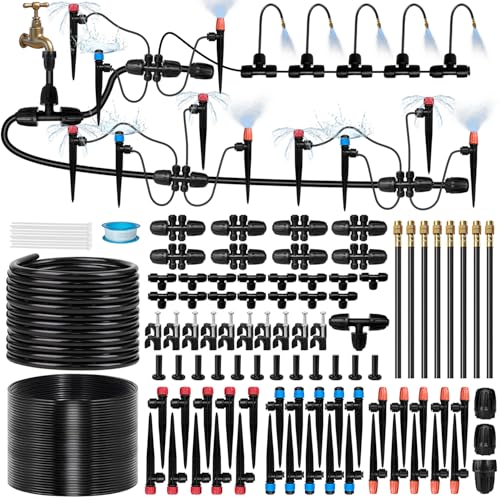
【Upgraded Tube Design & Water Saving】 Our garden watering system is upgraded to 1/2” diameter to support high water pressure. The 1/2” tee connector allows seamless splitting into 2 independent zones for customized watering schedules. By delivering moisture directly to root zones, this drip Irrigation system significantly reduces evaporation and runoff—saving more water compared to conventional sprinklers while eliminating the need for manual watering.
Mulching and Hilling Yukon Gold Potatoes
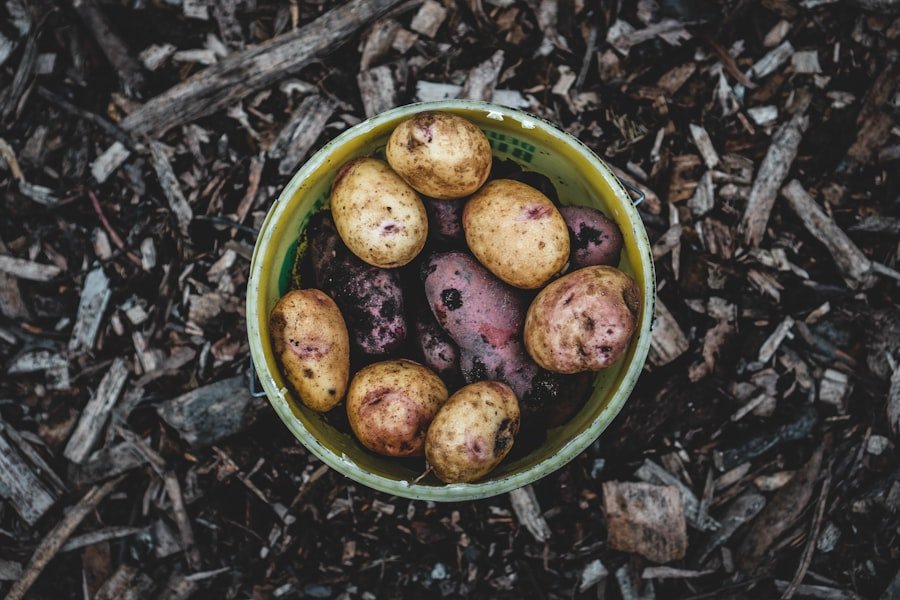
Mulch helps keep soil cool, slows moisture loss, and reduces weed pressure. Straw, shredded leaves, or clean grass clippings can work well as long as they are free from herbicide residue and weed seeds.
Hilling is the process of pulling soil or mulch around the base of potato plants as they grow. It protects developing tubers from sunlight. Tubers exposed to light can turn green and develop bitter glycoalkaloids.
Start hilling when plants are about 8 to 12 inches tall. Pull loose soil around the stems, leaving several inches of leafy growth above the hill. Repeat once or twice during the season until you have added about 6 to 8 inches of soil or mulch around the plants.
Do not bury the whole plant. The goal is to cover the lower stems and protect shallow tubers while keeping enough leaves exposed for photosynthesis.
Protecting Yukon Gold Potatoes from Pests and Diseases
Yukon Gold potatoes can face several common potato pests and diseases. Check plants at least once a week, especially the undersides of leaves. Early action usually works better than waiting until the damage spreads.
| Problem | What to Look For | Best First Step |
|---|---|---|
| Colorado potato beetles | Orange egg clusters, striped adults, red larvae, chewed leaves | Handpick beetles and eggs early, then use row covers before flowering. |
| Flea beetles | Small holes in leaves, most often on young plants | Use row covers early and keep plants growing strongly. |
| Common scab | Rough, corky patches on tuber skin | Use certified seed, rotate crops, and manage soil pH based on local advice. |
| Early or late blight | Leaf spots, yellowing, dark lesions, rapid plant decline | Improve airflow, avoid overhead watering, and remove infected plant debris. |
Crop rotation is one of the simplest prevention steps. Move potatoes to a different bed each year and avoid planting them after other nightshade crops. Good airflow also helps, so do not crowd plants or let weeds fill the row.
If disease symptoms spread quickly, contact your local cooperative extension office. Local guidance matters because pest pressure, disease timing, and approved controls vary by region.
Products Worth Considering

Comprehensive Winter Protection for Your Garden: Our outdoor plant covers provide complete freeze protection for strawberries, vegetables, tomatoes, fruit trees, citrus plants, shrubs, and potted plants throughout the winter. This frost cloth plant freeze protection shields delicate plants from sudden temperature drops, frost, and strong winds, ensuring they survive harsh winter conditions. Ideal for those looking for frost blankets for outdoor plants and reliable plant freeze protection covers.
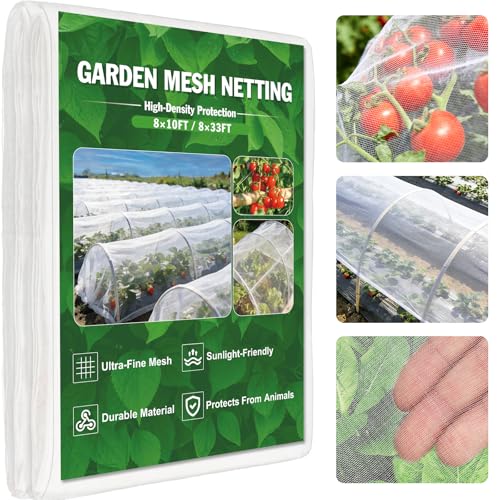
【Upgraded Fine Mesh Netting】This fine mesh garden netting uses 0.7*0.8mm high-density garden insect netting to block, birds, and small animals, offering reliable plant protection netting for vegetables and flowers

Monitoring and Maintaining Yukon Gold Potatoes
Check your Yukon Gold potato plants every few days once they start growing. Look for yellowing leaves, holes in foliage, wilting, broken stems, and soil cracks near the base of the plant.
Soil cracks can mean tubers are forming near the surface. Add soil or mulch before sunlight reaches the potatoes. This step helps prevent greening.
Keep weeds under control with shallow cultivation. Do not dig deeply near the plants because potato roots and young tubers can sit close to the surface.
Watch the weather, too. Young plants may recover from light frost, but hard freezes can damage growth and reduce yield. In hot weather, mulch helps keep the soil cooler and more evenly moist.
Harvesting Yukon Gold Potatoes
You can harvest Yukon Gold potatoes in two stages. For new potatoes, check around the plants 6 to 8 weeks after planting, often after flowering begins. Gently move soil aside and take a few small tubers without pulling the whole plant.
For mature potatoes, wait until the foliage yellows and dies back. Yukon Gold is an early-to-medium maturing variety, and mature harvest often happens around 90 to 100 days after planting, depending on climate, planting date, and soil conditions.
If you plan to store the potatoes, let them sit in the ground for about two weeks after the tops die back, as long as the soil is not too wet. This helps the skins set, which reduces bruising and storage rot.
Use a garden fork or spade to loosen the soil several inches away from each plant. Lift carefully so you do not cut or spear the tubers. Brush off loose soil after harvest, but do not wash potatoes before storage.
Storing Yukon Gold Potatoes
Proper storage keeps harvested Yukon Gold potatoes firm and usable for longer. Cure storage potatoes for 10 to 14 days in a dark place with moderate temperature and good humidity. Curing helps small harvest wounds heal.
After curing, move the potatoes to a cool, dark, ventilated space. A temperature around 40°F to 50°F works well for storage. Keep potatoes out of direct light because light exposure can cause greening.
Green portions on potatoes are linked with bitter glycoalkaloids. Cut away small green areas before cooking. If a potato is heavily green, soft, moldy, or badly sprouted, discard it.
Do not store potatoes in sealed plastic bags. Use ventilated boxes, baskets, paper bags, or mesh bags. Check stored potatoes every week and remove any soft or rotting tubers before they affect the rest.
Tips for Success in Planting Yukon Gold Potatoes
Start with healthy seed potatoes, loose soil, and steady moisture. Those three choices prevent many common problems before they start.
Do not over-fertilize with nitrogen. Large green plants may look healthy, but too much nitrogen can delay tuber development. Use compost and soil-test guidance instead of guessing.
Hill before tubers reach the soil surface. Once potatoes turn green, you cannot reverse that greening. Preventing sunlight exposure is easier than fixing the problem later.
Keep records each season. Write down your planting date, harvest date, spacing, fertilizer use, pest problems, and yield. This helps you adjust your timing and care for your own climate.
For the most accurate local advice, use your cooperative extension service. Local experts can help with planting dates, soil test interpretation, disease pressure, and pest control options for your area.
Yukon Gold Potato Planting Checklist
- Choose a full-sun, well-drained garden bed.
- Loosen soil 10 to 12 inches deep.
- Add compost or well-rotted organic matter.
- Use certified Yukon Gold seed potatoes.
- Cut large seed potatoes into pieces with at least one eye.
- Let cut seed pieces dry for a few days before planting.
- Plant pieces 10 to 12 inches apart and 3 to 5 inches deep.
- Keep rows 30 to 36 inches apart.
- Water deeply when soil begins to dry.
- Hill plants when they reach 8 to 12 inches tall.
- Harvest new potatoes after 6 to 8 weeks, or mature potatoes after vines die back.
- Cure and store mature potatoes in a cool, dark, ventilated place.
FAQs
What are Yukon Gold potatoes?
Yukon Gold potatoes are a yellow-fleshed potato variety known for thin skin, a creamy texture, and a buttery flavor. They work well for boiling, baking, roasting, and mashing. They are popular in home gardens because they mature earlier than many storage potato varieties.
When is the best time to plant Yukon Gold potatoes?
Plant Yukon Gold potatoes in spring once the soil reaches at least 45°F to 50°F and is dry enough to work. Do not plant into cold, wet soil. In mild regions, planting may begin earlier. In colder regions, wait until the soil warms.
Can I plant Yukon Gold potatoes from the grocery store?
It is better to use certified seed potatoes. Grocery-store potatoes may carry hidden disease, and some may be treated to reduce sprouting. Certified seed potatoes give you a cleaner, more reliable start.
How do I prepare the soil for planting Yukon Gold potatoes?
Loosen the soil 10 to 12 inches deep and mix in finished compost. Remove weeds, rocks, and hard clumps. Aim for fertile, well-drained soil with a pH around 5.8 to 6.5 unless your local extension office recommends a different target.
How deep should I plant Yukon Gold potatoes?
Plant Yukon Gold seed pieces about 3 to 5 inches deep. Place the cut side down and the eyes facing up. Cover the pieces with soil, then water gently if the row is dry.
How far apart should Yukon Gold potatoes be planted?
Space seed pieces about 10 to 12 inches apart in rows that are 30 to 36 inches apart. Closer spacing can produce smaller potatoes. Wider spacing can help produce larger tubers with better airflow between plants.
How often should I water Yukon Gold potatoes?
Give Yukon Gold potatoes about 1 inch of water per week from rain or irrigation. Water deeply when the soil starts to dry several inches down. Keep the soil moist during flowering and tuber formation, but avoid soggy conditions.
Do Yukon Gold potatoes need hilling?
Yes. Hilling covers the lower stems and protects forming tubers from sunlight. Start when plants reach about 8 to 12 inches tall. Repeat once or twice as the plants grow, leaving the upper leaves exposed.
When and how do I harvest Yukon Gold potatoes?
For new potatoes, check the soil 6 to 8 weeks after planting. For mature potatoes, wait until the vines yellow and die back. Loosen the soil with a garden fork and lift the tubers carefully to avoid cuts and bruises.
How should I store Yukon Gold potatoes after harvest?
Cure mature potatoes in a dark, ventilated place for 10 to 14 days. Then store them in a cool, dark, ventilated area around 40°F to 50°F. Do not wash them before storage, and remove any soft, green, or rotting potatoes.
Sources Used
- University of Minnesota Extension: Growing potatoes in home gardens
- University of Maryland Extension: Growing Potatoes in a Home Garden
- NC State Extension: Pests of Potato
- Canadian Food Inspection Agency: Yukon Gold potato variety profile
- UF/IFAS Extension: Yukon Gold Potato Variety Trials Spotlight