How to Grow Ancho Peppers
What’s in This Article
- What Ancho Peppers Are
- Before You Begin
- Choosing the Right Location for Growing Ancho Peppers
- Preparing the Soil for Ancho Pepper Cultivation
- Planting Ancho Pepper Seeds or Seedlings
- Step-by-Step Ancho Pepper Growing Guide
- Watering and Fertilizing Ancho Pepper Plants
- Providing the Right Support for Ancho Pepper Plants
- Managing Pests and Diseases in Ancho Pepper Plants
- Pruning and Harvesting Ancho Peppers
- Storing and Using Ancho Peppers
- Common Mistakes to Avoid When Growing Ancho Peppers
- Frequently Asked Questions
Ancho peppers give you rich flavor without harsh heat, but you need to grow the right pepper first. You grow poblano peppers, let them mature, and then dry them into anchos.
This guide shows you how to choose a site, prepare soil, plant seeds or seedlings, care for the plants, harvest ripe poblanos, and dry them for cooking. You’ll also learn how to avoid the mistakes that weaken pepper plants and reduce yields.
Quick Answer
To grow ancho peppers, plant poblano seeds or seedlings in warm, well-drained soil with full sun. Keep the soil evenly moist, feed lightly after flowering starts, and harvest full-size red poblanos. Dry the ripe peppers until they turn leathery, dark, and wrinkled.
Key Takeaways
- Grow poblano peppers if you want to make true ancho peppers at home.
- Choose a sunny spot with warm, well-drained soil and steady airflow.
- Start seeds indoors before your last frost, or transplant healthy seedlings after frost danger passes.
- Water deeply and consistently, but never let the roots sit in soggy soil.
- Harvest mature red poblanos, then dry them until they become dark, wrinkled, and leathery.
What Ancho Peppers Are
Ancho peppers are dried mature poblano peppers. Fresh poblanos usually start green, then mature toward red or dark red before you dry them.
Once dried, the peppers turn dark reddish-brown to almost black. Their skin becomes wrinkled, and their flavor becomes deeper, sweeter, and more concentrated.
Ancho peppers usually have mild heat, often listed around 1,000 to 2,000 Scoville Heat Units (SHU). Their flavor often has smoky, fruity, raisin-like, and mild chocolate notes.
Note: You do not grow a separate ancho pepper plant, because ancho peppers come from dried mature poblanos.
Before You Begin
Ancho pepper growing works best when you plan for a full warm season. Peppers dislike cold soil, cold nights, and wet roots.
Estimated active time: 3 to 4 hours across the season for planting, watering, feeding, staking, pruning, and harvesting.
Estimated growing time: Many poblano-type peppers need about 70 to 90 days after transplanting, but weather and variety can change the timing.
What You’ll Need
- Poblano pepper seeds or healthy seedlings
- Seed-starting mix if you start seeds indoors
- Compost or well-rotted manure
- Balanced vegetable fertilizer
- Mulch, such as straw or shredded leaves
- Stakes, soft ties, or tomato cages
- Pruning shears or clean scissors
- Drying rack, dehydrator, or warm drying space
Choosing the Right Location for Growing Ancho Peppers
Select a warm, sunny location before you plant. Pepper plants need at least six to eight hours of direct sunlight each day for strong growth and better fruit production.
Choose a site with good drainage because standing water can damage roots and encourage disease. A raised bed works well if your garden soil stays wet after rain.
Look for a spot with some protection from strong wind. Wind can bend stems, dry the soil too fast, and stress young transplants.
Peppers grow best when daytime temperatures stay warm and nights stay mild. If your climate stays cool in spring, start seeds indoors and wait until frost danger passes before transplanting.
Avoid planting peppers in a bed that recently held tomatoes, eggplants, potatoes, or other peppers. These crops belong to the nightshade family and can share some pest and disease problems.
You can grow herbs and flowers near peppers for garden diversity, but don’t rely on companion planting as your only pest control method. Regular plant checks matter more.
Preparing the Soil for Ancho Pepper Cultivation
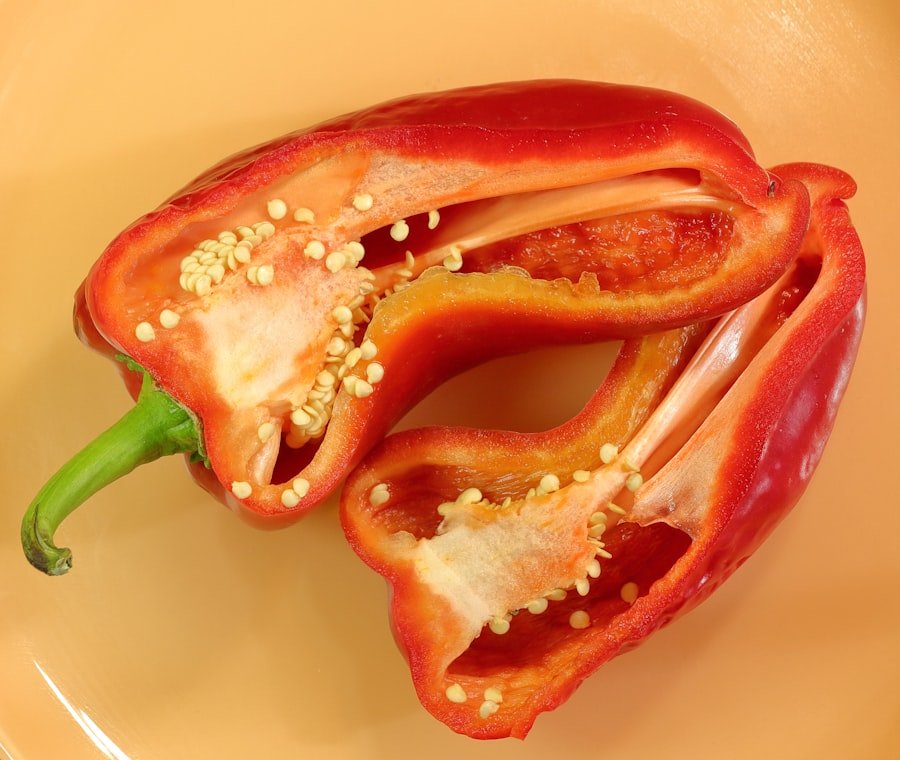
Prepare loose, fertile soil before planting your ancho pepper crop. Peppers grow well in warm, well-drained soil with moderate fertility and a slightly acidic to near-neutral pH.
Many extension guides recommend a soil pH near 6.0 to 6.8 for peppers. A soil test can show your soil pH, organic matter level, and key nutrients before you add fertilizer.
Use the soil test results to guide your compost, lime, and fertilizer choices instead of guessing.
Mix compost or well-rotted manure into the top few inches of soil before planting. Organic matter improves drainage, supports soil life, and helps the soil hold moisture without becoming soggy.
Do not work the soil when it feels wet and sticky. Wet soil compacts easily, which makes it harder for pepper roots to spread and take up water.
After you prepare the bed, let the soil settle for a few days before transplanting. This short pause helps moisture and amendments spread more evenly through the planting area.
Planting Ancho Pepper Seeds or Seedlings
| Stage | Time | Depth | Spacing | Temperature |
|---|---|---|---|---|
| Seeds | Indoors 8-10 weeks before last frost | 1/4 inch | 18-24 inches after transplanting | Warm seed-starting mix, about 75-85°F |
| Seedlings | After frost danger passes | Same depth as container | 18-24 inches | Warm days and nights above 60°F are best |
You can start ancho peppers from seeds, or you can buy poblano seedlings from a nursery. Seeds give you more variety choices, while seedlings save time.
If you start seeds indoors, sow them about 1/4 inch deep in a seed-starting mix. Keep the mix warm and lightly moist, not soaked.
Place seedlings under bright light after they sprout. Weak light causes thin, stretched plants that struggle after transplanting.
Before planting outdoors, harden off seedlings for about a week. Move them outside for a short time each day, then increase the time slowly so they adjust to wind, sun, and outdoor temperatures.
When you transplant, dig a hole deep enough for the root ball. Set each plant at the same soil depth it had in the container.
Water thoroughly after planting so the soil settles around the roots.
Step-by-Step Ancho Pepper Growing Guide
- Start poblano seeds indoors 8-10 weeks before your last expected frost date.
- Keep seedlings warm, bright, and evenly moist until they grow sturdy stems.
- Harden seedlings outdoors for about one week before transplanting.
- Transplant seedlings into full sun after frost danger passes and the soil warms.
- Space plants 18-24 inches apart so air can move around the leaves.
- Water deeply and consistently, aiming for about 1-2 inches of water each week.
- Feed lightly at planting and again when flowers begin to form.
- Support plants with stakes or cages before heavy fruit bends the stems.
- Harvest mature red poblanos when they reach full size and firm texture.
- Dry the ripe peppers until they turn dark, wrinkled, and leathery.
Watering and Fertilizing Ancho Pepper Plants
Peppers need steady moisture, especially during flowering and fruit set. Most garden peppers need about 1-2 inches of water each week from rain or irrigation.
Water at the base of the plant when possible. Wet leaves can raise disease risk, especially when plants stay damp overnight.
Pro tip: Use drip irrigation or a soaker hose to keep roots moist while keeping leaves drier.
Mulch can help your soil hold moisture and reduce weeds. Wait until the soil warms before you add thick organic mulch, since early mulch can keep spring soil too cool.
Feed plants with compost and a balanced vegetable fertilizer. If your soil test shows enough nutrients, you may need less fertilizer than the package suggests.
Avoid too much nitrogen after flowers appear. Excess nitrogen can push leafy growth and reduce fruit production.
Warning: Do not keep pepper roots in soggy soil, because wet roots can lead to rot and plant decline.
Providing the Right Support for Ancho Pepper Plants
Ancho pepper plants often grow as bushy, upright plants, but heavy fruit can still bend the stems. Support helps keep fruit off the ground and improves airflow.
Use a stake, pepper cage, or small tomato cage when you transplant. Early support prevents root disturbance later in the season.
Tie stems loosely with soft ties or garden twine. Leave space for the stem to grow, and avoid tight knots that can cut into the plant.
Check supports after storms or heavy wind. A quick adjustment can prevent snapped stems and lost fruit.
Managing Pests and Diseases in Ancho Pepper Plants
Inspect your plants at least once a week. Look under leaves and near new growth, because pests often gather in hidden spots first.
Common pepper pests include aphids, spider mites, whiteflies, armyworms, and pepper weevils in some regions. Early action works best because small pest problems spread fast.
Spray small aphid groups off with water, or use insecticidal soap when the label allows it for edible peppers. Beneficial insects such as lady beetles can also help reduce aphids.
Common pepper diseases include bacterial spot, powdery mildew, damping off, and root or crown rot. Good spacing, dry leaves, clean tools, and crop rotation reduce many disease risks.
If you see spotted leaves, yellowing, webbing, white powdery growth, or wilting, act early. Remove badly infected leaves, improve airflow, and contact your local extension office if symptoms spread.
Pruning and Harvesting Ancho Peppers
Use light pruning only when it helps airflow or removes damaged growth. Heavy pruning can stress pepper plants and reduce the leaf area that fuels fruit production.
Remove broken, diseased, or crowded stems with clean shears. Clean your tool before moving to another plant if you suspect disease.
For fresh poblanos, you can harvest fruit when it reaches full size and stays firm. For anchos, leave the peppers on the plant longer so they ripen from green toward red or dark red.
Cut ripe peppers from the plant with scissors or pruning shears. Pulling can tear branches and damage fruit that still needs time to mature.
Wear gloves if your skin reacts to peppers. Anchos taste mild, but pepper oils can still irritate sensitive skin or eyes.
Storing and Using Ancho Peppers
Freshly picked poblanos can stay in the refrigerator for about one to two weeks. Use damaged fruit first because bruised peppers spoil faster.
To make anchos, dry ripe red poblanos until they feel leathery and look dark and wrinkled. You can use a dehydrator, a low oven, or a warm, dry, well-ventilated space.
Store dried ancho peppers in an airtight container away from heat, light, and moisture. Check them often for softness, mold, or off smells.
Rehydrate dried anchos by soaking them in hot water for about 20-30 minutes. After they soften, remove stems and seeds if you want a smoother sauce.
You can blend rehydrated anchos into mole, enchilada sauce, chili, stews, marinades, and soups. You can also grind fully dried peppers into powder for spice blends.
Common Mistakes to Avoid When Growing Ancho Peppers
Poor soil preparation can limit pepper growth before plants have a fair start. Test your soil, add compost, and fix drainage issues before planting.
Overwatering causes many pepper problems. Deep, less frequent watering works better than constant shallow watering in most garden beds.
Planting too early can stunt peppers. Wait for warm soil and safe night temperatures instead of rushing plants into cold spring weather.
Overcrowding reduces airflow and raises disease risk. Space plants far enough apart so each plant gets sun and air around the leaves.
Too much nitrogen can create large plants with fewer peppers. Feed for balanced growth, then avoid heavy nitrogen once flowering begins.
Tips for Successful Ancho Pepper Cultivation
Choose seeds or seedlings from a reliable source. Healthy plants give you the best chance of strong roots, steady growth, and good fruit quality.
Check soil moisture with your finger before watering. Water when the top inch starts to feel dry, but avoid letting the root zone dry out fully during flowering.
Watch plants closely during hot spells. High heat, dry soil, and wind can cause flower drop and fewer peppers.
Harvest often when peppers reach your target stage. Regular harvesting keeps the plant productive, while delayed harvests help fruit ripen for drying.
Frequently Asked Questions
What are ancho peppers?
Ancho peppers are dried mature poblano peppers. They have mild heat and a sweet, smoky, fruity flavor that works well in Mexican sauces, stews, and marinades.
How do you grow ancho peppers?
Grow poblano peppers in full sun, warm soil, and a well-drained bed. Keep the plants evenly moist, support heavy stems, and let the fruit mature before drying it into anchos.
When is the best time to plant ancho pepper seeds?
Start seeds indoors about 8-10 weeks before your last expected frost. Transplant seedlings outdoors after frost danger passes and the soil has warmed.
How long does it take for ancho peppers to mature?
Many poblano-type peppers mature in about 70 to 90 days after transplanting, but the exact time depends on variety and weather. Peppers grown for drying need extra time to ripen fully.
What pests and diseases affect ancho pepper plants?
Aphids, spider mites, whiteflies, and pepper weevils may affect pepper plants. Diseases such as bacterial spot, powdery mildew, damping off, and root rot can also cause problems.
How do you harvest ancho peppers?
Harvest full-size mature poblanos when they turn red or dark red and still feel firm. Cut them from the plant, then dry them until they become dark, wrinkled, and leathery.
Final Thoughts on Growing Ancho Peppers
The key to growing ancho peppers is simple: grow healthy poblanos first, then let ripe fruit dry into anchos. Start with warm soil, steady water, good spacing, and regular plant checks.
Your next step is to choose a sunny bed or container and plan your seed-starting date around your last frost. With patient care, you can harvest peppers that bring mild heat and deep flavor to your kitchen.
References
- Ancho Definition — Merriam-Webster, updated 2026
- Chile Terminology — New Mexico State University Chile Pepper Institute
- What Is an Ancho Chile Pepper? — The Spruce Eats, updated 2024
- Grow Your Own Peppers — Oregon State University Extension
- How to Grow Peppers – Part 2 — Michigan State University Extension, 2016
- Garden Peppers — University of Nebraska-Lincoln Extension
- Peppers: Pest and Disease Identification — University of California Statewide IPM Program