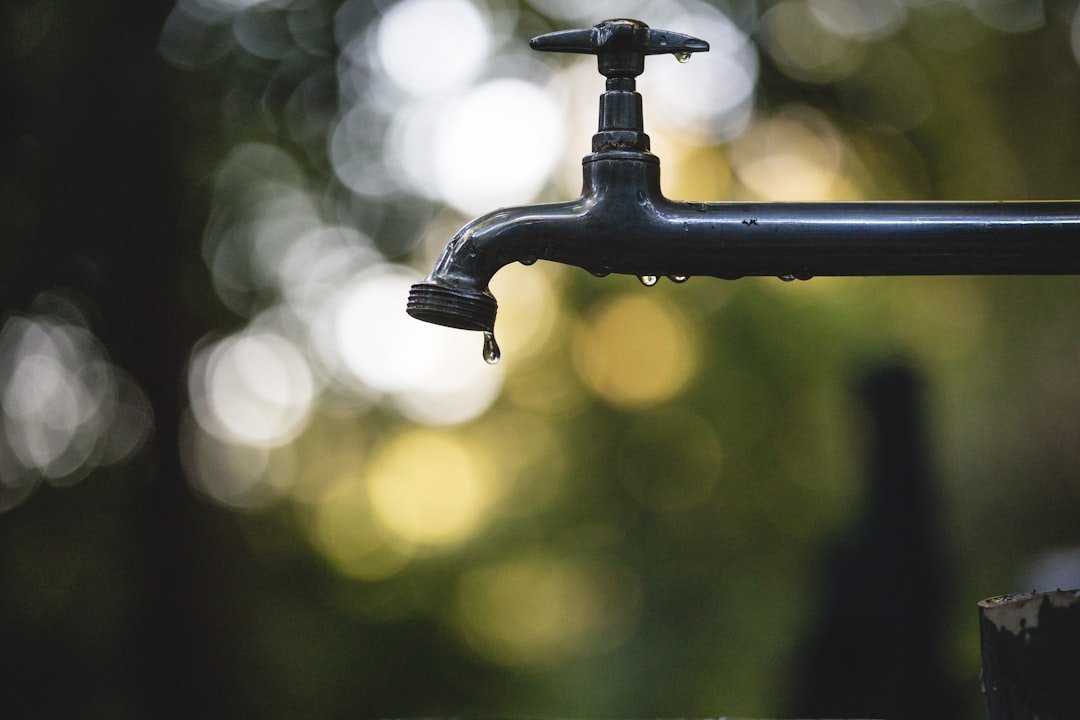
Drip irrigation is a method of delivering water directly to the roots of plants through a system of tubing, emitters, and valves. This technique has gained popularity among gardeners and farmers alike due to its numerous advantages over traditional irrigation methods. One of the most significant benefits of drip irrigation is its efficiency in water usage.
By targeting the root zone of plants, drip systems minimize evaporation and runoff, ensuring that more water reaches the plants where it is needed most. This precision not only conserves water but also reduces the overall cost associated with water usage, making it an economically viable option for both small-scale gardeners and large agricultural operations. In addition to water conservation, drip irrigation promotes healthier plant growth.
By providing a consistent and controlled supply of moisture, plants are less likely to experience stress from overwatering or underwatering. This steady moisture level encourages deeper root growth, which can enhance a plant’s resilience to drought conditions. Furthermore, because the water is delivered directly to the soil, there is a reduced risk of fungal diseases that can arise from wet foliage, leading to healthier crops and higher yields.
The ability to customize watering schedules and amounts also allows for tailored care based on specific plant needs, further optimizing growth conditions.
Key Takeaways
- Drip irrigation conserves water by delivering it directly to the roots of plants, reducing evaporation and runoff.
- Assess your existing sprinkler system to determine if it can be easily converted to drip irrigation or if a new system is needed.
- Choose the right drip irrigation components, such as emitters, tubing, and filters, based on the specific needs of your garden or landscape.
- Plan your drip irrigation layout carefully to ensure even water distribution and coverage for all plants.
- Properly install drip irrigation emitters and tubing to ensure they are secure and positioned correctly for optimal water delivery.
Assessing Your Existing Sprinkler System
Before transitioning to a drip irrigation system, it is essential to evaluate your current sprinkler setup. Understanding the limitations and inefficiencies of your existing system can provide valuable insights into how a drip system might better serve your gardening or agricultural needs. Begin by examining the coverage area of your sprinkler system.
Are there dry spots where water fails to reach? Are certain areas oversaturated? Identifying these inconsistencies can help you determine the specific requirements for your new drip irrigation system.
Additionally, consider the water pressure and flow rate of your existing system. Drip irrigation operates best under specific pressure ranges, typically between 10 to 30 psi. If your current sprinkler system is designed for higher pressure, you may need to install a pressure regulator to ensure optimal performance of your drip system.
Furthermore, assess the types of plants you are currently growing and their individual watering needs. Some plants may require more frequent watering than others, and understanding these requirements will aid in designing an effective drip irrigation layout that caters to all your plants’ needs.
Choosing the Right Drip Irrigation Components
Selecting the appropriate components for your drip irrigation system is crucial for its success. The primary elements include tubing, emitters, connectors, filters, and pressure regulators. Tubing serves as the backbone of your system, delivering water from the source to the plants.
It is available in various diameters and lengths, allowing you to customize your setup based on your garden’s layout. For instance, 1/2-inch tubing is commonly used for main lines, while 1/4-inch tubing is ideal for branching off to individual plants. Emitters are another critical component, as they control the flow rate of water delivered to each plant.
They come in various types, including pressure-compensating emitters that maintain a consistent flow rate regardless of pressure fluctuations. This feature is particularly beneficial in sloped areas where gravity can affect water distribution. Additionally, consider incorporating filters into your system to prevent clogging from debris or sediment in the water supply.
A filter with a mesh size appropriate for your water source will help maintain the longevity and efficiency of your drip irrigation system.
Planning Your Drip Irrigation Layout
| Metrics | Value |
|---|---|
| Area to be irrigated | 1000 square meters |
| Water flow rate | 10 liters per minute |
| Pressure requirement | 1.5 – 2.0 bar |
| Number of emitters | 50 |
| Spacing between emitters | 30 centimeters |
Once you have selected the necessary components, the next step is to plan your drip irrigation layout. This process involves mapping out where each plant will be located and determining how water will be delivered to them efficiently. Start by sketching a diagram of your garden or planting area, marking the positions of all plants and any existing structures that may affect water distribution.
Consider factors such as sunlight exposure, plant height, and spacing when designing your layout. When planning the layout, it is essential to group plants with similar watering needs together. For example, succulents and drought-tolerant plants should be placed in one zone, while more moisture-loving plants can be grouped in another.
This zoning allows for more precise control over watering schedules and amounts, ensuring that each plant receives optimal care without waste. Additionally, consider incorporating a timer into your system to automate watering schedules based on seasonal changes or specific plant requirements.
Installing Drip Irrigation Emitters and Tubing
The installation process for a drip irrigation system can be straightforward if approached methodically. Begin by laying out the main tubing along the designated paths in your garden according to your planned layout. Secure the tubing in place using stakes or landscape pins to prevent movement during installation or watering.
Once the main line is established, you can begin attaching emitters at appropriate intervals based on the spacing of your plants. To install emitters, use a hole punch tool to create openings in the main tubing where each emitter will be placed. Insert the emitter into the hole and ensure it fits snugly to prevent leaks.
Depending on your garden’s design, you may also need to use 1/4-inch tubing to connect emitters to the main line for individual plants or clusters of plants. After all components are connected, run a test cycle to check for leaks and ensure that each emitter is functioning correctly before burying or covering any tubing.
Adjusting Water Pressure and Flow for Drip Irrigation
Proper water pressure and flow rate are vital for the effective operation of a drip irrigation system. As mentioned earlier, most drip systems function optimally within a pressure range of 10 to 30 psi. If your water source exceeds this range, it may be necessary to install a pressure regulator at the beginning of your system to reduce pressure levels appropriately.
This regulator will help maintain consistent flow rates across all emitters, ensuring that each plant receives adequate moisture without overwhelming them. In addition to regulating pressure, monitoring flow rates is essential for maintaining an efficient irrigation system. Each emitter has a specified flow rate measured in gallons per hour (GPH), which should align with the watering needs of your plants.
If you notice that certain areas are receiving too much or too little water during testing, adjustments can be made by changing emitter types or adding additional emitters where necessary. Regularly checking these parameters will help you fine-tune your system for optimal performance throughout the growing season.
Maintaining and Troubleshooting Your Drip Irrigation System
Maintenance is key to ensuring that your drip irrigation system continues to function effectively over time. Regular inspections should be conducted to check for clogs in emitters or tubing caused by debris or mineral buildup from hard water sources. Flushing the system periodically can help clear any blockages; simply remove emitters from their fittings and run water through the tubing until it flows freely again.
In addition to checking for clogs, inspect all connections and fittings for leaks or signs of wear. Over time, exposure to sunlight and temperature fluctuations can cause tubing materials to degrade or become brittle. Replacing damaged sections promptly will prevent further issues down the line.
If you encounter persistent problems with specific emitters or sections of tubing not delivering adequate water, consider replacing those components entirely rather than attempting repairs.
Maximizing Water Efficiency and Savings with Drip Irrigation
One of the most compelling reasons for adopting drip irrigation is its potential for maximizing water efficiency and reducing costs associated with watering gardens or crops. By delivering water directly to plant roots in precise amounts, this method minimizes waste and ensures that every drop counts. As a result, many users report significant reductions in their water bills after switching from traditional sprinkler systems.
Moreover, implementing a smart controller or timer can further enhance efficiency by automating watering schedules based on weather conditions or soil moisture levels. These advanced systems can adjust watering times in response to rainfall or changes in temperature, ensuring that plants receive just what they need without excess runoff or evaporation losses. By investing in such technology alongside a drip irrigation setup, gardeners can achieve optimal results while conserving resources and saving money over time.
FAQs
What is drip irrigation?
Drip irrigation is a method of watering plants by applying water slowly and directly to the roots of the plants. This method is more efficient than traditional sprinkler systems as it reduces water waste and evaporation.
Why convert a sprinkler system to drip irrigation?
Converting a sprinkler system to drip irrigation can save water, reduce water bills, and provide more targeted watering for plants. Drip irrigation is also beneficial for preventing weed growth and minimizing soil erosion.
How can a sprinkler system be converted to drip irrigation?
To convert a sprinkler system to drip irrigation, the existing sprinkler heads can be replaced with drip emitters or micro-sprinklers. A pressure regulator and filter may also need to be added to the system to ensure proper water flow and prevent clogging.
What are the benefits of converting to drip irrigation?
The benefits of converting to drip irrigation include water conservation, reduced water bills, improved plant health, and decreased weed growth. Drip irrigation also allows for more precise control over watering, leading to healthier and more vibrant plants.
Are there any drawbacks to converting to drip irrigation?
Some potential drawbacks of converting to drip irrigation include the initial cost of materials and installation, as well as the need for regular maintenance to ensure proper functioning of the system. Additionally, drip irrigation may not be suitable for all types of plants or landscapes.