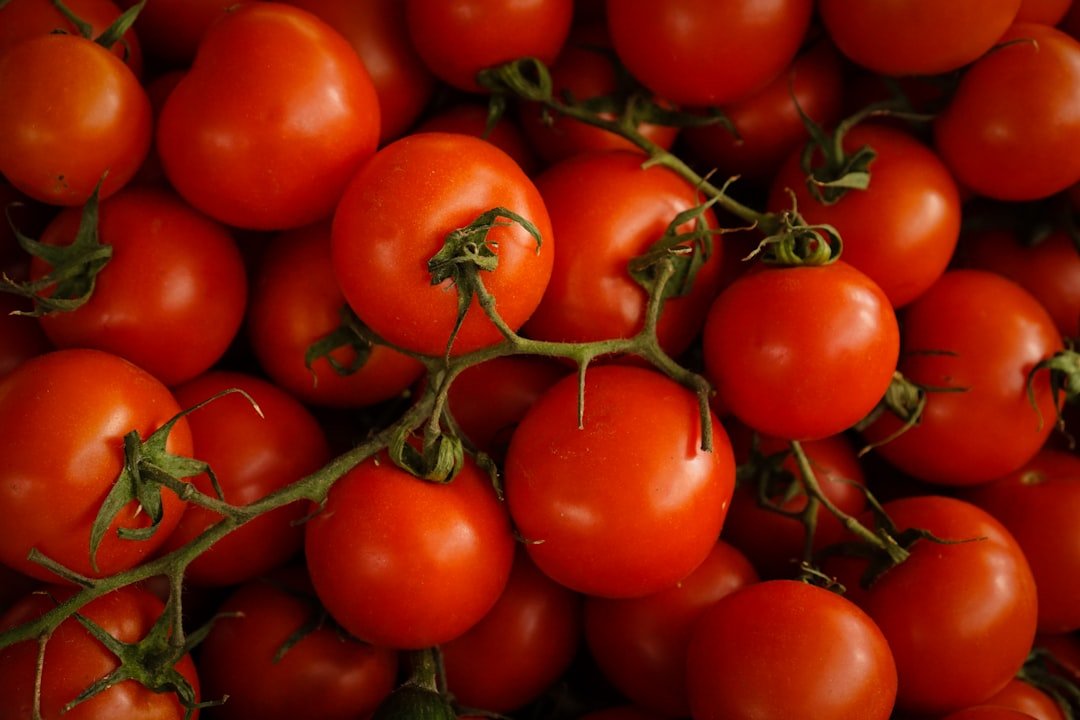
Tomato plants, scientifically known as Solanum lycopersicum, are among the most popular vegetables grown in home gardens and commercial farms alike. They thrive in warm climates and require specific conditions to flourish. Key requirements include full sun exposure, well-drained soil, and consistent moisture.
Ideally, tomatoes need at least six to eight hours of direct sunlight each day to produce fruit effectively. This sunlight is crucial for photosynthesis, the process by which plants convert light energy into chemical energy, ultimately leading to growth and fruit development. In addition to sunlight, tomatoes prefer slightly acidic to neutral soil with a pH range of 6.0 to 7.0.
The soil should be rich in organic matter, which can be achieved through the incorporation of compost or well-rotted manure. Nutrient availability is also vital; tomatoes require a balanced supply of nitrogen, phosphorus, and potassium, along with trace elements like magnesium and calcium.
Understanding these fundamental requirements is essential for any gardener looking to cultivate healthy tomato plants, especially in less-than-ideal conditions such as shaded areas.
Key Takeaways
- Tomato plants require at least 6-8 hours of direct sunlight daily for optimal growth and fruit production.
- Shade can negatively impact tomato plant growth, leading to reduced fruit yield and increased susceptibility to diseases.
- Different types of shade, such as dappled shade and partial shade, can have varying effects on tomato plant growth and development.
- To grow tomatoes in partial shade, choose varieties that are specifically bred for low-light conditions and provide supplemental lighting if necessary.
- Proper soil moisture management, fertility, pruning, and pest control are essential for successful tomato cultivation in shaded areas.
The impact of shade on tomato plants
Shade can significantly affect the growth and productivity of tomato plants. While some shade can be beneficial during the hottest parts of the day, excessive shade can lead to stunted growth, reduced flowering, and lower fruit yields. When tomato plants do not receive adequate sunlight, their ability to photosynthesize diminishes, resulting in weaker plants that may struggle to produce fruit.
This lack of energy can also make them more susceptible to diseases and pests, as healthy plants are generally better equipped to fend off these threats. Moreover, shade can alter the microclimate around tomato plants. In shaded areas, temperatures tend to be cooler and humidity levels higher, which can create an environment conducive to fungal diseases such as powdery mildew and blight.
These conditions can lead to poor air circulation around the plants, further exacerbating disease issues. Understanding how shade impacts tomato growth is crucial for gardeners who wish to maximize their yields while navigating the challenges posed by less-than-ideal light conditions.
Types of shade and their effects on tomato growth
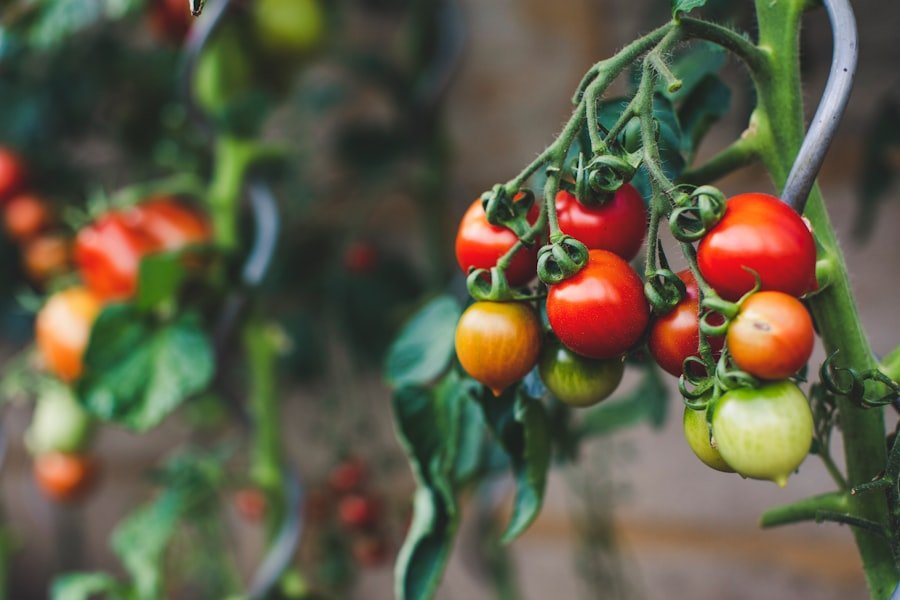
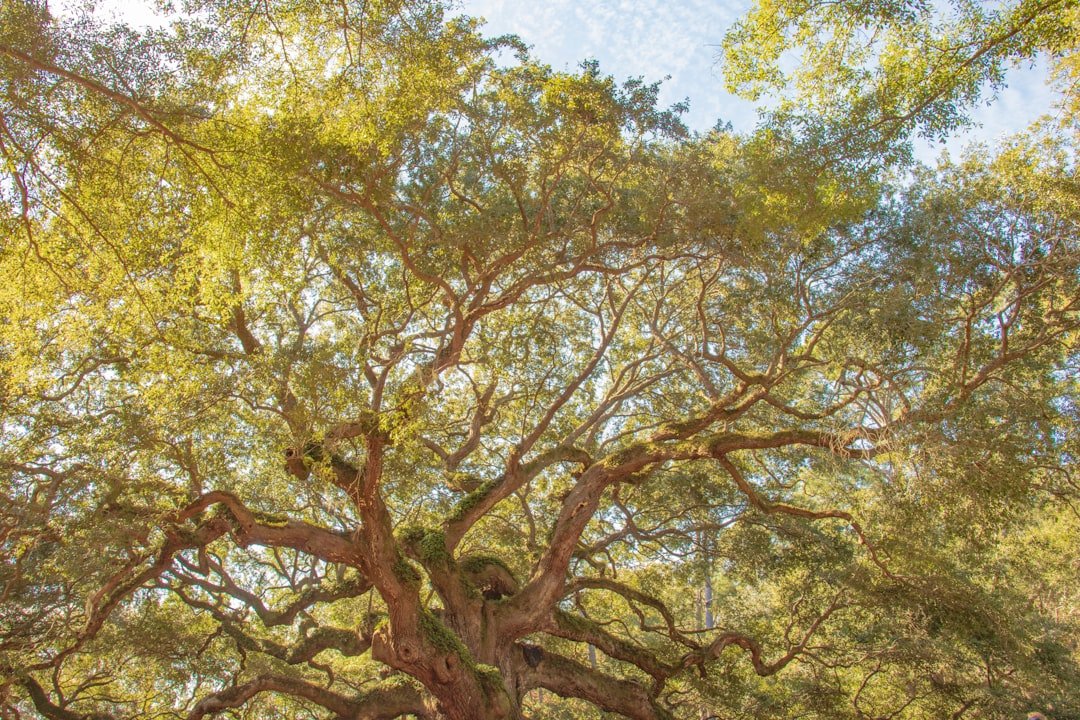
Shade can be categorized into several types based on its source and intensity. The most common types include dappled shade, partial shade, and full shade. Dappled shade occurs when sunlight filters through leaves or branches, providing a mix of light and shadow. This type of shade can be beneficial for tomato plants, as it allows for some sunlight exposure while protecting them from the harshest midday rays. Partial shade typically refers to areas that receive about three to six hours of direct sunlight daily.
While tomatoes can survive in these conditions, their growth may be slower compared to those in full sun. Full shade, on the other hand, means that a plant receives less than three hours of direct sunlight each day. In such conditions, tomatoes may struggle significantly; they may grow tall and spindly as they reach for light but will likely produce few or no fruits.
Understanding these different types of shade is essential for gardeners aiming to optimize their tomato production in less-than-ideal lighting conditions.
Tips for growing tomatoes in partial shade
| Tip | Description |
|---|---|
| Choose the right variety | Select tomato varieties that are specifically bred for growing in partial shade. |
| Provide adequate sunlight | Ensure that the tomato plants receive at least 4-6 hours of sunlight per day. |
| Use reflective mulch | Place reflective mulch around the plants to maximize the amount of light they receive. |
| Prune regularly | Prune the plants to remove excess foliage and encourage better air circulation and light penetration. |
| Water consistently | Water the plants regularly to maintain consistent moisture levels, especially in partial shade conditions. |
Growing tomatoes in partial shade requires careful planning and management to ensure that the plants receive enough light and nutrients. One effective strategy is to select the right planting location. Positioning tomato plants near the edges of shaded areas or in spots where they can receive morning sun can help maximize their exposure to light while minimizing the intensity of afternoon heat.
Additionally, using reflective materials such as white mulch or light-colored stones around the base of the plants can help bounce light onto them. Another important consideration is the timing of planting. Early varieties of tomatoes tend to mature faster and may be more suitable for shaded areas since they can take advantage of the limited sunlight available during the growing season.
Implementing these strategies can significantly enhance the chances of success when growing tomatoes in partial shade.
Choosing the right tomato varieties for shaded areas
Selecting appropriate tomato varieties is critical when growing in shaded conditions. Some varieties are more tolerant of low-light environments than others. For instance, determinate varieties such as ‘Patio Princess’ or ‘Tiny Tim’ are compact and often perform better in partial shade due to their shorter growth habits and quicker maturation times.
Indeterminate varieties like ‘Sun Gold’ or ‘Sweet 100’ may also be suitable if they are given enough time to grow before the onset of cooler weather. Additionally, heirloom varieties such as ‘Brandywine’ or ‘Cherokee Purple’ have been known to adapt well to various growing conditions, including partial shade. These varieties not only offer unique flavors but also tend to have a more robust growth pattern that can withstand less-than-ideal lighting conditions.
By carefully selecting tomato varieties that are better suited for shaded environments, gardeners can improve their chances of a successful harvest.
Supplemental lighting options for shaded tomato plants
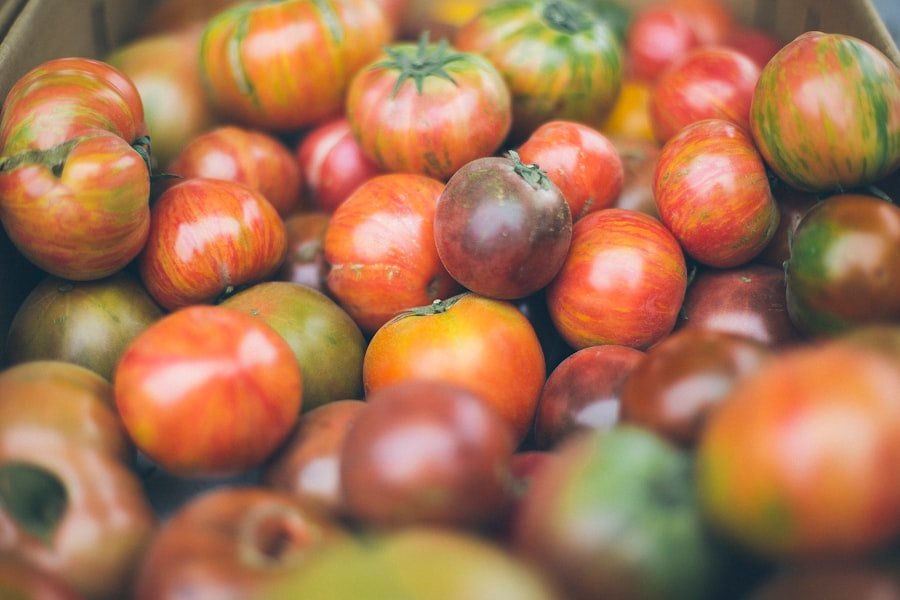
In situations where natural sunlight is insufficient for optimal tomato growth, supplemental lighting can be a game-changer. Grow lights come in various forms, including fluorescent lights, LED grow lights, and high-intensity discharge (HID) lights. Each type has its advantages; for instance, LED lights are energy-efficient and produce less heat, making them ideal for small spaces or indoor gardening setups.
When using supplemental lighting for tomatoes, it’s essential to position the lights correctly to ensure even coverage across all plants. A general rule of thumb is to place lights about 12-24 inches above the plants and adjust them as the plants grow taller. Additionally, providing 12-16 hours of light per day can mimic natural sunlight conditions and promote healthy growth and fruiting.
By incorporating supplemental lighting into their gardening practices, growers can significantly enhance the productivity of their tomato plants in shaded areas.
Managing soil moisture and fertility in shaded tomato gardens
Soil management is crucial when growing tomatoes in shaded environments due to the unique challenges posed by reduced sunlight exposure. Shaded areas often retain moisture longer than sunny spots, which can lead to overwatering if not monitored closely. Implementing a consistent watering schedule based on soil moisture levels rather than a fixed timetable is essential; using a moisture meter or simply checking the soil with your fingers can help determine when watering is necessary.
Fertility management is equally important in shaded gardens. Since shaded areas may have different nutrient dynamics compared to sunny spots, regular soil testing can provide valuable insights into nutrient levels and pH balance. Adding organic matter such as compost not only improves soil structure but also enhances nutrient availability over time.
Additionally, using slow-release fertilizers can help maintain consistent nutrient levels throughout the growing season without overwhelming the plants with excess nutrients.
Pruning and training techniques for shaded tomato plants
Pruning and training techniques play a vital role in maximizing light exposure for tomato plants grown in shaded areas. Regular pruning helps remove excess foliage that may block sunlight from reaching lower leaves and developing fruits. By selectively removing suckers—those small shoots that grow between the main stem and branches—gardeners can encourage better air circulation and direct more energy toward fruit production.
Training methods such as staking or using cages can also help elevate plants off the ground, allowing for better light penetration and airflow around the foliage. This elevation not only helps prevent diseases associated with damp soil but also makes harvesting easier as fruits become more accessible. Employing these pruning and training techniques effectively can lead to healthier plants that are better equipped to thrive in shaded environments.
Common pests and diseases to watch out for in shaded tomato gardens
Shaded tomato gardens may face unique pest and disease challenges due to increased humidity levels and reduced airflow around the plants. Common pests such as aphids, spider mites, and whiteflies thrive in these conditions and can quickly infest tomato plants if not managed properly. Regular monitoring is essential; inspecting both the upper and lower surfaces of leaves can help catch infestations early before they escalate into larger problems.
Diseases such as blight and powdery mildew are also more prevalent in shaded environments where moisture lingers longer on foliage. Implementing good cultural practices—such as ensuring proper spacing between plants for airflow—can help mitigate these risks. Additionally, using organic fungicides or insecticidal soaps when necessary can provide effective control without harming beneficial insects that contribute to a healthy garden ecosystem.
Harvesting and storing tomatoes grown in the shade
Harvesting tomatoes grown in shaded areas requires careful attention to timing and ripeness indicators. Tomatoes should be harvested when they reach their full color—typically red for most varieties—and feel slightly soft to the touch. It’s important not to let them overripen on the vine, especially in shaded conditions where they may be more prone to rot due to higher humidity levels.
Once harvested, proper storage techniques are crucial for maintaining quality. Tomatoes should be stored at room temperature away from direct sunlight; refrigeration can alter their flavor and texture negatively. If harvested tomatoes are not consumed immediately, they can be preserved through methods such as canning or freezing, allowing gardeners to enjoy their bounty long after the growing season has ended.
Success stories and tips from experienced shade tomato growers
Many experienced gardeners have successfully cultivated tomatoes in shaded environments by sharing their insights and strategies with others facing similar challenges. One common piece of advice is to embrace experimentation; trying different varieties and growing techniques allows gardeners to discover what works best in their specific conditions. For instance, some growers have found success by interplanting tomatoes with taller crops like corn or sunflowers that provide dappled shade while still allowing enough light through.
Another valuable tip from seasoned growers is to create microclimates within shaded gardens by utilizing reflective surfaces or companion planting with herbs that thrive in similar conditions. These practices not only enhance light availability but also promote biodiversity within the garden ecosystem. By learning from these success stories and applying practical tips from experienced shade tomato growers, new gardeners can increase their chances of achieving fruitful harvests even in challenging light conditions.
FAQs
Can tomatoes grow in the shade?
Yes, tomatoes can grow in partial shade, but they will produce fewer fruits and may take longer to ripen compared to plants grown in full sun.
How much sunlight do tomatoes need to grow?
Tomatoes ideally need at least 6-8 hours of direct sunlight per day to thrive and produce a good yield of fruits.
What are the effects of growing tomatoes in the shade?
Growing tomatoes in the shade can result in slower growth, fewer fruits, and a longer time for the fruits to ripen. The plants may also be more susceptible to diseases due to the lack of sunlight and airflow.
Are there tomato varieties that are more tolerant of shade?
Yes, there are some tomato varieties that are more tolerant of shade than others. Look for varieties labeled as “determinate” or “patio” tomatoes, as they tend to be more compact and can tolerate some shade.
How can I maximize tomato growth in a shaded area?
To maximize tomato growth in a shaded area, you can prune the plants to allow more sunlight to reach the remaining foliage, use reflective mulch to bounce light onto the plants, and provide supplemental lighting if possible.
What are some alternative options for growing tomatoes in a shaded area?
If you have limited sunlight, consider growing other shade-tolerant vegetables such as lettuce, spinach, kale, or herbs in the shaded area, and reserve the sunniest spots for growing tomatoes.