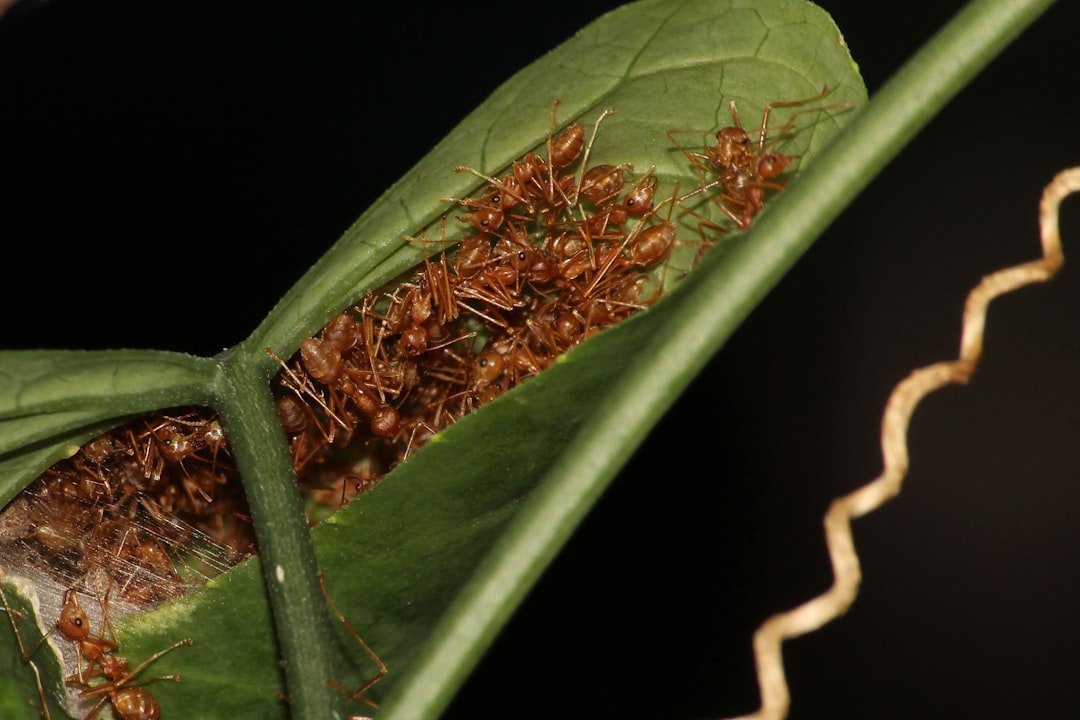
Aphids are small, soft-bodied insects belonging to the superfamily Aphidoidea, and they are notorious for their ability to cause significant damage to a wide variety of plants. These pests are typically less than 1/4 inch long and can be found in various colors, including green, black, yellow, and red. They feed on plant sap by inserting their specialized mouthparts into the plant’s vascular system, which can lead to stunted growth, wilting, and even plant death in severe infestations.
The feeding behavior of aphids not only weakens the plant but also creates a pathway for pathogens, such as viruses and fungi, to enter the plant, compounding the damage. The impact of aphids extends beyond the immediate harm they inflict on plants. Their feeding can result in the production of honeydew, a sticky substance that attracts other pests and encourages the growth of sooty mold.
This mold can cover leaves, blocking sunlight and further inhibiting photosynthesis. Additionally, aphids reproduce rapidly; a single female can produce dozens of offspring in a matter of days, leading to exponential population growth if left unchecked. This rapid reproduction cycle makes early detection and control measures crucial for maintaining healthy plants.
Key Takeaways
- Aphids can cause damage to plants by sucking sap and transmitting diseases
- Diatomaceous earth is a natural and effective control method for aphids
- Diatomaceous earth works by dehydrating and damaging the exoskeleton of aphids
- Food grade diatomaceous earth is the best choice for aphid control in gardens
- Diatomaceous earth can be applied as a dust or mixed with water for aphid control
Introduction to Diatomaceous Earth as a Natural Aphid Control
Diatomaceous earth (DE) is a natural, non-toxic substance made from the fossilized remains of tiny aquatic organisms known as diatoms. These organisms have hard, silica-based shells that accumulate in sedimentary deposits over time. When ground into a fine powder, diatomaceous earth becomes an effective tool for pest control, particularly against soft-bodied insects like aphids.
Its use in organic gardening has gained popularity due to its effectiveness and safety compared to chemical pesticides. The appeal of diatomaceous earth lies in its dual action as both a physical barrier and a desiccant. When applied to plants, it creates a barrier that disrupts the movement of aphids while simultaneously dehydrating them.
This natural approach aligns with the growing trend towards sustainable gardening practices, where gardeners seek to minimize chemical inputs while effectively managing pest populations. As more people become aware of the environmental impact of synthetic pesticides, diatomaceous earth offers a viable alternative that is both effective and environmentally friendly.
How Diatomaceous Earth Works to Control Aphids
Diatomaceous earth works primarily through its abrasive properties and its ability to absorb moisture. When aphids come into contact with the powder, the sharp edges of the diatom particles scratch their exoskeletons, leading to dehydration. This process is particularly effective against soft-bodied insects like aphids because they lack a hard outer shell that would otherwise protect them from such abrasions. As the aphids lose moisture, they become unable to maintain their bodily functions, ultimately leading to their demise. In addition to its physical effects, diatomaceous earth also acts as a desiccant.
The powder absorbs moisture from the environment and from the bodies of insects that come into contact with it. This dual action—abrasion and moisture absorption—makes diatomaceous earth a formidable opponent against aphid populations. Unlike chemical pesticides that may require multiple applications or have residual effects on beneficial insects, DE can be applied as needed without posing significant risks to non-target species when used correctly.
Choosing the Right Type of Diatomaceous Earth for Aphid Control
| Type of Diatomaceous Earth | Particle Size | Effectiveness |
|---|---|---|
| Food Grade | 10-200 microns | Safe for use around food, effective for controlling aphids |
| Filter Grade | 10-60 microns | Not safe for use around food, effective for controlling aphids |
| Pest Control Grade | 10-50 microns | Not safe for use around food, highly effective for controlling aphids |
When selecting diatomaceous earth for pest control, it is essential to choose food-grade DE rather than pool-grade DE. Food-grade diatomaceous earth is safe for use around pets and humans and is often used in various applications, including food storage and animal feed. Pool-grade DE contains higher levels of crystalline silica, which can be harmful if inhaled and is not suitable for gardening purposes.
Food-grade diatomaceous earth is typically less processed and retains more of its natural properties, making it more effective for pest control. It is important to check product labels and ensure that the DE is free from additives or chemicals that could diminish its effectiveness or pose risks to health. Additionally, sourcing DE from reputable suppliers ensures that you are getting a high-quality product that will perform well against aphids and other pests.
Application Methods for Diatomaceous Earth
Applying diatomaceous earth effectively requires careful consideration of timing and technique. The best time to apply DE is during dry weather when aphid populations are first detected or when conditions are favorable for their reproduction. It is crucial to apply DE directly onto the affected plants, focusing on areas where aphids are most likely to congregate, such as leaf undersides and new growth.
There are several methods for applying diatomaceous earth. A hand-held duster or a garden sprayer can help distribute the powder evenly across plant surfaces. For larger areas or more extensive infestations, using a backpack sprayer may be more efficient.
It is important to ensure an even coating without clumping, as this maximizes contact with aphids while minimizing waste. Reapplication may be necessary after rain or heavy watering since moisture can wash away the powder’s effectiveness.
Safety Considerations When Using Diatomaceous Earth for Aphid Control
While diatomaceous earth is generally considered safe for use in gardens, certain precautions should be taken during application to minimize any potential risks. Wearing a dust mask is advisable when handling DE to avoid inhaling fine particles that could irritate the respiratory system. Additionally, wearing gloves can help prevent skin irritation that may occur from prolonged contact with the powder.
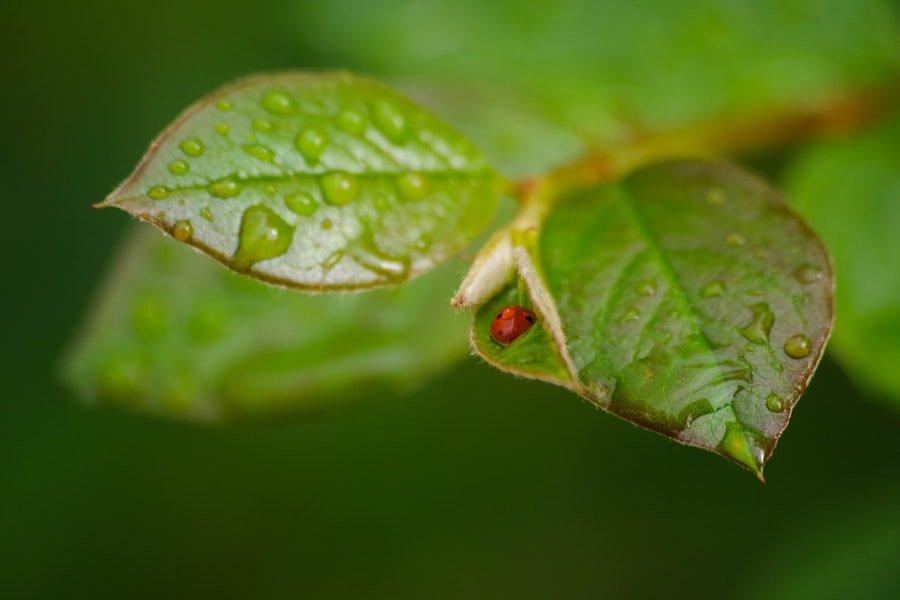
It is also essential to keep diatomaceous earth away from beneficial insects such as bees and ladybugs. While DE targets soft-bodied pests like aphids, it can inadvertently affect other insects if they come into contact with it. To mitigate this risk, apply DE in the early morning or late evening when beneficial insects are less active.
Furthermore, avoid applying DE during windy conditions to prevent drift onto non-target plants or areas.
Other Benefits of Diatomaceous Earth in the Garden
Beyond its effectiveness in controlling aphids, diatomaceous earth offers several additional benefits for gardeners. One notable advantage is its ability to improve soil health when incorporated into garden beds. The silica content in DE can enhance soil structure and drainage while promoting beneficial microbial activity.
This improvement in soil quality can lead to healthier plants that are more resilient against pests and diseases. Diatomaceous earth also serves as a natural deterrent for other pests beyond aphids. It can help control populations of slugs, beetles, and even some crawling insects by creating an inhospitable environment for them.
Additionally, DE can be used as a natural insecticide for household pests like cockroaches and ants when applied in cracks and crevices around the home. This versatility makes diatomaceous earth an invaluable tool in both garden and home pest management strategies.
Combining Diatomaceous Earth with Other Natural Aphid Control Methods
Integrating diatomaceous earth with other natural pest control methods can enhance its effectiveness against aphids while promoting overall garden health. For instance, introducing beneficial insects such as ladybugs or lacewings can provide biological control by preying on aphids directly. By creating a balanced ecosystem within the garden, gardeners can reduce reliance on any single method of pest control.
Companion planting is another strategy that can complement the use of diatomaceous earth. Certain plants, such as marigolds or nasturtiums, can repel aphids or attract beneficial insects that feed on them. By strategically placing these companion plants near susceptible crops, gardeners can create a multi-faceted approach to managing aphid populations while utilizing diatomaceous earth as an additional line of defense.
Monitoring and Maintaining Diatomaceous Earth for Long-Term Aphid Control
Effective long-term control of aphids using diatomaceous earth requires ongoing monitoring and maintenance practices.
Keeping a close eye on beneficial insect populations is equally important; their presence indicates a healthy ecosystem that can help keep aphid numbers in check.
Reapplying diatomaceous earth after rain or watering is crucial for maintaining its effectiveness as a pest control measure. Additionally, rotating application sites within the garden can prevent localized resistance among pest populations while ensuring that all areas receive adequate protection from aphids. By combining vigilant monitoring with consistent application practices, gardeners can achieve sustainable control over aphid populations using diatomaceous earth.
Tips for Using Diatomaceous Earth in Different Types of Gardens
The application of diatomaceous earth can vary depending on the type of garden being managed—be it vegetable gardens, flower beds, or ornamental landscapes. In vegetable gardens, it is essential to apply DE carefully around edible crops to avoid contamination while ensuring effective coverage against aphids. Using row covers during initial plant establishment can provide additional protection while allowing beneficial insects access once plants mature.
In flower gardens or ornamental landscapes, applying diatomaceous earth around the base of plants can create a protective barrier without affecting aesthetics significantly. For container gardens, dusting the surface of potting soil with DE can deter pests while improving soil health over time. Regardless of garden type, adapting application techniques based on specific conditions will enhance the overall effectiveness of diatomaceous earth as an aphid control method.
The Effectiveness of Diatomaceous Earth as a Natural Aphid Control
Diatomaceous earth stands out as an effective natural solution for controlling aphid populations in various gardening contexts. Its unique properties allow it to target these pests without harming beneficial insects or posing risks to human health when used correctly. By understanding how diatomaceous earth works and implementing best practices for application and monitoring, gardeners can harness its potential as part of an integrated pest management strategy.
As awareness grows regarding sustainable gardening practices and the importance of minimizing chemical inputs, diatomaceous earth offers an appealing alternative for those seeking effective pest control solutions. Its versatility extends beyond just aphid management; it contributes positively to soil health and overall garden vitality. By embracing diatomaceous earth within their gardening practices, enthusiasts can cultivate thriving ecosystems that support both plant health and biodiversity.
FAQs
What is diatomaceous earth?
Diatomaceous earth is a naturally occurring, soft, sedimentary rock that is easily crumbled into a fine white to off-white powder. It is made up of the fossilized remains of diatoms, a type of hard-shelled algae.
How does diatomaceous earth work for controlling aphids?
Diatomaceous earth works by physically damaging the exoskeleton of aphids and other insects, causing them to dehydrate and die. When the powder comes into contact with the insects, it absorbs the oils and fats from their outer layer, leading to their eventual demise.
Is diatomaceous earth safe to use for controlling aphids?
Diatomaceous earth is generally considered safe for use around humans and pets, but it should be used with caution. It is important to use food-grade diatomaceous earth and to avoid inhaling the dust, as it can irritate the lungs and respiratory system.
How should diatomaceous earth be applied for aphid control?
To use diatomaceous earth for aphid control, simply dust the affected plants with a thin layer of the powder, paying special attention to the undersides of leaves and other hiding spots for aphids. Reapply after rain or heavy watering, as the powder can wash away.
Are there any precautions to take when using diatomaceous earth for aphids?
It is important to wear a mask and gloves when applying diatomaceous earth to avoid inhaling the dust or getting it on your skin. Additionally, it is best to apply the powder on a calm day to prevent it from blowing away.