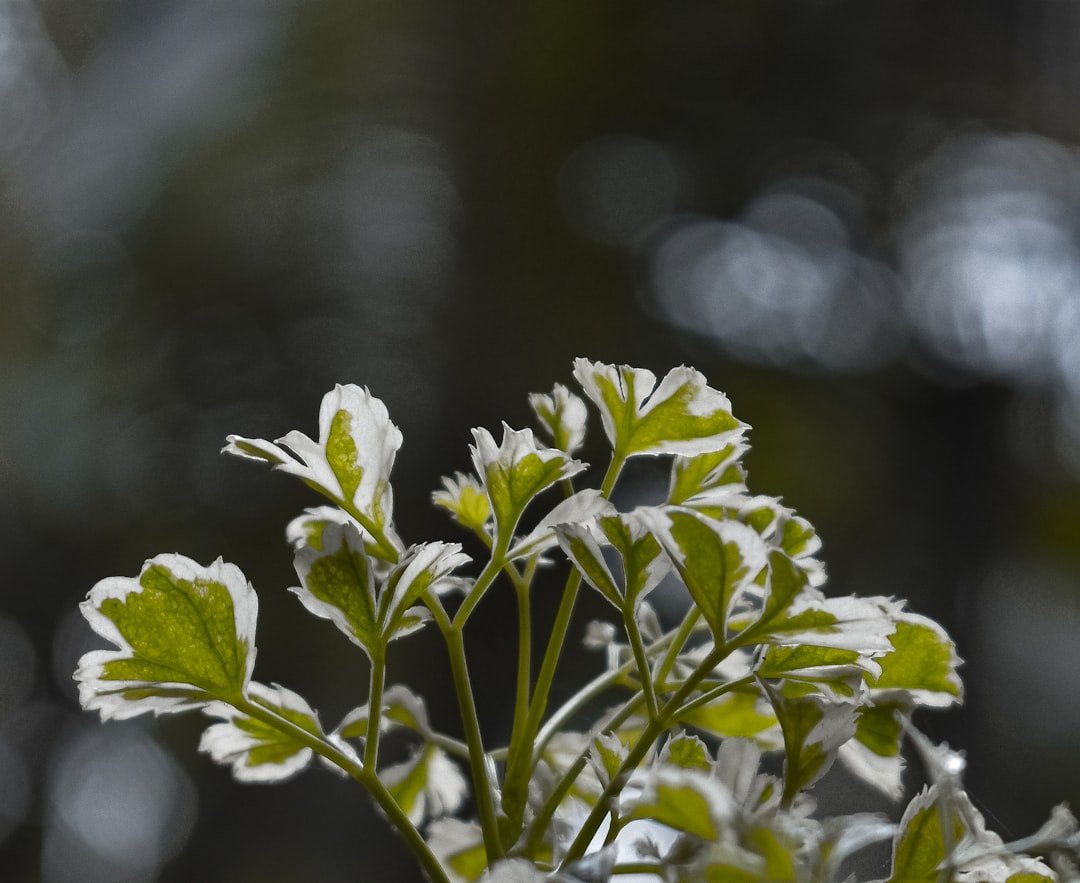
Curry leaf (Murraya koenigii) grows best in warm, frost-free climates (USDA Zones 9b–11) or sunny indoor-outdoor pots, and requires fresh seeds from ripe black berries for seed propagation. Dried seeds lose viability rapidly, so sow fresh pulp-cleaned seeds right away in fast-draining mix.
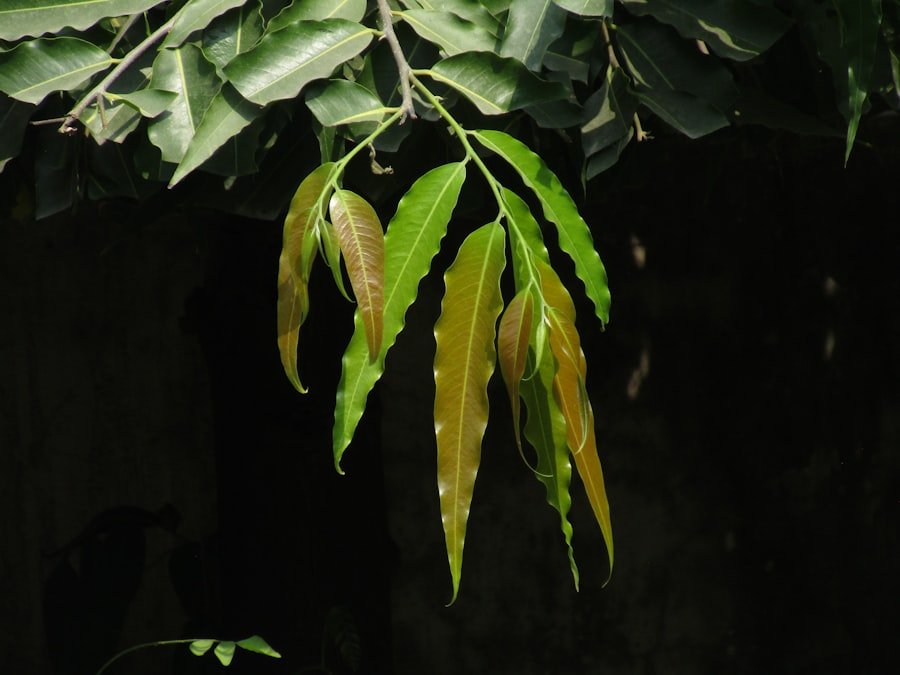
Quick Reference: Growing Curry Leaf Plant
| Factor | Target Spec | Timing / Window | Care Note |
|---|---|---|---|
| Seed Prep | Fresh black-berry seeds only | Remove pulp & sow within days | 75–85°F bottom heat speeds sprouting |
| Soil & Water | Well-draining citrus/potting mix | Let top 1–2 in dry between waterings | Full sun (6+ hrs) |
| Winter Care | Protect below 40°F | Move indoors to bright window | Drops leaves naturally if cool |
Planting & Care Checklist
- Confirm local climate zone and soil temperature before planting.
- Use containers or beds with open drainage and loose, aerated soil.
- Water at the soil base and check foliage weekly for early pest signs.
Safety, Limitations & Troubleshooting
Only use fresh culinary Murraya koenigii leaves in cooking; ornamental "curry plant" (Helichrysum) is an unrelated herb.
Related gardening guides: Murraya koenigii guide and curry leaf care.
Frequently Asked Questions
What are the best conditions for curry leaf tree (Murraya koenigii)?
Provide well-draining soil, the crop’s preferred sun exposure, and consistent moisture without waterlogging.
Can I use containers or raised beds?
Yes—ensure open drainage holes and a loose potting mix tailored to the plant’s root depth.
How do I prevent common mistakes?
Avoid overwatering, match planting dates to soil temperature, and inspect plants weekly for pests.
What safety steps should I keep in mind?
Wash harvested produce thoroughly and use dust masks or gloves when handling dry powders or thorny stems.