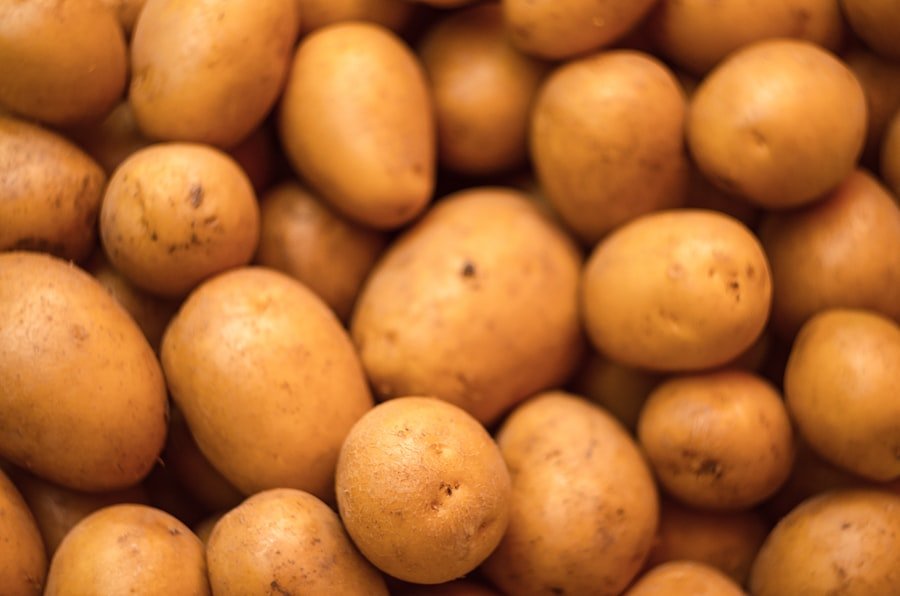
When embarking on the journey of growing potatoes, the first and perhaps most crucial step is selecting the right variety of potatoes. Potatoes come in numerous types, each with distinct characteristics that can influence their growth, flavor, and culinary uses. For instance, if you are looking for a versatile potato that can be used for mashing, baking, or frying, consider varieties like Yukon Gold or Russet.
Yukon Gold potatoes are known for their creamy texture and buttery flavor, making them a favorite for many home cooks. On the other hand, Russets are ideal for baking due to their fluffy interior when cooked. In contrast, if you are interested in new potatoes or those that can be harvested early in the season, consider varieties such as Red Bliss or Fingerling potatoes.
Red Bliss potatoes are small, round, and have a smooth red skin with white flesh, making them perfect for salads or steaming. Fingerling potatoes, with their unique elongated shape and waxy texture, add visual appeal and flavor diversity to dishes. Understanding the specific growing conditions and harvest times of each variety will help you make an informed decision that aligns with your gardening goals.
Key Takeaways
- Choose the right potato variety based on your preferred taste, texture, and cooking method
- Select a pot that is at least 10-15 gallons in size with good drainage holes
- Cut the seed potatoes into 2-inch pieces and let them dry for a day before planting
- Plant the seed potatoes 3-4 inches deep and 12 inches apart in rows
- Water the potatoes consistently and fertilize with a balanced fertilizer every 2-3 weeks
Selecting the Right Pot
The choice of pot is equally important as the selection of potato variety. When growing potatoes in containers, the size and material of the pot can significantly affect the growth and yield of your plants. A pot that is at least 12 inches deep is essential to accommodate the root system and allow for adequate tuber development.
Additionally, a diameter of 18 to 24 inches is recommended to provide enough space for multiple plants. This size ensures that the potatoes have room to grow without becoming overcrowded, which can lead to stunted growth or poor yields. Material also plays a role in the health of your potato plants.
Plastic pots are lightweight and retain moisture well, making them a popular choice among gardeners. However, they can heat up quickly in direct sunlight, which may stress the plants. Clay pots, while more aesthetically pleasing and breathable, can dry out faster and may require more frequent watering.
Whichever material you choose, ensure that your pot has adequate drainage holes to prevent waterlogging, which can lead to root rot and other issues.
Preparing the Potatoes for Planting
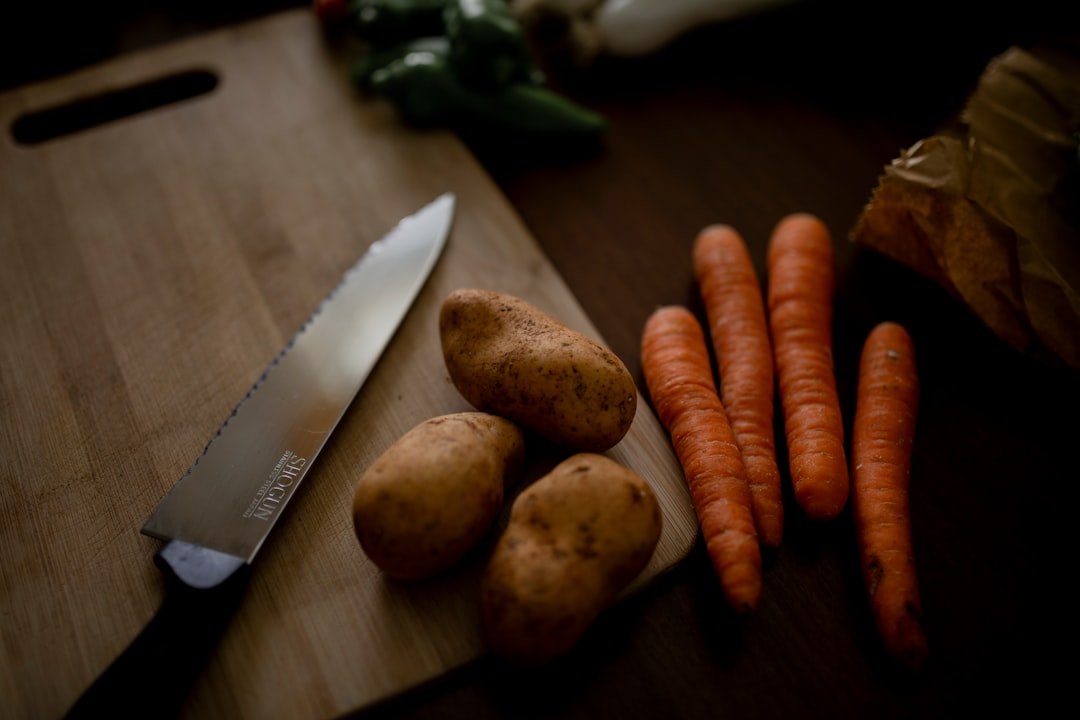
Before planting your chosen potato variety, it is essential to prepare them properly to maximize their growth potential. Start by selecting seed potatoes that are firm and free from blemishes or signs of disease. Seed potatoes are small tubers specifically grown for planting rather than consumption.
If you have larger seed potatoes, consider cutting them into smaller pieces, ensuring that each piece has at least one “eye,” which is where new shoots will emerge. Allow these cut pieces to cure for a day or two in a cool, dark place to form a protective callus over the cut surface; this helps prevent rot once they are planted. In addition to preparing the seed potatoes, it is beneficial to enrich the soil in which they will be planted.
Potatoes thrive in loose, well-draining soil that is rich in organic matter. Before planting, mix in compost or well-rotted manure to improve soil fertility and structure. This not only provides essential nutrients but also enhances moisture retention and aeration within the soil.
Testing the soil pH is also advisable; potatoes prefer slightly acidic conditions with a pH between 5.5 and 6.5. If necessary, amend the soil with lime or sulfur to achieve the desired pH level.
Planting the Potatoes
| Year | Number of Potatoes Planted | Average Size of Potatoes | Yield per Acre |
|---|---|---|---|
| 2018 | 10,000 | 2 inches | 8,000 lbs |
| 2019 | 12,000 | 2.5 inches | 9,600 lbs |
| 2020 | 15,000 | 3 inches | 12,000 lbs |
Once your seed potatoes are prepared and your potting mix is enriched, it’s time to plant them. Begin by filling your chosen pot with about six inches of prepared soil. Place the seed potatoes on top of this layer with the eyes facing upward, ensuring they are spaced adequately apart—typically about 12 inches apart if planting multiple tubers in one pot.
Cover the seed potatoes with an additional four to six inches of soil, gently patting it down to eliminate air pockets while avoiding excessive compaction. Timing is also critical when planting potatoes. Ideally, you should plant them in early spring when the soil temperature reaches around 45°F (7°C).
This temperature encourages sprouting while minimizing the risk of frost damage. In regions with milder climates, you may be able to plant earlier; conversely, in cooler areas, waiting until late spring may be necessary. Monitoring local weather patterns can help you determine the best planting time for your specific location.
Watering and Fertilizing
Proper watering is vital for healthy potato growth. After planting, water the potatoes thoroughly to ensure that the soil is evenly moist but not soggy. During the growing season, maintain consistent moisture levels; potatoes require about an inch of water per week.
However, it’s essential to avoid overwatering as this can lead to root rot and other fungal diseases. A good practice is to check the top inch of soil; if it feels dry to the touch, it’s time to water again. Fertilization also plays a significant role in potato cultivation.
While enriching the soil before planting provides a solid foundation, additional feeding during the growing season can enhance yields. A balanced fertilizer with equal parts nitrogen, phosphorus, and potassium can be applied when plants are about six inches tall. This encourages robust foliage growth while supporting tuber development below ground.
As the plants continue to grow, side-dressing with compost or organic fertilizers every few weeks can provide ongoing nutrients without risking chemical buildup in the soil.
Sunlight and Temperature Requirements
Potatoes thrive in full sunlight, requiring at least six hours of direct sunlight each day for optimal growth. When selecting a location for your pots, choose a spot that receives ample sunlight throughout the day. Insufficient light can lead to leggy plants with poor tuber formation; therefore, ensuring adequate exposure is crucial for a successful harvest.
Temperature also significantly impacts potato growth. Potatoes prefer cooler temperatures ranging from 60°F to 70°F (15°C to 21°C). If temperatures rise above 80°F (27°C), it can stress the plants and hinder tuber development.
In regions with hot summers, consider providing some afternoon shade or using mulch to help regulate soil temperature and retain moisture. Conversely, if nighttime temperatures drop significantly below 50°F (10°C), it may be necessary to cover your pots with frost cloths or move them indoors temporarily until conditions improve.
Managing Pests and Diseases
As with any crop, managing pests and diseases is an integral part of successful potato cultivation. Common pests that affect potato plants include aphids, Colorado potato beetles, and wireworms. Regularly inspecting your plants for signs of infestation is essential; early detection allows for more effective control measures.
Handpicking pests like Colorado potato beetles can be effective for small infestations, while insecticidal soaps or neem oil can help manage larger populations without harming beneficial insects. Diseases such as blight and scab can also pose significant threats to potato crops. Late blight is particularly notorious and can devastate entire crops if not managed promptly.
Additionally, watering at the base of plants rather than overhead can help minimize moisture on leaves that fosters fungal growth. If you notice signs of disease—such as wilting leaves or dark spots—remove affected foliage immediately and consider applying fungicides as a preventive measure.
Harvesting the Potatoes
Harvesting potatoes requires careful timing and technique to ensure you get the best yield without damaging the tubers. Generally, new potatoes can be harvested about two to three weeks after flowering begins; these young tubers are smaller but tender and flavorful. For mature potatoes intended for storage or longer-term use, wait until the foliage has died back completely—this indicates that the tubers have reached their full size and are ready for harvest.
To harvest your potatoes from containers, gently tip over the pot onto a soft surface like grass or a tarp to avoid bruising them during removal. Carefully sift through the soil to collect all tubers; even small ones can be valuable additions to your harvest. After harvesting, allow your potatoes to dry in a cool, dark place for a few hours before cleaning them off gently with a soft brush to remove excess soil.
Storing the Potatoes
Proper storage is essential for maintaining the quality of harvested potatoes over time. Ideally, store your potatoes in a cool (around 45°F to 50°F or 7°C to 10°C), dark place with good ventilation—this helps prevent sprouting and decay. A root cellar or a dedicated storage area in your home can work well if conditions are right; avoid storing them in direct sunlight or near heat sources like ovens or radiators.
It’s important not to wash your potatoes before storing them as moisture can promote rot during storage. Instead, brush off any dirt gently and place them in breathable containers such as burlap sacks or cardboard boxes lined with newspaper to absorb excess moisture while allowing airflow. Regularly check stored potatoes for signs of sprouting or decay; removing affected tubers promptly will help preserve the rest of your harvest.
Tips for Success
To ensure a successful potato-growing experience, consider implementing several best practices throughout the process. First and foremost, keep detailed records of your planting dates, varieties used, watering schedules, and any pest management strategies employed; this information will be invaluable for future growing seasons as you refine your techniques based on past experiences. Additionally, consider companion planting as a strategy to enhance growth and deter pests naturally.
For example, planting marigolds alongside your potato plants can help repel nematodes and other harmful insects while attracting beneficial pollinators.
Troubleshooting Common Problems
Even with careful planning and execution, challenges may arise during potato cultivation that require troubleshooting skills. One common issue is poor tuber formation despite healthy foliage growth; this often indicates insufficient nutrients or water stress during critical growth periods. To address this problem, assess your watering practices and consider adjusting your fertilization schedule based on plant needs.
Another frequent concern is yellowing leaves or stunted growth; this could signal nutrient deficiencies such as nitrogen or potassium shortages in the soil. Conducting a soil test can provide insights into nutrient levels and guide appropriate amendments to restore balance within your growing medium. By remaining vigilant and responsive to these challenges throughout the growing season, you can cultivate healthy potato plants that yield bountiful harvests year after year.
FAQs
What are the benefits of growing potatoes in a pot?
Growing potatoes in a pot allows for easy maintenance, saves space, and provides better control over soil conditions and pests. It also makes harvesting easier as the potatoes are contained in a specific area.
What type of pot should I use to grow potatoes?
It is recommended to use a large, sturdy pot with good drainage. A 10-20 gallon pot with drainage holes at the bottom is ideal for growing potatoes.
What kind of soil should I use for growing potatoes in a pot?
Potatoes thrive in well-draining, loose soil with a slightly acidic pH. A mix of potting soil, compost, and perlite or sand is suitable for growing potatoes in a pot.
How do I plant potatoes in a pot?
To plant potatoes in a pot, start by filling the pot with a few inches of soil. Place seed potatoes on top of the soil and cover them with more soil. As the potatoes grow, continue to add more soil to the pot to cover the stems, leaving a few inches exposed.
How often should I water potatoes in a pot?
Potatoes in pots should be watered regularly, keeping the soil consistently moist but not waterlogged. Watering frequency may vary depending on the climate and the size of the pot.
Can I grow potatoes in a pot indoors?
Yes, potatoes can be grown in pots indoors as long as they receive adequate sunlight and proper care. Choose a sunny spot near a window or use grow lights to provide sufficient light for the plants.
When can I harvest potatoes grown in a pot?
Potatoes can be harvested from pots once the plants have flowered and the foliage begins to yellow and die back. Gently dig around the soil to harvest the potatoes without damaging them.