Florida Loquat Tree Care: How to Plant, Grow, Prune, and Harvest Loquats
Last updated: May 23, 2026
A Florida loquat tree can give you shade, evergreen beauty, and sweet-tart fruit from late winter into spring. The key is simple: plant it in full sun, keep the soil well drained, water young trees correctly, and prune for airflow before disease problems start.
Key Takeaways
- Loquat trees are evergreen fruit trees that can reach 20 to 35 feet if left unpruned.
- Full sun, good drainage, and enough spacing matter more than heavy soil amendments.
- Florida loquats usually bloom in fall or early winter and fruit from February through May.
- Young trees need regular water, but wet soil can cause root decline and root rot.
- Pruning improves airflow, controls tree size, and makes harvesting easier.
- Fire blight, Caribbean fruit fly, scale insects, aphids, and caterpillars can affect loquat trees.
- Grafted trees are best when you want predictable fruit quality and faster production.
What Is a Florida Loquat Tree?
The loquat tree, scientifically known as Eriobotrya japonica, is a subtropical evergreen fruit tree in the Rosaceae family. It is related to apples, pears, peaches, and other familiar fruit trees.
According to the University of Florida IFAS Extension, loquat is native to southeastern and central China and has grown in Florida since before 1887.
Loquat trees have large, leathery leaves with a dark green upper surface and a lighter, fuzzy underside. The leaves often grow 8 to 12 inches long, which gives the tree a dense tropical look even though it is not a true tropical fruit tree.
In Florida, loquat trees bloom in fall and early winter. The white flowers grow in clusters and attract pollinating insects. The fruits develop through winter and spring, then ripen when they turn yellow, pale orange, or deep orange, depending on the variety.
The fruit has a sweet to mildly tart flavor. Some people compare it to a mix of peach, apricot, plum, and citrus. Loquat fruit also contains fiber, potassium, and vitamin A, but it should not be described as a high-vitamin-C fruit.
Selecting the Right Location for Your Florida Loquat Tree
Choosing the right location is the most important decision you make before planting a loquat tree. A poor site can cause weak growth, poor fruiting, root problems, and more pruning work later.
Plant your loquat tree in full sun for the best growth and fruit production. A site with at least six hours of direct sun each day is ideal. Loquats can survive in partial shade, but shade often reduces flowers, fruit size, and total yield.
Drainage matters just as much as sunlight. Loquat trees grow in many Florida soil types, including sandy soil and limestone-based soil, but they do not tolerate flooded conditions.
Do not plant a loquat tree in a low spot that stays wet after normal summer rain. If your yard drains poorly, plant on a mound or raised area.
Give the tree enough room. University of Florida IFAS recommends planting unpruned loquat trees about 25 to 30 feet or more from buildings, power lines, large trees, and other structures. You can plant closer only if you plan to prune the tree and keep it smaller.
Planting and Transplanting Loquat Trees
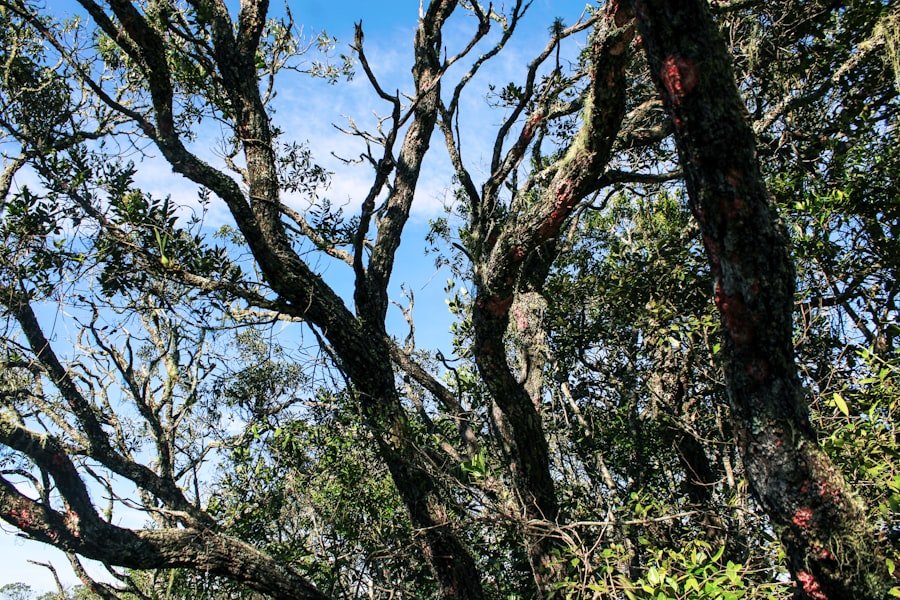
The best time to plant a loquat tree in most Florida home landscapes is during mild weather. Spring and fall both work well because the tree can start establishing roots before extreme heat or cold stress arrives.
Start with a healthy nursery tree. Avoid a large tree in a small container if the roots circle tightly around the pot. A root-bound tree can struggle after planting because the roots may continue growing in a circle instead of spreading into the surrounding soil.
Before planting, remove grass in a wide ring around the site. Dig a hole wider than the container so the nearby soil is loose enough for new root growth. The top of the container soil should sit level with, or slightly above, the surrounding soil after planting.
Do not bury the trunk flare. The trunk flare is the area where the trunk begins to widen near the roots. Deep planting can reduce oxygen around the root system and make the lower trunk more vulnerable to disease. The existing root system needs firm soil contact, but it should not sit too deep.
Backfill with native soil, then water thoroughly to settle the soil around the roots. Mulch can help conserve moisture, but keep mulch several inches away from the trunk. Piling mulch against the trunk can trap moisture and invite rot or pest problems.
Simple Planting Checklist
- Choose a full-sun site that does not flood.
- Remove grass around the planting area.
- Dig a wide planting hole, but do not plant deeper than the root ball.
- Set the top of the root ball level with or slightly above the surrounding soil.
- Backfill with native soil and water deeply.
- Add mulch around the tree, but keep it away from the trunk.
- Water regularly while the tree establishes.
Watering and Fertilizing Your Florida Loquat Tree
Loquat trees need steady moisture during establishment, but they can decline when the soil stays wet too long. Your goal is moist soil, not soggy soil.
| Tree Stage | Watering | Fertilizing |
|---|---|---|
| First week after planting | Water at planting, then every other day if rain does not keep the root ball moist. | Do not place fertilizer in the planting hole. |
| First 2 months | Water 1 to 2 times per week during dry weather. | About one month after planting, apply a light young-tree fertilizer if the tree is actively growing. |
| Years 1 to 3 | Water once a week during long dry periods, then reduce watering during the rainy season. | Use a balanced fruit-tree fertilizer in small repeated applications. |
| Mature bearing tree | Water during fruit development and during long dry periods. | Fertilize 2 to 3 times per year, often around bloom, spring, and summer. |
For young loquat trees, light and regular feeding works better than heavy feeding. A balanced fertilizer such as 6-6-6 or 8-3-9 can support growth when used according to local recommendations and label directions.
Avoid excess nitrogen. Too much nitrogen can push soft leafy growth and may increase fire blight risk. It can also reduce flowering if the tree keeps growing when it should slow down before bloom.
Pruning and Training Loquat Trees
Pruning helps keep a loquat tree healthy, productive, and easy to harvest. Without pruning, the tree can become too tall for safe fruit picking and too dense for good airflow.
For young trees, prune lightly. Remove broken, dead, damaged, or crossing branches first. You can train the tree to a modified central leader or an open-center shape, depending on the growth habit and the space available.
For mature trees, focus on size control and canopy thinning. Selectively remove crowded branches so sunlight and air can move through the canopy. This helps reduce disease pressure and improves access for harvesting.
In Florida, pruning after harvest often works well because you can shape the tree before the next main growth cycle. Avoid heavy pruning right before flowering because you may remove fruiting wood.
What to Remove When Pruning
- Dead, diseased, or broken branches
- Branches that cross and rub against each other
- Water sprouts that grow straight up inside the canopy
- Low branches that make mowing or harvesting difficult
- Overly tall branches that put fruit out of reach
Protecting Your Florida Loquat Tree from Pests and Diseases
Loquat trees are not pest-free. In Florida, fruit and foliage can attract several pests, including Caribbean fruit fly, scales, aphids, beetles, weevils, caterpillars, and mites.
Check the tree often during flowering, fruit development, and warm humid weather. Early pest detection gives you more control choices and reduces the chance of serious damage.
| Problem | Common Signs | Practical Fix |
|---|---|---|
| Caribbean fruit fly | Damaged fruit, larvae inside fruit, premature fruit drop | Bag fruit clusters and remove fallen fruit quickly. |
| Scale insects and aphids | Sticky honeydew, sooty mold, weak shoots, curled leaves | Use pest identification first, then choose a labeled low-impact control. |
| Fire blight | Blackened shoots, wilted leaves, branch dieback, scorched-looking tips | Prune out affected wood, dispose of it, improve airflow, and avoid excess nitrogen. |
| Root or crown rot | Decline, yellow leaves, weak growth, wet soil near the trunk | Improve drainage, reduce irrigation, and keep mulch away from the trunk. |
Fire blight is a serious disease for loquat trees in Florida. It can kill branches and, in severe cases, weaken the whole tree. Remove affected branches, avoid overhead irrigation when possible, and keep the canopy open.
Do not use pesticides without identifying the pest. Many minor insect problems do not need treatment, and harsh sprays can harm beneficial insects. When pressure is high, contact your local county Extension office for current recommendations.
Harvesting and Storing Loquats
Loquat harvest timing affects flavor more than almost anything else. The fruit does not reach its best taste when picked too early.
In Florida, loquat season usually runs from February through May. The exact harvest window depends on the cultivar, local temperatures, winter weather, and sun exposure.
A ripe loquat usually has full yellow, pale orange, or deep orange color. It should feel slightly soft, but not mushy. Taste a few fruits before picking a full cluster because color and sweetness can vary by variety.
Harvest by hand and handle the fruit gently. Loquats have delicate skin and bruise easily. For the cleanest harvest, cut clusters from the branch, then clip individual fruit from the cluster.
Fresh loquats last only a short time at room temperature. Refrigeration can extend their useful life. For longer storage, remove the seeds before freezing, cooking, canning, or making jam.
Propagating Loquat Trees
You can propagate loquat trees by seed, cuttings, grafting, budding, and other methods. The best method depends on your goal.
Seed propagation is easy, but it is not ideal when fruit quality matters. Loquat seedlings do not always come true from seed, so the new tree may not produce fruit like the parent tree. Seed-grown loquats can also take six to eight years before flowering and fruiting.
Grafting is the better method when you want a known fruit variety. Grafted trees can produce more predictable fruit and often bear earlier than seed-grown trees.
Cuttings can work, but they are harder for most home gardeners. They need the right stem maturity, humidity, rooting medium, and aftercare. For most Florida homeowners, buying a healthy grafted nursery tree is the easiest path.
Common Problems and Solutions for Growing Loquat Trees
Loquat trees are usually manageable in Florida, but several common problems can reduce fruit production. Most issues come from poor site selection, wrong watering, excessive nitrogen, lack of pruning, or pest pressure.
| Problem | Likely Cause | Solution |
|---|---|---|
| Few or no fruits | Shade, frost damage, poor pollination, or too much nitrogen | Improve sunlight, avoid excess nitrogen, and consider planting another cultivar nearby. |
| Yellow leaves | Water stress, nutrient imbalance, or high soil pH | Check soil moisture first, then use a soil test before adding fertilizer. |
| Fruit damage | Fruit fly, birds, squirrels, or late harvest | Bag fruit clusters, harvest ripe fruit quickly, and remove fallen fruit. |
| Tree decline | Flooded soil, root damage, trunk injury, or overwatering | Improve drainage, keep mowers away from the trunk, and water only when needed. |
Pollination can also affect yield. Loquats are generally self-compatible, but cross-pollination from another cultivar, seedling, or selection can improve fruit set, fruit size, and production.
Best Loquat Tree Varieties for Florida
Florida has many loquat cultivars, but local nursery availability can vary. Choose a variety based on fruit quality, disease resistance, harvest timing, and growth habit.
| Variety | Best For | Notes |
|---|---|---|
| Champagne | Sweet flavor | Known for pale flesh and a sweet, mild flavor. |
| Gold Nugget | Large orange fruit | Often selected for fruit size, though local performance can vary. |
| Oliver | Very sweet fruit | A recommended home landscape option in Florida IFAS cultivar information. |
| Wolfe | Sweet-tart flavor | A Florida cultivar option with spicy sweet-tart flavor notes. |
Ask a local nursery which loquat varieties perform well in your county. A cultivar that works well in one part of Florida may not perform the same way in a wetter, colder, hotter, or more alkaline site.
Cooking with Loquats
Fresh loquats taste best when fully ripe. You can eat them straight from the tree after washing them and removing the seeds. The peel is edible, but many people prefer to remove it because the texture can feel tough or slightly fuzzy.
Loquats work well in jams, jellies, sauces, syrups, fruit salads, pies, crumbles, and smoothies. Their sweet-tart flavor also pairs well with roasted poultry or pork when cooked into a glaze.
Easy Ways to Use Fresh Loquats
- Slice ripe loquats into a fruit salad.
- Cook them with sugar and lemon juice for jam.
- Add chopped loquats to yogurt or oatmeal.
- Blend them into smoothies after removing the seeds.
- Cook them into a glaze for roasted meats.
Never eat the seeds. Remove seeds before cooking, blending, freezing, or serving loquats to children.
FAQs
What is a Florida loquat tree?
A Florida loquat tree is a small to medium evergreen tree that produces yellow to orange fruits called loquats. Its scientific name is Eriobotrya japonica. In Florida, it works as both a fruit tree and an ornamental landscape tree.
How tall does a Florida loquat tree grow?
A loquat tree can reach 20 to 35 feet if left unpruned. In sunny home landscapes, many trees stay closer to 15 to 25 feet. Regular pruning can keep the tree smaller and make harvesting safer.
When do Florida loquat trees bear fruit?
Florida loquat trees usually bear fruit from February through May. They bloom in fall and early winter, then the fruit develops through winter and spring. Harvest timing changes by variety and local weather.
How do you care for a Florida loquat tree?
Plant it in full sun and well-drained soil. Water young trees regularly while they establish, then water mature trees during long dry periods and fruit development. Prune to control size, improve airflow, and remove dead or diseased branches.
Are Florida loquats edible?
Yes, Florida loquats are edible when ripe. The fruit tastes sweet to mildly tart and can be eaten fresh or used in jams, sauces, pies, salads, and desserts. Remove the seeds before eating or cooking the fruit.
Are Florida loquat trees susceptible to pests and diseases?
Yes. Florida loquat trees can face Caribbean fruit fly, scale insects, aphids, caterpillars, fire blight, root rot, and other issues. Good drainage, proper pruning, careful fertilizing, and regular monitoring help reduce many common problems.
Can you grow a loquat tree from seed?
Yes, but seed-grown loquat trees may not match the parent tree. They can also take six to eight years before fruiting. Choose a grafted tree if you want faster fruiting and more predictable fruit quality.
Do loquat trees need another tree for pollination?
Loquat trees are generally self-compatible, so one tree can produce fruit. Still, another cultivar nearby can improve fruit set, fruit size, and total production because cross-pollination often helps.
Why is my loquat tree not fruiting?
A loquat tree may not fruit because of shade, young age, frost damage, poor pollination, heavy pruning at the wrong time, or too much nitrogen fertilizer. Check sunlight, tree age, fertilizer use, and bloom history first.
How far apart should loquat trees be planted?
Unpruned loquat trees need generous spacing. Plant them about 25 to 30 feet from structures, power lines, and large trees when possible. If you plan to prune for size control, you may be able to plant slightly closer.
References
- University of Florida IFAS Extension: Loquat Growing in the Florida Home Landscape
- University of Florida IFAS Extension: Eriobotrya japonica, Loquat
- NC State Extension Gardener Plant Toolbox: Eriobotrya japonica
- California Rare Fruit Growers: Loquat Fruit Facts
- Royal Horticultural Society: Planting Trees and Shrubs