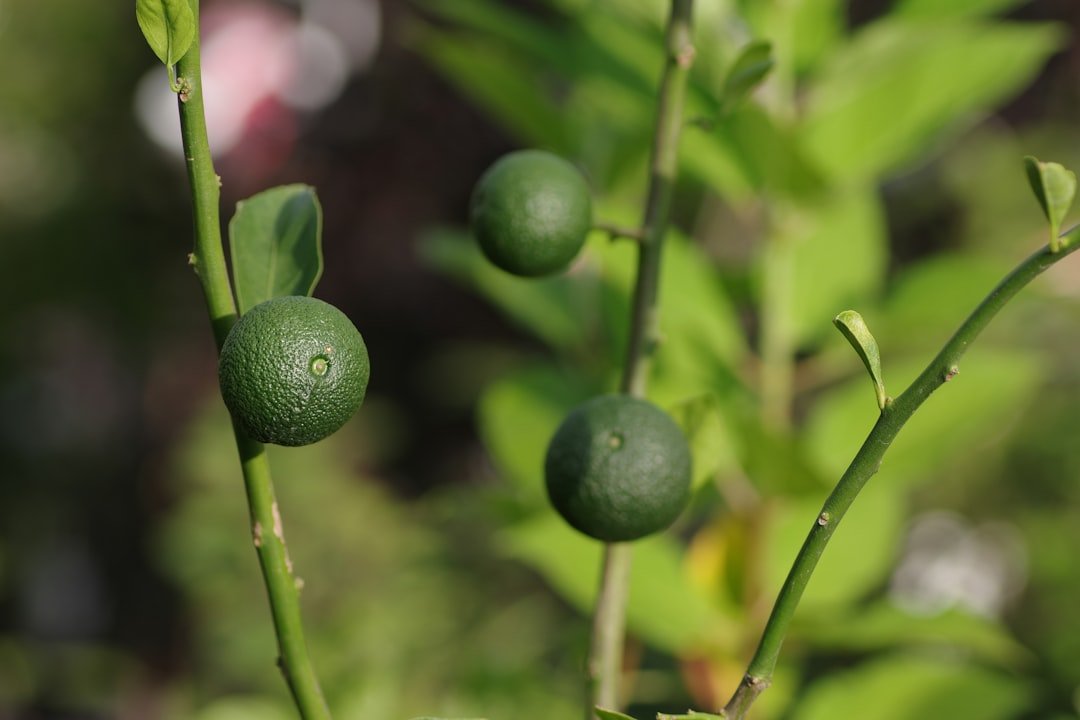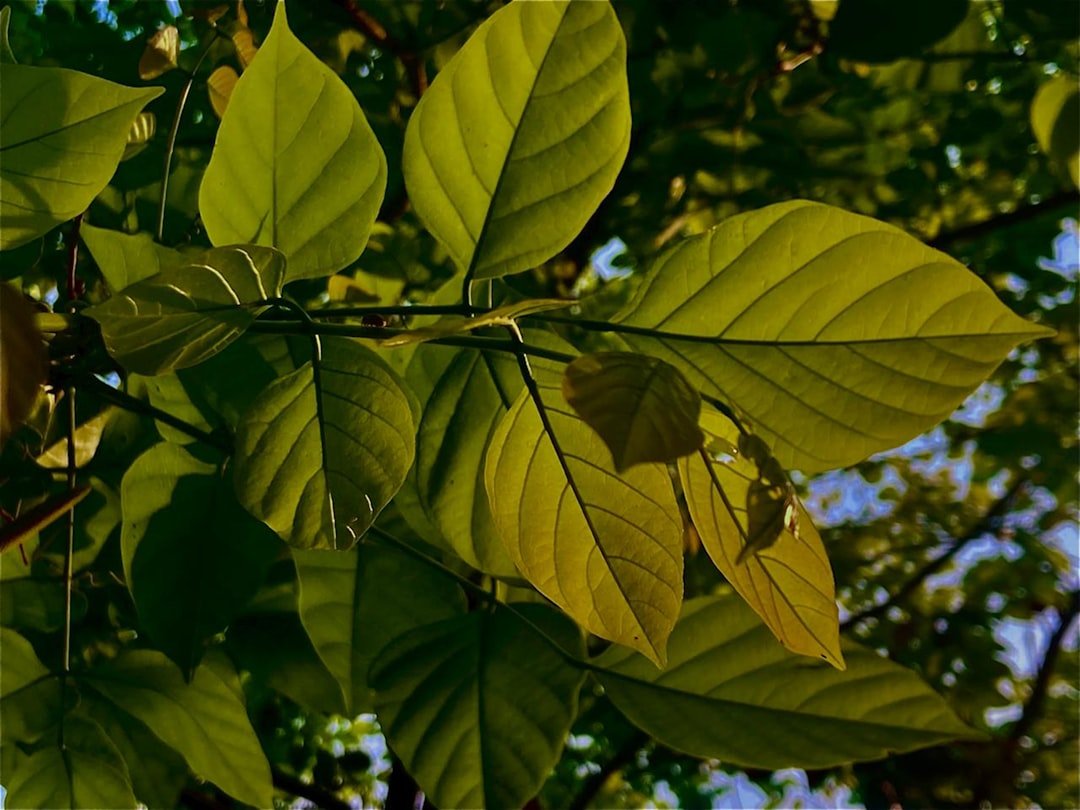
The curry leaf tree, scientifically known as Murraya koenigii, is a small tropical tree native to the Indian subcontinent and widely cultivated in various parts of Asia. This aromatic tree is cherished not only for its culinary applications but also for its numerous health benefits. The leaves, which are glossy and dark green, have a distinct flavor that is often described as a combination of citrus and anise.
The tree can grow up to 6-10 feet tall and thrives in warm climates, making it a popular choice for home gardens in regions with suitable conditions. Curry leaves are an integral part of Indian cuisine, often used in tempering dishes to enhance their flavor profile. Beyond their culinary significance, these leaves are also recognized for their rich nutritional content and medicinal properties.
The curry leaf tree is not just a source of flavor; it embodies a wealth of health benefits that have been utilized in traditional practices for centuries. As interest in natural remedies and holistic health continues to grow, the curry leaf tree has garnered attention for its multifaceted contributions to wellness.
Key Takeaways
- Curry leaf tree is a tropical to sub-tropical tree native to India and Sri Lanka, known for its aromatic leaves used in cooking and traditional medicine.
- Curry leaves are rich in antioxidants, vitamins, and minerals, making them a valuable addition to a healthy diet.
- The health benefits of curry leaf tree include improved digestion, reduced cholesterol levels, and management of diabetes.
- Curry leaves are a staple in South Indian cooking, adding a unique flavor and aroma to dishes like curries, chutneys, and rice.
- The medicinal uses of curry leaf tree range from promoting hair growth and preventing premature graying to treating skin conditions and promoting overall well-being.
Nutritional Benefits of Curry Leaves
Curry leaves are a powerhouse of nutrients, making them an excellent addition to a balanced diet. They are rich in essential vitamins such as vitamin A, vitamin B, vitamin C, and vitamin E. Vitamin A is crucial for maintaining healthy vision and skin, while the B vitamins play a vital role in energy metabolism and brain function.
Additionally, vitamin E contributes to skin health and has anti-inflammatory properties. In terms of minerals, curry leaves are a good source of calcium, iron, magnesium, and phosphorus.
Calcium is essential for bone health, while iron is critical for the production of hemoglobin in red blood cells. Magnesium supports muscle function and energy production, and phosphorus plays a key role in maintaining healthy bones and teeth. Furthermore, curry leaves contain dietary fiber, which aids in digestion and helps regulate blood sugar levels.
This impressive nutritional profile makes curry leaves not only a flavorful addition to dishes but also a valuable component of a health-conscious diet.
Health Benefits of Curry Leaf Tree
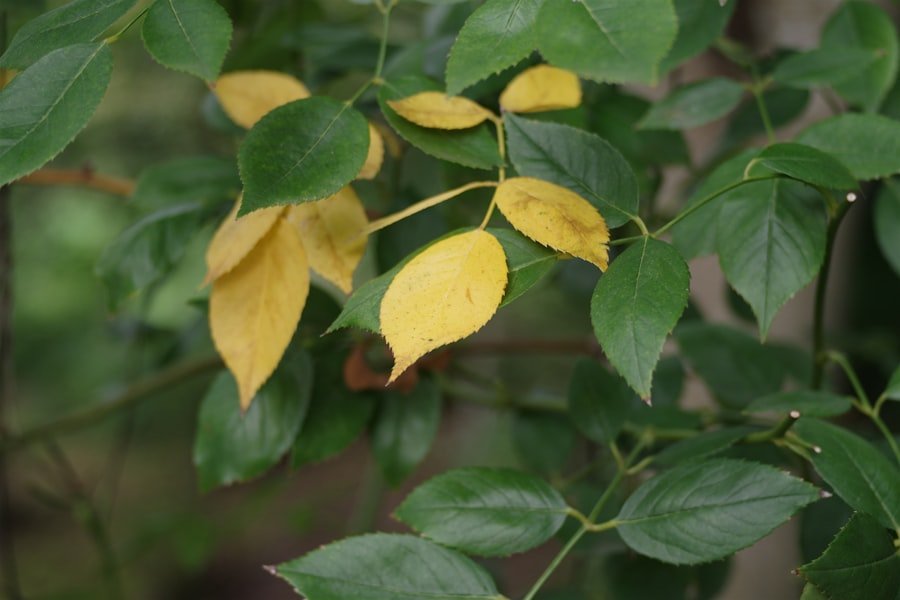
The health benefits of the curry leaf tree extend far beyond its nutritional content. One of the most notable advantages is its potential to aid in digestion. The leaves contain compounds that stimulate the secretion of digestive enzymes, which can help alleviate issues such as bloating and constipation.
Additionally, the presence of fiber in curry leaves promotes regular bowel movements and supports overall gut health. Another significant health benefit associated with curry leaves is their ability to manage blood sugar levels. Research has indicated that extracts from curry leaves may enhance insulin sensitivity and reduce blood glucose levels, making them particularly beneficial for individuals with diabetes or those at risk of developing the condition.
Furthermore, the antioxidant properties of curry leaves help combat oxidative stress, which is linked to various chronic diseases, including heart disease and cancer. By incorporating curry leaves into one’s diet, individuals may harness these protective effects and promote long-term health.
Culinary Uses of Curry Leaves
| Culinary Uses of Curry Leaves |
|---|
| 1. Flavoring agent in curries, soups, and stews |
| 2. Used in chutneys and pickles |
| 3. Added to rice dishes for aroma and flavor |
| 4. Used in tempering for South Indian dishes |
| 5. Flavoring agent in lentil and vegetable dishes |
Curry leaves are a staple ingredient in many South Asian dishes, where they are used to impart a unique flavor that elevates the overall taste profile of meals. In Indian cuisine, they are often added to hot oil during the tempering process, releasing their aromatic oils and infusing the dish with their distinctive taste. This technique is commonly employed in curries, dals (lentil dishes), and rice preparations such as biryani or lemon rice.
Beyond traditional Indian cooking, curry leaves can also be utilized in various other culinary contexts. They can be incorporated into soups, stews, and marinades to add depth and complexity to flavors. In some regions, they are even used in chutneys or ground into powders for seasoning.
The versatility of curry leaves allows them to complement a wide range of ingredients, from vegetables to meats, making them an invaluable asset in any kitchen.
Medicinal Uses of Curry Leaf Tree
The medicinal properties of the curry leaf tree have been recognized for centuries in traditional medicine systems. The leaves are known for their anti-inflammatory and antimicrobial properties, making them useful in treating various ailments. For instance, they have been traditionally used to alleviate symptoms of respiratory conditions such as coughs and colds due to their ability to soothe irritation in the throat.
Moreover, curry leaves have been studied for their potential role in weight management. Some research suggests that compounds found in these leaves may help reduce fat accumulation and promote weight loss by enhancing metabolic processes. Additionally, the anti-diabetic properties of curry leaves have led to their use in managing blood sugar levels naturally.
This multifaceted approach to health underscores the importance of the curry leaf tree in traditional healing practices.
How to Grow and Care for Curry Leaf Tree
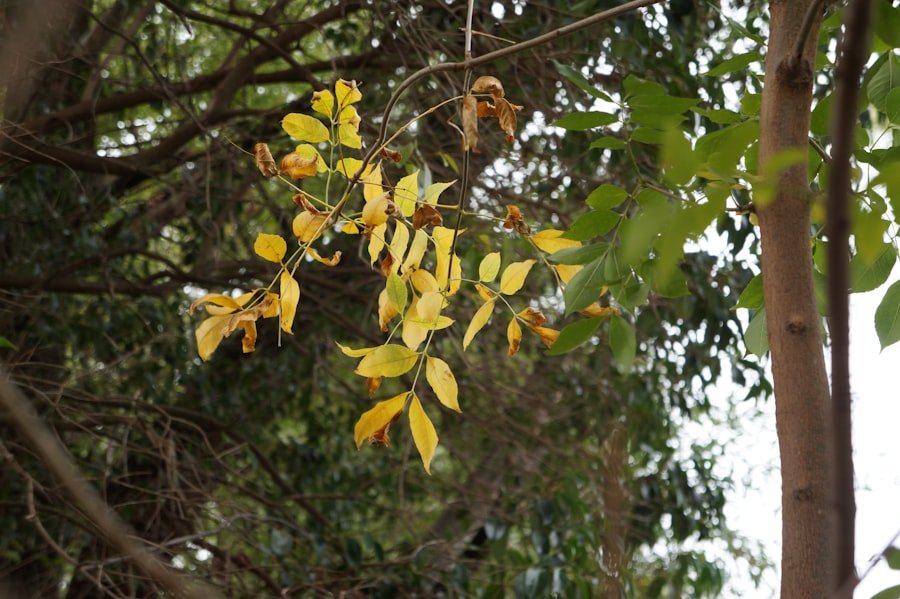
Growing a curry leaf tree can be a rewarding endeavor for gardening enthusiasts and culinary aficionados alike. The tree thrives best in warm climates with plenty of sunlight; ideally, it should receive at least six hours of direct sunlight each day. When planting a curry leaf tree, it is essential to choose well-draining soil enriched with organic matter to promote healthy growth.
A potting mix that includes compost or well-rotted manure can provide the necessary nutrients. Watering is another critical aspect of caring for a curry leaf tree. While the tree prefers slightly moist soil, it is important not to overwater it, as this can lead to root rot.
Allowing the top inch of soil to dry out between waterings is generally recommended. Fertilizing the tree every few months with a balanced fertilizer can also support its growth and enhance leaf production.
Beauty Benefits of Curry Leaf Tree
The beauty benefits of the curry leaf tree extend beyond its culinary and medicinal uses. The leaves are rich in antioxidants and essential nutrients that can contribute positively to skin health. For instance, the anti-inflammatory properties of curry leaves can help soothe irritated skin and reduce redness or swelling associated with conditions like acne or eczema.
Additionally, the presence of vitamin E supports skin hydration and elasticity. Curry leaves can also be beneficial for hair care. They are often used in hair oils or masks due to their ability to strengthen hair follicles and promote healthy hair growth.
The nutrients found in curry leaves can help prevent premature graying and reduce dandruff by nourishing the scalp. Regular application of curry leaf-infused oils may lead to shinier, healthier hair while addressing common scalp issues.
Curry Leaf Tree in Traditional Medicine
In traditional medicine systems such as Ayurveda and Siddha, the curry leaf tree has been revered for its therapeutic properties for centuries. Practitioners have utilized various parts of the plant—leaves, roots, and bark—to create remedies for a wide range of ailments. The leaves are particularly valued for their ability to support digestive health; they are often consumed as part of herbal teas or decoctions aimed at alleviating gastrointestinal discomfort.
Moreover, the anti-diabetic properties attributed to curry leaves have made them a staple in traditional treatments for managing blood sugar levels. In some cultures, fresh curry leaves are chewed daily as a preventive measure against diabetes or included in meals to enhance insulin sensitivity. This integration into daily life reflects the deep-rooted belief in the healing power of nature that characterizes traditional medicine practices.
Curry Leaf Tree in Ayurveda
In Ayurveda, the ancient system of medicine originating from India, the curry leaf tree is classified as having cooling properties that balance the body’s doshas—Vata, Pitta, and Kapha. The leaves are considered beneficial for Pitta dosha due to their ability to cool excess heat in the body, making them useful for conditions characterized by inflammation or acidity. Ayurvedic practitioners often recommend incorporating curry leaves into meals or consuming them as part of herbal preparations to promote overall balance.
Additionally, curry leaves are believed to support liver health by aiding detoxification processes within the body. They are often included in formulations aimed at improving digestion and enhancing metabolic functions. The holistic approach of Ayurveda emphasizes not only physical health but also mental well-being; thus, the aromatic qualities of curry leaves may also contribute positively to mood enhancement when used in cooking or herbal infusions.
Curry Leaf Tree in Home Remedies
The versatility of curry leaves extends into home remedies where they are employed for various health concerns. For instance, a common remedy for digestive issues involves boiling fresh curry leaves in water and consuming the strained liquid as a tea after meals. This practice is believed to alleviate bloating and promote better digestion due to the carminative properties of the leaves.
Another popular home remedy involves using curry leaves for hair care. A paste made from fresh curry leaves blended with coconut oil can be applied directly to the scalp to nourish hair follicles and promote growth while preventing dandruff. This natural treatment harnesses the power of both ingredients—coconut oil’s moisturizing properties combined with the nutrient-rich profile of curry leaves—to enhance hair health effectively.
Conclusion and Final Thoughts on Curry Leaf Tree
The curry leaf tree stands out as an exceptional plant that offers a multitude of benefits across various domains—culinary, medicinal, nutritional, and even beauty-related applications. Its rich history rooted in traditional practices highlights its significance not only as a flavor enhancer but also as a natural remedy with profound health implications. As more people seek natural alternatives for wellness and beauty care, the curry leaf tree continues to gain recognition for its remarkable contributions.
Incorporating curry leaves into daily life can be an enriching experience that connects individuals with nature’s bounty while promoting overall well-being. Whether through cooking delicious meals or utilizing them in home remedies, the myriad uses of this humble yet powerful plant underscore its importance across cultures and generations. As we continue to explore the potential benefits of plants like the curry leaf tree, we embrace a holistic approach that honors both tradition and modern understanding of health.
FAQs
What is a curry leaf tree (Murraya koenigii)?
The curry leaf tree, also known as Murraya koenigii, is a tropical to sub-tropical tree native to India and Sri Lanka. It is known for its aromatic leaves that are commonly used in Indian cooking.
What do curry leaves look and taste like?
Curry leaves are small, narrow, and pointed with a glossy, dark green color. They have a unique flavor that is often described as a mix of citrus and herbal, with a slightly nutty aroma.
How are curry leaves used in cooking?
Curry leaves are commonly used in Indian cuisine to add flavor and aroma to dishes. They are often added to hot oil at the beginning of cooking to release their flavor, and are used in dishes such as curries, dals, chutneys, and soups.
Can curry leaf trees be grown at home?
Yes, curry leaf trees can be grown at home, especially in warm and tropical climates. They require well-drained soil, plenty of sunlight, and regular watering. They can also be grown in pots indoors if provided with enough light.
Are there any health benefits associated with curry leaves?
Curry leaves are rich in antioxidants, vitamins, and minerals, and are believed to have several health benefits. They are thought to aid in digestion, reduce cholesterol, and have anti-inflammatory properties. However, more research is needed to confirm these benefits.