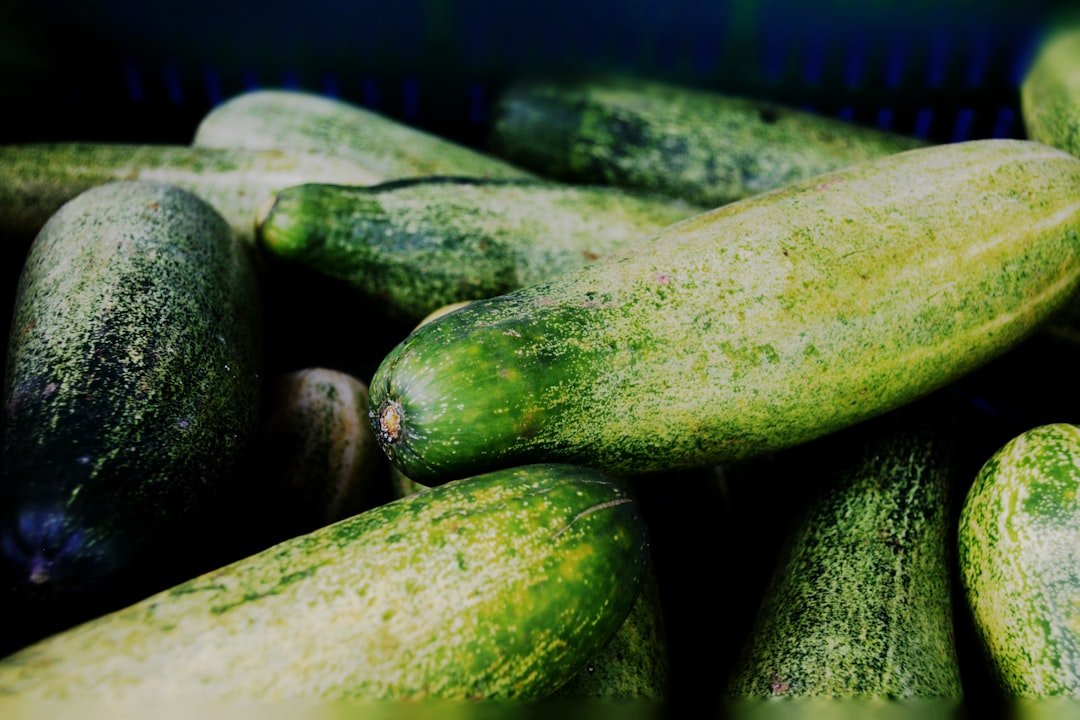
Bush crop cucumbers, a delightful and versatile vegetable, have gained popularity among home gardeners and commercial growers alike. Unlike their vining counterparts, bush cucumbers are characterized by their compact growth habit, making them an ideal choice for small gardens, container gardening, or urban settings where space is at a premium. These cucumbers typically grow to a height of 2 to 3 feet and spread outwards rather than climbing, allowing for easier access and maintenance.
Their shorter stature does not compromise their productivity; in fact, many bush varieties yield an impressive harvest of crisp, refreshing cucumbers. The appeal of bush crop cucumbers extends beyond their size. They are known for their resilience and adaptability, thriving in various climates and soil types.
This adaptability makes them suitable for a wide range of gardening conditions, from the warm, sunny regions of the South to the cooler climates of the North. Additionally, bush cucumbers often mature earlier than traditional vining varieties, providing gardeners with an earlier harvest. This article will delve into the numerous benefits of growing bush crop cucumbers, how to select the right varieties, and the best practices for cultivating these delightful vegetables.
Key Takeaways
- Bush crop cucumbers are a compact variety that is perfect for small gardens or containers.
- Compact cucumber gardening offers benefits such as easier maintenance, higher yields, and space-saving qualities.
- When choosing the right varieties of bush crop cucumbers, consider factors such as space, climate, and intended use.
- Select an ideal location for growing bush crop cucumbers that receives plenty of sunlight and has well-drained soil.
- Prepare the soil for planting bush crop cucumbers by adding organic matter and ensuring proper pH levels.
Understanding the Benefits of Compact Cucumber Gardening
One of the primary advantages of compact cucumber gardening is the efficient use of space. In urban environments where garden plots may be limited, bush cucumbers can be grown in raised beds, containers, or even vertical gardens. Their compact nature allows gardeners to maximize their yield without requiring extensive land.
This is particularly beneficial for those who wish to grow their own food but are constrained by space limitations. Furthermore, bush cucumbers can be interplanted with other vegetables or herbs, creating a diverse and productive garden ecosystem. Another significant benefit is the ease of maintenance associated with bush crop cucumbers.
Their shorter stature means that they are more accessible for harvesting and caring for than sprawling vines. Gardeners can easily reach the fruits without the need for extensive bending or climbing. This accessibility is especially advantageous for individuals with mobility issues or those who prefer a more manageable gardening experience.
Additionally, bush cucumbers often require less staking and support than vining varieties, simplifying the gardening process and reducing the need for additional materials.
Choosing the Right Varieties of Bush Crop Cucumbers
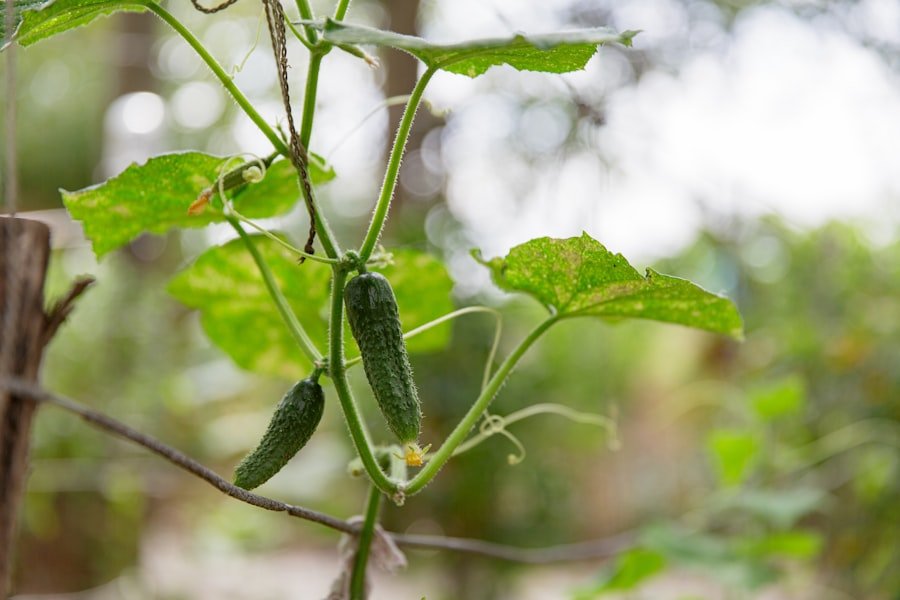
Selecting the right variety of bush crop cucumbers is crucial for ensuring a successful harvest. There are several popular varieties that cater to different tastes and culinary uses. For instance, Bush Champion is a well-known variety that produces medium-sized fruits with a crisp texture and excellent flavor.
It is particularly favored for pickling due to its firm flesh and high yield.
Another excellent choice is ‘Spacemaster,’ which is specifically bred for small gardens and containers.
This variety produces short, straight cucumbers that are perfect for fresh eating or salads. When choosing a variety, it is essential to consider factors such as disease resistance, climate adaptability, and intended use. Some varieties are bred to resist common cucumber diseases like powdery mildew or cucumber beetles, which can significantly impact yield.
For example, ‘Picklebush’ is a disease-resistant variety that thrives in various conditions and produces small pickling cucumbers that are perfect for canning. Additionally, gardeners should consider their local climate; some varieties perform better in cooler temperatures while others thrive in heat. By selecting the right variety based on these factors, gardeners can optimize their chances of a bountiful harvest.
Selecting the Ideal Location for Growing Bush Crop Cucumbers
| Location | Temperature (°C) | Humidity (%) | Sunlight (hours/day) |
|---|---|---|---|
| Location A | 25 | 60 | 8 |
| Location B | 28 | 55 | 9 |
| Location C | 30 | 50 | 10 |
The location chosen for growing bush crop cucumbers plays a pivotal role in their overall health and productivity. Cucumbers thrive in full sun, requiring at least six to eight hours of direct sunlight each day. When selecting a site, it is essential to observe how sunlight moves across the garden throughout the day to ensure that the chosen location receives adequate light exposure.
Areas that are shaded by trees or buildings may hinder growth and reduce yields. In addition to sunlight, soil drainage is another critical factor to consider when selecting a location for bush crop cucumbers. These plants prefer well-draining soil that retains moisture without becoming waterlogged.
Areas with heavy clay or compacted soil can lead to root rot and other issues. If the natural soil conditions are not ideal, gardeners can amend the soil with organic matter such as compost or well-rotted manure to improve drainage and fertility. Furthermore, it is advisable to choose a location that is sheltered from strong winds, as this can damage the plants and hinder their growth.
Preparing the Soil for Planting Bush Crop Cucumbers
Preparing the soil before planting bush crop cucumbers is essential for establishing a healthy growing environment. The first step in soil preparation involves testing the soil pH to ensure it falls within the optimal range of 6.0 to 7.0. Soil testing kits are readily available at garden centers or through local agricultural extension offices.
If the pH is too low (acidic) or too high (alkaline), amendments such as lime or sulfur can be added to adjust it accordingly. Once the pH is balanced, it is crucial to enrich the soil with organic matter to enhance its fertility and structure. Incorporating compost into the soil not only provides essential nutrients but also improves moisture retention and aeration.
A well-prepared bed should be tilled to a depth of at least 12 inches to ensure proper root development and drainage. Additionally, adding a slow-release fertilizer at this stage can provide a nutrient boost that supports vigorous growth during the early stages of development.
Planting and Caring for Bush Crop Cucumbers

When it comes time to plant bush crop cucumbers, timing is key. These plants thrive in warm weather; therefore, it is best to wait until all danger of frost has passed and soil temperatures have reached at least 70°F (21°C). In many regions, this typically occurs in late spring or early summer.
Seeds can be sown directly into the prepared soil or started indoors and transplanted later. If sowing seeds directly, planting them about 1 inch deep and spacing them approximately 12 inches apart will allow ample room for growth. After planting, proper care is essential for ensuring healthy development.
Regular monitoring of plant growth will help identify any issues early on. As seedlings emerge, it’s important to thin them out if they are too crowded; this will prevent competition for nutrients and sunlight. Mulching around the base of the plants can help retain moisture and suppress weeds while also providing a clean surface for harvesting.
Watering and Fertilizing Bush Crop Cucumbers
Watering practices play a crucial role in the successful cultivation of bush crop cucumbers. These plants require consistent moisture to thrive; however, overwatering can lead to root rot and other issues. A general rule of thumb is to provide about 1 inch of water per week, either through rainfall or supplemental irrigation.
It’s best to water deeply but infrequently, encouraging deep root growth while preventing shallow roots that can lead to stress during dry spells. Fertilization should be approached with care as well. While bush crop cucumbers benefit from nutrient-rich soil at planting time, additional fertilization may be necessary as they grow.
A balanced fertilizer with equal parts nitrogen, phosphorus, and potassium can be applied every four to six weeks during the growing season. However, it’s important not to over-fertilize; excessive nitrogen can lead to lush foliage at the expense of fruit production.
Managing Pests and Diseases in Bush Crop Cucumbers
Like all crops, bush crop cucumbers are susceptible to various pests and diseases that can threaten their health and productivity. Common pests include cucumber beetles, aphids, and spider mites. Cucumber beetles are particularly notorious as they not only feed on leaves but also transmit bacterial wilt disease.
To manage these pests effectively, gardeners can employ several strategies such as crop rotation, companion planting with pest-repelling plants like marigolds or nasturtiums, and using row covers during early growth stages. In addition to pests, diseases such as powdery mildew and downy mildew can affect bush crop cucumbers if conditions are favorable for fungal growth—typically warm temperatures coupled with high humidity. To mitigate these risks, it’s essential to practice good garden hygiene by removing any infected plant debris promptly and ensuring adequate air circulation around plants by spacing them appropriately.
Organic fungicides may also be employed as a preventive measure if conditions become conducive to disease development.
Pruning and Supporting Bush Crop Cucumbers
While bush crop cucumbers do not require extensive support like vining varieties, some pruning may still be beneficial for promoting airflow and reducing disease risk. Removing any yellowing or diseased leaves helps maintain plant health by directing energy toward healthy growth and fruit production. Additionally, pruning can help manage plant size if they begin to spread beyond their designated area.
Although bush cucumbers typically do not need trellising, providing some support can enhance air circulation around the plants and make harvesting easier. Simple stakes or small cages can be used if desired; however, this should be done carefully so as not to damage the roots during installation.
Harvesting and Storing Bush Crop Cucumbers
Harvesting bush crop cucumbers at the right time is crucial for enjoying their best flavor and texture. Generally speaking, cucumbers should be harvested when they reach about 6 to 8 inches in length; at this stage, they are firm and crisp without being overly mature or seedy. Regular harvesting encourages continued fruit production; if cucumbers are left on the vine too long, they may become bitter and reduce overall yield.
Once harvested, proper storage techniques will help maintain freshness. Cucumbers should be kept in a cool place—ideally in the refrigerator—where they can last up to a week or more if stored properly in perforated plastic bags that allow for airflow while retaining moisture.
Delicious Recipes and Serving Ideas for Bush Crop Cucumbers
Bush crop cucumbers lend themselves beautifully to a variety of culinary applications due to their crisp texture and refreshing flavor profile. One popular way to enjoy them is by making classic cucumber salad; simply slice fresh cucumbers thinly and toss them with red onion, vinegar, olive oil, salt, pepper, and fresh herbs like dill or parsley for a light side dish perfect for summer meals. For those looking to preserve their harvests, pickling is an excellent option that enhances flavor while extending shelf life.
Quick pickles can be made by soaking sliced cucumbers in a mixture of vinegar, sugar, salt, garlic cloves, and spices like mustard seeds or dill weed—allowing them to marinate in the refrigerator overnight results in tangy treats ready to accompany sandwiches or charcuterie boards. Bush crop cucumbers also shine in refreshing beverages; blending them into smoothies or juices adds hydration along with essential vitamins while providing a unique twist on traditional recipes. In summary, bush crop cucumbers offer an array of benefits that make them an excellent choice for gardeners seeking compact options without sacrificing yield or flavor.
By understanding their needs—from soil preparation through harvesting—gardeners can enjoy bountiful harvests while exploring delicious culinary possibilities with this versatile vegetable.
FAQs
What are bush crop cucumbers?
Bush crop cucumbers are a variety of cucumber that is well-suited for small gardens or containers. They are compact plants that do not require a trellis or support to grow.
How do you grow bush crop cucumbers?
Bush crop cucumbers can be grown in containers or in the ground. They require full sun and well-drained soil. Plant the seeds or seedlings after the last frost date and keep the soil consistently moist.
What are the benefits of growing bush crop cucumbers?
Bush crop cucumbers are ideal for small spaces and are easier to manage than traditional vining cucumbers. They also tend to produce a high yield of cucumbers in a small area.
How do you harvest bush crop cucumbers?
Bush crop cucumbers can be harvested when they reach the desired size, typically 4-6 inches in length. It’s important to check the plants regularly and harvest the cucumbers to encourage more fruit production.
Are bush crop cucumbers resistant to any diseases?
Some varieties of bush crop cucumbers are bred to be resistant to certain diseases, such as powdery mildew and cucumber mosaic virus. It’s important to check the specific variety for disease resistance.