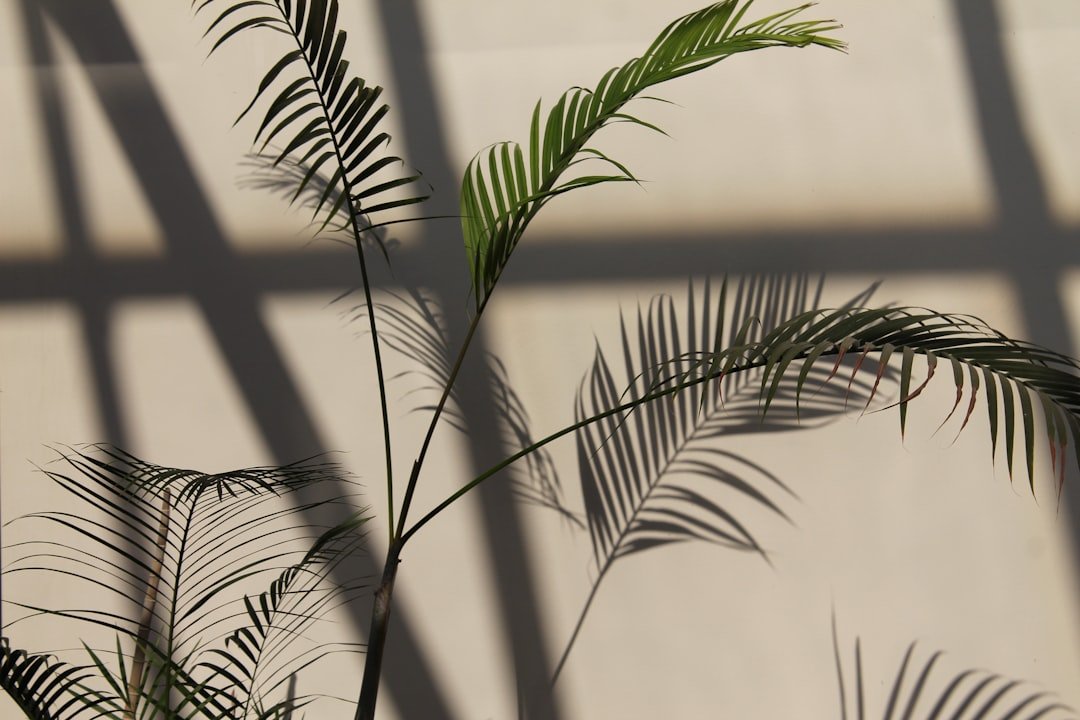
Shade in California gardens can be a complex phenomenon, influenced by various factors such as the time of day, the season, and the surrounding landscape. California’s diverse climate, ranging from coastal to desert, means that shade can manifest differently across the state. In coastal areas, for instance, shade may come from overhanging trees or structures, while in the interior regions, it might be cast by larger hills or mountains.
Understanding the type of shade present in your garden is crucial for selecting the right plants. There are three primary categories of shade: full shade, partial shade, and dappled shade. Full shade refers to areas that receive less than three hours of direct sunlight daily, while partial shade typically receives three to six hours.
Dappled shade occurs when sunlight filters through leaves, creating a mosaic of light and shadow. The implications of these different types of shade are significant for plant selection and garden design. Plants that thrive in full shade often have adaptations that allow them to photosynthesize efficiently in low light conditions.
Conversely, those suited for partial shade may require more light and can tolerate some direct sun exposure. Additionally, the microclimate created by shade can affect soil moisture levels and temperature, which in turn influences plant health and growth. For instance, shaded areas may retain moisture longer than sunlit spots, making them ideal for certain moisture-loving plants.
Understanding these nuances is essential for gardeners looking to create a thriving shade garden in California.
Key Takeaways
- Understanding the different types of shade in California gardens is crucial for successful plant selection and garden design.
- Shade plants in California gardens offer benefits such as reduced water usage, lower energy costs, and a cooler outdoor environment.
- When choosing shade plants for your California garden, consider factors such as the amount of shade, soil type, and water availability.
- Native shade plants are well-suited to California gardens, as they are adapted to the local climate and require less maintenance.
- Low-maintenance shade plants are ideal for busy gardeners and can thrive in the dappled light of California gardens.
Benefits of Shade Plants in California Gardens
Incorporating shade plants into California gardens offers numerous benefits that extend beyond mere aesthetics. One of the most significant advantages is the ability to create a cooler microclimate. As temperatures rise during the summer months, shaded areas can provide a respite from the heat, making outdoor spaces more enjoyable for both people and wildlife.
This cooling effect can also reduce energy costs associated with air conditioning, as shaded homes tend to stay cooler than those exposed to direct sunlight. Moreover, shade plants play a vital role in promoting biodiversity within garden ecosystems. They provide habitat and food sources for various species, including birds, insects, and small mammals.
For example, many native California birds rely on shrubs and trees for nesting sites and protection from predators. Additionally, shade plants can help improve soil health by preventing erosion and promoting nutrient cycling. Their root systems stabilize the soil, while fallen leaves contribute organic matter as they decompose.
This creates a healthier environment for all garden inhabitants and enhances the overall resilience of the ecosystem.
Choosing the Right Shade Plants for Your California Garden
Selecting the appropriate shade plants for your California garden requires careful consideration of several factors, including the specific type of shade present, soil conditions, and water availability. It is essential to assess the light levels throughout the day and throughout different seasons to determine which plants will thrive in your unique environment. For instance, if your garden experiences full shade due to large trees, you may want to focus on plants that are specifically adapted to low-light conditions.
Soil type is another critical factor in plant selection. California’s diverse geology means that soil can vary significantly from one location to another. Some areas may have sandy soils that drain quickly, while others may have clay soils that retain moisture.
Understanding your soil’s composition will help you choose plants that are well-suited to thrive in those conditions. Additionally, consider water availability; some shade plants are drought-tolerant and can survive with minimal irrigation, while others may require more consistent moisture to flourish.
Native Shade Plants for California Gardens
| Plant Name | Water Needs | Sun Exposure | Soil Type |
|---|---|---|---|
| California Fuchsia | Low | Full Sun | Well-drained |
| Yarrow | Low | Full Sun to Partial Shade | Well-drained |
| Western Columbine | Low to Moderate | Partial Shade to Full Shade | Moist, well-drained |
| Hummingbird Sage | Low | Full Sun to Partial Shade | Well-drained |
California is home to a rich array of native plants that thrive in shaded environments, making them excellent choices for local gardens. One notable example is the California bay laurel (Umbellularia californica), a versatile tree that can grow in both full and partial shade. Its aromatic leaves are not only a culinary delight but also provide habitat for various wildlife species.
Another native option is the redwood sorrel (Oxalis oregana), a low-growing perennial that flourishes in moist, shaded areas under trees. Its heart-shaped leaves and delicate white flowers add charm to any garden setting. Additionally, the western sword fern (Polystichum munitum) is an iconic native plant that thrives in shady conditions.
This evergreen fern adds texture and greenery to shaded areas while requiring minimal maintenance once established. The California fuchsia (Epilobium canum) is another native plant that can tolerate partial shade; its vibrant red flowers attract hummingbirds and other pollinators during the blooming season. By incorporating these native species into your garden, you not only enhance its beauty but also support local ecosystems and promote biodiversity.
Low-Maintenance Shade Plants for California Gardens
For gardeners seeking low-maintenance options for shaded areas, several plants stand out due to their resilience and adaptability. The Japanese painted fern (Athyrium niponicum) is an excellent choice; its striking foliage features silvery-green fronds with hints of purple and red. This fern thrives in partial to full shade and requires little care beyond occasional watering during dry spells.
), known for its lush foliage and variety of leaf colors and textures. While hostas are often associated with cooler climates, many varieties have been developed that can tolerate California’s warmer conditions with adequate moisture. They are particularly effective at filling in shady spots where other plants may struggle to grow.
The creeping thyme (Thymus serpyllum) is also worth considering for its ability to thrive in partial shade while providing ground cover that suppresses weeds. Its fragrant leaves release a pleasant aroma when stepped on or brushed against, adding sensory appeal to your garden space. These low-maintenance plants allow gardeners to enjoy beautiful landscapes without extensive upkeep.
Shade-Tolerant Flowers for California Gardens
Incorporating flowering plants into shaded areas can add vibrant color and visual interest to your California garden. One popular choice is the bleeding heart (Dicentra spectabilis), known for its heart-shaped pink flowers that dangle gracefully from arching stems. This perennial thrives in partial shade and prefers moist soil conditions, making it an excellent addition to woodland gardens or shaded borders.
Another stunning option is the columbine (Aquilegia spp.), which produces delicate flowers in various colors ranging from blue to yellow and red. Columbines are adaptable and can thrive in both partial shade and dappled sunlight, making them versatile choices for diverse garden settings. Their unique flower shapes attract pollinators like bees and hummingbirds, enhancing the ecological value of your garden.
The lungwort (Pulmonaria spp.) is also noteworthy for its early spring blooms and attractive spotted leaves. This perennial thrives in shady conditions and provides color when many other plants are still dormant. Its ability to tolerate a range of soil types makes it an excellent choice for gardeners looking to add flowering plants to their shaded areas.
Shade-Loving Shrubs for California Gardens
Shrubs play a crucial role in creating structure and depth within a garden landscape, especially in shaded areas where taller plants may struggle to grow. The evergreen huckleberry (Vaccinium ovatum) is an excellent choice for California gardens; it thrives in partial shade and produces small white flowers followed by edible berries that attract birds and other wildlife. Another fantastic option is the California lilac (Ceanothus spp.), which offers stunning blue flowers that bloom in spring and early summer.
While some varieties prefer full sun, there are several species that can tolerate partial shade conditions while still providing vibrant color and attracting pollinators. The camellia (Camellia japonica) is also a popular choice among gardeners seeking shade-loving shrubs with beautiful blooms. Known for their glossy leaves and large flowers available in various colors, camellias thrive in filtered sunlight or partial shade conditions.
They require well-drained soil and regular watering but reward gardeners with stunning displays throughout the winter months when few other plants are blooming.
Ground Cover Options for Shady Areas in California Gardens
Ground cover plants are essential for preventing soil erosion and suppressing weeds in shaded areas of California gardens. One effective option is the creeping phlox (Phlox subulata), which forms a dense mat of colorful flowers in spring while thriving in partial shade conditions. Its low-growing habit makes it ideal for filling gaps between larger plants or covering bare patches beneath trees.
Another excellent ground cover choice is the sweet woodruff (Galium odoratum), known for its fragrant foliage and delicate white flowers that bloom in spring. This perennial thrives in moist, shady environments and spreads quickly to create a lush carpet of greenery. The Pacific coast strawberry (Fragaria chiloensis) is also worth considering as a ground cover option; it produces sweet berries while providing excellent coverage in shady areas.
Its ability to tolerate coastal conditions makes it particularly suitable for gardens near the ocean or in areas with sandy soils.
Creating a Beautiful Shade Garden in California
Designing a beautiful shade garden involves careful planning and consideration of various elements such as plant selection, layout, and hardscape features. Start by assessing the light conditions throughout your garden space; this will help you determine which areas receive full shade versus partial or dappled light. Once you have identified these zones, you can select appropriate plants that will thrive under those specific conditions.
Incorporating layers into your design can create visual interest and depth within your shade garden. Taller plants such as shrubs or small trees can provide structure at the back or center of your garden bed, while mid-height perennials add texture and color at eye level. Finally, ground cover plants can fill in lower spaces, creating a seamless transition between different layers of vegetation.
Consider adding hardscape elements such as pathways or seating areas within your shade garden to enhance its functionality and aesthetic appeal. Natural stone or gravel paths can lead visitors through the space while providing opportunities for exploration among the diverse plantings.
Maintaining and Caring for Shade Plants in California Gardens
Proper maintenance is essential for ensuring the health and vitality of shade plants within your California garden. Regular watering is crucial during dry spells; however, it’s important not to overwater as this can lead to root rot or other issues associated with excess moisture. Mulching around plants helps retain soil moisture while suppressing weeds that compete for nutrients.
Pruning is another important aspect of maintenance; removing dead or diseased branches encourages healthy growth while improving air circulation within dense plantings. Additionally, periodic fertilization with organic compost or slow-release fertilizers can provide essential nutrients without overwhelming sensitive roots. Monitoring for pests and diseases is also vital; shaded environments can sometimes harbor unwanted insects or fungal issues due to increased humidity levels.
Regular inspections will help you catch any problems early on before they escalate into more significant concerns.
Tips for Designing a Shade Garden in California
When designing a shade garden in California, consider incorporating a variety of textures and colors to create visual interest throughout different seasons. Mixing evergreen plants with deciduous species ensures year-round appeal while allowing seasonal changes to shine through as flowers bloom or foliage changes color. Utilizing vertical space can also enhance your design; consider adding trellises or arbors adorned with climbing plants such as clematis or jasmine that thrive in partial shade conditions.
This not only adds height but also creates focal points within your garden landscape. Finally, don’t forget about incorporating seating areas where you can relax and enjoy your shaded oasis! Benches or chairs placed strategically among lush plantings provide opportunities for contemplation while allowing you to fully appreciate the beauty of your carefully curated space.
By thoughtfully considering these elements during the design process, you can create an inviting shade garden that thrives within California’s unique climate while providing enjoyment for years to come.
FAQs
What are some plants that thrive in shade in California?
Some plants that thrive in shade in California include ferns, hostas, coral bells, Japanese maple, and azaleas.
What are the benefits of planting shade-loving plants in California?
Planting shade-loving plants in California can help conserve water, reduce the need for artificial cooling, and create a more comfortable outdoor environment.
How can I care for shade-loving plants in California?
To care for shade-loving plants in California, it is important to provide them with the right amount of water, ensure proper drainage, and protect them from extreme heat or cold.
Can shade-loving plants be grown in containers in California?
Yes, many shade-loving plants can be grown in containers in California, making them a great option for balconies, patios, and other small spaces.
Are there any native shade-loving plants in California?
Yes, there are several native shade-loving plants in California, including Western sword fern, California bay laurel, and Western columbine.