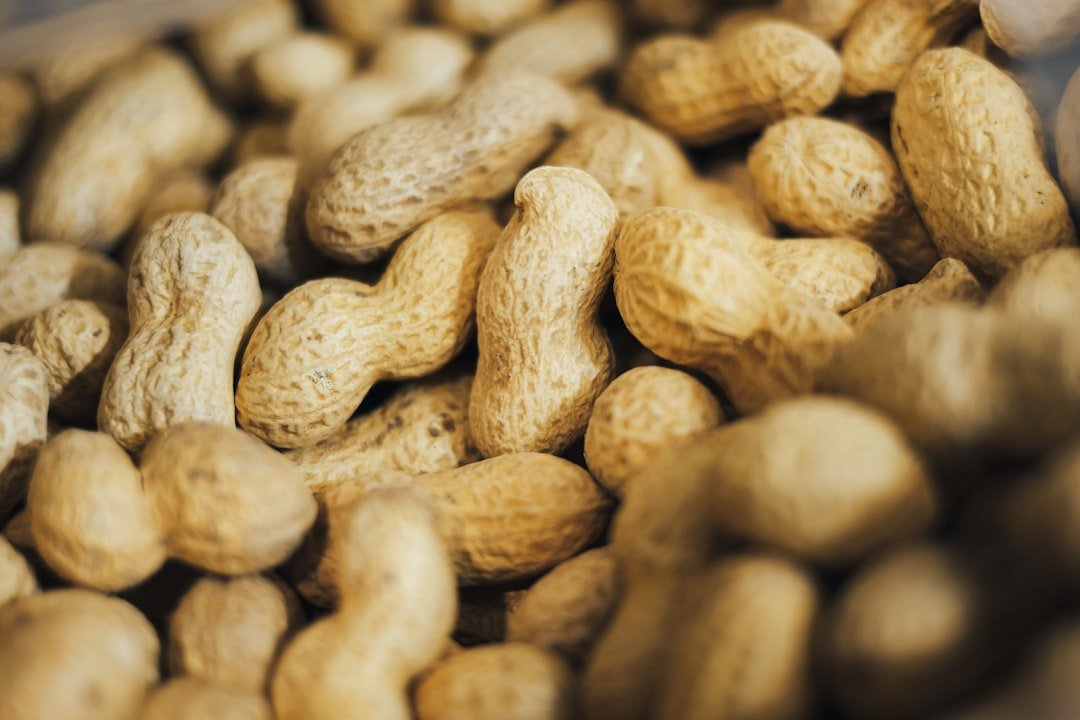
The peanut plant, scientifically known as Arachis hypogaea, is a fascinating legume that thrives in warm climates. Unlike many other crops, peanuts grow underground, which is a unique characteristic that sets them apart from other nuts and legumes. The plant typically reaches a height of about 18 inches and features bright green leaves that are compound and arranged in pairs.
The flowers of the peanut plant are small, yellow, and resemble those of the pea plant. After pollination, the flower stalk elongates and bends downward, allowing the developing pods to burrow into the soil, where they mature. Peanuts are not true nuts; they belong to the legume family, which includes beans and lentils.
This classification is significant because it highlights the plant’s ability to fix nitrogen in the soil, enriching it and making peanuts a beneficial crop for rotation with other plants. The peanut plant’s growth cycle typically spans around 120 to 150 days, depending on the variety and environmental conditions. Understanding these fundamental aspects of the peanut plant is crucial for anyone looking to cultivate this rewarding crop.
Key Takeaways
- Peanut plants are legumes that produce flowers above ground and then send pegs into the soil to develop the peanut pods.
- When choosing a variety of peanuts to grow, consider factors such as the length of the growing season and disease resistance.
- The ideal growing location for peanuts is in full sun with well-drained soil and a pH level between 5.8 and 6.2.
- Before planting peanuts, prepare the soil by removing weeds and adding organic matter to improve drainage and fertility.
- Plant peanut seeds 1-2 inches deep and 6-8 inches apart, and water regularly while avoiding overwatering to prevent diseases.
Choosing the Right Variety of Peanuts
Selecting the appropriate variety of peanuts is essential for successful cultivation, as different types are suited to various climates and soil conditions. The four primary types of peanuts are Virginia, Runner, Spanish, and Valencia. Virginia peanuts are known for their large size and are often used for roasting and snacking.
They thrive in the southeastern United States, where the climate is warm and humid. Runner peanuts, on the other hand, are smaller and have a higher oil content, making them ideal for peanut butter production. They are widely grown in Georgia and Alabama.
Spanish peanuts are characterized by their reddish-brown skin and are often used in candy and snacks due to their sweet flavor. They are more drought-resistant than other varieties, making them suitable for arid regions. Valencia peanuts are unique because they typically produce multiple seeds per pod and are often sold fresh or roasted.
They are primarily grown in New Mexico and are known for their sweet taste. When choosing a variety, consider your local climate, intended use, and soil conditions to ensure optimal growth and yield.
Selecting the Ideal Growing Location
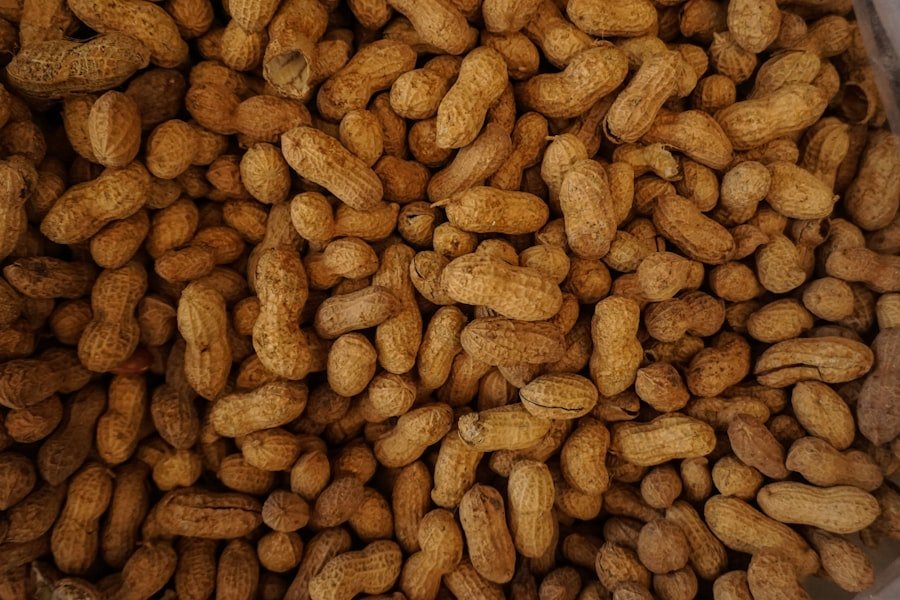
The location where peanuts are grown plays a pivotal role in their development. Peanuts require a warm climate with well-drained sandy loam soil that has a pH level between 6.0 and 6.5. They thrive in areas with full sun exposure, as they need at least six hours of direct sunlight each day to produce healthy yields.
When selecting a site for planting peanuts, it is essential to avoid areas prone to waterlogging or heavy clay soils that can hinder root development. Additionally, crop rotation is an important consideration when choosing a growing location for peanuts. Since peanuts are legumes, they can improve soil fertility by fixing nitrogen; however, planting them in the same spot year after year can lead to disease buildup and nutrient depletion.
Ideally, peanuts should be rotated with non-leguminous crops such as corn or cotton to maintain soil health and maximize productivity.
Preparing the Soil for Peanut Planting
| Soil Preparation Metrics | Measurement |
|---|---|
| Soil pH | 6.0-6.5 |
| Soil Temperature | Above 65°F |
| Soil Moisture | Moist, not waterlogged |
| Weed Control | Free of weeds |
| Soil Nutrients | Optimal levels of nitrogen, phosphorus, and potassium |
Soil preparation is a critical step in ensuring a successful peanut crop. Before planting, it is advisable to conduct a soil test to determine nutrient levels and pH balance.
Incorporating organic matter such as compost or well-rotted manure can enhance soil structure and fertility, providing essential nutrients for the developing plants. Once the soil has been tested and amended as needed, it should be tilled to a depth of at least 12 inches to create a loose seedbed that promotes root penetration. Peanuts prefer well-aerated soil that allows for proper drainage while retaining moisture.
Additionally, creating raised beds can improve drainage and prevent waterlogging during heavy rains. After tilling, it is beneficial to level the soil surface to ensure even planting depth and facilitate uniform germination.
Planting and Caring for Peanut Seeds
Planting peanuts typically occurs in late spring when soil temperatures reach at least 65°F (18°C). The seeds should be planted about 1-2 inches deep and spaced approximately 4-6 inches apart in rows that are 30-36 inches apart. This spacing allows adequate airflow between plants, reducing the risk of disease while providing enough room for the plants to grow.
After planting, it is crucial to monitor the seedlings closely as they emerge. Peanut plants require consistent care during their early growth stages. Weeding is essential to prevent competition for nutrients and water; however, care should be taken not to disturb the shallow roots of the peanut plants while weeding.
Mulching around the plants can help suppress weeds while retaining moisture in the soil.
Watering and Fertilizing Peanuts
Watering is a vital aspect of peanut cultivation, particularly during the flowering and pod development stages when moisture needs are highest. Peanuts require about 1 inch of water per week; however, this can vary based on local climate conditions and soil type. Drip irrigation systems can be particularly effective for delivering consistent moisture directly to the root zone while minimizing water waste.
Fertilization should be approached with caution since peanuts have unique nutrient requirements due to their nitrogen-fixing capabilities. A balanced fertilizer with equal parts nitrogen, phosphorus, and potassium can be applied at planting time; however, excessive nitrogen can lead to lush foliage at the expense of pod development. As the plants mature, side-dressing with additional phosphorus and potassium may be beneficial to support pod formation.
Dealing with Pests and Diseases
Like any crop, peanuts are susceptible to various pests and diseases that can impact yield and quality. Common pests include aphids, thrips, and root-knot nematodes. Aphids can transmit viral diseases that stunt plant growth, while thrips can cause leaf damage that affects photosynthesis.
Regular monitoring of plants for signs of infestation is essential; introducing beneficial insects like ladybugs can help control aphid populations naturally. Diseases such as leaf spot, rust, and southern blight can also pose significant threats to peanut crops. Implementing crop rotation practices can help reduce disease incidence by breaking pest life cycles.
Additionally, using disease-resistant varieties when available can provide an extra layer of protection against common ailments. Proper sanitation practices in the garden—such as removing debris from previous crops—can further minimize disease risks.
Harvesting and Storing Peanuts
Harvesting peanuts requires careful timing to ensure optimal flavor and quality. Peanuts are typically ready for harvest when the leaves begin to yellow and fall off the plant, usually around 120-150 days after planting. To determine readiness more accurately, farmers often check the pods by digging up a few plants; if the pods are plump and filled with seeds, it’s time to harvest.
Once harvested, peanuts must be cured before storage to enhance flavor and prevent spoilage. This process involves drying the peanuts in a warm, dry location with good air circulation for about two weeks. After curing, peanuts can be stored in a cool, dry place in breathable containers such as burlap sacks or mesh bags to prevent moisture buildup that could lead to mold growth.
Using Peanuts in the Kitchen
Peanuts are incredibly versatile in culinary applications, making them a popular ingredient across various cuisines worldwide. They can be consumed raw or roasted as a snack or incorporated into dishes ranging from savory stir-fries to sweet desserts. In many cultures, peanuts are ground into a paste or butter that serves as a base for sauces or spreads; peanut butter is particularly beloved in American households.
In addition to their use as snacks or spreads, peanuts can enhance salads by adding crunch or serve as a protein source in vegetarian dishes. They can also be used in baking—peanut flour is an excellent gluten-free alternative that adds flavor and nutrition to baked goods like cookies or muffins.
Health Benefits of Homegrown Peanuts
Growing your own peanuts not only provides fresh produce but also offers numerous health benefits associated with their consumption. Peanuts are rich in protein, healthy fats, vitamins E and B6, magnesium, phosphorus, and antioxidants like resveratrol. These nutrients contribute to heart health by lowering bad cholesterol levels while promoting overall cardiovascular wellness.
Moreover, peanuts contain dietary fiber that aids digestion and helps maintain stable blood sugar levels—making them an excellent snack option for those managing diabetes or looking to maintain weight. The presence of antioxidants also supports immune function and may reduce inflammation in the body. By cultivating your own peanuts at home, you gain access to these health benefits while enjoying the satisfaction of growing your own food.
Tips for Growing Peanuts in Containers
For those with limited space or poor soil conditions, growing peanuts in containers can be an effective alternative to traditional gardening methods. When selecting containers for peanut cultivation, choose large pots—at least 5 gallons—to provide ample room for root development. Ensure that containers have drainage holes to prevent waterlogging.
Using high-quality potting mix enriched with organic matter will help create an ideal growing environment for container-grown peanuts. Regular watering is crucial since container plants tend to dry out more quickly than those planted directly in the ground; monitoring moisture levels will help ensure healthy growth. Additionally, placing containers in a sunny location will maximize light exposure—essential for producing robust peanut plants.
By following these guidelines on growing peanuts—from understanding their biology to culinary uses—you can embark on a rewarding journey of cultivating this unique legume while reaping its numerous benefits both in your garden and kitchen.
FAQs
What are the ideal growing conditions for peanuts?
Peanuts thrive in warm climates with well-drained, sandy soil. They require full sun and a growing season of about 4-5 months.
Can peanuts be grown in containers?
Yes, peanuts can be grown in containers as long as the container is large enough to accommodate the spreading roots of the peanut plant.
How long does it take to grow peanuts?
Peanuts typically take about 120-150 days to reach maturity, depending on the variety and growing conditions.
Are peanuts easy to grow?
Peanuts are relatively easy to grow, as long as they are provided with the right growing conditions and proper care.
Can peanuts be grown in colder climates?
Peanuts are best suited for warm climates, but they can be grown in colder climates if started indoors and transplanted outside after the last frost.
Do peanuts require a lot of water?
Peanuts require regular watering, especially during the flowering and pod development stages. However, they are sensitive to overwatering and waterlogged soil.
Are peanuts a good crop for home gardeners?
Peanuts can be a rewarding crop for home gardeners, as they are relatively low-maintenance and can be harvested and enjoyed fresh or roasted.