Okra aphids, scientifically known as Aphis gossypii, are small, soft-bodied insects that can wreak havoc on okra plants and other members of the Malvaceae family. These pests are typically less than 1/8 inch long and can be green, yellow, or black in color, making them somewhat challenging to spot against the foliage of the plants they infest. Their bodies are pear-shaped, and they possess long antennae that can be as long as their bodies.
One of the most telling signs of an aphid infestation is the presence of a sticky substance known as honeydew, which they excrete as they feed on plant sap. This honeydew can attract other pests and lead to the growth of sooty mold, further complicating the health of the plant. To effectively identify okra aphids, gardeners should regularly inspect the undersides of leaves and the tender new growth of okra plants.
These areas are prime feeding sites for aphids, as they provide easy access to the plant’s vascular system. In addition to visual inspection, gardeners may notice distorted leaves or stunted growth, which can be indicative of aphid activity. The presence of ants is another clue; ants often protect aphids from their natural predators in exchange for the honeydew they produce.
By understanding these identification markers, gardeners can take timely action to mitigate the impact of these pests.
Key Takeaways
- Okra aphids can be identified by their small size, pear-shaped bodies, and tendency to cluster on the undersides of leaves.
- Okra aphids can cause stunted growth, yellowing of leaves, and reduced fruit production in okra plants.
- Ladybugs, lacewings, and parasitic wasps are natural predators that can help control okra aphid populations.
- Planting companion plants like marigolds and nasturtiums can help deter okra aphids from infesting okra plants.
- Regularly monitoring okra plants for aphid populations and practicing good plant maintenance can help prevent and manage infestations.
Understanding the Impact of Okra Aphids on Plants
The impact of okra aphids on plants can be profound and multifaceted. As sap-sucking insects, they feed on the phloem of okra plants, extracting vital nutrients necessary for growth and development. This feeding behavior can lead to a range of symptoms, including yellowing leaves, wilting, and overall stunted growth.
In severe infestations, the plant may become so weakened that it fails to produce fruit or flowers, significantly reducing yield. The stress inflicted by these pests can also make plants more susceptible to diseases, as weakened plants have a diminished ability to fend off pathogens.
This black fungal growth can cover leaves and stems, blocking sunlight and hindering photosynthesis. As a result, even if the aphids are removed, the plant may continue to suffer from reduced vigor due to the lingering effects of sooty mold. Additionally, the presence of aphids can attract other pests, such as wasps and ants, which may further complicate pest management efforts.
Understanding these impacts is crucial for gardeners aiming to maintain healthy okra crops.
Natural Predators of Okra Aphids
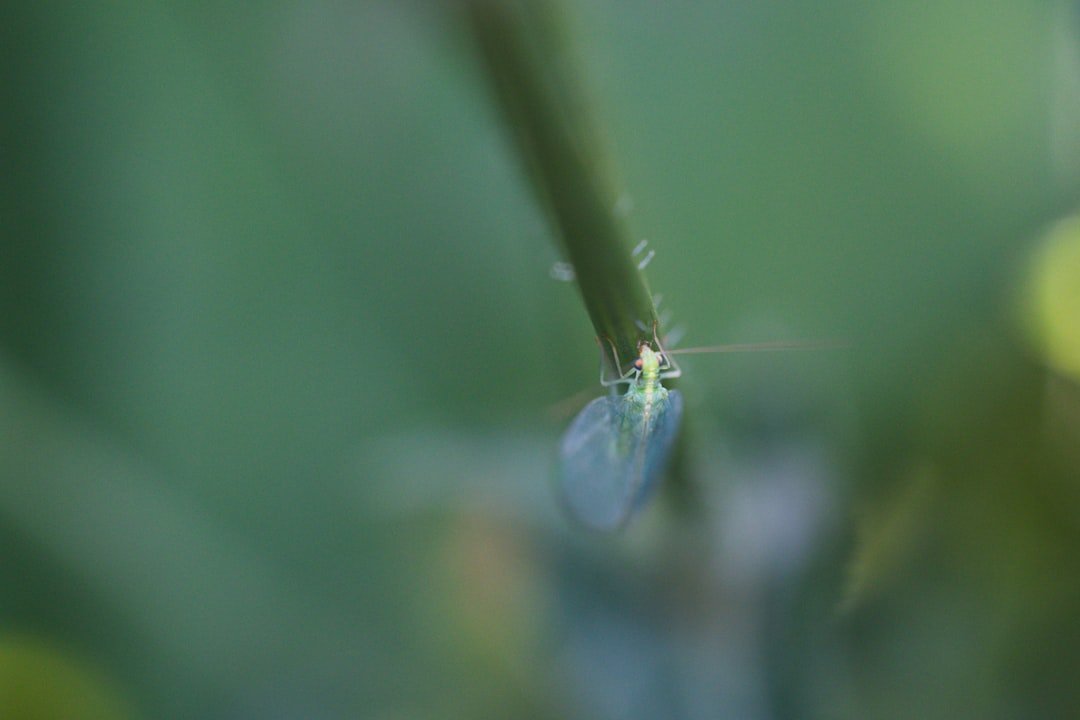
Natural predators play a vital role in controlling okra aphid populations in a sustainable manner. Ladybugs, lacewings, and parasitic wasps are among the most effective natural enemies of these pests. Ladybugs, particularly in their larval stage, are voracious consumers of aphids; a single ladybug can eat up to 5,000 aphids in its lifetime.
Lacewing larvae are also known as “aphid lions” due to their predilection for feeding on these pests. Parasitic wasps lay their eggs inside aphids; when the eggs hatch, the larvae consume the aphid from within, effectively eliminating it from the population. Encouraging these natural predators in the garden can significantly reduce the need for chemical interventions.
Planting a diverse array of flowering plants can attract beneficial insects by providing them with nectar and pollen. For instance, plants such as dill, fennel, and yarrow are known to attract ladybugs and lacewings. By fostering a balanced ecosystem within the garden, gardeners can harness the power of these natural predators to keep okra aphid populations in check.
Preventative Measures for Okra Aphids
| Preventative Measures | Description |
|---|---|
| Crop Rotation | Rotate okra with non-host crops to disrupt aphid life cycles. |
| Companion Planting | Planting marigolds or other repellent plants near okra to deter aphids. |
| Natural Predators | Encourage ladybugs, lacewings, and other beneficial insects to control aphid populations. |
| Pruning | Remove infested plant parts to prevent aphids from spreading. |
| Organic Sprays | Use neem oil or insecticidal soap to control aphids without harming beneficial insects. |
Preventative measures are essential for managing okra aphid populations before they become a significant problem. One effective strategy is to maintain healthy soil through organic amendments such as compost or well-rotted manure. Healthy soil promotes robust plant growth, making okra plants more resilient to pest infestations.
Additionally, proper watering practices can help; overwatering or underwatering can stress plants and make them more susceptible to aphid attacks. Another preventative measure involves crop rotation and intercropping. By rotating okra with non-host crops or planting companion plants that repel aphids—such as marigolds or garlic—gardeners can disrupt the life cycle of these pests.
Regularly monitoring plants for early signs of infestation is also crucial; catching an infestation early allows for more effective management strategies before populations explode.
Chemical Control Options for Okra Aphids
When natural methods fall short or when infestations become severe, chemical control options may be necessary to protect okra crops from aphid damage. Insecticidal soaps and horticultural oils are often recommended as they target soft-bodied insects like aphids while being less harmful to beneficial insects when applied correctly. These products work by suffocating the pests or disrupting their cell membranes, leading to dehydration and death.
Another option is systemic insecticides that are absorbed by the plant and provide longer-lasting protection against aphids. However, it is crucial to use these chemicals judiciously; over-reliance on chemical controls can lead to resistance among pest populations and harm beneficial insects that contribute to pest management. Gardeners should always follow label instructions carefully and consider integrating chemical controls with other management strategies for a more holistic approach.
Organic Control Methods for Okra Aphids
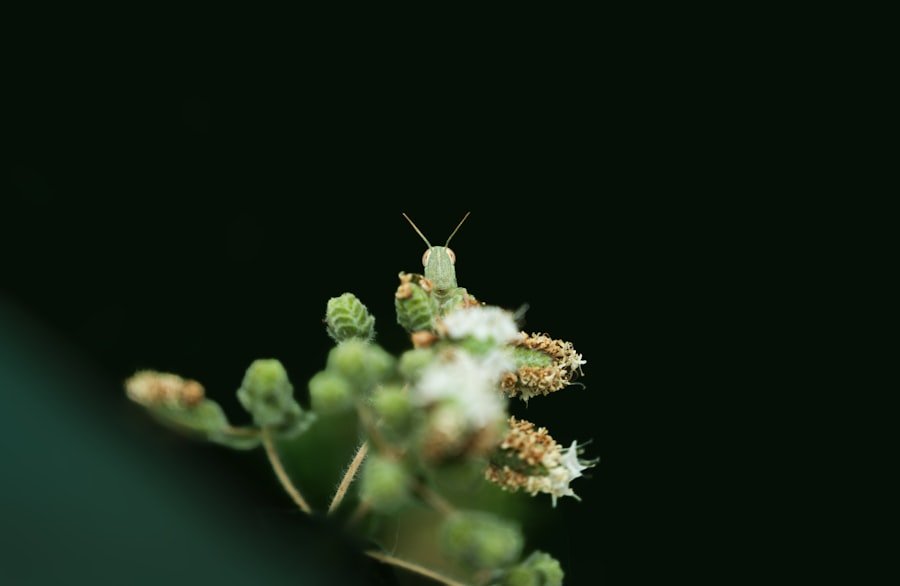
Organic control methods offer an environmentally friendly alternative for managing okra aphid populations without resorting to synthetic chemicals. One popular method is introducing beneficial insects into the garden ecosystem. As previously mentioned, ladybugs and lacewings are excellent natural predators of aphids and can be purchased from garden supply stores or cultivated through companion planting.
Another effective organic method involves using homemade insecticidal sprays made from natural ingredients such as neem oil or garlic. Neem oil disrupts the feeding and reproductive cycles of aphids while being safe for beneficial insects when applied correctly. Garlic sprays can deter aphids due to their strong odor; mixing crushed garlic with water and allowing it to steep before straining can create an effective repellent spray.
Monitoring and Managing Okra Aphid Populations
Monitoring is a critical component of managing okra aphid populations effectively. Regular inspections should be conducted at least once a week during peak growing seasons when aphid activity is most likely to occur. Gardeners should look for signs such as curled leaves, sticky honeydew deposits, or visible clusters of aphids on new growth.
Sticky traps can also be employed to monitor pest populations; these traps capture flying insects and provide insight into pest dynamics in the garden. Once an infestation is detected, immediate action is necessary to prevent further damage. Depending on the severity of the infestation, gardeners may choose to employ natural predators, organic sprays, or chemical controls as previously discussed.
It’s essential to keep records of pest populations over time; this data can help identify patterns and inform future management strategies.
Pruning and Plant Maintenance to Prevent Okra Aphid Infestations
Pruning plays a significant role in maintaining healthy okra plants and preventing aphid infestations. By removing dead or damaged leaves and stems, gardeners can improve air circulation around plants, making them less hospitable to pests like aphids. Additionally, pruning encourages new growth that is less likely to be infested since young leaves are often more attractive to aphids.
Regular maintenance practices such as cleaning up debris around the garden can also help reduce potential hiding spots for pests.
By maintaining a clean and well-pruned garden environment, gardeners can create conditions that deter aphid infestations while promoting overall plant health.
Companion Planting for Okra Aphid Management
Companion planting is an effective strategy for managing okra aphid populations while enhancing overall garden health. Certain plants have been shown to repel aphids or attract beneficial insects that prey on them. For instance, planting marigolds alongside okra can deter aphids due to their strong scent; this aromatic flower is known for its pest-repelling properties.
Additionally, herbs such as basil and mint can serve as excellent companions for okra by attracting predatory insects like ladybugs and lacewings while repelling harmful pests like aphids. Interplanting these companion species not only helps manage pest populations but also promotes biodiversity within the garden ecosystem, leading to healthier plants overall.
Cultural Practices to Reduce Okra Aphid Infestations
Cultural practices play a pivotal role in reducing okra aphid infestations by creating an environment that discourages pest establishment and proliferation. One effective practice is ensuring proper spacing between plants; overcrowded conditions can lead to increased humidity and stress among plants, making them more susceptible to infestations. Implementing crop rotation is another cultural practice that disrupts pest life cycles by preventing them from establishing in one location year after year.
By rotating okra with non-host crops such as beans or corn, gardeners can reduce the likelihood of persistent aphid populations in their gardens. Additionally, maintaining healthy soil through organic amendments fosters robust plant growth that enhances resistance against pests.
Tips for Promoting Healthy Okra Plants Despite Aphid Infestations
Even in cases where okra plants become infested with aphids, there are several strategies gardeners can employ to promote their health and resilience. First and foremost is ensuring adequate water and nutrient supply; well-nourished plants are better equipped to withstand pest pressures and recover from damage caused by feeding. Implementing stress-reducing practices such as mulching can help retain soil moisture while suppressing weed growth that competes with okra for nutrients.
Furthermore, regular monitoring allows gardeners to catch infestations early before they escalate into more significant problems. By combining these practices with integrated pest management strategies—such as encouraging natural predators or using organic sprays—gardeners can maintain healthy okra plants even in the face of aphid challenges.
FAQs
What are okra aphids?
Okra aphids, also known as Aphis gossypii, are small, soft-bodied insects that feed on the sap of okra plants. They are a common pest in okra crops and can cause damage to the plants by stunting growth and spreading diseases.
What do okra aphids look like?
Okra aphids are small, pear-shaped insects that can be green, yellow, or black in color. They have long, slender mouthparts called stylets, which they use to pierce the plant and feed on its sap.
How do okra aphids damage okra plants?
Okra aphids damage okra plants by sucking the sap from the leaves, stems, and pods. This can cause the plants to become stunted, wilted, and discolored. Additionally, aphids can also transmit viruses to the plants, further compromising their health.
How can okra aphids be controlled?
Okra aphids can be controlled through a variety of methods, including the use of insecticidal soaps, neem oil, and natural predators such as ladybugs and lacewings. Additionally, practicing good garden hygiene, such as removing and destroying infested plants, can help prevent the spread of aphids.
Are okra aphids harmful to humans?
Okra aphids are not harmful to humans. They are primarily a pest of okra plants and do not pose any direct threat to human health. However, they can cause significant damage to okra crops if left unchecked.