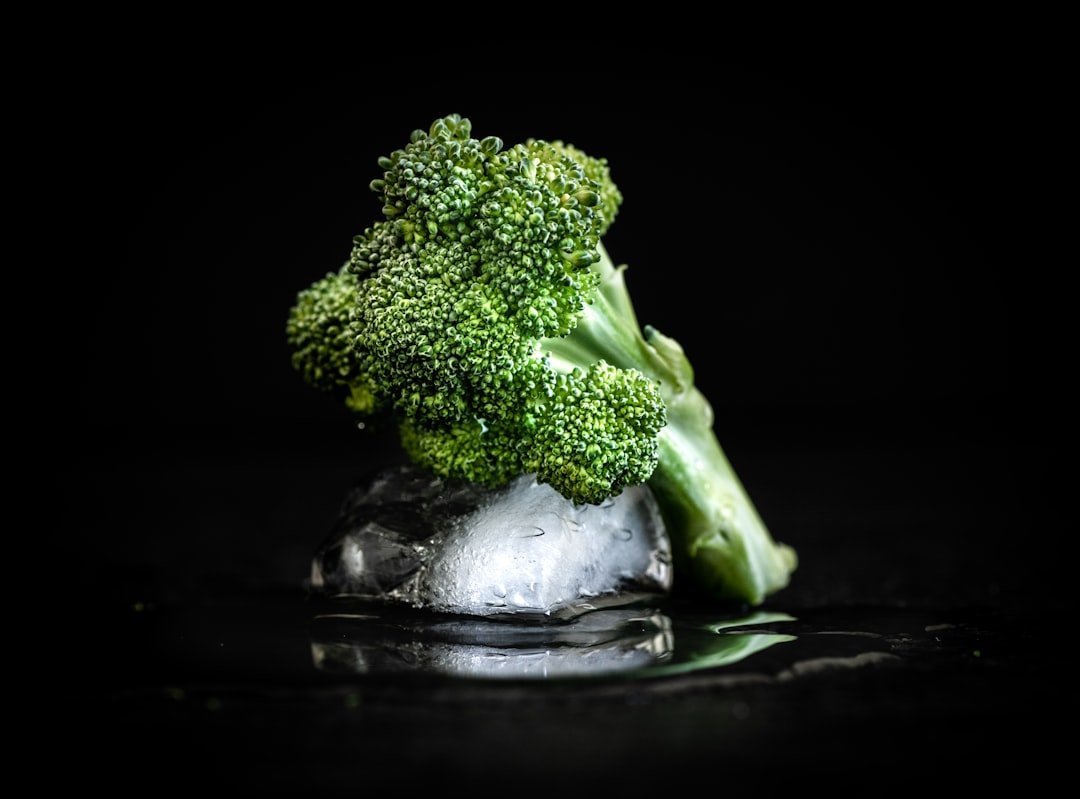
Broccoli, a cruciferous vegetable belonging to the Brassica family, is often hailed as a nutritional powerhouse. This green vegetable is not only versatile in the kitchen but also packed with an impressive array of vitamins, minerals, and antioxidants. A single serving of broccoli can provide a significant portion of the daily recommended intake of essential nutrients, making it a staple in health-conscious diets.
Rich in vitamin C, vitamin K, and folate, broccoli also contains a variety of phytonutrients that contribute to its health-promoting properties. The vibrant green color of broccoli is indicative of its high chlorophyll content, which is associated with numerous health benefits. In addition to its rich nutrient profile, broccoli is low in calories and high in dietary fiber, making it an excellent choice for those looking to maintain or lose weight.
The fiber content aids in digestion and promotes a feeling of fullness, which can help curb overeating. Furthermore, broccoli is a source of several important minerals, including potassium, calcium, and iron. These minerals play crucial roles in various bodily functions, from maintaining healthy blood pressure levels to supporting bone health.
The combination of these nutrients makes broccoli an essential component of a balanced diet.
Key Takeaways
- Broccoli is a nutritional powerhouse packed with vitamins, minerals, and antioxidants.
- Incorporating broccoli into your diet can help improve gut health, digestion, and metabolism.
- Broccoli’s health benefits and nutrient content make it a valuable asset in disease prevention and anti-aging.
- Broccoli farming has environmental benefits, making it a sustainable choice for a balanced and nutritious diet.
- Broccoli’s versatility in cooking and meal planning allows for endless healthy recipe options.
Broccoli’s Health Benefits and Nutrient Content
The health benefits of broccoli extend far beyond its impressive nutrient content. One of the most notable aspects of broccoli is its high concentration of antioxidants, particularly sulforaphane, which has been studied for its potential anti-cancer properties. Research suggests that sulforaphane may help inhibit the growth of cancer cells and reduce inflammation in the body.
Additionally, broccoli is rich in glucosinolates, compounds that have been linked to a lower risk of certain cancers, including breast and prostate cancer. These compounds work by promoting the detoxification processes in the liver and enhancing the body’s ability to eliminate harmful substances. Broccoli is also an excellent source of vitamin C, which plays a vital role in immune function.
This powerful antioxidant helps protect cells from damage caused by free radicals and supports the production of collagen, essential for skin health and wound healing. Moreover, the vitamin K found in broccoli is crucial for bone health, as it aids in calcium absorption and helps maintain bone density. Folate, another key nutrient present in broccoli, is particularly important for pregnant women as it supports fetal development and reduces the risk of neural tube defects.
The combination of these nutrients makes broccoli a formidable ally in promoting overall health and well-being.
How to Incorporate Broccoli into Your Diet

Incorporating broccoli into your diet can be both simple and enjoyable. One of the easiest ways to add this nutritious vegetable to your meals is by steaming or sautéing it as a side dish. Steaming preserves most of its nutrients while enhancing its natural flavor.
A sprinkle of lemon juice or a dash of garlic can elevate the taste without adding excessive calories. For those who prefer a more robust flavor profile, roasting broccoli with olive oil, salt, and pepper can create a delicious caramelized exterior while maintaining its tender-crisp texture. Broccoli can also be seamlessly integrated into various dishes beyond traditional sides.
Adding chopped broccoli to stir-fries not only boosts the nutritional value but also adds a delightful crunch. It pairs well with proteins such as chicken, tofu, or shrimp, making it a versatile ingredient for quick weeknight dinners. Additionally, incorporating broccoli into soups or smoothies can be an innovative way to enjoy its health benefits without compromising on taste.
For instance, blending steamed broccoli with vegetable broth and spices can create a creamy soup that is both satisfying and nutritious.
Broccoli Recipes for a Healthy Lifestyle
| Recipe Name | Preparation Time | Calories per Serving | Protein per Serving |
|---|---|---|---|
| Broccoli Salad | 15 minutes | 150 | 8g |
| Roasted Broccoli | 20 minutes | 120 | 6g |
| Broccoli Stir-Fry | 25 minutes | 180 | 10g |
Exploring creative recipes that feature broccoli can make healthy eating more enjoyable. One popular dish is broccoli salad, which combines raw broccoli florets with ingredients like dried cranberries, sunflower seeds, and a light vinaigrette dressing. This salad not only showcases the crunchiness of fresh broccoli but also provides a balance of flavors and textures that make it appealing to all palates.
Another delicious option is broccoli and cheese casserole, where steamed broccoli is mixed with a creamy cheese sauce and baked until bubbly. This dish can be made healthier by using whole-grain breadcrumbs or low-fat cheese options. For those who enjoy international cuisine, broccoli can be featured in Asian-inspired dishes such as beef and broccoli stir-fry.
This classic dish highlights the vibrant green vegetable alongside tender strips of beef in a savory sauce made from soy sauce, ginger, and garlic. The quick cooking method preserves the nutrients in broccoli while creating a satisfying meal that can be served over brown rice or quinoa for added fiber. Additionally, incorporating broccoli into pasta dishes can enhance both flavor and nutrition; for example, tossing cooked pasta with sautéed garlic, olive oil, and steamed broccoli creates a simple yet delicious meal.
Broccoli’s Role in Disease Prevention
The role of broccoli in disease prevention cannot be overstated. Numerous studies have highlighted its potential protective effects against various chronic diseases. The presence of sulforaphane has garnered significant attention for its ability to combat cancer at multiple stages—from initiation to progression.
Research indicates that sulforaphane may help inhibit tumor growth by targeting cancer stem cells and reducing inflammation within the body. Furthermore, the antioxidants found in broccoli contribute to reducing oxidative stress, which is linked to the development of chronic diseases such as heart disease and diabetes.
The fiber content helps lower cholesterol levels while promoting healthy blood pressure through its potassium content. Moreover, the anti-inflammatory compounds present in broccoli may help reduce arterial stiffness and improve overall heart function. Regular consumption of this cruciferous vegetable has been linked to lower rates of heart disease and stroke, making it an essential component of a heart-healthy diet.
The Environmental Benefits of Broccoli Farming

Broccoli farming offers several environmental benefits that contribute to sustainable agriculture practices. As a cool-season crop, broccoli requires less water compared to many other vegetables, making it an efficient choice for farmers looking to conserve resources. Additionally, its relatively short growing season allows for multiple harvests within a year, promoting crop rotation and reducing soil depletion.
This practice not only enhances soil health but also minimizes the need for chemical fertilizers and pesticides. Moreover, growing broccoli can support biodiversity within agricultural ecosystems. As part of the Brassica family, it can be intercropped with other vegetables to create a more diverse planting system that attracts beneficial insects and pollinators.
This diversity helps reduce pest populations naturally while promoting healthier crops overall. Furthermore, local sourcing of broccoli reduces transportation emissions associated with long-distance food transport, making it an environmentally friendly choice for consumers who prioritize sustainability.
Broccoli’s Versatility in Cooking and Meal Planning
The versatility of broccoli extends beyond its nutritional benefits; it can be adapted to fit various cooking styles and meal planning strategies. Whether you prefer raw, steamed, roasted, or blended forms, there are countless ways to enjoy this vegetable throughout the week. For meal prep enthusiasts, blanching broccoli florets and storing them in airtight containers allows for quick additions to salads or stir-fries during busy weekdays.
This not only saves time but also ensures that nutritious options are readily available. Broccoli can also serve as a base for creative meal planning ideas. For instance, using it as a substitute for rice or pasta can significantly increase the nutrient density of meals while reducing carbohydrates.
Riced broccoli can be made by pulsing raw florets in a food processor until they resemble grains; this can then be used as a base for grain bowls or stir-fries. Additionally, incorporating broccoli into breakfast dishes such as omelets or frittatas adds an extra boost of vitamins to start the day off right.
Broccoli’s Impact on Gut Health and Digestion
The impact of broccoli on gut health is another compelling reason to include it in your diet regularly. Its high fiber content plays a crucial role in promoting digestive health by supporting regular bowel movements and preventing constipation. Fiber acts as a prebiotic, feeding beneficial gut bacteria that contribute to a healthy microbiome.
A balanced gut microbiome is essential for overall health as it influences everything from digestion to immune function. Moreover, certain compounds found in broccoli may help protect against gastrointestinal disorders. For example, sulforaphane has been shown to have protective effects on the gut lining by reducing inflammation and promoting the growth of healthy gut cells.
This can be particularly beneficial for individuals suffering from conditions such as irritable bowel syndrome (IBS) or inflammatory bowel disease (IBD). By incorporating broccoli into meals regularly, individuals can support their digestive health while enjoying its myriad flavors.
Broccoli’s Role in Weight Management and Metabolism
Broccoli’s role in weight management is largely attributed to its low-calorie density combined with high fiber content. Foods that are low in calories but high in volume can help individuals feel full without consuming excessive calories—an essential factor for successful weight loss or maintenance strategies. The fiber in broccoli not only aids digestion but also slows down the absorption of nutrients, leading to prolonged feelings of satiety after meals.
Additionally, certain compounds found in broccoli may enhance metabolic processes within the body. Research suggests that sulforaphane may help regulate blood sugar levels by improving insulin sensitivity—a crucial factor for weight management and metabolic health. By stabilizing blood sugar levels, individuals may experience fewer cravings for unhealthy snacks throughout the day.
Incorporating broccoli into meals can thus support weight management efforts while providing essential nutrients that promote overall well-being.
Broccoli’s Potential in Anti-Aging and Skin Health
The potential benefits of broccoli extend into the realm of anti-aging and skin health due to its rich antioxidant content. Vitamin C plays a pivotal role in collagen synthesis—an essential protein that maintains skin elasticity and firmness as we age. By consuming foods rich in vitamin C like broccoli, individuals may support their skin’s structure while reducing the appearance of fine lines and wrinkles.
Moreover, sulforaphane has been studied for its protective effects against UV radiation damage—one of the leading causes of premature aging skin. By neutralizing free radicals generated by sun exposure, sulforaphane may help mitigate oxidative stress on skin cells and promote healthier skin overall. Incorporating broccoli into your diet could thus serve as an effective strategy for maintaining youthful skin while reaping additional health benefits.
Broccoli’s Contribution to a Balanced and Nutritious Diet
Incorporating broccoli into your daily meals contributes significantly to achieving a balanced and nutritious diet.
As part of a plant-based diet or alongside lean proteins and whole grains, broccoli enhances overall meal quality by providing vital nutrients that support bodily functions.
Furthermore, embracing seasonal produce like broccoli encourages individuals to explore new recipes and cooking methods while fostering an appreciation for fresh ingredients. By prioritizing vegetables like broccoli within meal planning strategies—whether through salads, stir-fries, or casseroles—individuals can cultivate healthier eating habits that promote long-term wellness. Ultimately, making room for this versatile vegetable on your plate not only enriches your diet but also supports overall health goals.
FAQs
What is broccoli magic?
Broccoli magic refers to the various health benefits and nutritional value of broccoli, a green vegetable belonging to the cabbage family.
What are the health benefits of broccoli?
Broccoli is a nutrient-dense vegetable that is high in vitamins, minerals, and fiber. It is known for its potential to reduce the risk of cancer, improve digestion, support heart health, and boost the immune system.
How can broccoli be incorporated into a healthy diet?
Broccoli can be enjoyed in a variety of ways, including steamed, roasted, sautéed, or raw in salads. It can also be added to soups, stir-fries, and pasta dishes for an extra dose of nutrition.
What nutrients are found in broccoli?
Broccoli is rich in vitamin C, vitamin K, vitamin A, folate, potassium, and fiber. It also contains phytonutrients such as sulforaphane, which have antioxidant and anti-inflammatory properties.
Is broccoli suitable for all dietary preferences?
Broccoli is a versatile vegetable that can be included in various dietary preferences, including vegetarian, vegan, gluten-free, and low-carb diets. It is a low-calorie, nutrient-rich option for those looking to maintain a healthy lifestyle.