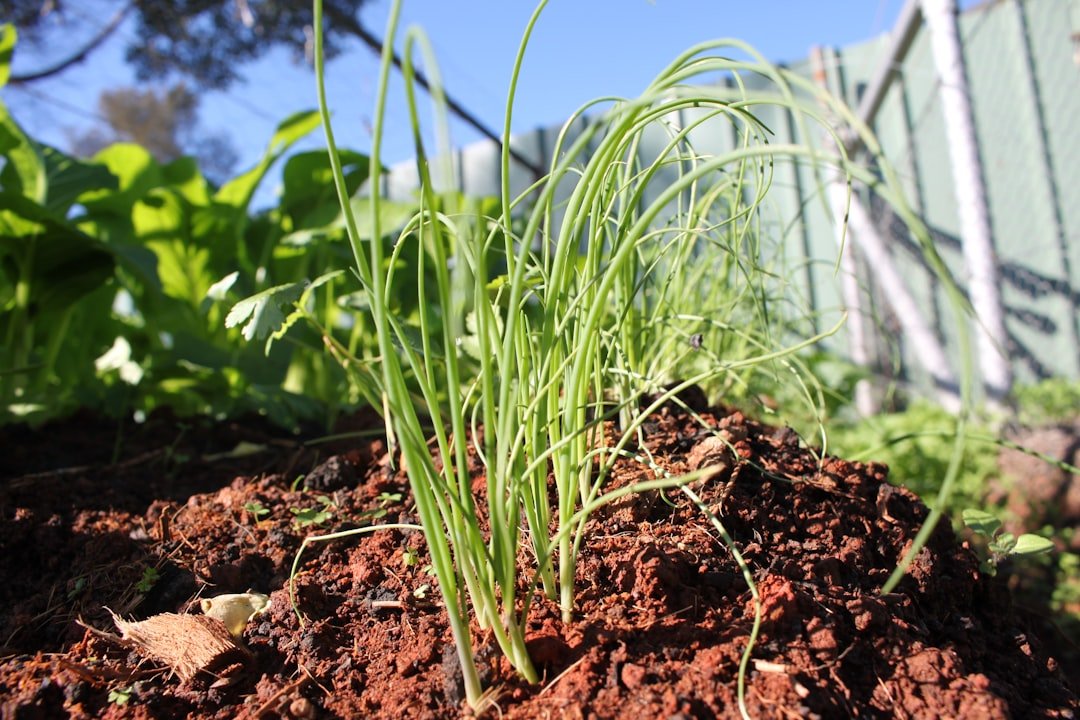
Container gardening has emerged as a popular method for growing a variety of plants, particularly in urban settings where space is limited. This approach allows individuals to cultivate their own gardens on balconies, patios, or even small yards, making it accessible to those who may not have traditional garden plots. The versatility of container gardening means that almost any plant can be grown in a pot, provided the right conditions are met.
This method not only maximizes space but also offers the flexibility to move plants around to optimize sunlight exposure and protect them from harsh weather conditions. One of the most appealing aspects of container gardening is the ability to control the growing environment. Gardeners can select specific soil types, manage watering more effectively, and even choose the size and style of containers that best suit their aesthetic preferences.
This level of control can lead to healthier plants and more bountiful harvests. Among the many crops suitable for container gardening, shallots stand out as an excellent choice due to their relatively low maintenance requirements and the delightful flavor they add to a variety of dishes.
Key Takeaways
- Container gardening is a great way to grow vegetables in small spaces or urban environments.
- Growing shallots in containers offers benefits such as space-saving, easy maintenance, and protection from pests and diseases.
- When choosing a container for shallots, opt for a pot that is at least 8 inches deep and has good drainage.
- Use well-draining soil with a good mix of compost and perlite for growing shallots in containers.
- Plant shallot bulbs in containers with the pointed end facing up, and water regularly while avoiding overwatering.
Benefits of Growing Shallots in Containers
Growing shallots in containers offers numerous advantages that make them an attractive option for both novice and experienced gardeners. One significant benefit is the ability to control soil quality and drainage. Shallots thrive in well-draining soil that is rich in organic matter, and using containers allows gardeners to create the ideal growing medium tailored specifically for these bulbs.
This control over soil conditions can lead to healthier plants and a more robust harvest. Another advantage of container gardening for shallots is the ease of pest management. Shallots are susceptible to certain pests and diseases, but growing them in containers can help mitigate these issues.
Containers can be moved away from infested areas or placed on elevated surfaces to deter pests like slugs and snails. Additionally, gardeners can easily monitor their plants for signs of trouble, allowing for prompt intervention if any issues arise. This proactive approach can lead to a more successful growing experience.
Choosing the Right Container for Shallots

Selecting the appropriate container is crucial for successful shallot cultivation. Shallots require ample space for their roots to develop, so choosing a container that is at least 12 inches deep and wide is advisable. This depth allows for proper root growth while also providing enough room for multiple shallots if desired.
Containers made from materials such as plastic, ceramic, or wood can all work well, but it’s essential to ensure that they have adequate drainage holes to prevent waterlogging. In addition to size and material, the weight of the container should also be considered, especially if it will be moved frequently. Lightweight options like plastic or resin are easier to handle than heavier materials like terracotta or stone.
Furthermore, gardeners should consider the aesthetic appeal of the container, as it will be a visible part of their outdoor space. Choosing a container that complements the surrounding environment can enhance the overall look of the garden while still serving its functional purpose.
Selecting the Right Soil for Shallots
| Soil Type | pH Level | Organic Matter | Drainage |
|---|---|---|---|
| Loamy Soil | 6.0-7.0 | High | Well-drained |
| Sandy Soil | 6.0-7.0 | Low to Medium | Well-drained |
| Clay Soil | 6.0-7.0 | High | Good drainage required |
The choice of soil is a critical factor in the successful growth of shallots in containers. Shallots prefer a loose, well-draining soil that retains moisture without becoming soggy. A high-quality potting mix designed for vegetables is often an excellent choice, as it typically contains a blend of peat moss, vermiculite, and composted materials that provide both aeration and nutrients.
Adding organic matter such as well-rotted manure or compost can further enhance soil fertility and structure. It’s also beneficial to incorporate some sand or perlite into the potting mix to improve drainage. Shallots are particularly sensitive to waterlogged conditions, which can lead to rot and other diseases.
A well-draining soil mix will help ensure that excess water can escape while still retaining enough moisture for healthy growth. Regularly checking the soil’s moisture level and adjusting watering practices accordingly will help maintain optimal conditions for shallot cultivation.
Planting Shallots in Containers
When it comes time to plant shallots in containers, timing is essential. Shallots are typically planted in early spring or late summer, depending on the desired harvest time. Before planting, it’s important to prepare the shallot bulbs by selecting healthy ones that are firm and free from blemishes or soft spots.
If using sets (small bulbs), they should be about one inch in diameter for optimal growth. To plant shallots in containers, fill the chosen pot with the prepared soil mix, leaving about an inch of space at the top.
Space them approximately four to six inches apart to allow for adequate growth and airflow between plants. After planting, gently water the soil to settle it around the bulbs without causing waterlogging.
Watering and Fertilizing Shallots in Containers

Proper watering practices are vital for container-grown shallots, as they are more susceptible to drying out than those grown in traditional garden beds. Shallots require consistent moisture but do not tolerate soggy conditions. It’s essential to check the soil regularly; if the top inch feels dry, it’s time to water.
A thorough watering until excess moisture drains from the bottom of the container is ideal, ensuring that the roots receive adequate hydration. Fertilization is another critical aspect of growing shallots in containers. Shallots benefit from a balanced fertilizer applied at planting time and again during their growing season.
A slow-release fertilizer can provide essential nutrients over an extended period, while liquid fertilizers can be used every few weeks during active growth phases. Organic options such as fish emulsion or seaweed extract can also be effective in promoting healthy growth without chemical additives.
Providing Adequate Sunlight for Shallots in Containers
Shallots thrive in full sun conditions, requiring at least six hours of direct sunlight each day for optimal growth. When selecting a location for container-grown shallots, it’s crucial to choose a spot that receives ample sunlight throughout the day. If growing shallots on a balcony or patio, consider placing them near a south-facing wall or railing where they can soak up maximum sunlight.
In situations where natural sunlight is limited, supplemental lighting may be necessary, especially during shorter days in early spring or late fall. Grow lights can provide the necessary light spectrum for healthy growth and development when natural sunlight is insufficient. Positioning containers strategically throughout the day can also help maximize exposure; rotating them periodically ensures all sides receive equal sunlight.
Managing Pests and Diseases in Container-Grown Shallots
While container gardening offers some advantages in pest management, it’s still essential to remain vigilant against potential threats to shallot crops. Common pests that may affect shallots include onion flies, aphids, and thrips. Regularly inspecting plants for signs of infestation—such as discolored leaves or visible insects—can help catch problems early on.
If pests are detected, organic insecticidal soaps or neem oil can be effective treatments that minimize harm to beneficial insects. Diseases such as downy mildew and bulb rot can also pose challenges for container-grown shallots. To prevent these issues, maintaining proper air circulation around plants is crucial; overcrowding should be avoided by ensuring adequate spacing between bulbs.
Additionally, practicing crop rotation by not planting shallots or other alliums in the same container year after year can help reduce disease buildup in the soil.
Harvesting Shallots from Containers
Harvesting shallots at the right time is key to ensuring optimal flavor and storage potential. Typically, shallots are ready for harvest when their tops begin to yellow and fall over, indicating that they have reached maturity. This usually occurs about 90-120 days after planting, depending on the variety and growing conditions.
Gently lifting shallots from the soil using a garden fork or hand trowel helps avoid damage to the bulbs. After harvesting, it’s important to cure shallots properly before storage. Curing involves allowing harvested bulbs to dry in a warm, well-ventilated area away from direct sunlight for about two weeks.
This process helps toughen their skins and prolongs shelf life by reducing moisture content. Once cured, shallots can be trimmed of their roots and tops before being stored in a cool, dark place with good air circulation.
Storing Shallots Grown in Containers
Proper storage techniques are essential for maintaining the quality of harvested shallots over time. Once cured, shallots should be kept in a cool environment with temperatures ideally between 32°F and 50°F (0°C – 10°C). A dark pantry or cellar works well for this purpose; however, they should not be stored in plastic bags as this can trap moisture and lead to rot.
Shallots can be stored in mesh bags or baskets that allow air circulation around them. It’s important to check stored bulbs regularly for any signs of spoilage or sprouting; removing any affected bulbs promptly will help prevent spoilage from spreading to healthy ones. When stored correctly, shallots can last several months, providing a flavorful addition to meals long after they have been harvested.
Tips for Success with Container-Grown Shallots
To achieve success with container-grown shallots, several best practices should be followed throughout their cultivation journey. First and foremost is selecting high-quality bulbs or sets from reputable sources; this ensures that you start with healthy stock that is more likely to thrive in your garden environment. Additionally, keeping detailed records of planting dates and care routines can help identify what works best over time.
Regular monitoring of environmental conditions—such as temperature fluctuations and moisture levels—can also contribute significantly to successful growth outcomes. Adjusting watering schedules based on weather patterns ensures that plants receive adequate hydration without becoming waterlogged. Finally, engaging with local gardening communities or online forums can provide valuable insights and support from fellow gardeners who share similar interests in growing shallots and other crops in containers.
By following these guidelines and remaining attentive throughout the growing season, gardeners can enjoy a bountiful harvest of flavorful shallots right from their own containers—bringing fresh ingredients directly from their home gardens into their kitchens.
FAQs
What are shallots?
Shallots are a type of onion that have a milder, sweeter flavor than regular onions. They are often used in cooking to add a subtle onion flavor to dishes.
Can shallots be grown in containers?
Yes, shallots can be successfully grown in containers. This is a great option for gardeners with limited space or those who want to control the growing conditions of their shallots.
What type of container is best for growing shallots?
A container that is at least 8 inches deep and has good drainage is best for growing shallots. This allows for proper root development and prevents waterlogging.
What kind of soil should be used for growing shallots in containers?
A well-draining, nutrient-rich potting mix is ideal for growing shallots in containers. Adding some compost or organic matter can also help provide the necessary nutrients for healthy growth.
How often should shallots be watered when grown in containers?
Shallots in containers should be watered regularly, keeping the soil consistently moist but not waterlogged. This may require watering every 2-3 days, depending on the climate and container size.
Can shallots grown in containers be harvested?
Yes, shallots grown in containers can be harvested once the tops begin to yellow and die back. This typically occurs in late summer or early fall, depending on when they were planted.
Are there any specific pests or diseases to watch out for when growing shallots in containers?
Shallots are generally resistant to pests and diseases, but it’s important to keep an eye out for onion thrips, onion maggots, and fungal diseases such as botrytis. Using proper sanitation and practicing crop rotation can help prevent these issues.