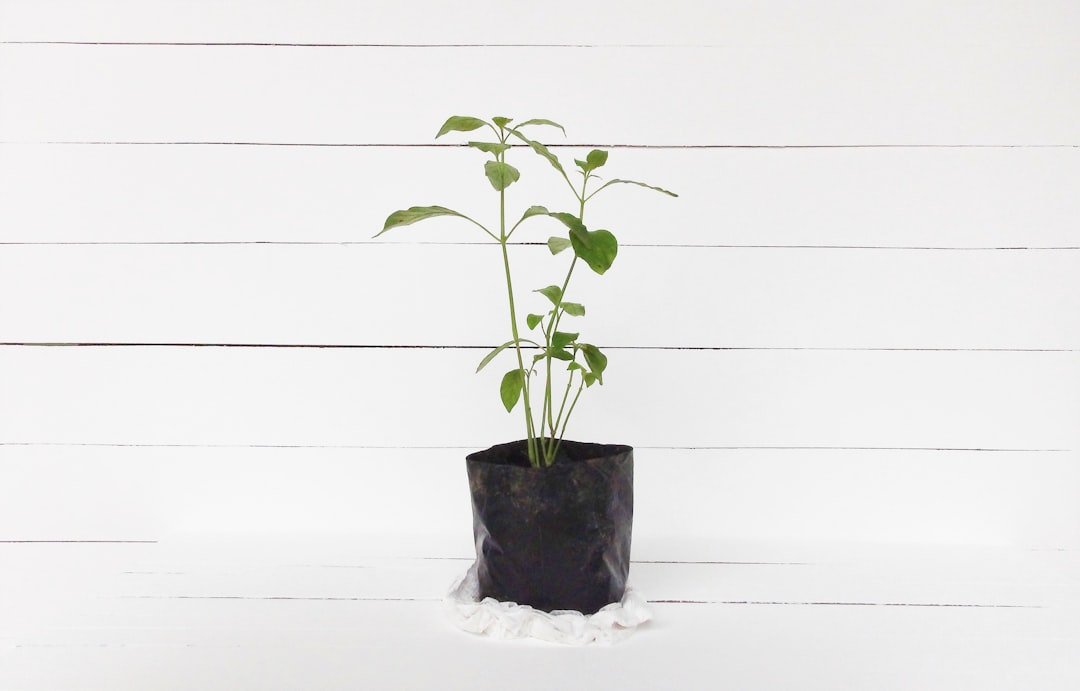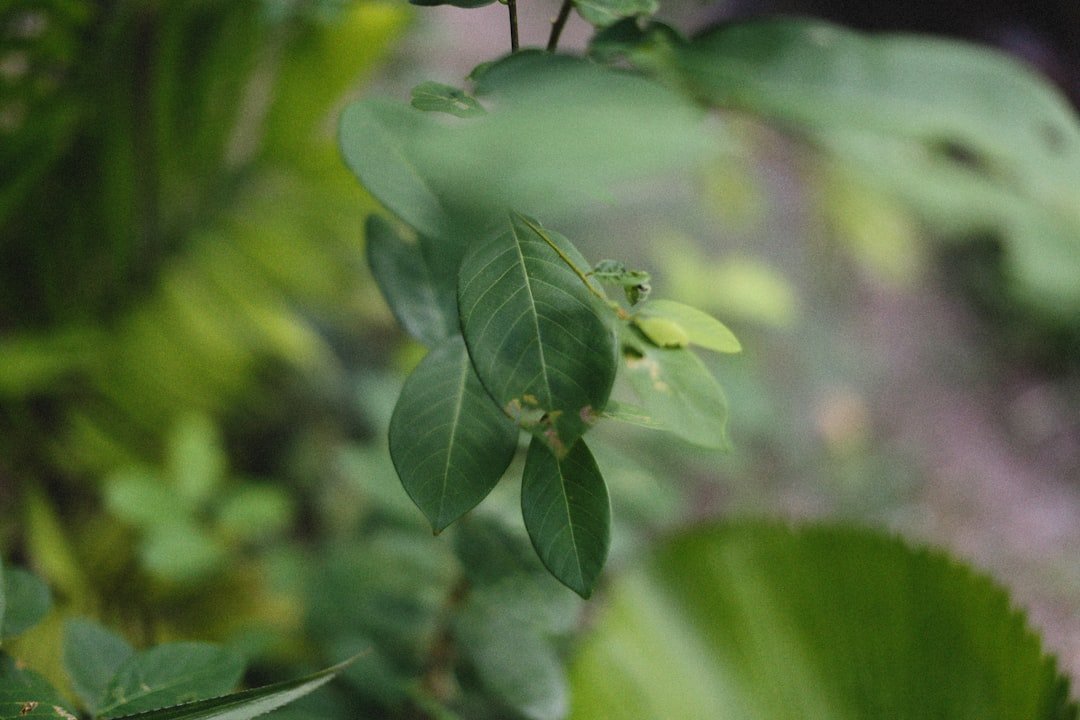
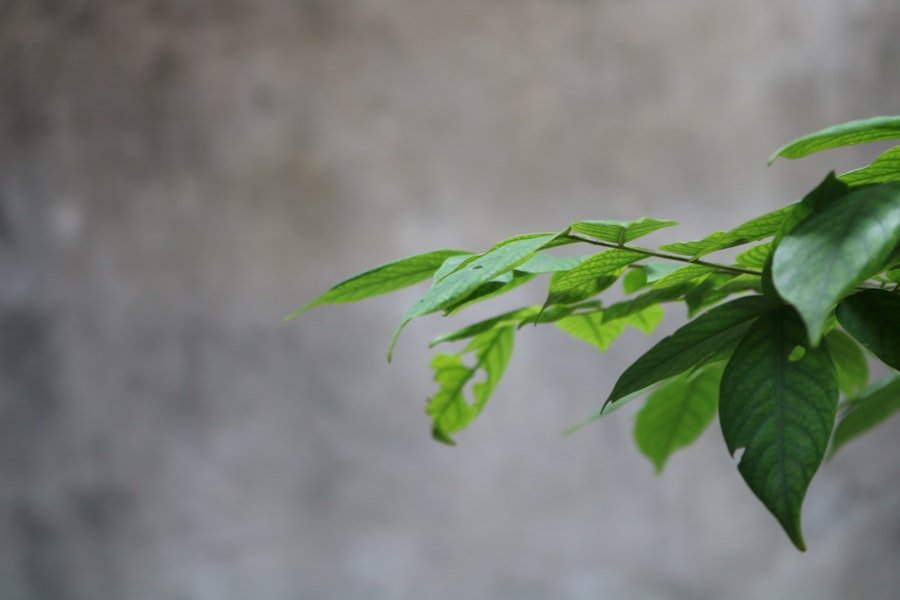
The curry leaf tree (Bergera koenigii, still widely published as Murraya koenigii) is a tropical to subtropical shrub or small tree in the citrus family, Rutaceae. Kew Science accepts Bergera koenigii as the current name and lists Murraya koenigii as a synonym. The plant is native across parts of the Indian subcontinent and tropical Asia, and its fragrant leaves are widely used in South Asian cooking.
Curry leaf has also been used in traditional medicine. However, most published health research concerns plant compounds, laboratory work, or animal models rather than proven treatments in people. Use the leaves as food, not as a replacement for medical care or prescribed treatment.
Quick Answer
To grow a curry leaf tree from seed, clean fresh seed from fully ripe fruit, cover it lightly in a moist, free-draining mix, and keep it at least 68°F (20°C). Give seedlings bright light, let the soil surface dry slightly between waterings, and protect them from frost. Germination may take one to four months.
Key Takeaways
- Use fresh seed from ripe fruit. Old or dried seed often fails.
- Keep the seed warm in a moist but well-drained mix.
- Give established plants full sun to partial shade, but acclimate young plants gradually.
- Water when the surface begins to dry, and never leave the pot standing in water.
- Protect the plant from frost, inspect it for pests, and harvest sprigs lightly while it is young.
At a Glance
| Time Required | About 15–20 minutes to clean and sow the seed; usually one to four months for germination |
| Difficulty | Moderate, mainly because the seed must be fresh and kept warm without staying soggy |
| Tools Needed | Small pot or seed tray, drainage saucer, seed-starting mix, water, gloves, and clean scissors |
| Cost | Low if you have fresh fruit and a reusable pot; moderate if you buy a nursery plant, pot, and fresh mix |
Warning: Do not eat curry leaf seeds. The fruit pulp is sometimes described as edible, but the seed is considered toxic, so the safest approach is to keep fruit and seeds away from children and pets and use only the leaves for cooking. See the UF/IFAS Extension guidance.
Before You Start: Identify the Right Curry Leaf Plant
Curry leaf tree is not the same as curry powder, which is a spice blend. It is also different from the ornamental herb commonly called curry plant (Helichrysum italicum). Buy a plant or seed labeled Bergera koenigii or Murraya koenigii.
Nurseries may offer standard, dwarf, or compact forms. A nursery plant gives you the fastest start. Fresh seed is useful when ripe fruit is available, while root suckers or semi-ripe stem cuttings let you clone an established plant.
Selecting the Right Seeds or Starting Material
Freshness matters more than almost anything else when you grow curry leaf from seed. Choose fully ripe, dark fruit and sow the cleaned seed soon after removing the pulp. Avoid old, hard, shriveled, or dried seed sold without a harvest date.
- Fresh seed: Best when taken directly from ripe fruit and planted promptly.
- Root sucker: A small rooted shoot growing near a mature plant; often the simplest vegetative option.
- Stem cutting: Use a healthy semi-ripe cutting with several nodes and keep it humid while roots form.
- Nursery plant: Best when you want an established plant sooner or cannot obtain fresh seed.
How to Grow a Curry Leaf Tree From Seed
1. Remove and Clean the Seed
Wear gloves, remove the fleshy pulp from a fully ripe fruit, and rinse the seed with clean water. Do not allow the cleaned seed to sit and dry for a long period. Sow it as soon as practical.
2. Prepare the Soil and Container
Use a loose seed-starting mix that drains quickly but still holds a little moisture. A small pot or cell with drainage holes works better than a large container that stays wet for too long. Fill the container, moisten the mix evenly, and let excess water drain.
For mature plants, use a fertile, well-drained potting mix. In the ground, avoid low areas that collect water and improve drainage before planting in heavy soil.
3. Plant the Seed Shallowly
Press one cleaned seed into the moist mix and cover it with a thin layer of the same mix. The seed should be covered, not buried deeply. Label the pot with the planting date so you do not discard it too early.
4. Keep It Warm and Lightly Moist
Place the pot in a warm location at or above 68°F (20°C). Keep the mix lightly moist, but never saturated. A clear humidity cover can slow moisture loss, but open it regularly for airflow and remove it if mold appears.
5. Wait for Germination
Germination is often uneven. UC Master Gardeners notes that it may take more than a month, while the University of Washington horticulture library cites a typical range of two to four months under warm conditions. Do not dig up the seed to check it, because that can damage a developing root.
Pro Tip: Sow more than one fresh seed in separate cells or pots. Curry leaf germination can be erratic, so multiple seeds improve your chance of getting at least one strong seedling without crowding the roots.
6. Care for the New Seedling
After the seed sprouts, remove any humidity cover and give the seedling bright light. Introduce stronger direct sun gradually over several days to reduce leaf scorch. Water when the surface of the mix begins to dry, and do not fertilize heavily while the seedling is small.
7. Pot Up Without Damaging the Roots
Move the seedling to a slightly larger pot when roots fill the starter container or water begins passing through unusually fast. Keep the root ball together, set it at the same depth, and water once to settle the fresh mix.
Note: For a stem cutting, make a planting hole first, place the cut end into the mix without scraping it, and gently firm the soil around the stem. Cuttings need warmth, humidity, and patience, and not every cutting will root.
Providing the Right Amount of Water
Water thoroughly, then wait until the surface of the soil dries slightly before watering again. Empty standing water from the saucer. Seedlings need more even moisture than mature plants, but neither seedlings nor established trees should remain waterlogged.
Watering frequency changes with pot size, temperature, wind, sunlight, and the season. Check the soil instead of following a fixed calendar. During cool, low-light winter conditions, the plant uses water more slowly.
Ensuring Adequate Sunlight
Curry leaf grows in full sun to partial shade. A plant that receives stronger light usually grows more densely, but seedlings and indoor plants can burn if moved suddenly into intense summer sun. Acclimate them gradually, and provide afternoon protection during extreme heat if leaves scorch.
Indoors, place the pot in your brightest suitable window and rotate it regularly for even growth. If stems become long and weak or new leaves stay small, the plant may need more light or a suitable grow light.
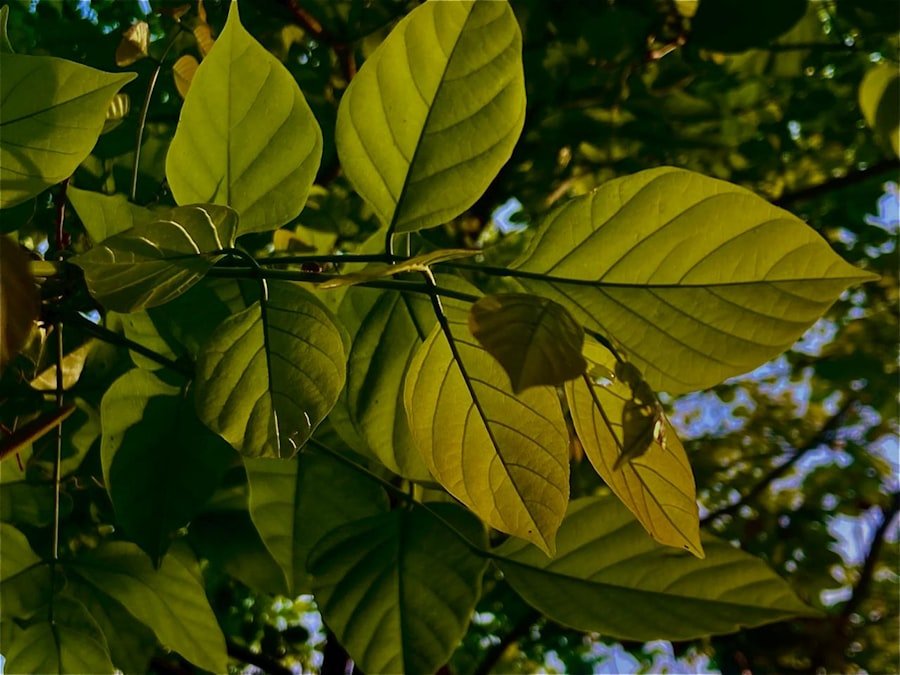
Temperature and Winter Protection
Curry leaf is frost tender. The Royal Horticultural Society classifies it as a tender plant that should not be allowed to freeze. Move container plants indoors before frost, place them in bright light, and keep them away from cold drafts.
Growth may slow and some leaves may drop during winter. Reduce watering when growth slows, stop routine feeding until active growth returns, and resume normal care in spring as light and temperatures increase.
Fertilizing the Curry Leaf Tree
Feed lightly during active growth with a balanced fertilizer used according to its label. Apply fertilizer to moist soil, not to a dry root ball. Stop or reduce feeding when the plant is not producing new growth, especially during a cool, dark winter indoors.
More fertilizer does not create faster healthy growth. Excess salts can damage roots and cause brown leaf tips, so flush container soil occasionally with plain water and make sure excess water drains freely.
Pruning and Shaping the Tree
Pruning keeps a container plant compact and encourages branching. Remove dead, damaged, or crossing stems at any time. During active growth, pinch or cut a growing tip just above a leaf node to encourage side shoots.
Avoid severe pruning or heavy harvesting from a small plant. Shape established plants gradually, use clean scissors, and give the plant enough time and light to replace removed foliage.
Repotting or Planting in the Ground
Repot when roots circle the pot, push through drainage holes, or the mix dries much faster than before. Move up only one pot size at a time and use fresh, free-draining mix. Spring or early active growth is usually the easiest time for the plant to recover.
Plant outdoors permanently only in a reliably frost-free climate. Choose a sheltered site with good drainage and enough room for the selected variety. Keep the root crown at its original level rather than burying the stem.
Dealing With Pests, Diseases, and Common Problems
Indoor curry leaf trees may attract mealybugs, scale insects, or spider mites. Inspect leaf undersides, stem joints, and new growth every week or two, especially before bringing a plant indoors. Isolate an infested plant, remove visible pests, and use insecticidal soap or another labeled treatment when needed.
| Problem | Likely Cause | What to Do |
|---|---|---|
| Seed does not sprout | Old or dried seed, low temperature, or saturated mix | Start again with fresh ripe seed, keep it at least 68°F (20°C), and improve drainage |
| Yellow, soft, or dropping leaves | Overwatering, cold roots, or low light | Let the surface dry slightly, check drainage, and move the plant to a warmer, brighter place |
| Brown or scorched patches | Sudden exposure to intense sun, dry roots, or excess fertilizer salts | Acclimate gradually, water correctly, and flush the pot with plain water |
| White cottony clusters, sticky leaves, or fine webbing | Mealybugs, scale, or spider mites | Isolate the plant, remove pests, and repeat a labeled treatment until new growth is clean |
Caution: Curry leaf is a regulated host for Asian citrus psyllid and citrus greening in some areas. Before mailing or transporting plants, cuttings, leaves, or other plant material, check current USDA APHIS quarantine guidance and your local agriculture rules.
Harvesting Curry Leaves
Begin with a light harvest only after the plant has several healthy branches and is actively growing. Use clean scissors to snip a small sprig just above a node. This gives you usable leaves while also encouraging branching. Avoid stripping most leaves from a young or stressed plant.
Fresh leaves have the strongest aroma. For storage, keep short-term leaves chilled and dry, or freeze clean, dry leaves in an airtight container. Freezing generally preserves more flavor than drying.
Tips for Caring for a Mature Curry Leaf Tree
- Keep the root zone well drained, even though a mature plant tolerates brief dryness better than a seedling.
- Prune lightly during active growth to maintain a compact shape and a steady supply of new shoots.
- Repot or refresh part of the potting mix when roots become crowded or drainage slows.
- Check for pests before moving a plant indoors for winter.
- Remove unwanted root suckers, or pot them separately to make new plants.
- Protect the plant from frost and reduce water when winter growth slows.
Medicinal Use and Evidence
Curry leaf contains carbazole alkaloids and other plant compounds that have been studied for possible biological effects. A 2023 scientific review summarized many traditional uses and experimental findings but also stated that the biological effects and mechanisms of several constituents still require clarification and proof.
That means culinary use should not be presented as a proven treatment for diabetes, cancer, liver disease, high cholesterol, or any other condition. Do not start concentrated extracts or supplements for a medical purpose without discussing them with a qualified healthcare professional, especially if you take medicine or have a chronic condition.
Frequently Asked Questions
What is a curry leaf tree?
The curry leaf tree is a tropical to subtropical shrub or small tree grown for its fragrant edible leaves. Kew accepts the botanical name Bergera koenigii; Murraya koenigii remains a widely used synonym.
How do you grow a curry leaf tree from seed?
Clean fresh seed from fully ripe fruit, press it into a moist, free-draining seed mix, cover it lightly, and keep it at least 68°F (20°C). Maintain light moisture and wait patiently, because germination may take one to four months.
What are the ideal growing conditions for a curry leaf tree?
Use fertile, well-drained soil, water after the surface dries slightly, and provide full sun to partial shade. Keep the plant warm, shelter it from cold wind, and do not allow it to freeze.
How long does a curry leaf tree take to mature?
Growth speed depends on warmth, light, variety, and whether the plant grows in the ground or a pot. The Royal Horticultural Society lists about five to ten years to full maturity, although you can begin light harvesting much earlier once the plant is well branched and actively growing.
Can curry leaf trees be grown indoors?
Yes. Use a pot with drainage holes, give the plant the brightest practical light, keep it away from cold drafts, and water less when winter growth slows. Indoor plants often grow more slowly and may need supplemental light.
Why is my curry leaf seed not germinating?
The most common reasons are old or dried seed, temperatures below about 68°F (20°C), a mix that stays waterlogged, or simply slow germination. Use fresh ripe seed, steady warmth, and good drainage, then allow up to several months.
Is curry leaf the same as curry powder or curry plant?
No. Curry powder is a blended seasoning, and curry plant usually refers to Helichrysum italicum. The culinary curry leaf used in many South Asian dishes comes from Bergera koenigii, also known as Murraya koenigii.
Are there any special care requirements for curry leaf trees?
The key requirements are fresh seed for propagation, excellent drainage, strong light, warmth, and frost protection. Indoors, also watch closely for mealybugs, scale insects, and spider mites, and avoid routine watering when the soil is still wet.
Sources
- Kew Science: Plants of the World Online — accepted botanical name, synonym, family, growth habit, and native range
- UC Master Gardeners of Santa Clara County — light, soil, watering, frost protection, propagation, pests, and storage
- University of Washington Elisabeth C. Miller Library — warm seed propagation, germination timing, container culture, and winter care
- Royal Horticultural Society — light, soil, hardiness, maturity, propagation, and common pests
- USDA APHIS — current Asian citrus psyllid and citrus greening quarantine guidance
- PubMed: 2023 phyto-pharmacological review — research status and limits of medicinal evidence