Diatomaceous earth (DE) is a naturally occurring, soft sedimentary rock that is crumbled into a fine white to off-white powder. This powder is composed primarily of the fossilized remains of tiny, aquatic organisms known as diatoms, which are a type of algae. These diatoms have cell walls made of silica, which gives diatomaceous earth its unique properties.
The geological deposits of diatomaceous earth are formed from the accumulation of these microscopic organisms over millions of years in freshwater and marine environments. The result is a substance that is rich in silica and has a variety of applications, ranging from industrial uses to gardening and pest control. The composition of diatomaceous earth can vary depending on its source, but it typically contains 80-90% silica, along with trace amounts of other minerals such as iron, calcium, magnesium, and sodium.
This mineral-rich composition contributes to its effectiveness in various applications. Diatomaceous earth is often classified into two main types: food grade and industrial grade. Food-grade diatomaceous earth is safe for human consumption and is used in various health supplements and food products, while industrial-grade DE is used in filtration, insulation, and as an abrasive material.
For gardening and pest control purposes, food-grade diatomaceous earth is the preferred choice due to its safety for both plants and humans.
Key Takeaways
- Diatomaceous Earth is a natural product made from fossilized remains of diatoms, a type of hard-shelled algae.
- Diatomaceous Earth works by absorbing the lipids from the waxy outer layer of insects, causing them to dehydrate and die.
- Diatomaceous Earth is safe for plants when used properly, as it does not harm the plants themselves.
- Diatomaceous Earth can be used for pest control by applying it directly to the soil or on the plants to target insects.
- When applying Diatomaceous Earth to plants, it is important to cover the entire plant and reapply after rain or watering.
How Does Diatomaceous Earth Work?
The effectiveness of diatomaceous earth lies in its unique physical structure. The fine powder consists of tiny, sharp-edged particles that can pierce the exoskeletons of insects when they come into contact with it. This mechanical action leads to dehydration and ultimately death for many pests, including ants, cockroaches, fleas, and other crawling insects.
Unlike chemical pesticides that rely on toxic substances to kill pests, diatomaceous earth operates through a physical mechanism, making it an appealing option for those seeking a more natural approach to pest control. When applied to surfaces where pests are likely to traverse, diatomaceous earth acts as a barrier. As insects walk across the powder, the sharp edges of the particles scratch their exoskeletons, leading to moisture loss.
This desiccation process can be particularly effective against soft-bodied insects like aphids and spider mites. Additionally, diatomaceous earth can absorb moisture from the environment, further enhancing its ability to dehydrate pests. The effectiveness of DE can vary based on environmental conditions; for instance, it works best in dry conditions since moisture can reduce its efficacy.
Is Diatomaceous Earth Safe for Plants?
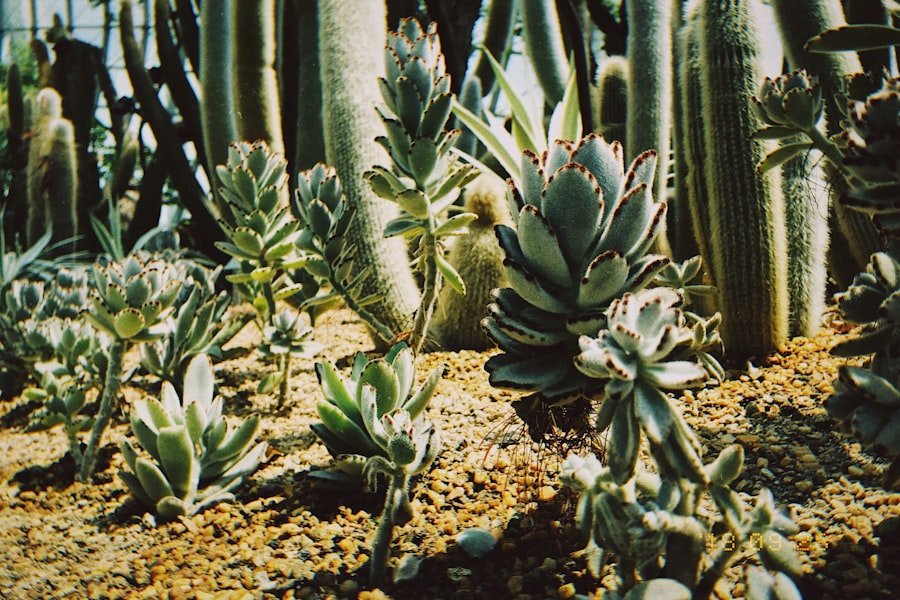
Diatomaceous earth is generally considered safe for plants when used appropriately.
Unlike synthetic pesticides that may leave harmful residues on plants or in the soil, food-grade diatomaceous earth poses minimal risk to plant health.
It does not contain harmful chemicals that could adversely affect plant growth or soil quality. However, it is essential to apply it correctly to avoid any potential negative effects. While diatomaceous earth is safe for most plants, it is crucial to consider the application method and quantity used.
Over-application can lead to excessive dust accumulation on plant leaves, which may hinder photosynthesis by blocking sunlight. Additionally, if DE is applied during periods of high humidity or rain, it may clump together and lose its effectiveness against pests. Therefore, gardeners should monitor environmental conditions and apply diatomaceous earth judiciously to ensure that it remains effective while safeguarding plant health.
Using Diatomaceous Earth for Pest Control
| Types of Pests | Effectiveness | Application |
|---|---|---|
| Ants | High | Apply around entry points |
| Bed Bugs | Moderate | Apply to infested areas |
| Fleas | High | Apply to carpets and pet bedding |
| Cockroaches | High | Apply in cracks and crevices |
Diatomaceous earth serves as an effective tool for pest control in both indoor and outdoor settings. Its versatility allows it to be used against a wide range of pests that can threaten gardens and homes alike. For instance, in gardens, DE can be sprinkled around the base of plants or directly onto foliage to deter common pests such as slugs, beetles, and caterpillars.
The powder acts as a barrier that pests must cross, leading to their eventual demise through dehydration. In indoor environments, diatomaceous earth can be particularly useful for controlling household pests like bed bugs and cockroaches. By applying DE in cracks and crevices where these pests are likely to hide or travel, homeowners can create an inhospitable environment for them.
It is important to note that while DE is effective against crawling insects, it may not be as effective against flying insects like mosquitoes or flies due to their different movement patterns. Nevertheless, its ability to provide long-lasting protection makes it a valuable addition to any pest control strategy.
Applying Diatomaceous Earth to Plants
When applying diatomaceous earth to plants, there are several best practices that gardeners should follow to maximize its effectiveness while minimizing any potential drawbacks. First and foremost, it is essential to choose the right time for application. Early morning or late afternoon are ideal times when temperatures are cooler and humidity levels are lower.
This helps prevent the DE from clumping due to moisture and ensures that it remains effective for longer periods. To apply diatomaceous earth effectively, gardeners can use a dust applicator or simply sprinkle it by hand around the base of plants or directly onto affected foliage. It is crucial to cover both the upper and lower surfaces of leaves since many pests tend to hide on the undersides.
A light dusting is usually sufficient; excessive application can lead to dust accumulation that may hinder plant growth. After application, it is advisable to avoid watering the plants for a few days to allow the DE to remain dry and effective against pests.
Diatomaceous Earth as a Soil Amendment
Beyond its use as a pest control agent, diatomaceous earth can also serve as a valuable soil amendment. Its high silica content contributes beneficial properties to the soil structure and overall health of plants. When mixed into garden soil, DE can improve aeration and drainage due to its porous nature.
This enhanced soil structure allows roots to access oxygen more easily and promotes healthy root development. Additionally, diatomaceous earth has excellent moisture retention capabilities. It can absorb water and release it slowly over time, helping to maintain consistent soil moisture levels.
This characteristic can be particularly beneficial in arid regions or during dry spells when plants are at risk of drought stress. Furthermore, the slow-release nature of DE means that it can provide a steady supply of nutrients over time as it breaks down in the soil.
Potential Risks of Using Diatomaceous Earth on Plants
While diatomaceous earth is generally safe for plants, there are some potential risks associated with its use that gardeners should be aware of. One concern is the possibility of harming beneficial insects that play crucial roles in maintaining ecological balance within gardens. While DE is effective against many pests, it does not discriminate between harmful and beneficial insects; thus, pollinators like bees and predatory insects like ladybugs may also be affected if they come into contact with the powder.
Another risk involves the potential for respiratory irritation when handling diatomaceous earth. The fine particles can become airborne during application, leading to inhalation risks for both humans and pets. To mitigate this risk, gardeners should wear masks or respirators when applying DE in large quantities or in enclosed spaces.
Additionally, ensuring proper ventilation during application can help reduce exposure to airborne particles.
Diatomaceous Earth and Beneficial Insects
The impact of diatomaceous earth on beneficial insects is a critical consideration for gardeners who aim to maintain a healthy ecosystem within their gardens. While DE effectively targets many common pests, its indiscriminate nature means that beneficial insects may also be affected if they come into contact with the powder. For instance, pollinators such as bees are vital for fruit and vegetable production; thus, their protection should be a priority when using DE.
To minimize harm to beneficial insects while still utilizing diatomaceous earth for pest control, gardeners can adopt targeted application strategies. For example, applying DE only in areas where pest populations are high or during times when beneficial insects are less active can help reduce unintended consequences. Additionally, using DE in conjunction with other pest management practices—such as introducing natural predators or employing companion planting—can create a more balanced approach that protects beneficial species while effectively managing pest populations.
Diatomaceous Earth and Plant Health
The relationship between diatomaceous earth and plant health is multifaceted. On one hand, DE can enhance soil quality and promote healthy plant growth through improved aeration and moisture retention properties. On the other hand, improper use or over-application may lead to negative effects on plant health if not managed carefully.
For instance, excessive dust accumulation on leaves can block sunlight and hinder photosynthesis, ultimately affecting plant vigor. Moreover, while diatomaceous earth does not provide direct nutritional benefits like fertilizers do, its presence in the soil can contribute indirectly by fostering a healthier growing environment. Healthy soil supports robust microbial activity that aids in nutrient cycling and availability for plants.
Alternatives to Diatomaceous Earth for Plant Pest Control
While diatomaceous earth offers numerous benefits for pest control in gardening contexts, there are several alternatives that gardeners may consider based on their specific needs and preferences. One popular option is neem oil, derived from the seeds of the neem tree (Azadirachta indica). Neem oil acts as both an insect repellent and growth regulator by disrupting the life cycle of pests without harming beneficial insects when applied correctly.
Another alternative is insecticidal soap made from natural plant oils and fats that target soft-bodied insects like aphids and spider mites without posing significant risks to beneficial species or plants themselves. Additionally, introducing biological controls such as ladybugs or lacewings can provide natural pest management solutions by preying on harmful insects without relying on chemical interventions. Other methods include using physical barriers like row covers or sticky traps that prevent pests from reaching plants while allowing beneficial insects access.
Each alternative has its advantages and limitations; thus, gardeners should evaluate their specific situations before selecting the most appropriate pest control strategy.
Using Diatomaceous Earth on Your Plants
Diatomaceous earth presents a versatile solution for gardeners seeking natural pest control methods while enhancing soil quality and promoting plant health. Its unique properties allow it to effectively target a wide range of pests without resorting to harmful chemicals that could jeopardize beneficial insects or overall garden ecology. However, responsible use is paramount; understanding how DE interacts with both pests and beneficial organisms will ensure optimal results.
By applying diatomaceous earth judiciously—considering timing, environmental conditions, and application methods—gardeners can harness its benefits while minimizing potential risks associated with its use. As part of an integrated pest management approach that includes alternative strategies such as biological controls or companion planting techniques, diatomaceous earth can play a significant role in maintaining healthy gardens that thrive naturally.
FAQs
What is diatomaceous earth?
Diatomaceous earth is a naturally occurring, soft, sedimentary rock that is easily crumbled into a fine white to off-white powder. It is made up of the fossilized remains of diatoms, a type of hard-shelled algae.
Can I put diatomaceous earth on my plants?
Yes, diatomaceous earth can be used on plants as a natural pest control method. It is often used to control pests such as aphids, mites, and other small insects that can damage plants.
How does diatomaceous earth work on plants?
Diatomaceous earth works by physically damaging the exoskeletons of insects, causing them to dehydrate and die. It is not harmful to plants and can be an effective and natural way to control pests.
Is diatomaceous earth safe for plants?
Yes, diatomaceous earth is generally considered safe for plants. It is non-toxic and does not harm the plants themselves. However, it is important to use it according to the instructions to avoid over-application.
How should I apply diatomaceous earth to my plants?
Diatomaceous earth can be applied to plants by dusting the powder directly onto the leaves and stems. It can also be sprinkled around the base of the plants to create a barrier against crawling insects.
Are there any precautions to take when using diatomaceous earth on plants?
It is important to wear a mask when applying diatomaceous earth to avoid inhaling the fine particles. Additionally, it is best to apply it on a calm day to prevent the powder from blowing away.