How to Grow Chinese Green Beans from Seeds
What’s in This Article
- What You Need Before Planting Chinese Green Beans
- Step 1: Select Heat-Loving Yardlong Bean Seeds
- Step 2: Prepare Warm, Well-Drained Soil
- Step 3: Plant Chinese Green Bean Seeds
- Step 4: Water Consistently and Avoid Waterlogged Soil
- Step 5: Fertilize Without Overfeeding Nitrogen
- Step 6: Protect Plants from Common Pests
- Step 7: Support Vines as They Grow
- Step 8: Thin and Prune for Airflow
- Step 9: Harvest Pods While They Stay Tender
- Step 10: Store and Use Your Harvest
- Common Mistakes to Avoid
- Frequently Asked Questions
Chinese green beans grow fast, but they need heat, strong support, and steady care. Many gardeners lose yield when they plant too early, overfeed nitrogen, or let mature pods stay on the vine.
Gardeners also call these beans yardlong beans, long beans, asparagus beans, or snake beans. They belong to Vigna unguiculata subsp. sesquipedalis, a warm-season legume grown for its long, tender pods.
This guide shows you how to choose seeds, prepare soil, plant, water, feed, protect, support, harvest, and store Chinese green beans from seed.
Quick Answer
Plant Chinese green bean seeds after frost has passed and the soil has warmed. Choose a sunny spot, improve drainage with compost, sow seeds about 1 to 2 inches deep, and give the vines a sturdy trellis. Keep the soil evenly moist, harvest tender pods often, and avoid heavy nitrogen fertilizer.
Key Takeaways
- Plant Chinese green beans only after frost risk has passed and the soil feels warm.
- Use full sun, good drainage, and compost-rich soil for strong vine growth.
- Install a trellis at planting time so young vines can climb early.
- Water deeply and consistently, but never let the roots sit in soggy soil.
- Pick pods while tender to keep plants producing through the warm season.
What You Need Before Planting Chinese Green Beans
Estimated total time: Chinese green beans often need 40 to 70 days from seeding to first harvest, depending on your climate and variety. Once pods start forming, you may need to check plants every day.
Gather your basic supplies before you plant. This helps you avoid disturbing the seedlings later.
- Fresh Chinese green bean or yardlong bean seeds
- A sunny garden bed, raised bed, or deep container
- Compost or well-rotted manure
- A sturdy trellis, poles, netting, or bamboo frame
- Mulch for moisture control and weed reduction
- A watering can, hose, or drip irrigation line
Choose a site with at least 6 hours of direct sun each day. Long beans handle heat well, but they still need water and airflow to stay productive.
Step 1: Select Heat-Loving Yardlong Bean Seeds
Choose seeds that match your climate, garden space, and cooking needs. Popular types include green yardlong beans, Thai long beans, asparagus beans, and red-podded varieties such as Red Noodle Bean.
Look for fresh seeds from a trusted supplier. Seed packets often list days to maturity, spacing, seed depth, and disease notes, so read the packet before you plant.
Pick disease-resistant varieties when your area has humid summers or frequent bean diseases. If you garden in a short-season area, choose a fast-maturing type and start only after the soil warms.
Step 2: Prepare Warm, Well-Drained Soil
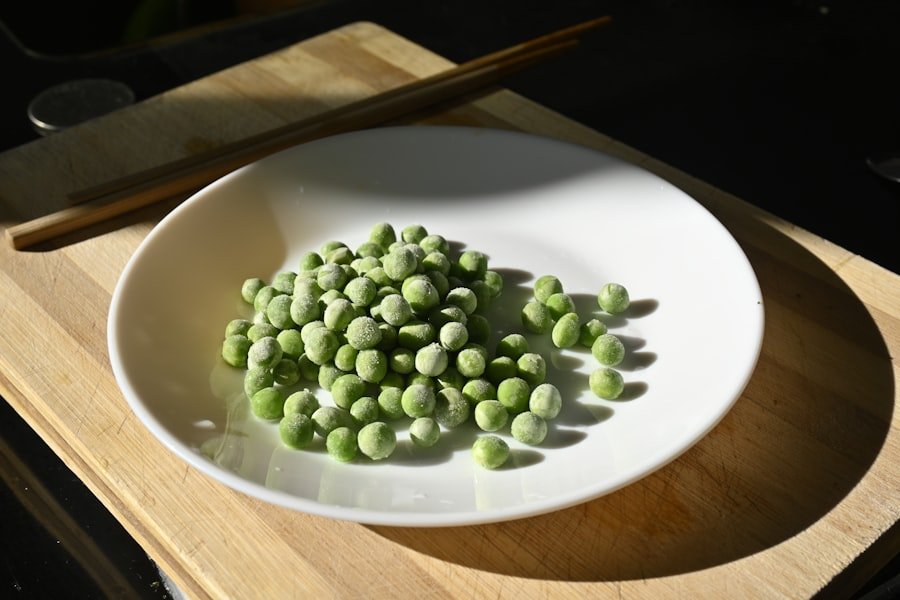
Prepare loose, well-drained soil before you sow the seeds. UF/IFAS Extension notes that long beans can grow in several soil types, but they perform best when you avoid waterlogged ground.
A pH range near 5.5 to 6.5 works well for long beans. Many common garden beans also grow well in slightly acidic to neutral soil, so a soil test can help you adjust the bed before planting.
Mix compost or well-rotted manure into the top 8 to 10 inches of soil. This improves soil texture, helps roots spread, and adds slow-release nutrients.
Pro tip: Set the trellis before planting so you don’t damage young roots later.
Step 3: Plant Chinese Green Bean Seeds
| Planting Detail | Recommended Range | Why It Matters |
|---|---|---|
| Planting time | After frost, when soil has warmed | Cold soil can slow growth or rot seeds |
| Seed depth | About 1 to 2 inches deep | This keeps seed moist but not buried too deep |
| Plant spacing | About 4 to 6 inches apart after thinning | Good spacing improves airflow and access to light |
Sow Chinese green bean seeds when the soil feels warm and frost risk has passed. Cold, wet soil can rot bean seeds before they sprout.
Create rows or planting lines near the trellis. Sow seeds about 1 to 2 inches deep, then space them about 3 to 4 inches apart.
After seedlings grow a few true leaves, thin them to about 4 to 6 inches apart. Water gently after planting so the soil settles around each seed.
Step 4: Water Consistently and Avoid Waterlogged Soil
Chinese green beans need steady moisture, especially during flowering and pod growth. University of Minnesota Extension recommends about 1 inch of water per week for beans when rainfall falls short.
Water deeply at the base of the plants. This keeps leaves drier and lowers disease pressure.
Check soil moisture by pushing your finger about 1 inch into the soil. Water when the top layer feels dry, but wait if the soil still feels wet.
Use mulch to hold soil moisture and slow weed growth. Raised beds or mounds can help if your garden soil holds too much water.
Step 5: Fertilize Without Overfeeding Nitrogen
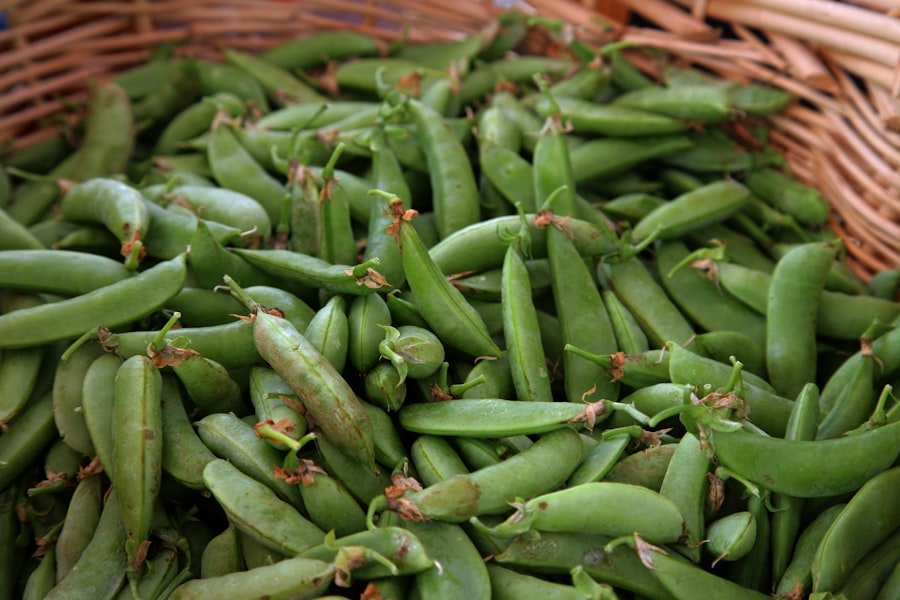
Chinese green beans belong to the legume family, so they can form a helpful relationship with nitrogen-fixing bacteria. They still need good soil, but they don’t need heavy nitrogen feeding.
Add compost before planting to support steady growth. If your soil test shows low nutrients, use a balanced vegetable fertilizer at the rate listed on the package.
Avoid high-nitrogen fertilizer once vines look healthy. Too much nitrogen can push leafy growth and reduce pod production.
If plants look pale and weak, apply a light side-dressing of compost around the base. Keep fertilizer away from the stems, then water it in gently.
Step 6: Protect Plants from Common Pests
Inspect your plants several times each week. Common pests on beans include aphids, spider mites, and bean beetles.
Check the undersides of leaves, new growth, flowers, and tender stems. Early action works better than waiting until pests cover the plant.
For aphids, New Mexico State University Extension recommends strong water sprays, weed control, beneficial insects, neem oil, horticultural oils, or insecticidal soap when needed. Apply sprays to both sides of leaves and follow the label.
For spider mites, UC Integrated Pest Management recommends water sprays first in many garden settings. If you need more control, use insecticidal soap or oil only when mites are present.
Warning: Don’t spray oils or soaps on water-stressed plants or during very hot weather.
Rotate beans to a new bed each season when you can. Remove plant debris at the end of the season to reduce pest and disease carryover.
Step 7: Support Vines as They Grow
Chinese green bean vines can grow tall and heavy. A strong trellis keeps pods off the soil, improves airflow, and makes harvest easier.
Use bamboo poles, cattle panel, netting, wire mesh, or a wooden frame. UF/IFAS Extension notes that long bean plants can grow 9 to 12 feet tall in favorable conditions, so plan for height.
Install support at planting time. Guide young vines onto the trellis once they start reaching upward.
Check the trellis after storms or strong wind. Tie loose vines with soft plant ties if they need help staying on the support.
Step 8: Thin and Prune for Airflow
Thin crowded seedlings so each plant gets enough sun, air, and root space. Crowded vines dry slowly after rain, which can raise disease risk.
Remove lower leaves that touch the soil when the plant grows dense. This simple step improves airflow near the base of the vine.
Avoid heavy pruning. Chinese green beans produce on vigorous vines, so remove only damaged, diseased, or soil-touching leaves.
If flowers appear very early on weak seedlings, pinch off a few to help the plant build strength first. Strong vines usually produce more pods later.
Step 9: Harvest Pods While They Stay Tender
Harvest Chinese green beans while the pods feel firm, slender, and tender. Many gardeners pick them around 10 to 18 inches long, depending on the variety and recipe.
Don’t wait for pods to swell with hard seeds. Mature pods taste tougher and can slow new flower and pod production.
Harvest in the morning when pods feel crisp. Check plants often during hot weather because pods can grow quickly.
Step 10: Store and Use Your Harvest
Store fresh Chinese green beans in a loose or perforated bag in the refrigerator crisper drawer. Keep them dry until you plan to cook them.
Use the beans within about a week for the best texture. Wash them right before cooking, not before storage.
Chinese green beans work well in stir-fries, soups, curries, salads, and quick side dishes. Cut them into short pieces, or serve tender pods whole for a bold look on the plate.
UF/IFAS Extension notes that long beans provide protein, vitamins A and C, and minerals such as iron, magnesium, phosphorus, and potassium. For the best taste, cook pods while they still feel young and crisp.
Common Mistakes to Avoid
Small mistakes can reduce your harvest. Fix these issues early, and your vines will stay stronger.
- Planting too early: Wait for warm soil and frost-free weather.
- Using weak support: Build a tall, sturdy trellis before vines need it.
- Overfeeding nitrogen: Use compost first and avoid lush leaves with few pods.
- Letting pods mature too long: Pick often while pods stay tender.
- Watering from overhead every day: Water near the base to keep leaves drier.
Note: In cool climates, black plastic mulch can help warm the soil before planting.
Frequently Asked Questions
What are Chinese green bean seeds?
Chinese green bean seeds grow into yardlong bean vines, also called long bean, asparagus bean, or snake bean. Gardeners grow them for their long edible pods, not for the dry seeds in most home gardens.
How do you use Chinese green beans in cooking?
You can stir-fry, blanch, steam, pickle, or add them to soups and salads. Cut long pods into smaller pieces for fast cooking, or keep tender pods whole for presentation.
Where can you buy Chinese green bean seeds?
You can buy seeds from Asian grocery stores, garden centers, specialty seed companies, and online seed retailers. Choose fresh seed from a trusted seller, and check the packet for planting depth and days to maturity.
Are Chinese green beans easy to grow?
Chinese green beans grow well when you give them heat, sun, drainage, water, and support. They struggle in cold soil, soggy beds, and shaded areas.
Can you grow Chinese green beans in containers?
You can grow them in a large, deep container with drainage holes and a strong trellis. Use a quality potting mix, water often in hot weather, and place the container in full sun.
Conclusion
Chinese green beans reward you with long, tender pods when you plant them in warm soil and support the vines early. Start with fresh seeds, improve drainage with compost, and keep the soil evenly moist.
Watch for pests, avoid heavy nitrogen fertilizer, and harvest pods before they turn tough. With steady care, your plants can keep producing through the warm part of the season.
Plant a small row first, learn how the vines behave in your garden, and save your notes for the next crop.
References
- Long Bean, an Asian Vegetable Emerging in Florida, UF/IFAS Extension.
- Growing Beans in Home Gardens, University of Minnesota Extension.
- Spider Mites, UC Integrated Pest Management.
- Integrated Pest Management Strategies for Common Garden Insect Pests of New Mexico, New Mexico State University Extension.
- Vigna unguiculata ssp. sesquipedalis Plant Profile, USDA Plants Database.