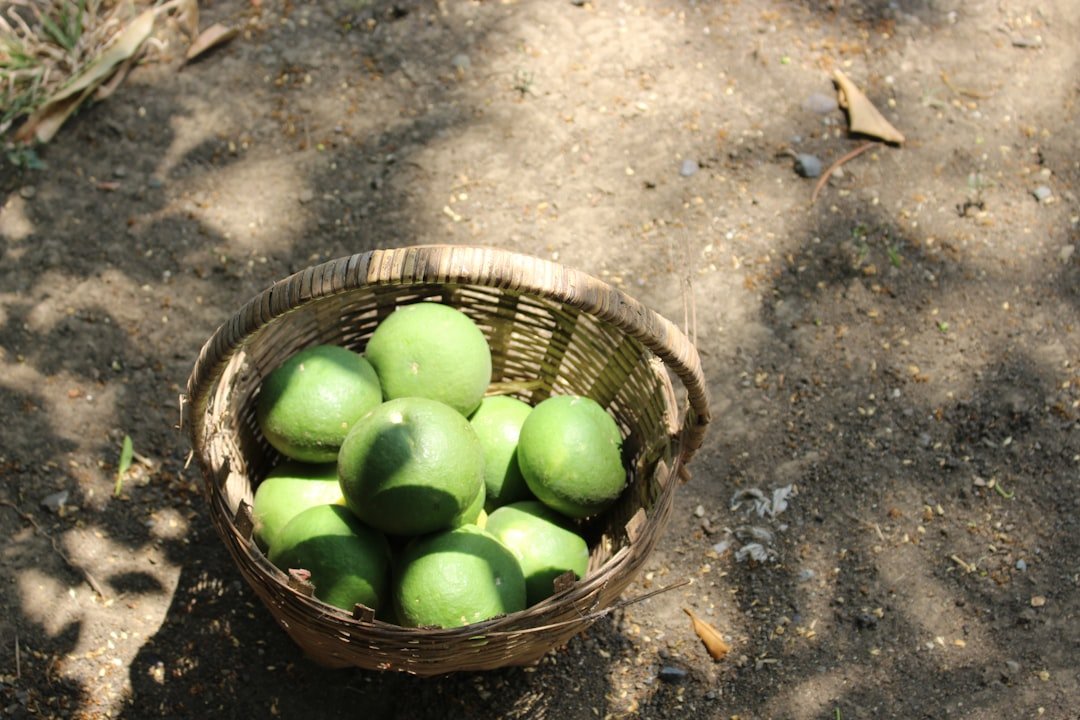
Guava, a tropical fruit belonging to the Myrtaceae family, is celebrated for its unique flavor and nutritional benefits. The genus Psidium encompasses a variety of guava species, each with distinct characteristics. The most commonly cultivated species include Psidium guajava, known as common guava, and Psidium cattleianum, or strawberry guava.
Common guava is characterized by its round or pear-shaped fruit, which can range in color from green to yellow or pink when ripe. Strawberry guava, on the other hand, is smaller and typically has a more intense flavor profile, often described as a blend of strawberry and citrus. In addition to these primary species, there are numerous cultivars that have been developed to enhance specific traits such as fruit size, flavor, and disease resistance.
For instance, the ‘Pink Guava’ cultivar is renowned for its sweet, aromatic flesh and vibrant pink color, while the ‘Lemon Guava’ offers a unique tartness that appeals to those who enjoy a more tangy fruit. Understanding the diversity within guava varieties is essential for gardeners and fruit enthusiasts alike, as it allows for informed decisions when selecting the best type for their specific needs.
Key Takeaways
- Guava varieties can vary in terms of fruit size, flavor, and disease resistance.
- When choosing a guava variety, consider factors such as climate and soil requirements, as well as whether you plan to grow the tree in a container.
- Popular guava varieties for home gardens include the Red Malaysian, White Indian, and Pink Supreme.
- Different guava varieties have different climate and soil requirements, so it’s important to choose the right variety for your specific growing conditions.
- Consider the disease resistance of guava varieties when selecting which ones to plant in your garden.
Factors to Consider When Choosing a Guava Variety
When selecting a guava variety for cultivation, several factors come into play that can significantly influence the success of the endeavor. One of the primary considerations is climate compatibility. Guavas thrive in warm, tropical to subtropical climates, but certain varieties may exhibit varying degrees of cold tolerance.
For instance, the ‘Mexican Cream’ guava is known for its ability to withstand cooler temperatures compared to other varieties, making it suitable for regions with mild winters. Another critical factor is the intended use of the fruit. Some varieties are better suited for fresh consumption due to their sweetness and texture, while others may be more appropriate for cooking or processing into jams and jellies.
For example, the ‘White Indian’ guava is often favored for its juicy flesh and pleasant flavor when eaten fresh, whereas the ‘Pineapple Guava’ is frequently used in culinary applications due to its aromatic qualities and unique taste profile. Understanding these nuances can help gardeners select a variety that aligns with their preferences and culinary goals.
Popular Guava Varieties for Home Gardens
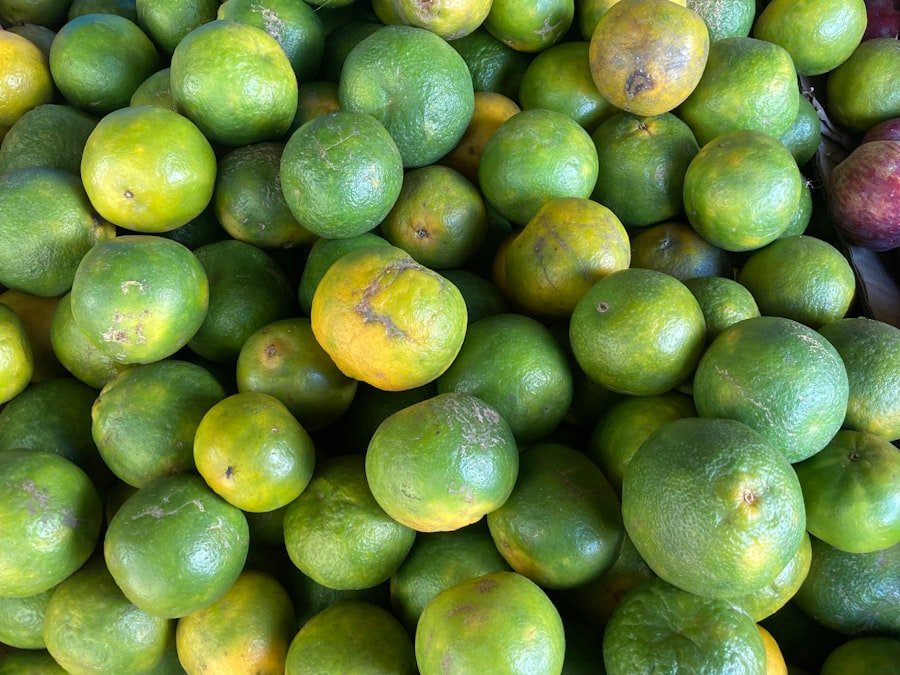
Home gardeners often seek guava varieties that are not only productive but also easy to care for. Among the most popular choices is the ‘Pink Guava,’ which is celebrated for its sweet flavor and vibrant color.
Its relatively compact growth habit makes it suitable for smaller gardens or even container gardening. Another favorite among home gardeners is the ‘Tropical White’ guava. This variety is known for its high yield and disease resistance, making it an excellent choice for novice gardeners.
The fruits are typically round with pale yellow skin and white flesh that has a mild sweetness. Additionally, the ‘Tropical White’ guava tree is relatively low-maintenance, requiring minimal pruning and care while still providing an abundant harvest. These attributes make it an ideal candidate for those looking to enjoy fresh guavas without extensive gardening experience.
Climate and Soil Requirements for Different Guava Varieties
| Variety | Climate | Soil |
|---|---|---|
| White Guava | Warm and humid | Well-drained loamy soil |
| Pink Guava | Warm and dry | Sandy loam or red loamy soil |
| Red Guava | Warm and tropical | Well-drained sandy or clayey soil |
Guavas are generally adaptable to a range of soil types but thrive best in well-draining soils rich in organic matter. Sandy loam or loamy soils with good drainage are ideal for most guava varieties. However, some varieties may have specific soil preferences that can affect their growth and fruiting capabilities.
For instance, the ‘Mexican Cream’ guava prefers slightly acidic soils with a pH between 6.0 and 6.5, which can enhance nutrient uptake and overall plant health. Climate plays a pivotal role in the successful cultivation of guavas. Most varieties flourish in warm climates with temperatures ranging from 70°F to 90°F (21°C to 32°C).
However, certain cultivars exhibit varying degrees of cold tolerance. The ‘Pineapple Guava,’ for example, can withstand temperatures as low as 20°F (-6°C), making it suitable for regions with occasional frost. Understanding these climate and soil requirements is crucial for ensuring optimal growth conditions and maximizing fruit production.
Disease Resistance in Guava Varieties
Disease resistance is an essential consideration when selecting guava varieties, particularly in regions where pests and diseases are prevalent. Some varieties have been bred specifically for their resilience against common issues such as root rot, bacterial wilt, and fruit fly infestations. The ‘Tropical White’ guava is often highlighted for its robust disease resistance, making it a reliable choice for home gardeners concerned about plant health.
In contrast, other varieties may be more susceptible to certain diseases. For instance, the ‘Pink Guava’ can be prone to root rot if planted in poorly drained soils or overwatered conditions. Gardeners should be aware of these susceptibilities and take proactive measures such as proper irrigation practices and soil management to mitigate risks.
By choosing disease-resistant varieties and implementing good cultural practices, gardeners can enjoy healthy plants and bountiful harvests.
Fruit Size and Flavor Profiles of Different Guava Varieties
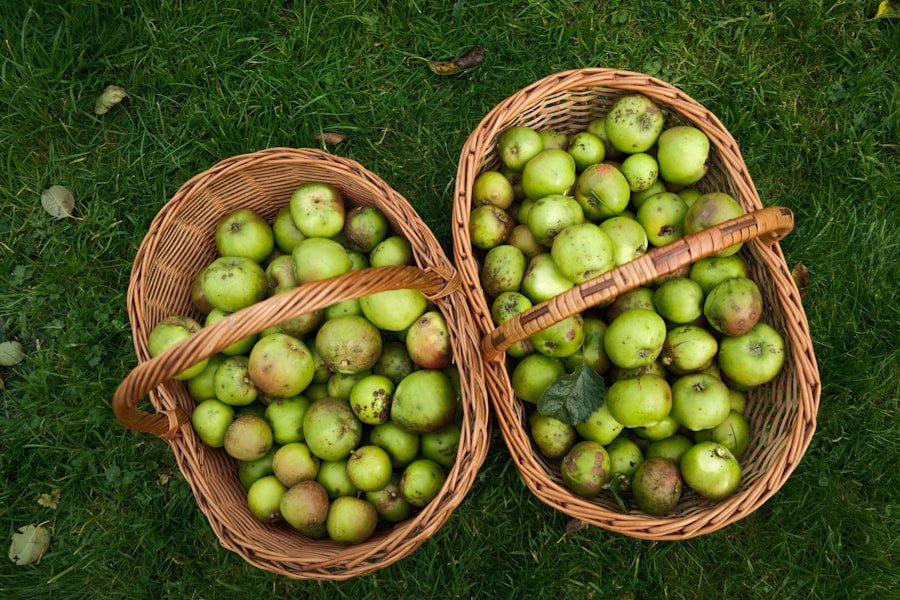
The size and flavor of guavas can vary significantly among different varieties, making it essential for gardeners to consider these attributes when selecting plants. The ‘Pink Guava’ typically produces medium to large fruits that are round or pear-shaped with a smooth skin that turns yellow when ripe.
In contrast, the ‘Strawberry Guava’ produces smaller fruits that are about the size of a cherry but pack a punch in terms of flavor. These fruits have a thin skin that ranges from yellow to red and a sweet-tart taste that makes them popular for snacking or adding to desserts. The unique flavor profiles of different guava varieties can influence culinary applications; thus, understanding these differences allows gardeners to choose varieties that align with their taste preferences and intended uses.
Guava Varieties for Container Gardening
Container gardening has gained popularity among urban dwellers and those with limited space, making it essential to identify guava varieties that thrive in pots. The ‘Pineapple Guava’ is an excellent choice for container gardening due to its compact growth habit and adaptability to confined spaces. This variety typically reaches heights of 3 to 5 feet (0.9 to 1.5 meters), making it manageable for patios or balconies while still producing flavorful fruits.
Another suitable option for container gardening is the ‘Mexican Cream’ guava. This variety not only tolerates pot culture well but also produces an abundance of sweet fruits that can be enjoyed fresh or used in various culinary applications. When growing guavas in containers, it’s crucial to select pots with adequate drainage holes and use high-quality potting soil enriched with organic matter to ensure healthy growth and fruit production.
Best Practices for Growing and Caring for Guava Trees
Successful cultivation of guava trees requires attention to several best practices that promote healthy growth and fruiting. One key aspect is proper watering; guavas prefer consistently moist soil but are susceptible to root rot if overwatered. A general rule of thumb is to allow the top inch of soil to dry out between waterings while ensuring adequate drainage.
Pruning is another essential practice that helps maintain tree shape and encourages better air circulation within the canopy. Regularly removing dead or diseased branches can prevent pest infestations and improve overall plant health. Additionally, fertilizing guava trees with balanced fertilizers during the growing season can enhance fruit quality and yield.
Organic options such as compost or well-rotted manure can provide essential nutrients while promoting soil health.
Harvesting and Storing Guavas from Different Varieties
Harvesting guavas at the right time is crucial for ensuring optimal flavor and texture. Most varieties are ready for harvest when they change color from green to yellow or pink, depending on the cultivar. A gentle squeeze can also indicate ripeness; ripe fruits will yield slightly under pressure but should not be overly soft or mushy.
Once harvested, proper storage techniques can extend the shelf life of guavas. Freshly picked fruits should be stored at room temperature until fully ripe; after ripening, they can be refrigerated to prolong freshness. However, it’s important to note that refrigeration may alter the texture of some varieties, so consuming them soon after harvest is often recommended for the best flavor experience.
Using Different Guava Varieties in Cooking and Baking
Guavas are versatile fruits that lend themselves well to various culinary applications due to their unique flavors and textures. The ‘Pineapple Guava,’ with its aromatic qualities, is often used in desserts such as tarts or sorbets where its sweet-tart flavor can shine through. Additionally, this variety can be incorporated into savory dishes like salsas or salads, adding a refreshing twist.
The ‘Strawberry Guava,’ on the other hand, is frequently used in jams and jellies due to its intense flavor profile. Its small size makes it easy to incorporate into recipes without extensive preparation time. Furthermore, guavas can be blended into smoothies or juices, providing a nutritious boost while adding a tropical flair to beverages.
Where to Find and Purchase Different Guava Varieties for Your Garden
Finding quality guava plants or seeds can be an exciting venture for any gardener looking to expand their collection. Local nurseries often carry popular varieties suited for regional climates; visiting these establishments allows gardeners to seek advice from knowledgeable staff regarding specific cultivars that thrive in their area. Online retailers also offer a wide selection of guava varieties, often providing detailed descriptions of each cultivar’s characteristics and care requirements.
Websites specializing in tropical plants may feature rare or hard-to-find varieties that are not commonly available at local nurseries. When purchasing online, it’s essential to choose reputable sellers who provide healthy plants or seeds along with clear shipping guidelines to ensure successful establishment in your garden. By understanding the diverse world of guava varieties—from their unique characteristics to their culinary uses—gardeners can make informed decisions that enhance their gardening experience while enjoying the delicious fruits these trees produce.
FAQs
What are the factors to consider when choosing the best guava variety?
When choosing the best guava variety, consider factors such as taste, size, yield, disease resistance, and climate suitability.
What are some popular guava varieties known for their taste?
Some popular guava varieties known for their taste include Red Malaysian, White Indian, and Pink Supreme.
Which guava variety is known for its large size?
The Thai White guava variety is known for its large size, making it a popular choice for those looking for big, juicy fruits.
Are there guava varieties that are resistant to diseases?
Yes, some guava varieties, such as the Ruby Supreme and Mexican Cream, are known for their disease resistance, making them a good choice for growers in areas prone to guava diseases.
What guava varieties are suitable for growing in a tropical climate?
Guava varieties such as the Red Malaysian and White Indian are well-suited for growing in tropical climates, as they thrive in warm and humid conditions.