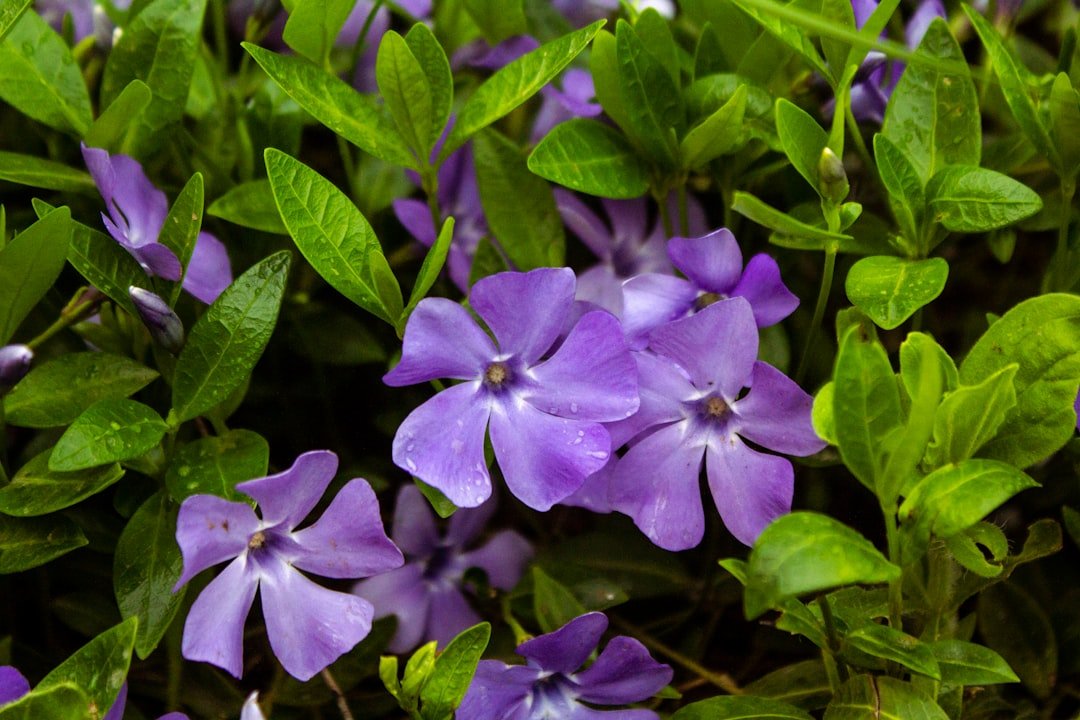
The curry plant, scientifically known as Murraya koenigii, is a tropical to subtropical shrub native to India and other parts of Southeast Asia. It is renowned for its aromatic leaves, which are a staple in various culinary traditions, particularly in Indian cuisine. The plant typically grows to a height of about 4 to 6 feet and features glossy, pinnate leaves that are dark green in color.
The small white flowers that bloom on the plant are not only visually appealing but also attract beneficial insects, making the curry plant a valuable addition to any garden. Curry leaves are often confused with curry powder, but they are distinct entities. While curry powder is a blend of various spices, curry leaves impart a unique flavor that is both citrusy and slightly bitter.
They are used fresh or dried and are known for their health benefits, including aiding digestion and possessing antioxidant properties. Understanding the characteristics of the curry plant is essential for anyone looking to cultivate it successfully, as it requires specific conditions to thrive.
Key Takeaways
- The curry plant is a small shrub native to India and Sri Lanka, known for its aromatic leaves used in cooking.
- When choosing curry plant seeds, look for a reputable supplier and select seeds that are fresh and viable.
- Prepare the soil by ensuring it is well-draining and slightly acidic, and add organic matter such as compost to improve fertility.
- Plant curry plant seeds in well-drained soil, and provide full sun and warm temperatures for optimal growth.
- Provide the right growing conditions by ensuring the plant has access to plenty of sunlight and protection from strong winds.
Choosing the Right Seeds
Selecting the right seeds is a crucial first step in cultivating a healthy curry plant. When sourcing seeds, it is advisable to choose those that are fresh and sourced from reputable suppliers. Fresh seeds have a higher germination rate and are more likely to produce robust plants.
Additionally, one can opt for seedlings or young plants from local nurseries if immediate results are desired. This approach can save time and effort, as young plants are already established and may be more resilient to environmental stresses. When considering the variety of curry plants, it is important to note that there are different cultivars available.
Some may be more suited to specific climates or soil types than others. For instance, certain varieties may be more drought-resistant or better adapted to humid conditions. Researching local growing conditions and selecting seeds that align with those parameters can significantly enhance the chances of successful cultivation.
Furthermore, understanding the genetic background of the seeds can provide insights into their growth habits and potential yield.
Preparing the Soil
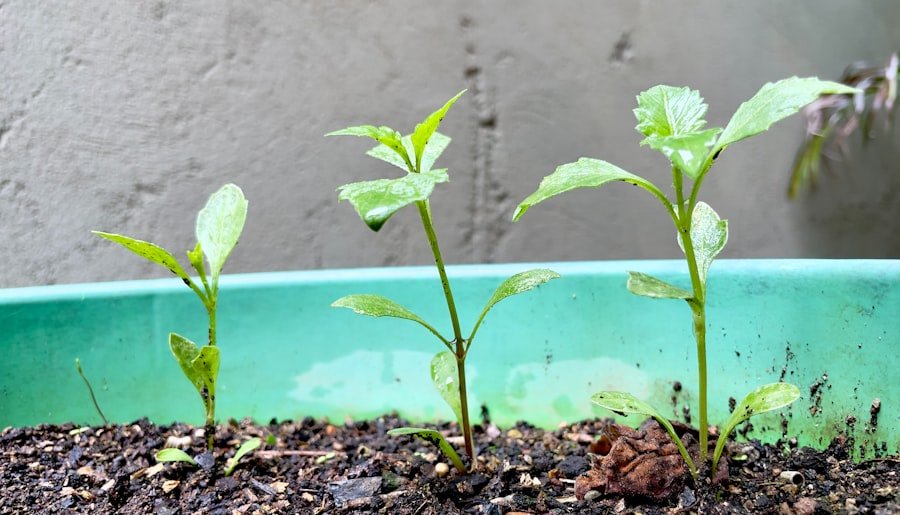
Soil preparation is a fundamental aspect of gardening that directly impacts plant health and productivity. The curry plant thrives in well-draining soil that is rich in organic matter. Before planting, it is essential to assess the soil’s texture and nutrient content.
A soil test can provide valuable information regarding pH levels and nutrient deficiencies, allowing for targeted amendments. Ideally, the pH should be slightly acidic to neutral, ranging from 6.0 to 7.0. To prepare the soil, begin by clearing any debris or weeds from the planting area.
Loosen the soil using a garden fork or tiller to improve aeration and drainage. Incorporating organic matter such as compost or well-rotted manure can enhance soil fertility and structure. This not only provides essential nutrients but also improves moisture retention, which is vital for young plants.
Additionally, adding perlite or sand can further enhance drainage, ensuring that the roots do not become waterlogged.
Planting the Seeds
| Month | Number of Seeds Planted | Germination Rate (%) |
|---|---|---|
| January | 200 | 85% |
| February | 180 | 90% |
| March | 220 | 88% |
Once the soil is adequately prepared, it is time to plant the seeds or seedlings. If starting from seeds, they should be sown at a depth of about half an inch in rows spaced approximately 12 inches apart. It is advisable to plant during the warm months when temperatures consistently exceed 70°F (21°C), as this promotes optimal germination rates.
If using seedlings, dig holes that are slightly larger than the root ball and gently place the plant in the hole, ensuring that the top of the root ball is level with the soil surface.
Mulching around the base of the plants can help retain moisture and suppress weed growth.
Organic mulch such as straw or wood chips not only serves these purposes but also gradually enriches the soil as it decomposes. Care should be taken not to pile mulch directly against the stems of the plants, as this can lead to rot.
Providing the Right Growing Conditions
Creating an environment conducive to growth is essential for the success of the curry plant. This species prefers full sun exposure, ideally receiving at least six hours of direct sunlight each day. In regions with extremely hot summers, providing some afternoon shade can help prevent leaf scorch while still allowing for adequate light penetration.
If growing indoors, placing the plant near a south-facing window can ensure it receives sufficient sunlight. Temperature plays a significant role in the growth of curry plants; they thrive in warm conditions and do not tolerate frost well. Ideal temperatures range from 70°F to 90°F (21°C to 32°C).
In cooler climates, consider growing curry plants in pots that can be moved indoors during colder months or using protective coverings during unexpected frosts. Additionally, maintaining humidity levels around 50% can benefit growth; this can be achieved through regular misting or placing a humidifier nearby.
Watering and Fertilizing
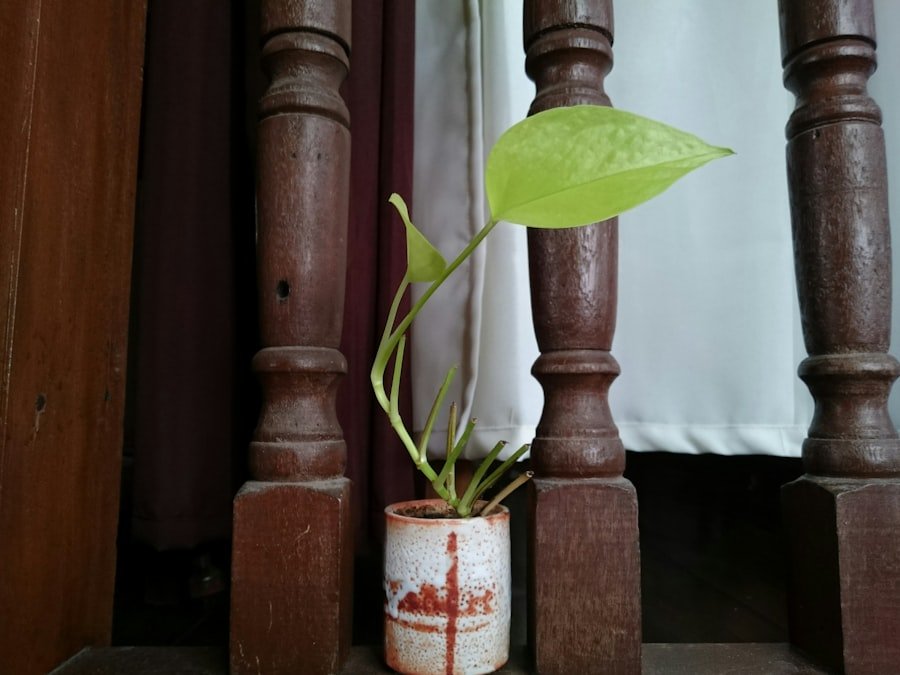
Watering practices are critical for nurturing healthy curry plants. These plants prefer consistently moist soil but are susceptible to root rot if overwatered. A general rule of thumb is to water when the top inch of soil feels dry to the touch.
During hot weather or dry spells, more frequent watering may be necessary; however, it is essential to ensure that excess water drains away effectively. Fertilization should be approached with care; while curry plants benefit from nutrients, excessive fertilization can lead to lush foliage at the expense of flavor concentration in the leaves. A balanced fertilizer with equal parts nitrogen, phosphorus, and potassium can be applied every four to six weeks during the growing season.
Organic options such as fish emulsion or seaweed extract can also provide essential nutrients without overwhelming the plant. As with watering, monitoring plant response to fertilization will help determine if adjustments are needed.
Dealing with Pests and Diseases
Like any garden plant, curry plants are susceptible to various pests and diseases that can hinder their growth and productivity. Common pests include aphids, spider mites, and whiteflies, which can sap nutrients from the leaves and lead to stunted growth. Regularly inspecting plants for signs of infestation is crucial; early detection allows for more effective management strategies.
Natural predators such as ladybugs can help control aphid populations, while insecticidal soap can be used for more severe infestations. Diseases such as powdery mildew and root rot can also pose threats to curry plants. Powdery mildew typically appears as a white powdery substance on leaves and thrives in humid conditions with poor air circulation.
To combat this issue, ensure adequate spacing between plants for airflow and avoid overhead watering that can promote humidity on foliage. Root rot often results from overwatering; thus, ensuring proper drainage and allowing soil to dry out between watering sessions is vital for prevention.
Pruning and Maintenance
Pruning is an essential practice for maintaining healthy curry plants and encouraging bushier growth. Regularly trimming back leggy branches not only helps shape the plant but also promotes new growth by stimulating dormant buds.
In addition to shaping, removing any dead or diseased leaves promptly can prevent potential issues from spreading throughout the plant. Maintaining cleanliness around the base of the plant by clearing away fallen leaves and debris helps reduce pest habitats and disease vectors. Furthermore, routine maintenance tasks such as checking for nutrient deficiencies or signs of stress will ensure that any issues are addressed before they escalate into more significant problems.
Harvesting the Leaves
Harvesting curry leaves requires careful consideration to ensure that you do not damage the plant while collecting its bounty. The best time to harvest is early in the morning when leaves are at their most aromatic and flavorful. Using clean scissors or pruning shears, snip off entire sprigs rather than individual leaves; this encourages further growth and allows for continued leaf production throughout the season.
When harvesting, it is advisable to take only what you need at any given time rather than stripping the plant bare. This practice not only ensures a steady supply of fresh leaves but also maintains the overall health of the plant by allowing it to continue photosynthesis effectively. Freshly harvested leaves can be used immediately in cooking or stored in an airtight container in the refrigerator for short-term use.
Using Curry Leaves in Cooking
Curry leaves are celebrated for their unique flavor profile and versatility in cooking. They are often used whole in dishes such as curries, soups, and stews where they impart a distinct aroma and taste during cooking but are typically removed before serving due to their tough texture. In South Indian cuisine, they play a pivotal role in tempering dishes; frying them briefly in oil releases their essential oils and enhances their flavor.
In addition to savory dishes, curry leaves can also be used in chutneys or blended into marinades for meats and vegetables, adding depth and complexity to flavors. Beyond their culinary uses, curry leaves are also valued for their health benefits; they are rich in antioxidants and have been traditionally used in Ayurvedic medicine for various ailments including digestive issues and diabetes management.
Tips for Success
To cultivate a thriving curry plant successfully, several tips can enhance your gardening experience. First and foremost, patience is key; curry plants may take time to establish themselves before producing abundant foliage. Regular monitoring of environmental conditions such as temperature and humidity will help you make necessary adjustments throughout their growth cycle.
Additionally, consider companion planting with herbs like basil or mint that thrive under similar conditions; this not only maximizes space but also promotes biodiversity within your garden ecosystem. Lastly, keeping a gardening journal can be beneficial; documenting growth patterns, pest occurrences, and weather conditions will provide valuable insights for future planting seasons and help refine your gardening techniques over time. By understanding each aspect of cultivating curry plants—from seed selection through harvesting—you can create an environment where these aromatic shrubs flourish while enriching your culinary endeavors with their distinctive flavor.
FAQs
What is a curry plant?
The curry plant (Murraya koenigii) is a tropical to sub-tropical tree in the family Rutaceae, which is native to India. It is known for its aromatic leaves that are used in Indian cooking to add flavor to dishes.
How do you grow curry plant from seed?
To grow curry plant from seed, start by soaking the seeds in warm water for 24 hours to help with germination. Then, plant the seeds in a well-draining potting mix, cover lightly with soil, and water gently. Place the pot in a warm, sunny location and keep the soil consistently moist. Germination can take anywhere from 1-8 weeks.
What are the ideal growing conditions for curry plant?
Curry plants thrive in warm, sunny conditions and prefer well-draining soil. They are best grown in USDA hardiness zones 10-12, but can also be grown as a potted plant indoors in cooler climates. They require regular watering and benefit from occasional fertilization during the growing season.
How long does it take for curry plant to grow from seed to harvest?
It can take anywhere from 1-3 years for a curry plant grown from seed to reach a size where leaves can be harvested for culinary use. However, the plant will continue to grow and produce leaves for many years with proper care.
Can curry plant be grown indoors?
Yes, curry plant can be grown indoors in a sunny location, especially in cooler climates where outdoor cultivation may not be feasible. It is important to provide the plant with adequate sunlight and warmth, as well as regular watering and occasional fertilization.