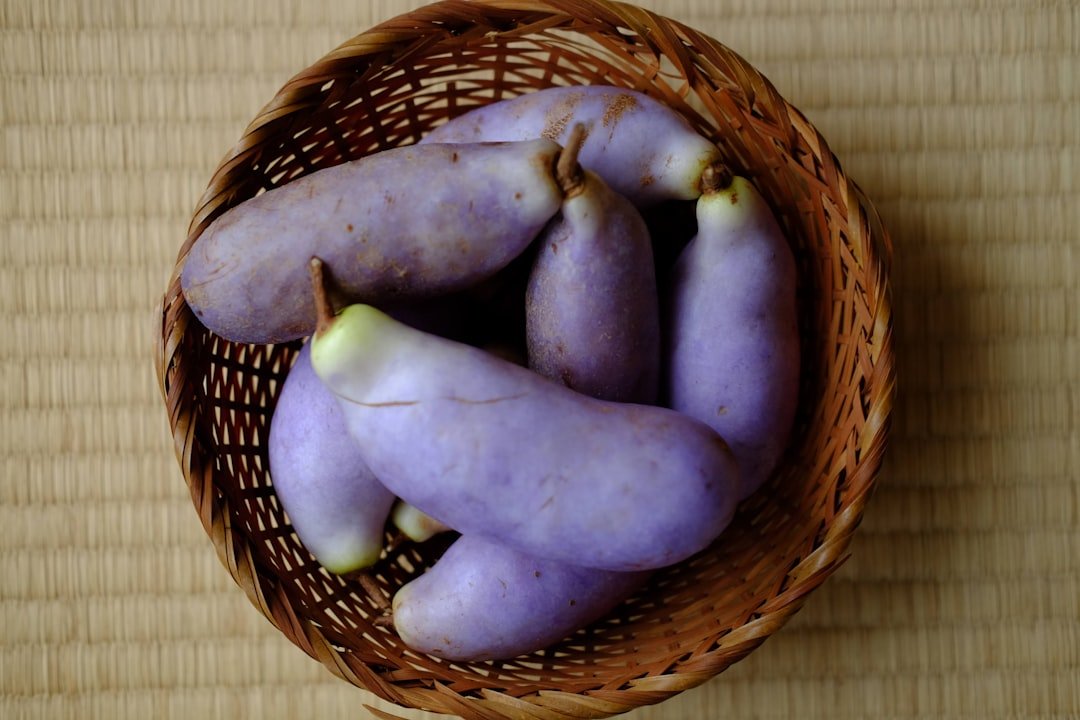
Seed purple potatoes, often referred to simply as purple potatoes, are a vibrant and nutritious variety of tubers that have gained popularity in recent years. Their striking color, which ranges from deep violet to a lighter lavender hue, is not just visually appealing but also indicative of their rich nutritional profile. These potatoes belong to the Solanum tuberosum species and are cultivated in various regions around the world, including the Andes mountains of South America, where they have been grown for thousands of years.
The unique pigmentation of purple potatoes is primarily due to the presence of anthocyanins, powerful antioxidants that contribute to their health benefits. The cultivation of seed purple potatoes has become increasingly important in sustainable agriculture due to their resilience and adaptability. They can thrive in diverse soil types and climatic conditions, making them an excellent choice for farmers looking to diversify their crops.
Additionally, their vibrant color and unique flavor profile have made them a favorite among chefs and home cooks alike, leading to a surge in demand. As consumers become more health-conscious and interested in the origins of their food, seed purple potatoes offer a compelling option that combines aesthetic appeal with nutritional value.
Key Takeaways
- Seed purple potatoes are a versatile and nutritious variety of potatoes that come in a vibrant purple color.
- They are rich in antioxidants, vitamins, and minerals, making them a healthy addition to any diet.
- Seed purple potatoes can be used in a variety of culinary dishes, from mashed potatoes to salads and even desserts.
- Growing and harvesting seed purple potatoes is relatively easy, making them a great option for home gardeners.
- Embracing the versatility of seed purple potatoes can bring a range of health, culinary, and even skincare benefits to your life.
Nutritional Benefits of Seed Purple Potatoes
Seed purple potatoes are not only visually striking but also packed with essential nutrients that contribute to a balanced diet. They are an excellent source of complex carbohydrates, providing energy without causing rapid spikes in blood sugar levels. Unlike their white or yellow counterparts, purple potatoes contain higher levels of antioxidants, particularly anthocyanins, which have been linked to various health benefits, including reduced inflammation and improved heart health.
These antioxidants help combat oxidative stress in the body, potentially lowering the risk of chronic diseases. In addition to their antioxidant properties, seed purple potatoes are rich in vitamins and minerals. They contain significant amounts of vitamin C, which plays a crucial role in immune function and skin health, as well as potassium, which is essential for maintaining healthy blood pressure levels.
Furthermore, they provide dietary fiber, which aids in digestion and promotes a feeling of fullness, making them an excellent choice for those looking to manage their weight. The combination of these nutrients makes seed purple potatoes a valuable addition to any diet.
Culinary Uses of Seed Purple Potatoes
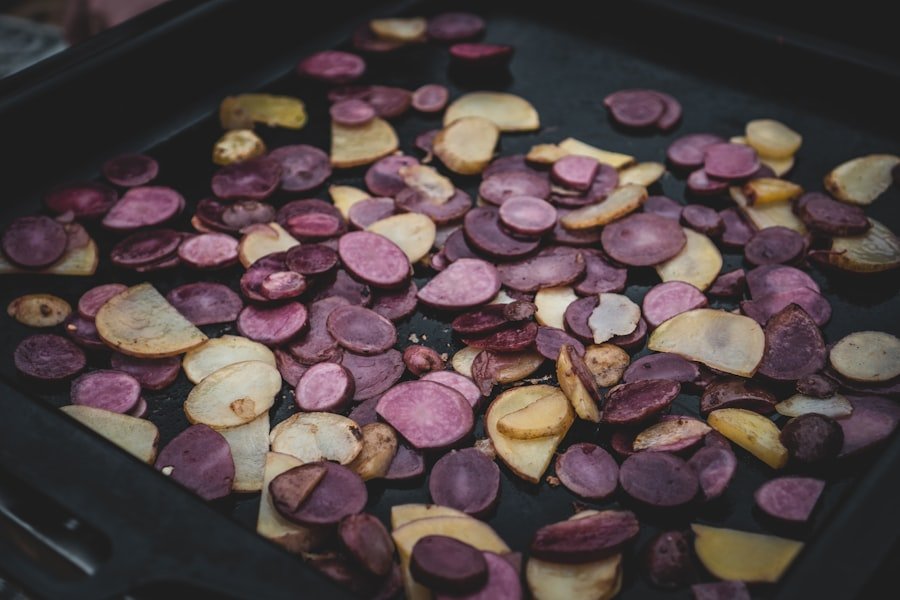
The culinary versatility of seed purple potatoes is one of the reasons for their growing popularity in kitchens around the world. Their unique flavor profile is often described as nutty and earthy, which pairs well with a variety of ingredients. They can be prepared in numerous ways, including boiling, baking, roasting, and frying.
When cooked, their vibrant color can add visual interest to any dish, making them an attractive option for chefs looking to elevate their presentations. One popular culinary application is in salads, where diced or roasted purple potatoes can add a pop of color and texture. They can also be mashed or pureed to create visually stunning side dishes that surprise and delight diners.
In addition to traditional potato dishes, seed purple potatoes can be incorporated into soups and stews, providing both flavor and nutrition. Their ability to hold their shape during cooking makes them ideal for dishes that require longer cooking times without disintegrating.
Growing and Harvesting Seed Purple Potatoes
| Stage | Timeframe | Activity |
|---|---|---|
| Pre-planting | 2-3 weeks before planting | Prepare seed potatoes by cutting into pieces with at least 2 eyes per piece |
| Planting | Early spring | Plant seed potatoes 3-4 inches deep and 12-15 inches apart in rows |
| Growth | Throughout growing season | Keep soil consistently moist and provide fertilizer as needed |
| Harvesting | Late summer or early fall | Harvest when plants begin to die back, usually 2-3 weeks after flowering |
Growing seed purple potatoes requires careful attention to soil conditions and climate. These tubers thrive in well-drained soil with a pH level between 5.8 and 6.5. Farmers often prepare the soil by adding organic matter such as compost or well-rotted manure to enhance fertility and drainage.
Planting typically occurs in early spring when the soil temperature reaches around 45°F (7°C). Seed potatoes should be planted at a depth of about 4 inches (10 cm) with adequate spacing to allow for proper growth. As the plants grow, they require consistent watering, especially during dry spells.
Mulching can help retain moisture and suppress weeds, which compete for nutrients. Harvesting usually takes place about 90 to 120 days after planting when the foliage begins to yellow and die back. Careful handling during harvest is crucial to prevent bruising or damaging the tubers.
Once harvested, seed purple potatoes should be cured in a cool, dark place for a couple of weeks to enhance their flavor and extend shelf life.
Health Benefits of Seed Purple Potatoes
The health benefits associated with seed purple potatoes extend beyond their nutritional content. Research has shown that the anthocyanins found in these tubers may play a role in reducing the risk of certain diseases. For instance, studies suggest that these antioxidants can help lower blood pressure and improve cardiovascular health by promoting better circulation and reducing inflammation within blood vessels.
This makes seed purple potatoes an excellent choice for individuals looking to support heart health through dietary choices. Moreover, the fiber content in seed purple potatoes contributes to digestive health by promoting regular bowel movements and preventing constipation. Fiber also plays a role in regulating blood sugar levels by slowing down the absorption of glucose into the bloodstream.
This can be particularly beneficial for individuals with diabetes or those at risk of developing the condition. Additionally, the presence of vitamin C supports immune function and skin health, further enhancing the overall health benefits of incorporating seed purple potatoes into one’s diet.
Seed Purple Potatoes in Different Cuisines
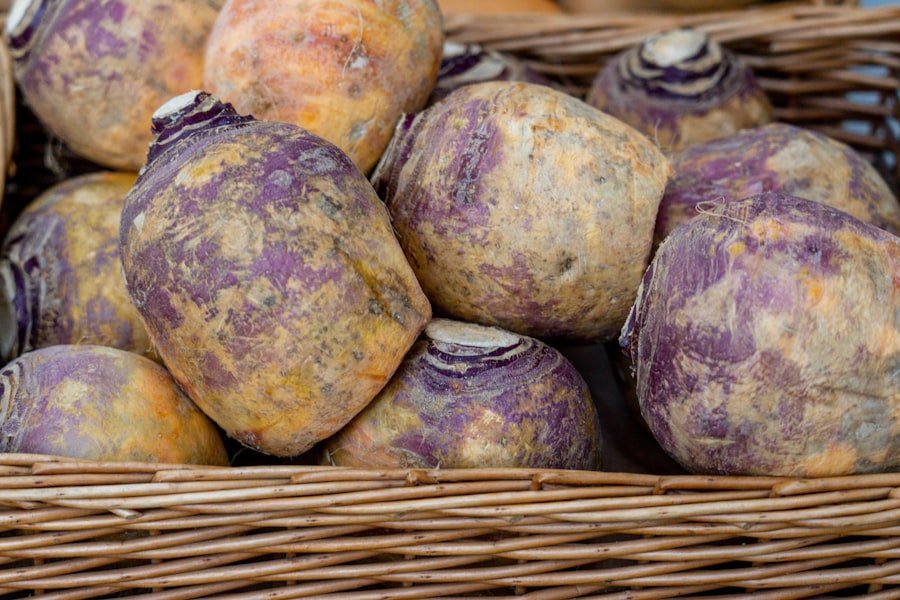
Traditional Roots in Peruvian Cuisine
In Peruvian cuisine, where these potatoes originated, they are often used in traditional dishes such as causa—a layered potato dish that highlights the vibrant color of purple potatoes alongside other ingredients like avocado and chicken or tuna. The use of purple potatoes adds not only flavor but also visual appeal to this classic dish.
Sweet Delights in Asian Cuisine
In Asian cuisines, particularly in Japan and Korea, purple potatoes are sometimes used in desserts or as a filling for pastries due to their naturally sweet flavor. In Japan, they may be incorporated into mochi or used as a topping for sweet rice cakes.
Versatility in Western Cuisine
In contrast, Western cuisines have embraced purple potatoes in more savory applications; they are often featured in gourmet salads or as a colorful side dish alongside grilled meats or fish. This cross-cultural versatility demonstrates how seed purple potatoes can enhance a wide range of culinary experiences.
Seed Purple Potatoes in Vegan and Vegetarian Diets
For those following vegan or vegetarian diets, seed purple potatoes serve as an excellent source of plant-based nutrition. Their rich carbohydrate content provides energy while their fiber aids in digestion—two essential components for anyone relying on plant foods for sustenance. Additionally, the presence of vitamins and minerals helps ensure that individuals on these diets receive adequate nutrition without relying on animal products.
In vegan cooking, seed purple potatoes can be used creatively in various dishes. They can be roasted with herbs and spices for a flavorful side dish or mashed with plant-based milk and vegan butter for a creamy alternative to traditional mashed potatoes. Furthermore, they can be incorporated into veggie burgers or fritters, adding both color and nutrition to these plant-based options.
The versatility of seed purple potatoes makes them an invaluable ingredient for those seeking to create satisfying vegan meals.
Seed Purple Potatoes in Gluten-Free Cooking
As gluten-free diets gain traction due to celiac disease awareness and gluten sensitivity issues, seed purple potatoes have emerged as a popular ingredient among those avoiding gluten-containing grains. Naturally gluten-free, these tubers can be used as a substitute for wheat-based products in various recipes.
In addition to being gluten-free, seed purple potatoes offer unique flavors that can enhance traditional gluten-free dishes. When combined with other gluten-free flours such as almond or coconut flour, they can create delicious baked goods that appeal to both gluten-free eaters and those without dietary restrictions. Their vibrant color also adds visual appeal to gluten-free recipes, making them more enticing for those who may be skeptical about gluten-free options.
Seed Purple Potatoes in Traditional Medicine
In various cultures around the world, seed purple potatoes have been utilized not only as food but also for their medicinal properties. Traditional medicine practices often recognize the health benefits associated with these tubers due to their antioxidant content and anti-inflammatory properties. In some indigenous cultures in South America, purple potatoes have been used as remedies for digestive issues or skin ailments.
The anthocyanins present in seed purple potatoes are believed to possess anti-inflammatory effects that may help alleviate symptoms associated with conditions such as arthritis or other inflammatory disorders. Additionally, some studies suggest that these compounds may have neuroprotective effects, potentially benefiting cognitive function and reducing the risk of neurodegenerative diseases like Alzheimer’s. While more research is needed to fully understand these potential benefits, the historical use of seed purple potatoes in traditional medicine highlights their significance beyond mere nutrition.
Seed Purple Potatoes in Beauty and Skincare
The benefits of seed purple potatoes extend into the realm of beauty and skincare as well. The antioxidants found within these tubers are believed to help combat free radicals that contribute to skin aging and damage. As such, some skincare products incorporate extracts from purple potatoes due to their potential anti-aging properties.
These extracts may help improve skin elasticity and promote a more youthful appearance. Moreover, homemade beauty treatments using mashed seed purple potatoes have gained popularity among natural skincare enthusiasts. For instance, a simple face mask made from mashed purple potatoes mixed with honey can provide hydration while delivering antioxidants directly to the skin.
This natural approach aligns with the growing trend toward clean beauty products that prioritize plant-based ingredients over synthetic chemicals.
Embracing the Versatility of Seed Purple Potatoes
Seed purple potatoes represent more than just a colorful addition to our plates; they embody a wealth of nutritional benefits, culinary versatility, and cultural significance across various cuisines worldwide. From their origins in the Andes mountains to their modern-day applications in vegan cooking and gluten-free diets, these tubers continue to capture the interest of health-conscious consumers and culinary enthusiasts alike. As we embrace the versatility of seed purple potatoes, we not only celebrate their unique flavors but also recognize their potential contributions to our overall health and well-being.
FAQs
What are purple potatoes?
Purple potatoes are a type of potato with a deep purple skin and flesh. They are rich in antioxidants and have a slightly nutty flavor.
What are the benefits of planting purple potato seeds?
Planting purple potato seeds can yield a crop of nutritious and colorful potatoes. They are also relatively easy to grow and can be a fun addition to a home garden.
How do you plant purple potato seeds?
To plant purple potato seeds, you can start by cutting the seed potatoes into pieces with at least one eye per piece. Then, plant the pieces in well-drained soil and keep them watered and well-mulched.
When is the best time to plant purple potato seeds?
Purple potato seeds are best planted in the spring, after the last frost has passed. They require a growing season of about 90-120 days.
How do you care for purple potato plants?
Purple potato plants require regular watering, especially during dry periods. They also benefit from hilling, which involves mounding soil around the base of the plants to protect the developing tubers.
When are purple potatoes ready to harvest?
Purple potatoes are typically ready to harvest about 2-3 weeks after the plants have finished flowering. The plants will start to die back, indicating that the tubers are ready to be dug up.
Can you eat the purple potato seeds?
No, the seeds of the purple potato plant are not typically eaten. Instead, the seeds are used for planting and growing new potato plants.