For most home gardens, start with ‘Gold Nugget’ (aka ‘Thales’) for balanced sweetness, ‘Big Jim’ for very large fruit, and ‘Champagne’ or ‘Advance’ if you like white-fleshed loquats. In cooler areas, protect fall-to-winter blooms from frost; established trees handle lower temperatures better than flowers and fruit.
Key takeaways
- Top picks: ‘Gold Nugget’ (Thales), ‘Big Jim’, ‘Champagne’, ‘Advance’, ‘Mogi’, ‘Tanaka’.
- Cold note: flowers/young fruit are often killed near 27°F (−3°C); mature trees may survive brief dips around 8–12°F (−13 to −11°C).
- ‘Advance’ is often described as fire-blight resistant and naturally compact (about 5 ft when untrained).
- Choose varieties for your taste, climate, and space (plus rootstock, if available).
Loquat basics
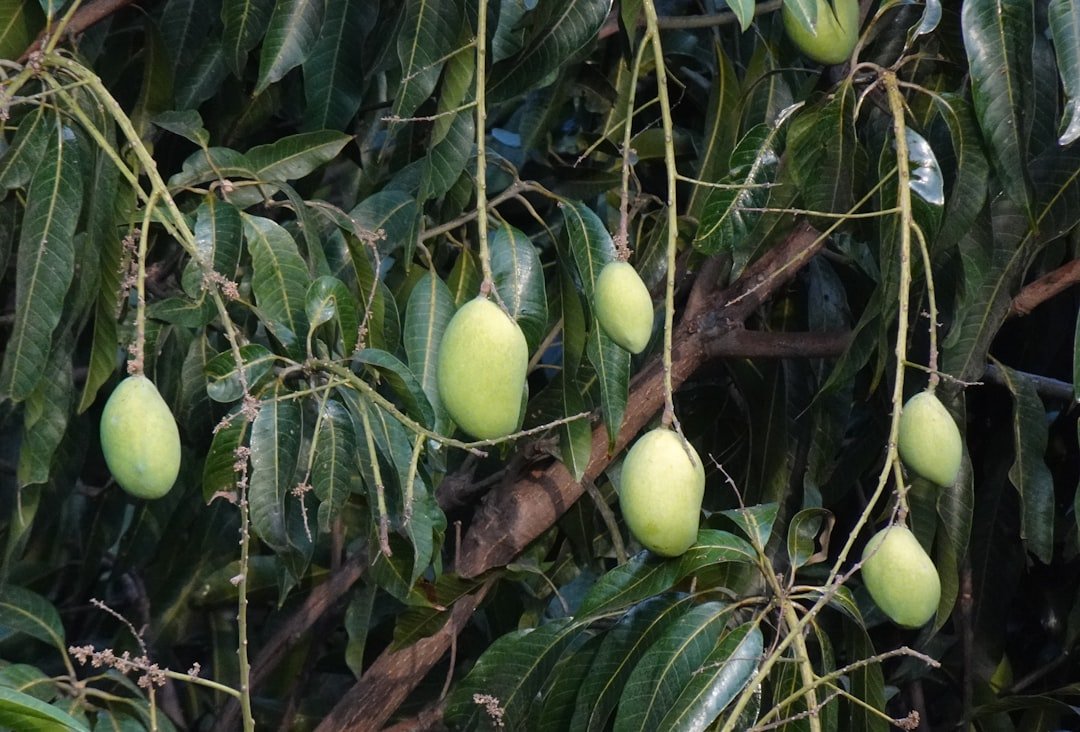
Native to China and long grown in Japan, loquat trees do best where winters are mild. They have glossy, foot-long leaves, sweet-scented white flowers from fall into winter, and spring fruit. The fruit is yellow to orange, with juicy flesh that can be white or deep orange.
For deeper background on growth, bloom, and care, see the UF/IFAS loquat guide.
Factors to consider when choosing loquat varieties
Climate fit. Loquats are commonly grown in USDA Zones 8b–11. In frost-prone areas, the bloom is the weak point. Protect flowers in late fall through winter when freezes threaten.
Intended use. Some cultivars shine fresh (soft and very sweet). Others keep more tang for jams and cooking.
Space & size. Some cultivars stay smaller, and dwarfing rootstocks (such as quince) can also help. Pruning after harvest keeps trees within reach.
Pollination. Many loquats can set fruit alone, but cross-pollination often boosts fruit set and size. If you can, plant two different cultivars.
Popular loquat varieties for home gardens
These proven cultivars are common starting points:
- ‘Gold Nugget’ (aka ‘Thales’, ‘Placentia’): orange flesh; juicy and sweet; ripens late; self-fertile and productive.
- ‘Big Jim’: very large fruit; sweet with light acidity; mid-season; vigorous tree.
- ‘Champagne’: deep yellow skin with white, melting flesh; mildly subacid and very juicy; great fresh or for desserts.
Products Worth Considering

Produces sweet, tangy, and juicy fruits ideal for fresh eating or preserves

Loquat Starter Plant: Grow your own luscious loquat fruits with this starter plant featuring a healthy seedling and nutrient-rich soil mix

LIVE LOQUAT TREE: Healthy loquat seedling ready to grow into a fruit-bearing tree that produces sweet, golden-orange fruits perfect for fresh eating or preserves
Sweet and juicy loquat varieties
| Variety | Color | Size | Taste |
|---|---|---|---|
| Gold Nugget (Thales) | Yellow-orange | Medium–large | Sweet, juicy, apricot-like |
| Champagne | Deep yellow skin / white flesh | Medium–large | Very sweet, melting |
| Big Jim | Orange flesh | Large | Sweet, extra-juicy |
Other favorites include ‘Mogi’ (early, sweet; widely grown in Japan) and ‘Vista White’ (very sugary white flesh). Many growers also like ‘Tanaka’ for rich flavor and good keeping quality.
Products Worth Considering


Loquat varieties with unique flavors
‘Strawberry’ is named for a berry-like note. ‘Tanaka’ can taste more aromatic and a bit more tart-sweet, which works well fresh or in baking. For large, showy fruit, some specialty growers offer ‘Peluche’, though it can be hard to find.
Products Worth Considering

Professionally Grafted 5 Gallon Fruit Tree
Cold-hardiness: what gardeners should know
As of 2026-01-21: Mature loquat trees can survive brief lows around 8–12°F (−13 to −11°C), but flowers and young fruit are often killed near 27°F (−3°C). In borderline areas, protect bloom with covers and warm micro-sites to improve your odds of a crop.
For winter-protection tips, see Clemson Extension’s loquat care guide.
Disease-tolerant choices
Fire blight can affect loquats, especially in wet bloom weather. ‘Advance’ is often described as highly resistant and also stays compact (about 5 ft when untrained). Prune out infected tips promptly and avoid heavy nitrogen, which can raise risk.
Dwarf options for small gardens
For a smaller tree, start with a compact cultivar such as ‘Advance’. You can also look for trees grafted to dwarfing rootstocks (quince is one option used for size control). Prune after harvest to keep trees low and easy to pick.
Loquat varieties by climate zone
- Zones 9–11: Most cultivars do well. Popular: Gold Nugget (late), Big Jim (large fruit), Champagne (white flesh).
- Zone 8b (and warmer micro-sites): Plan frost protection during bloom. In the Southeast, ‘Wolfe’ and ‘Advance’ are often recommended.
Tips for growing and caring for loquat trees
Soil: Well-drained soil is best.
Water: Water young trees well. During fruit swell, steady moisture helps fruit size.
Fruit thinning: In heavy set years, thin clusters to improve size and reduce limb stress.
Pruning: Prune after harvest to keep height around 6–12 ft and open the canopy.
Feeding: Use light nitrogen during growth. Avoid excess that can raise disease pressure (including fire blight).
Selecting the best loquat variety for your garden
Match cultivar to climate and purpose. For one tree, pick a widely adapted choice like Gold Nugget. If you plant two, pair a white-fleshed type (Champagne or Advance) with an orange-fleshed type (Big Jim, Mogi) for variety and often better yields.
FAQs
What is the best loquat variety for home cultivation?
Gold Nugget (aka Thales) and Big Jim are dependable starters. Add Champagne or Advance if you like white-fleshed loquats. Planting two compatible varieties often improves yield and fruit size.
Which factors matter most when choosing a loquat?
Climate (especially bloom frost risk), available space, flavor preference, and disease pressure. Also consider pollination, harvest timing, and whether you want fresh fruit or preserves.
Which loquat is best for fresh eating?
Champagne and Vista White offer very sweet, melting white flesh; Big Jim and Gold Nugget deliver rich, juicy orange flesh. Taste varies by climate and ripeness.
What suits cooking and preserves?
Varieties with a sweet-tart balance work well, such as Gold Nugget and Tanaka. Harvest slightly firm fruit for jams, chutneys, and pies.
How cold can loquats handle?
Mature trees may survive brief lows around 8–12°F (−13 to −11°C), but flowers and young fruit are often killed near 27°F (−3°C). Protect fall-to-winter bloom to improve your chances of a crop.