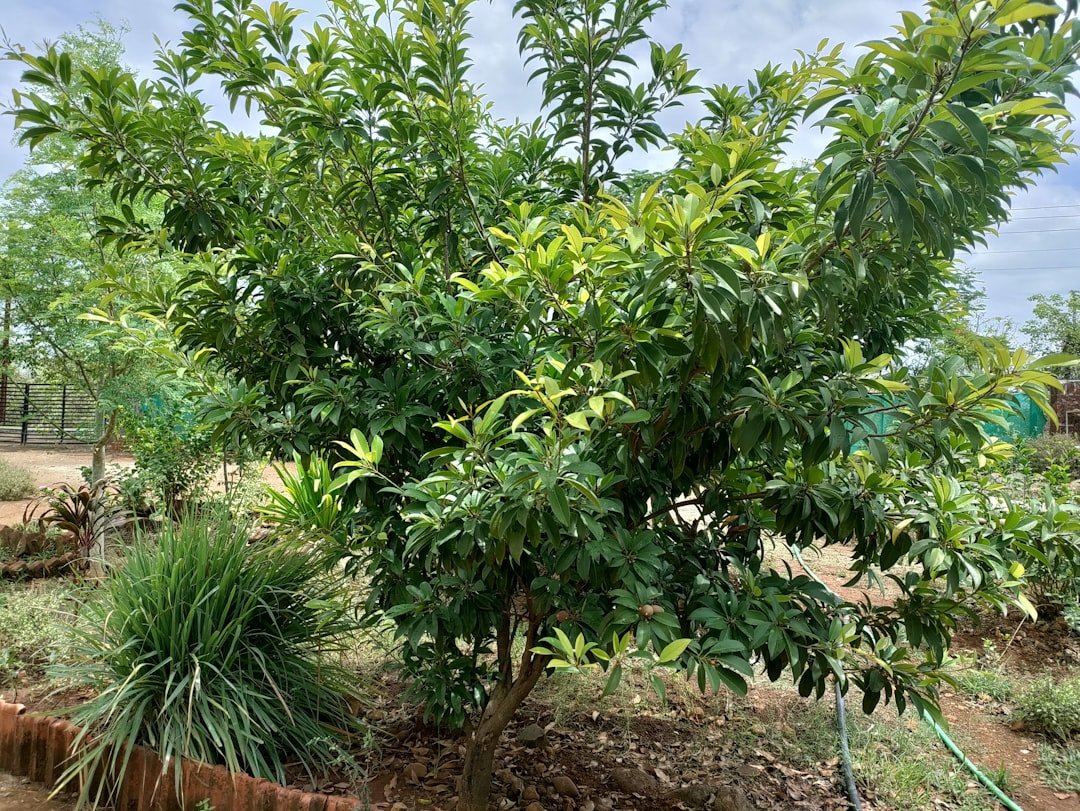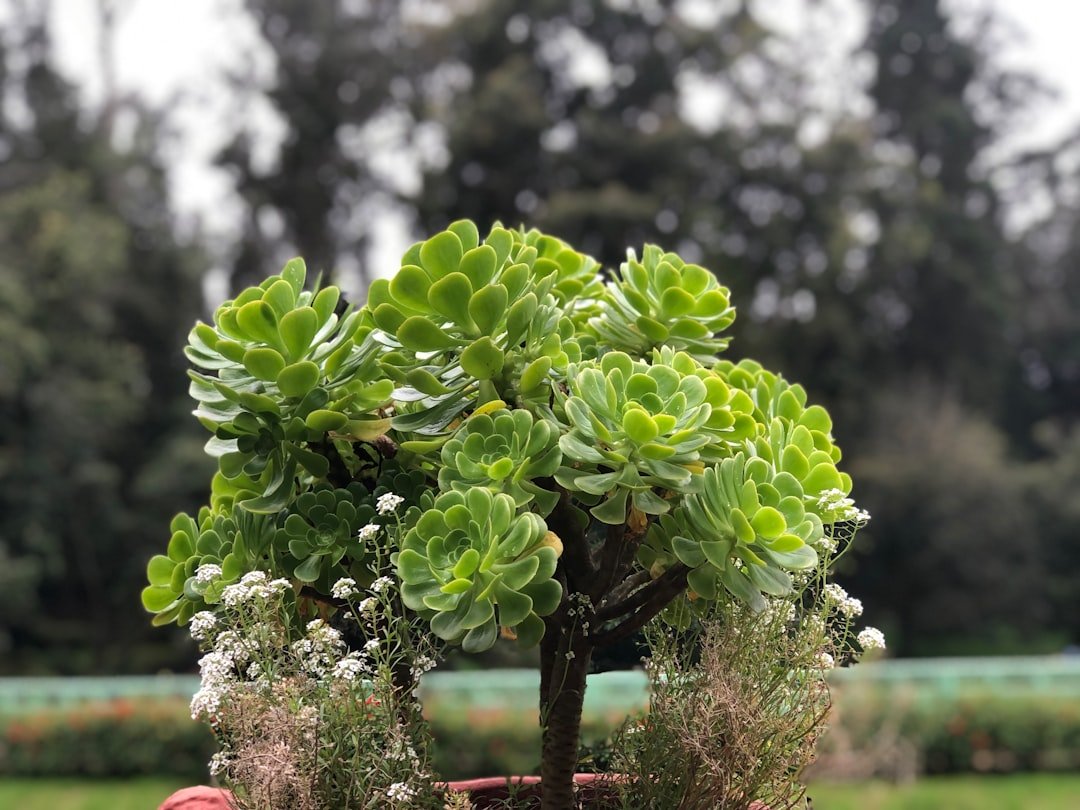
California’s climate is as diverse as its geography, ranging from coastal regions with mild temperatures to arid deserts and mountainous areas with significant snowfall. The state is primarily characterized by a Mediterranean climate, which features wet winters and dry summers. This climate allows for a long growing season, making it possible to cultivate a wide variety of plants throughout the year.
For instance, coastal areas experience cooler temperatures and higher humidity, while inland valleys can reach scorching highs during summer months. In September, California transitions from the heat of summer into the cooler fall months.
This period is marked by a gradual decrease in temperature and an increase in the likelihood of rain, particularly in Northern California.
The warm soil temperatures in early September are still conducive to seed germination and root establishment, while the cooler evenings signal a change that can affect plant growth.
Gardeners must be attuned to these nuances to ensure their plants thrive during this transitional period.
Key Takeaways
- California’s climate varies greatly, so it’s important to understand the specific conditions in your area before planting.
- When selecting plants for September planting, consider the climate, soil type, and sunlight in your garden.
- Preparing the soil for fall planting is crucial for the health and growth of your plants.
- Choose the ideal location for your garden by considering factors such as sunlight, water drainage, and proximity to other plants.
- Proper watering is essential for the health of your garden in September, so be mindful of the specific needs of your plants.
Selecting the Right Plants for September Planting
When considering what to plant in September, it is essential to choose varieties that can withstand the upcoming cooler temperatures while still benefiting from the residual warmth of late summer. Cool-season crops such as kale, spinach, and broccoli are excellent choices for this time of year. These plants not only thrive in cooler weather but also tend to develop better flavor profiles when exposed to light frosts.
Additionally, root vegetables like carrots and beets can be sown in September, allowing them to mature as the weather cools. In contrast, it is advisable to avoid planting heat-loving crops such as tomatoes and peppers at this time, as they require longer growing seasons and may not produce fruit before the first frost. Instead, focus on varieties that are known for their resilience in fall conditions.
For instance, many gardeners find success with fall-blooming flowers like asters and chrysanthemums, which can add vibrant color to the garden as summer blooms fade. By selecting the right plants for September planting, gardeners can ensure a bountiful harvest and a visually appealing landscape.
Preparing the Soil for Fall Planting
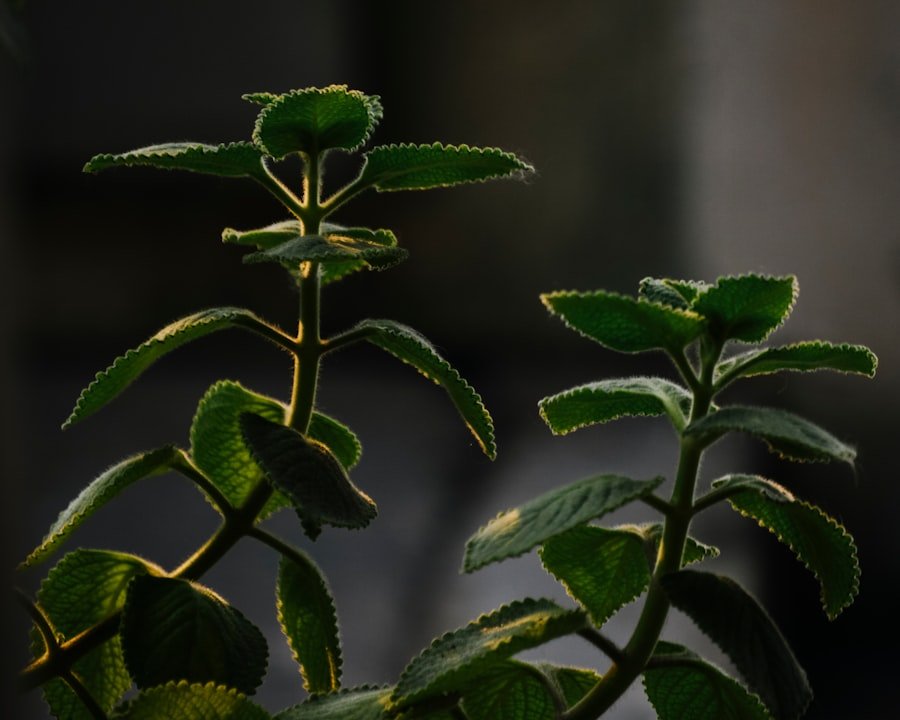
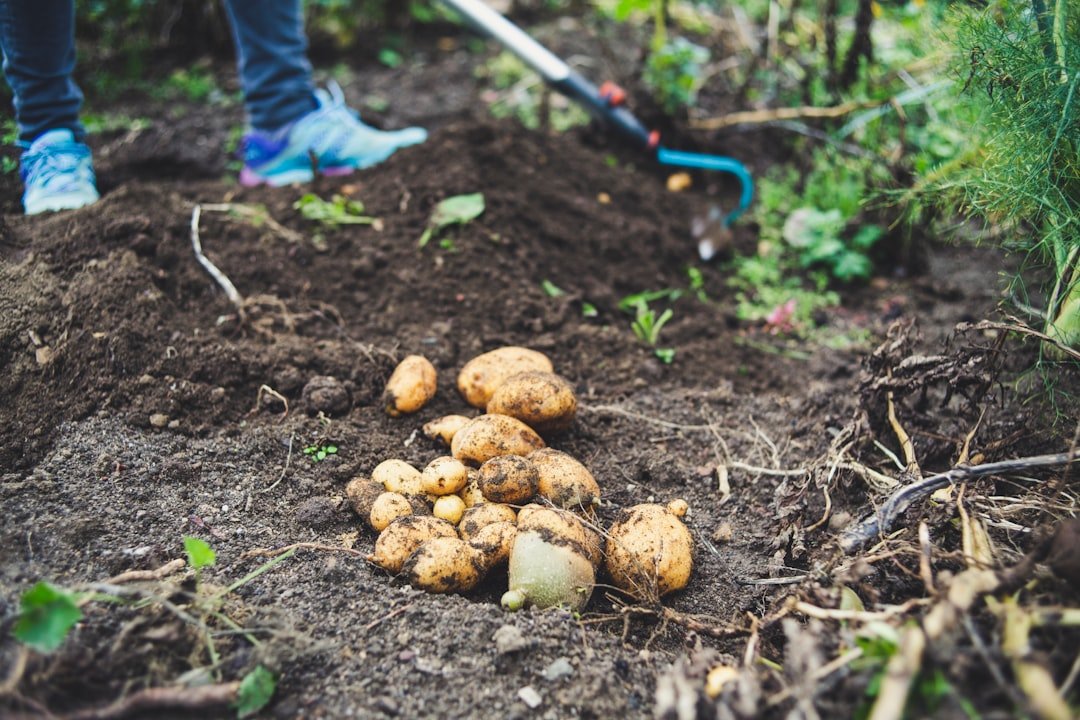
Soil preparation is a critical step in ensuring successful fall planting. Before sowing seeds or transplanting seedlings, it is essential to assess the soil’s health and structure. Begin by testing the soil pH and nutrient levels; this information will guide any necessary amendments.
California soils can vary widely, with some regions having clay-heavy soils that retain moisture while others may be sandy and drain quickly. Depending on the results of your soil test, you may need to add organic matter such as compost or well-rotted manure to improve fertility and structure. In addition to amending the soil, it is vital to ensure proper drainage.
Compacted soil can hinder root development and lead to waterlogged conditions that promote disease. To alleviate compaction, consider tilling or turning the soil to a depth of at least 12 inches. This process not only aerates the soil but also helps incorporate organic matter evenly throughout.
As you prepare your garden beds, take care to remove any weeds or debris that could compete with your new plants for nutrients and water. A well-prepared soil foundation sets the stage for healthy growth and robust yields in your fall garden.
Choosing the Ideal Location for Your Garden
| Factors | Considerations |
|---|---|
| Sunlight | Amount of sunlight the location receives |
| Soil Quality | pH level, drainage, and nutrient content of the soil |
| Water Source | Proximity to a water source for irrigation |
| Shade | Presence of nearby trees or structures that may create shade |
| Accessibility | Convenience and ease of access for maintenance |
The location of your garden plays a pivotal role in its success, particularly during the transitional month of September. When selecting a site, consider factors such as sunlight exposure, wind protection, and proximity to water sources. Most vegetables and flowers require at least six hours of direct sunlight each day to thrive; therefore, choosing a location that receives ample sunlight is crucial.
Observe your garden area throughout the day to identify spots that receive consistent light without excessive shade from trees or structures. Wind can also impact plant health, especially for young seedlings that are still establishing their root systems. If your garden is located in an area prone to strong winds, consider using windbreaks such as fences or hedges to provide shelter.
Additionally, accessibility to water is essential for maintaining healthy plants, particularly during dry spells common in California’s climate. Ensure that your chosen location allows for easy watering, whether through a hose or an irrigation system. By carefully selecting the ideal location for your garden, you can create an environment that fosters growth and resilience.
Tips for Watering Your Garden in September
As September marks a transition into cooler weather, adjusting your watering practices becomes essential for maintaining healthy plants. While summer may have required frequent watering due to high temperatures and evaporation rates, fall often brings more moderate conditions that can reduce water needs. It is important to monitor soil moisture levels regularly; using a moisture meter or simply checking the soil with your fingers can help determine when watering is necessary.
When watering in September, aim for deep watering sessions rather than frequent shallow ones. Deep watering encourages roots to grow deeper into the soil, enhancing drought resistance and overall plant health. Early morning is typically the best time to water, as it allows plants to absorb moisture before the heat of the day sets in.
Additionally, consider implementing mulch around your plants; this not only helps retain soil moisture but also suppresses weeds that compete for water and nutrients.
Planting and Caring for Fall Vegetables
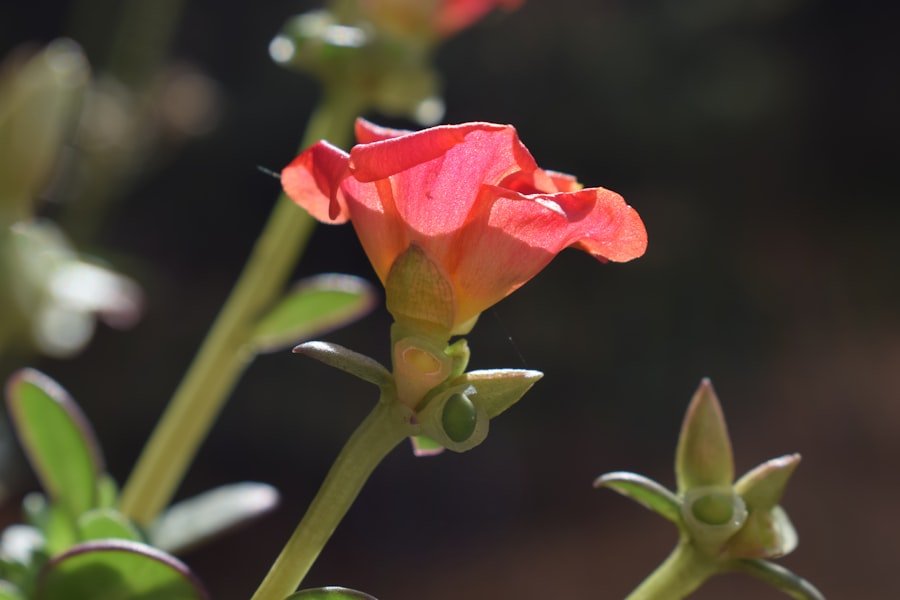
Once you have selected your fall vegetables and prepared your soil, it’s time to plant them with care. For crops like kale and broccoli, sow seeds directly into the ground or transplant seedlings at appropriate intervals to allow for adequate spacing as they mature. Following seed packet instructions regarding planting depth and spacing will help ensure optimal growth conditions.
After planting, gently water the area to settle the soil around the seeds or roots. Caring for fall vegetables involves regular monitoring for pests and diseases as well as providing necessary nutrients throughout their growth cycle. Fertilizing with a balanced organic fertilizer can support healthy development during this critical time.
Additionally, keep an eye out for common pests such as aphids or cabbage worms that may target leafy greens; employing organic pest control methods like neem oil or insecticidal soap can help manage infestations without harming beneficial insects.
Planting and Caring for Fall Flowers
In addition to vegetables, September is an excellent time to plant fall flowers that will bloom beautifully as summer fades away. Perennials such as asters and sedums are ideal choices for this season; they not only provide vibrant colors but also attract pollinators like bees and butterflies during their blooming period. When planting flowers, ensure they are placed at appropriate depths and distances apart to allow for air circulation and growth.
Caring for fall flowers involves regular deadheading—removing spent blooms—to encourage further flowering and maintain a tidy appearance in your garden. Additionally, mulching around flower beds can help retain moisture while suppressing weeds that may compete for resources. As temperatures begin to drop, be mindful of any signs of frost damage; covering sensitive plants with frost cloths during particularly chilly nights can protect them from potential harm.
Protecting Your Garden from Pests and Diseases in September
As fall approaches, it is crucial to remain vigilant against pests and diseases that may threaten your garden’s health. The changing weather conditions can create an environment conducive to certain pests becoming more active or diseases spreading more easily among plants. Regularly inspecting your garden for signs of trouble—such as discolored leaves or unusual insect activity—can help you catch issues early before they escalate.
Implementing integrated pest management (IPM) strategies can be highly effective in protecting your garden without resorting to harsh chemicals. This approach includes cultural practices like crop rotation and companion planting, which can deter pests naturally while promoting biodiversity within your garden ecosystem. Additionally, introducing beneficial insects such as ladybugs or lacewings can help control pest populations organically.
Incorporating Native Plants into Your September Garden
Integrating native plants into your September garden offers numerous benefits beyond aesthetics; these plants are well-adapted to California’s climate and require less water and maintenance compared to non-native species. Native plants also provide essential habitat for local wildlife, including pollinators like bees and butterflies that play a critical role in maintaining ecological balance. Consider incorporating species such as California poppies or manzanita into your landscape design.
When selecting native plants, it’s important to choose varieties that suit your specific region within California, as different areas have unique environmental conditions. Research local native plant nurseries or organizations that specialize in promoting indigenous flora; they can provide valuable guidance on suitable species for your garden space. By incorporating native plants into your September garden, you contribute positively to local ecosystems while enjoying a low-maintenance landscape.
Creating a September Garden Maintenance Schedule
Establishing a maintenance schedule is vital for keeping your garden healthy throughout September and beyond. Begin by outlining key tasks such as watering frequency, fertilization intervals, pest monitoring sessions, and weeding efforts. A well-structured schedule helps ensure that no aspect of garden care is overlooked during this busy time of year when both planting and harvesting occur simultaneously.
Consider using a gardening journal or digital app to track your activities and observations throughout the month. Documenting changes in plant health or pest activity can provide valuable insights for future gardening endeavors. Additionally, setting aside specific days each week dedicated solely to maintenance tasks will help you stay organized while allowing you to enjoy the fruits of your labor without feeling overwhelmed.
Planning for the Future: Preparing Your Garden for Winter
As September draws to a close and winter approaches, it’s essential to start preparing your garden for the colder months ahead. This preparation involves several key steps aimed at protecting both existing plants and ensuring a successful spring growing season. Begin by assessing which crops can continue producing through winter; certain hardy vegetables like Brussels sprouts or winter kale may still thrive if properly cared for.
For perennial plants or those that will remain dormant during winter months, consider applying mulch around their bases to insulate roots against freezing temperatures while retaining moisture levels in the soil. Additionally, cleaning up any debris from fallen leaves or spent plants helps prevent disease buildup over winter months when gardens are less active. By taking proactive measures now—such as planning crop rotations or identifying areas needing improvement—you set yourself up for success when spring arrives once again.
FAQs
What are the best plants to plant in September in California?
In September, it is a good time to plant cool-season vegetables such as lettuce, spinach, kale, and broccoli in California. It is also a good time to plant flowers such as pansies, snapdragons, and calendula.
Can I plant fruit trees in September in California?
September is a good time to plant fruit trees in California, especially citrus trees. It is important to choose the right variety for your specific climate and soil conditions.
What herbs can I plant in September in California?
In September, you can plant herbs such as cilantro, parsley, chives, and mint in California. These herbs thrive in the cooler temperatures of the fall season.
Is it a good time to plant succulents in September in California?
September is a good time to plant succulents in California, as the weather is still warm and the soil is well-drained. Be sure to choose the right type of succulents for your specific climate and sun exposure.
Can I plant bulbs in September in California?
September is a good time to plant bulbs such as daffodils, tulips, and hyacinths in California. These bulbs will establish their roots before the winter and bloom in the spring.