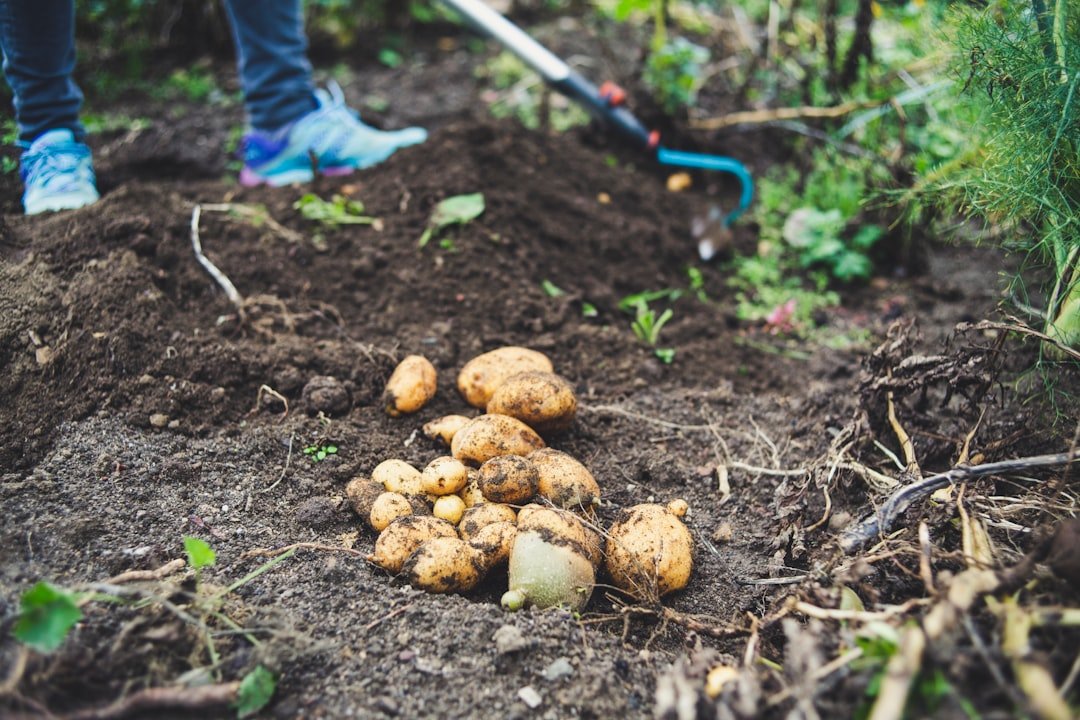
The history of California potatoes is a fascinating journey that intertwines agricultural innovation, cultural exchange, and economic development. Potatoes were first introduced to California in the mid-19th century, around the time of the Gold Rush. As settlers flocked to the region in search of fortune, they brought with them various crops, including potatoes, which quickly adapted to California’s diverse climates.
The state’s unique geography, with its varying elevations and microclimates, allowed for the cultivation of different potato varieties, making it an ideal location for potato farming. By the late 1800s, California had established itself as a significant player in the potato market. The introduction of irrigation techniques and advancements in farming practices contributed to increased yields and quality.
Farmers began to experiment with different varieties, leading to the development of unique strains that thrived in California’s soil. The state’s potato industry continued to grow throughout the 20th century, with innovations in agricultural technology and practices further enhancing production.
S., known for its high-quality tubers that are enjoyed both domestically and internationally.
Key Takeaways
- California potatoes have a rich history dating back to the Gold Rush era, when they were a staple food for miners and settlers.
- California potatoes are a nutritious choice, high in vitamin C, potassium, and fiber, and low in calories and fat.
- There are several varieties of California potatoes, including Russet, Red, and Fingerling, each with its own unique flavor and texture.
- California potatoes can be cooked in a variety of ways, including baking, boiling, and roasting, and can be used in a wide range of traditional and modern dishes.
- Sustainable farming practices are important for California potato production, as they help to protect the environment and ensure the long-term viability of the industry.
Nutritional Benefits of California Potatoes
California potatoes are not only versatile and delicious but also packed with essential nutrients that contribute to a healthy diet. They are an excellent source of carbohydrates, providing energy for daily activities. A medium-sized potato contains about 110 calories, making it a low-calorie food option when prepared without excessive fats or oils.
Additionally, potatoes are rich in dietary fiber, which aids in digestion and helps maintain a healthy gut. Beyond carbohydrates and fiber, California potatoes are also a treasure trove of vitamins and minerals. They are particularly high in vitamin C, which plays a crucial role in immune function and skin health.
Potatoes also contain significant amounts of potassium, a mineral that helps regulate blood pressure and supports heart health. Furthermore, they provide B vitamins such as B6 and folate, which are essential for energy metabolism and brain function. Incorporating California potatoes into meals can enhance overall nutritional intake while offering a satisfying and hearty option.
Different Varieties of California Potatoes

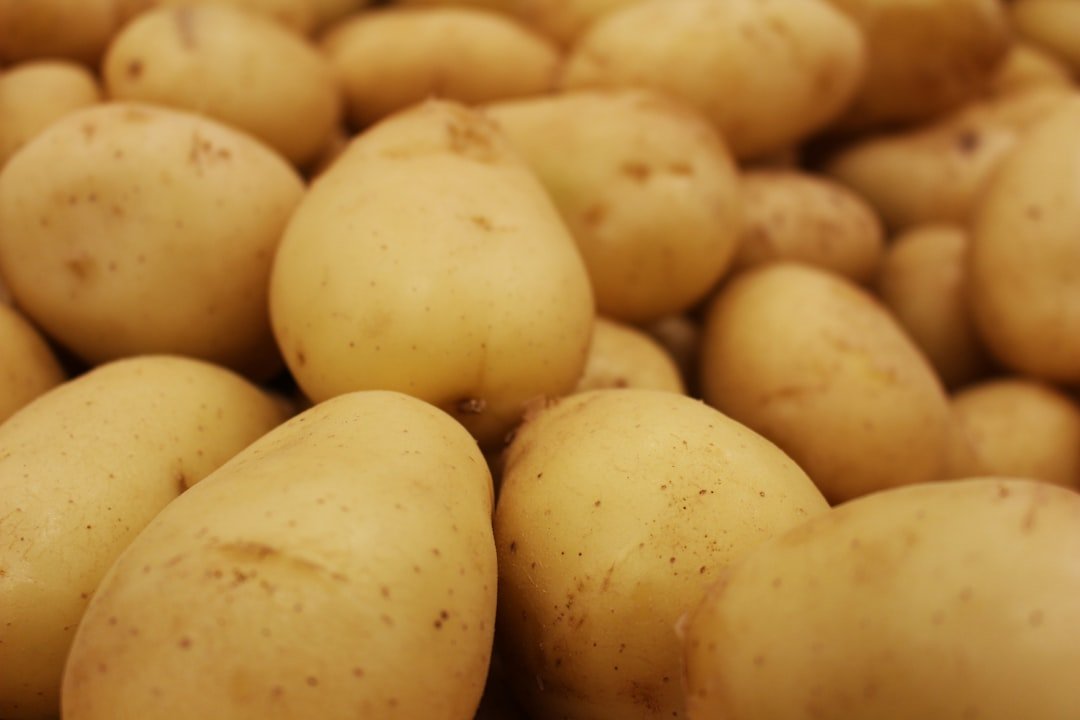
California is home to a diverse array of potato varieties, each with its unique flavor profile, texture, and culinary applications. Among the most popular varieties grown in the state are Russet, Yukon Gold, and Red potatoes. Russet potatoes are known for their high starch content, making them ideal for baking and frying.
Their fluffy interior when cooked makes them a favorite for mashed potatoes and French fries. Yukon Gold potatoes, on the other hand, are characterized by their smooth, yellow skin and buttery flavor. They are versatile and can be used in various dishes, from roasting to boiling.
Their creamy texture makes them particularly well-suited for gratins and salads. Red potatoes, with their thin skin and waxy texture, hold their shape well when cooked, making them perfect for salads or as a side dish. The diversity of these varieties allows chefs and home cooks alike to choose the perfect potato for their culinary creations.
How to Cook California Potatoes
| Ingredients | Quantity |
|---|---|
| California Potatoes | 4 medium-sized |
| Olive Oil | 2 tablespoons |
| Salt | 1 teaspoon |
| Black Pepper | 1/2 teaspoon |
| Paprika | 1/2 teaspoon |
| Garlic Powder | 1/2 teaspoon |
| Onion Powder | 1/2 teaspoon |
| Parsley | 1 tablespoon (chopped) |
Cooking California potatoes can be an enjoyable experience due to their versatility in various culinary techniques. One of the simplest methods is boiling, which involves placing peeled or unpeeled potatoes in salted water until tender. This method is ideal for preparing mashed potatoes or potato salads.
For those looking to enhance flavor, adding herbs or garlic to the boiling water can infuse the potatoes with additional taste. Baking is another popular cooking method that brings out the natural sweetness of California potatoes. Whole Russet potatoes can be baked until their skins are crispy while the insides remain fluffy.
Topping them with butter, sour cream, or chives creates a comforting dish that is both satisfying and nutritious. Roasting is also a favored technique; cutting potatoes into wedges or cubes and tossing them with olive oil and seasonings before roasting at high heat results in crispy exteriors and tender interiors. This method works well with Yukon Gold or Red potatoes, allowing their unique flavors to shine through.
California Potatoes in Traditional and Modern Cuisine
California potatoes have found their way into both traditional dishes and modern culinary creations across various cultures. In traditional American cuisine, mashed potatoes are a staple side dish often served during holiday gatherings or family dinners. The creamy texture and buttery flavor make them a beloved accompaniment to roasted meats and gravies.
In contrast, modern cuisine has embraced California potatoes in innovative ways. Chefs are experimenting with techniques such as sous-vide cooking or incorporating them into gourmet dishes like potato gnocchi or truffle-infused potato purée. Additionally, California potatoes have made their mark in international cuisines; for instance, they are essential ingredients in Indian aloo dishes or Spanish patatas bravas.
This adaptability showcases the potato’s ability to transcend cultural boundaries while remaining a beloved ingredient.
Sustainable Farming Practices for California Potatoes
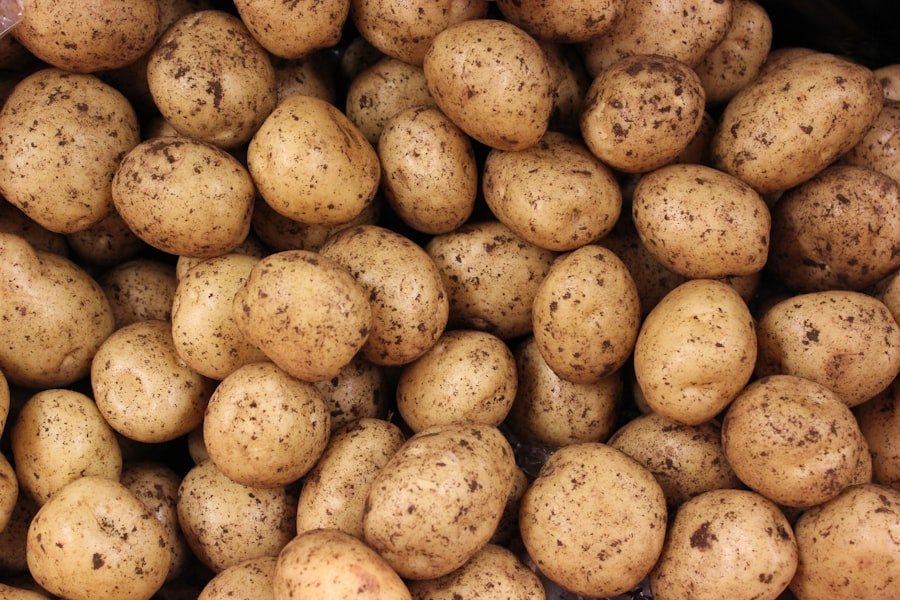
Sustainable farming practices have become increasingly important in the cultivation of California potatoes as consumers demand more environmentally friendly food sources. Many farmers are adopting crop rotation techniques to maintain soil health and reduce pest populations naturally. By alternating potato crops with legumes or other plants, farmers can enhance soil fertility while minimizing the need for chemical fertilizers.
Water conservation is another critical aspect of sustainable potato farming in California, especially given the state’s history of droughts. Many growers have implemented drip irrigation systems that deliver water directly to the plant roots, reducing waste and ensuring efficient water use. Additionally, some farmers are exploring organic farming methods that eschew synthetic pesticides and fertilizers in favor of natural alternatives.
These practices not only benefit the environment but also appeal to health-conscious consumers seeking organic produce.
California Potatoes and Their Impact on the Economy
The potato industry plays a significant role in California’s economy, contributing millions of dollars annually through production and sales. As one of the top potato-producing states in the U.S., California’s agricultural sector relies heavily on this crop for both domestic consumption and export markets. The economic impact extends beyond just farmers; it encompasses processing facilities, transportation services, and retail outlets that rely on the steady supply of high-quality potatoes.
Moreover, the potato industry provides employment opportunities for thousands of individuals across various sectors. From farm laborers who plant and harvest crops to workers in processing plants who prepare potatoes for market distribution, the industry supports local economies throughout the state. As consumer demand for fresh produce continues to rise, California’s potato industry is poised for growth, further solidifying its economic importance.
Health Benefits of Including California Potatoes in Your Diet
Incorporating California potatoes into your diet offers numerous health benefits that extend beyond basic nutrition. The high fiber content found in these tubers aids digestion by promoting regular bowel movements and preventing constipation.
Additionally, the potassium found in California potatoes plays a vital role in maintaining cardiovascular health by helping regulate blood pressure levels. Consuming potassium-rich foods can counteract sodium’s effects on blood pressure, promoting heart health over time. Furthermore, the antioxidants present in potatoes may help combat oxidative stress in the body, potentially reducing the risk of chronic diseases such as heart disease and certain cancers.
Fun Facts About California Potatoes
California potatoes come with an array of fun facts that highlight their significance and uniqueness. For instance, did you know that California produces over 4 billion pounds of potatoes annually? This staggering figure underscores the state’s status as a leading producer within the United States.
Additionally, California’s diverse climate allows for year-round potato cultivation; while many states have specific growing seasons, California farmers can harvest multiple crops throughout the year. Another interesting tidbit is that there are over 4,000 different potato varieties worldwide; however, only a fraction of these are cultivated commercially in California. This diversity means that consumers can enjoy a wide range of flavors and textures when choosing their potatoes.
Furthermore, potatoes were once considered a food for the lower class; however, they have since gained recognition as a nutritious staple enjoyed by people from all walks of life.
Tips for Storing and Preserving California Potatoes
Proper storage is essential for maintaining the freshness and quality of California potatoes. To ensure longevity, it is best to store them in a cool, dark place with good ventilation—ideally between 45°F to 50°F (7°C to 10°C). Avoid storing potatoes in plastic bags; instead, opt for paper bags or breathable containers that allow air circulation while preventing moisture buildup.
It is also crucial to keep potatoes away from direct sunlight as exposure can lead to greening—a process where solanine develops due to light exposure—making them unsafe to eat. If you notice any sprouting or soft spots on your potatoes, it’s advisable to remove those areas before cooking or consuming them. For longer-term preservation, consider freezing cooked potato dishes or dehydrating slices for snacks or future meals.
Delicious California Potato Recipes to Try at Home
Exploring delicious recipes featuring California potatoes can elevate your culinary experience while showcasing their versatility. One classic dish is loaded baked potatoes: simply bake Russet potatoes until tender, then top them with sour cream, cheese, bacon bits, chives, and any other desired toppings for a hearty meal or side dish. For a modern twist on traditional flavors, try making Yukon Gold potato gnocchi tossed in sage brown butter sauce.
The creamy texture of Yukon Golds makes them perfect for this dish; simply combine mashed potatoes with flour and egg to form dough before shaping into small dumplings and cooking until they float in boiling water. Another delightful option is roasted red potato salad with herbs; cut red potatoes into bite-sized pieces, toss them with olive oil and your choice of herbs before roasting until golden brown. Combine with fresh vegetables like bell peppers or green beans for a colorful side dish that pairs well with grilled meats or fish.
These recipes not only highlight the deliciousness of California potatoes but also encourage creativity in the kitchen while promoting healthy eating habits through wholesome ingredients.
FAQs
What are California potatoes?
California potatoes are potatoes that are grown in the state of California. They are known for their high quality and are grown in various regions of the state.
What are the different varieties of California potatoes?
Some of the popular varieties of California potatoes include Russet Burbank, Ranger Russet, and Shepody. These varieties are known for their versatility and are used in a wide range of culinary applications.
How are California potatoes grown?
California potatoes are typically grown in well-drained, sandy loam soils. They require a cool climate and are often planted in the early spring. The state’s diverse microclimates allow for year-round potato production.
What are the nutritional benefits of California potatoes?
California potatoes are a good source of vitamins and minerals, including vitamin C, potassium, and B vitamins. They are also low in fat and calories, making them a healthy addition to a balanced diet.
How are California potatoes used in cooking?
California potatoes are versatile and can be used in a variety of cooking methods, including boiling, baking, frying, and mashing. They are commonly used to make dishes such as mashed potatoes, french fries, and potato salads.
Are California potatoes sustainable?
California potato growers are committed to sustainable farming practices, including water conservation, soil health, and integrated pest management. Many growers also participate in certification programs that promote sustainable agriculture.