Chinese long beans, also known as yard-long beans or asparagus beans, are a popular vegetable in many Asian cuisines. These legumes, scientifically classified as Vigna unguiculata subsp. sesquipedalis, are characterized by their elongated pods that can grow up to 36 inches in length.
Their vibrant green color and crisp texture make them a delightful addition to stir-fries, salads, and various dishes. Unlike traditional green beans, which are harvested when young and tender, Chinese long beans are typically allowed to mature fully before being picked, resulting in a unique flavor profile that is both earthy and slightly sweet. The cultivation of Chinese long beans dates back centuries, with origins traced to Southeast Asia and parts of Africa.
They thrive in warm climates and are often grown in home gardens and commercial farms alike.
Rich in vitamins A and C, as well as dietary fiber, they contribute to a balanced diet.
As interest in diverse culinary ingredients grows globally, understanding how to cultivate and utilize Chinese long beans becomes increasingly relevant for both amateur gardeners and professional chefs.
Key Takeaways
- Chinese long beans are a popular vegetable in Asian cuisine, known for their long, slender shape and crunchy texture.
- When choosing a location for planting Chinese long beans, look for a spot with full sun and well-drained soil.
- Prepare the soil by adding organic matter and a balanced fertilizer to ensure the beans have the nutrients they need to thrive.
- Plant Chinese long beans seeds directly into the soil, spacing them apart to allow for proper growth and air circulation.
- Water the beans regularly and provide support for them to climb, while also keeping an eye out for common pests and diseases that may affect the plants.
Choosing the Right Location for Planting
Selecting an appropriate location for planting Chinese long beans is crucial for their successful growth. These plants thrive in warm conditions, preferring temperatures between 70°F and 90°F (21°C to 32°C). Therefore, it is essential to choose a site that receives full sun for at least six to eight hours a day.
A sunny location not only promotes healthy growth but also enhances the flavor of the beans. Areas that are sheltered from strong winds can also help protect the delicate vines as they grow. In addition to sunlight, the chosen location should have good air circulation to prevent fungal diseases that can arise in overly humid environments.
Avoiding low-lying areas where water tends to pool is advisable, as standing water can lead to root rot and other moisture-related issues. If space allows, consider planting Chinese long beans near companion plants such as marigolds or basil, which can help deter pests and improve overall garden health.
Soil Preparation and Fertilization
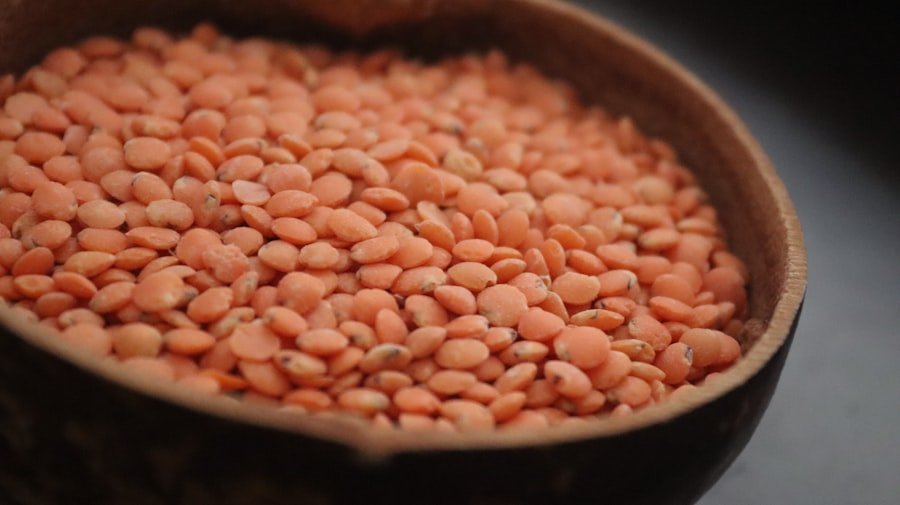
Soil preparation is a fundamental step in cultivating Chinese long beans. These legumes prefer well-draining soil rich in organic matter. A pH level between 6.0 and 7.0 is ideal for optimal nutrient uptake.
Before planting, it is beneficial to conduct a soil test to determine nutrient levels and pH balance. Based on the results, amendments can be made to create an ideal growing environment. Incorporating compost or well-rotted manure into the soil not only improves its structure but also enhances its nutrient content.
Fertilization plays a significant role in the growth of Chinese long beans. While these plants are relatively low-maintenance regarding nutrient requirements, they benefit from a balanced fertilizer applied at planting time. A slow-release fertilizer with equal parts nitrogen, phosphorus, and potassium can support initial growth.
As the plants begin to flower and set pods, a side dressing of fertilizer may be applied to ensure they receive adequate nutrients during this critical phase of development.
Planting Chinese Long Beans
| Week | Growth (inches) | Watering (times per week) | Sunlight (hours per day) |
|---|---|---|---|
| 1 | 2 | 3 | 6 |
| 2 | 4 | 4 | 7 |
| 3 | 6 | 5 | 8 |
When it comes to planting Chinese long beans, timing is essential. These beans are sensitive to frost; therefore, it is best to wait until all danger of frost has passed before sowing seeds directly into the garden. In most regions, this means planting in late spring or early summer when soil temperatures have warmed sufficiently.
Seeds should be sown about one inch deep and spaced approximately three inches apart in rows that are at least three feet apart to allow for adequate growth and airflow. For those who prefer starting seeds indoors, germination can occur in peat pots or seed trays about four to six weeks before the last expected frost date. Transplanting seedlings outdoors should be done carefully to avoid disturbing their roots.
When transplanting, ensure that the seedlings are hardened off by gradually exposing them to outdoor conditions over a week or so before planting them in the garden.
Watering and Maintenance
Proper watering is vital for the health of Chinese long beans. These plants require consistent moisture, especially during their flowering and pod-setting stages. However, overwatering can lead to root rot; thus, it is essential to strike a balance.
A general rule of thumb is to provide about one inch of water per week, either through rainfall or supplemental irrigation. Drip irrigation systems can be particularly effective as they deliver water directly to the roots while minimizing evaporation. In addition to watering, regular maintenance tasks such as weeding and mulching are important for promoting healthy growth.
Weeds compete for nutrients and water, so keeping the planting area free from unwanted vegetation is crucial.
Additionally, monitoring for signs of nutrient deficiencies or pest infestations should be part of routine maintenance.
Trellising and Support
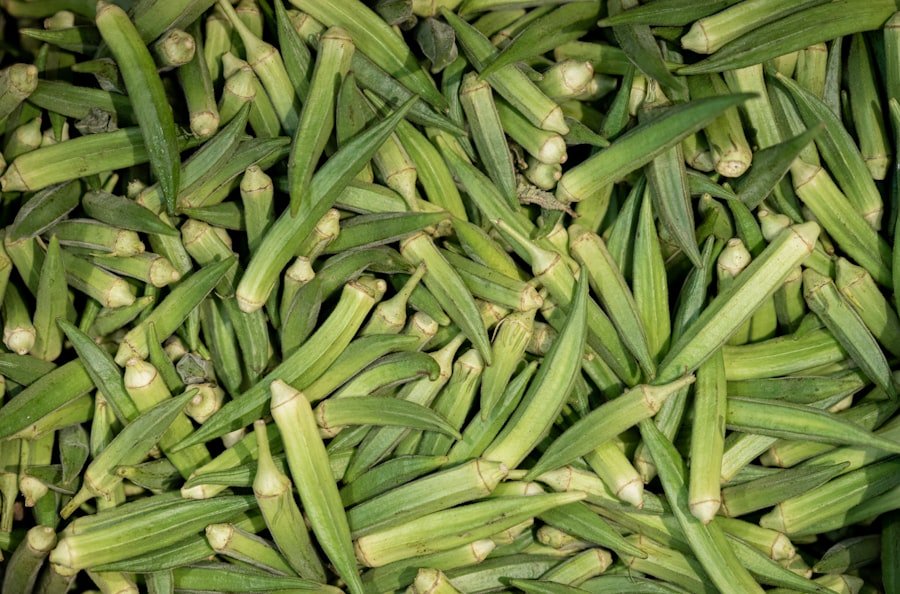
As climbing plants, Chinese long beans require support as they grow. Trellising not only helps keep the plants upright but also improves air circulation around the foliage, reducing the risk of disease. Various trellising options exist, including wooden stakes, wire fences, or commercially available trellis systems designed specifically for climbing vegetables.
When constructing a trellis, ensure it is sturdy enough to support the weight of mature plants laden with pods. The ideal height for a trellis is typically between five to six feet tall, allowing ample space for the vines to climb while remaining accessible for harvesting. As the plants begin to grow, gently guide the vines toward the trellis using soft ties or twine if necessary.
This practice encourages vertical growth and helps prevent damage to the delicate stems.
Pest and Disease Management
Pest management is an integral aspect of growing Chinese long beans successfully. Common pests include aphids, spider mites, and whiteflies, which can sap the vitality of the plants if left unchecked. Regularly inspecting the foliage for signs of infestation is essential; early detection allows for more effective control measures.
Natural predators such as ladybugs can be introduced into the garden to help manage aphid populations without resorting to chemical pesticides. Diseases such as powdery mildew and root rot can also pose threats to Chinese long beans. To minimize disease risk, practice crop rotation by not planting legumes in the same location year after year.
Additionally, ensuring proper spacing between plants promotes airflow and reduces humidity levels around the foliage, which can help prevent fungal infections. If disease symptoms appear, promptly remove affected plant parts and consider applying organic fungicides if necessary.
Harvesting Chinese Long Beans
Harvesting Chinese long beans requires careful timing to ensure optimal flavor and texture. The pods should be picked when they are young and tender but before they begin to harden or turn brown. Typically, this occurs about 60 to 70 days after planting, depending on the variety and growing conditions.
The ideal length for harvesting is around 12 to 18 inches; however, some gardeners may choose to allow them to grow longer for culinary purposes. To harvest, use sharp scissors or garden shears to cut the pods from the vine gently. Avoid pulling on the pods as this can damage the plant and reduce future yields.
Regular harvesting encourages continued production; if pods are left on the plant too long, it may signal the plant to stop producing new flowers and pods.
Storage and Preservation
Once harvested, proper storage techniques are essential for maintaining the freshness of Chinese long beans. Ideally, they should be used shortly after picking for maximum flavor and nutritional value; however, if immediate use is not possible, they can be stored in a perforated plastic bag in the refrigerator’s crisper drawer for up to a week. This method allows for some airflow while retaining moisture without causing spoilage.
For longer-term preservation, blanching followed by freezing is an effective method. To blanch, briefly immerse the beans in boiling water for two to three minutes before transferring them immediately into an ice bath to halt cooking. Once cooled, drain thoroughly and pack them into airtight freezer bags or containers before placing them in the freezer.
This process helps preserve their vibrant color and crisp texture while extending their shelf life for several months.
Cooking and Eating Chinese Long Beans
Chinese long beans are incredibly versatile in culinary applications due to their unique texture and flavor profile. They can be enjoyed raw in salads or lightly steamed as a side dish; however, they shine brightest when stir-fried or sautéed with other ingredients such as garlic, ginger, or soy sauce. Their ability to absorb flavors makes them an excellent addition to various dishes ranging from noodle stir-fries to curries.
In traditional Asian cuisine, these beans are often featured in recipes like “stir-fried long beans with minced pork” or “long bean salad with sesame dressing.” Their crunchy texture holds up well against high heat cooking methods while providing a satisfying bite that complements other ingredients beautifully. Additionally, they can be pickled or used in soups for added depth of flavor.
Troubleshooting Common Problems
Despite careful planning and maintenance, gardeners may encounter challenges when growing Chinese long beans. One common issue is poor pod development or reduced yields, which can result from inadequate pollination or nutrient deficiencies. Ensuring that pollinators have access to the garden by planting flowers nearby can enhance pollination rates significantly.
Another frequent problem is yellowing leaves, which may indicate overwatering or nutrient deficiencies such as nitrogen deficiency. Adjusting watering practices and applying appropriate fertilizers can often remedy these issues quickly. Additionally, if pests become problematic despite preventive measures, exploring organic pest control options such as neem oil or insecticidal soap may provide effective solutions without harming beneficial insects.
By understanding these aspects of cultivation—from site selection through harvesting—gardeners can successfully grow Chinese long beans while enjoying their delicious flavors in various culinary creations throughout the season.
FAQs
What are Chinese long beans?
Chinese long beans, also known as yardlong beans or snake beans, are a type of legume that is commonly used in Asian cuisine. They are long, slender, and have a slightly sweet and nutty flavor.
How do you grow Chinese long beans?
Chinese long beans can be grown from seeds in well-drained soil with plenty of sunlight. They require a trellis or support to climb as they grow. The seeds should be planted about 1 inch deep and 4-6 inches apart. Regular watering and fertilization are important for healthy growth.
When is the best time to plant Chinese long beans?
Chinese long beans are warm-season crops and should be planted after the last frost in spring. They thrive in temperatures between 70-95°F (21-35°C) and require a long growing season of about 60-90 days.
How do you harvest Chinese long beans?
Chinese long beans can be harvested when they are about 12-18 inches long and still tender. It is best to pick them regularly to encourage continuous production. Use a sharp knife or scissors to cut the beans from the vine.
What are the nutritional benefits of Chinese long beans?
Chinese long beans are low in calories and high in fiber, vitamins, and minerals. They are a good source of protein, vitamin C, vitamin A, and folate. They also contain antioxidants and are known for their potential health benefits, such as improving digestion and reducing the risk of chronic diseases.