When embarking on the journey of growing mango trees in containers, the selection of the right container is paramount. The size and material of the container can significantly influence the health and growth of the tree.
Ideally, a container should be at least 15 to 20 gallons in size for a young mango tree, allowing ample space for roots to expand. As the tree matures, it may require an even larger container to accommodate its growing root system. Material also plays a crucial role in container selection.
Plastic pots are lightweight and retain moisture well, making them a popular choice for many gardeners. However, they can heat up quickly in direct sunlight, which may stress the roots. On the other hand, terracotta pots are more aesthetically pleasing and provide better breathability for the roots, but they can dry out faster and are heavier to move.
Whichever material you choose, ensure that the container has adequate drainage holes to prevent waterlogging, which can lead to root rot and other complications.
Key Takeaways
- Choose a large container with good drainage for growing mango trees
- Select a dwarf or semi-dwarf variety of mango tree for container gardening
- Use well-draining soil and ensure proper drainage to prevent root rot
- Place the container in a sunny location with at least 6-8 hours of sunlight daily
- Water regularly and fertilize with a balanced fertilizer to promote healthy growth
Selecting the Right Variety of Mango Tree
The choice of mango tree variety is essential for successful cultivation, especially in container gardening. Different varieties exhibit varying growth habits, fruit characteristics, and climate adaptability. For instance, the ‘Haden’ mango is known for its vibrant color and sweet flavor, making it a favorite among many gardeners.
However, it can grow quite large, which may not be ideal for container growth unless managed properly. Conversely, the ‘Palmer’ mango is a more compact variety that thrives in smaller spaces, making it an excellent choice for container gardening. Another important consideration is climate suitability.
Some varieties are more tolerant of cooler temperatures than others. The ‘Nam Doc Mai’ mango is renowned for its ability to withstand slightly cooler climates while still producing delicious fruit. When selecting a variety, consider your local climate conditions and choose a type that will thrive in your environment.
Additionally, some varieties are self-pollinating, while others may require cross-pollination to produce fruit. Understanding these characteristics will help you make an informed decision that aligns with your gardening goals.
Soil and Drainage Requirements
Mango trees thrive in well-draining soil that is rich in organic matter. The ideal soil mix should consist of a combination of potting soil, sand, and perlite or vermiculite to enhance drainage. A typical ratio might be two parts potting soil to one part sand and one part perlite.
This mixture not only provides the necessary nutrients but also ensures that excess water can escape easily, preventing root rot—a common issue in container gardening. In addition to the soil mix, it is crucial to monitor the drainage capabilities of your container. If you notice that water tends to pool at the bottom of the pot after watering, it may be necessary to amend your soil mix or consider a different container with better drainage features.
Regularly checking the moisture level of the soil is also important; mango trees prefer slightly dry conditions between waterings. This balance helps promote healthy root development and overall plant vigor.
Sunlight and Temperature Needs
| Plant Type | Sunlight Needs | Temperature Needs |
|---|---|---|
| Indoor Plants | Low to moderate indirect sunlight | 60-75°F (15-24°C) |
| Outdoor Plants | Full sun to partial shade | Varies by plant type, generally 65-85°F (18-29°C) |
Mango trees are tropical plants that thrive in warm, sunny environments. They require full sun exposure for at least six to eight hours a day to produce healthy foliage and fruit. When growing mango trees in containers, positioning them in a location that receives ample sunlight is essential.
If you live in a region with intense summer heat, consider placing your container in a spot that offers some afternoon shade to prevent leaf scorch while still allowing for sufficient sunlight. Temperature is another critical factor in mango tree cultivation. These trees prefer temperatures between 70°F and 85°F (21°C to 29°C) for optimal growth.
They can tolerate brief periods of cooler temperatures but are susceptible to frost damage. If you live in an area where temperatures drop below 50°F (10°C), it is advisable to bring your containerized mango tree indoors or into a greenhouse during colder months. This practice not only protects the tree from frost but also allows it to continue receiving adequate light and warmth.
Watering and Fertilizing
Watering practices play a vital role in the health of container-grown mango trees. These trees prefer a watering schedule that allows the soil to dry out slightly between waterings. Overwatering can lead to root rot and other fungal diseases, while underwatering can cause stress and hinder growth.
A good rule of thumb is to check the top inch of soil; if it feels dry to the touch, it’s time to water. During hot summer months, you may need to water more frequently, while cooler months may require less frequent watering. Fertilization is equally important for promoting healthy growth and fruit production in mango trees.
A balanced fertilizer with equal parts nitrogen, phosphorus, and potassium (NPK) is ideal during the growing season. Applying fertilizer every four to six weeks during spring and summer can help provide essential nutrients that support vigorous growth and flowering. Additionally, incorporating organic matter such as compost into the soil mix can enhance nutrient availability and improve soil structure over time.
Pruning and Training
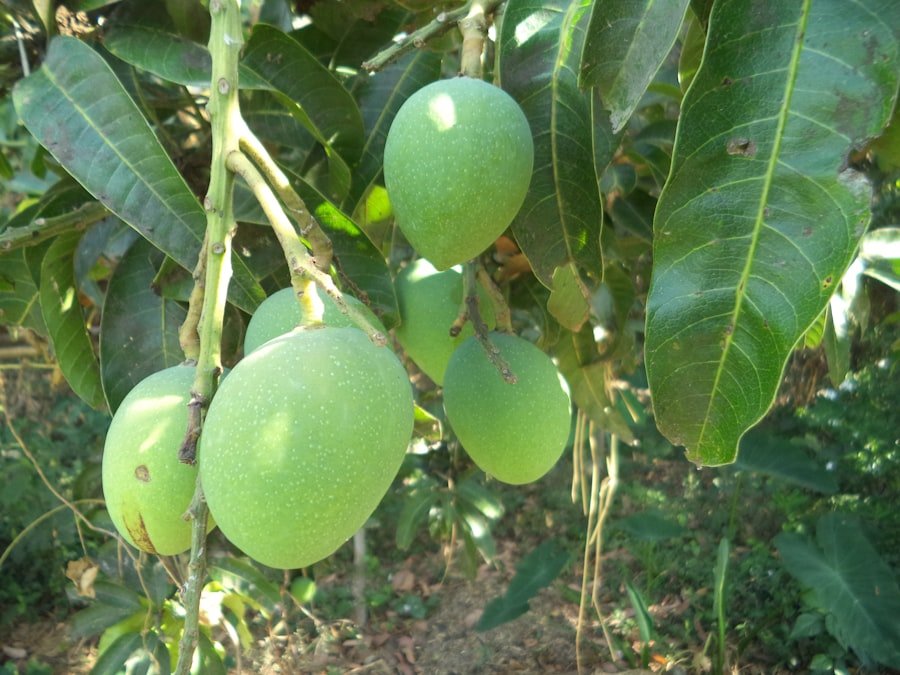
Timing is Everything
The best time to prune mango trees is during their dormant season, typically in late winter or early spring before new growth begins.
Pruning Techniques
When pruning, focus on removing any dead or diseased branches as well as any crossing branches that may hinder airflow within the canopy. Training your mango tree can also enhance its structure and fruit production. Techniques such as pinching back new growth can encourage branching and create a fuller canopy.
Supporting Young Trees
Additionally, using stakes or supports can help guide young trees into an upright position as they grow taller. This practice not only improves aesthetics but also ensures that the tree remains stable in its container as it matures.
Pests and Diseases Management
Container-grown mango trees are susceptible to various pests and diseases that can impact their health and productivity. Common pests include aphids, spider mites, and scale insects, which can weaken the tree by feeding on its sap. Regularly inspecting your tree for signs of infestation is crucial; look for discolored leaves or webbing on branches as indicators of pest problems.
If detected early, many pests can be managed through natural remedies such as insecticidal soap or neem oil. Diseases such as powdery mildew or anthracnose can also pose threats to mango trees. These fungal infections often thrive in humid conditions and can lead to leaf drop or fruit rot if left unchecked.
In cases where disease symptoms appear, prompt treatment with appropriate fungicides may be necessary to protect your tree’s health.
Repotting and Transplanting
As mango trees grow in containers, they will eventually outgrow their pots and require repotting to ensure continued health and vigor. Signs that your mango tree needs repotting include roots growing out of the drainage holes or stunted growth despite proper care. Typically, repotting should occur every two to three years or when you notice these signs.
Choose a slightly larger container than the current one—about 2-4 inches wider in diameter—to give the roots room to expand. When repotting, take care not to disturb the root ball excessively; this can shock the plant and hinder its recovery after transplanting. Gently remove the tree from its old pot and loosen any tightly bound roots before placing it into the new container with fresh soil mix.
After repotting, water thoroughly to help settle the soil around the roots and reduce transplant shock.
Pollination and Fruit Production
Mango trees are known for their delicious fruits; however, successful fruit production often depends on proper pollination practices. While many varieties are self-pollinating, cross-pollination can enhance fruit set and quality significantly. If you have multiple varieties planted nearby, they may benefit from each other’s pollen during flowering season.
Observing flowering patterns is essential; mango trees typically bloom in late winter or early spring. To encourage pollination in container-grown mango trees, consider hand-pollinating flowers if you notice low fruit set rates. This process involves gently transferring pollen from male flowers (which produce pollen) to female flowers (which develop into fruit) using a small brush or cotton swab.
This technique can be particularly useful if you are growing a single tree without nearby pollinators like bees.
Harvesting and Ripening
Harvesting mangoes at the right time is crucial for ensuring optimal flavor and texture. Mangoes do not ripen well on the tree; instead, they should be harvested when they begin to change color and feel slightly soft when gently squeezed. Depending on the variety, this could occur anywhere from four to six months after flowering begins.
It’s important to handle mangoes carefully during harvest to avoid bruising; using pruning shears can help detach fruits cleanly from branches. Once harvested, mangoes should be allowed to ripen at room temperature if they are still firm. Placing them in a paper bag can speed up this process by trapping ethylene gas produced by the fruit itself—a natural ripening agent.
Once ripe, mangoes can be stored in the refrigerator for several days but are best enjoyed fresh for maximum flavor.
Winter Care for Mango Trees in Containers
Caring for mango trees during winter months requires special attention, especially if they are grown in containers where temperature fluctuations can be more pronounced than in-ground plants. If you live in an area prone to frost or freezing temperatures, it’s essential to bring your containerized mango tree indoors or into a protected environment such as a greenhouse during cold spells. Ideally, indoor temperatures should remain above 50°F (10°C) to prevent damage.
While indoors, ensure that your mango tree still receives adequate light—placing it near a south-facing window can help fulfill its sunlight requirements during winter months. Additionally, reduce watering frequency since indoor conditions tend to be drier than outdoors; monitor soil moisture closely to avoid overwatering during this period of dormancy. With proper care during winter months, your mango tree will emerge healthy and ready for vigorous growth when spring arrives once again.
FAQs
What are the benefits of growing a mango tree in a container?
Growing a mango tree in a container allows for easy mobility, making it suitable for those with limited space or for those who live in colder climates. It also allows for better control of the soil and growing conditions, resulting in healthier and more manageable growth.
What type of container is best for growing a mango tree?
A large, sturdy container with good drainage is best for growing a mango tree. The container should be at least 20 inches in diameter and 20 inches deep to accommodate the tree’s root system.
What type of soil should be used for growing a mango tree in a container?
A well-draining, nutrient-rich potting mix is ideal for growing a mango tree in a container. It should be a mix of organic matter, such as compost or peat moss, and perlite or sand to ensure good drainage.
How often should a mango tree in a container be watered?
Mango trees in containers should be watered regularly, allowing the soil to dry out slightly between waterings. This typically means watering every 7-10 days, but it may vary depending on the climate and the size of the container.
What are the sunlight requirements for a mango tree in a container?
Mango trees require full sunlight to thrive, so it is important to place the container in a location that receives at least 6-8 hours of direct sunlight per day.
How can I fertilize a mango tree in a container?
A balanced, slow-release fertilizer can be applied to the mango tree in the spring and summer months. It is important to follow the manufacturer’s instructions for the proper application and dosage.
How can I prune a mango tree in a container?
Pruning a mango tree in a container should be done to maintain its size and shape, as well as to remove any dead or diseased branches. It is best to prune in the late winter or early spring before new growth begins.
Can a mango tree in a container bear fruit?
Yes, a mango tree grown in a container can bear fruit, especially if it is a dwarf or semi-dwarf variety. However, it may take a few years for the tree to mature and produce fruit.