Timing is crucial when it comes to harvesting potatoes, as it directly influences the quality and yield of the crop. Generally, potatoes are ready for harvest when the foliage begins to yellow and die back, which typically occurs about 70 to 120 days after planting, depending on the variety. Early potatoes can be harvested when they reach a size suitable for consumption, often just a few weeks after flowering.
For maincrop varieties, waiting until the plants have completely died back ensures that the tubers have reached their full size and have developed a thicker skin, which is essential for storage. Environmental factors also play a significant role in determining the right time for harvesting. Soil moisture levels should be considered; overly wet conditions can lead to rot, while excessively dry soil can cause the tubers to become misshapen or shriveled.
Observing the weather patterns leading up to harvest is important. Ideally, a dry spell before harvesting can help reduce the risk of disease and make the digging process easier. Farmers often keep a close eye on their crops and may even dig a few test potatoes to assess their readiness before committing to a full harvest.
Key Takeaways
- Harvest potatoes when the plants have died back and the skin of the potatoes is set.
- Look for signs of readiness such as yellowing foliage and thinning of the plant.
- Tools and equipment needed for harvesting include a digging fork, gloves, and a storage container.
- Techniques for harvesting potatoes include gently digging them up to avoid damaging the tubers.
- Store harvested potatoes in a cool, dark, and well-ventilated place to prevent sprouting and rotting.
- Sort and clean potatoes by removing any damaged or diseased ones and gently brushing off excess soil.
- Cure potatoes by letting them dry in a warm, well-ventilated area for 1-2 weeks before storing.
- Properly handle and transport harvested potatoes to avoid bruising and damage.
- Utilize harvested potatoes in recipes such as mashed potatoes, roasted potatoes, and potato salad.
- Maximize yield and quality by planting disease-free seed potatoes and providing adequate water and nutrients.
- Troubleshoot common issues during harvesting such as green potatoes, which can be caused by exposure to light.
Signs of Readiness in Planted Potatoes
Identifying the signs of readiness in planted potatoes involves more than just observing the foliage. One of the most telling indicators is the flowering stage. When potato plants bloom, it signifies that tuber development is underway.
However, not all varieties flower, so growers should also look for other signs. The leaves will start to turn yellow and wilt, indicating that the plant is nearing the end of its life cycle. This is particularly true for maincrop varieties, which should be left in the ground until the tops have completely died back.
Another method to determine readiness is to gently dig around the base of the plant to check the size of the tubers. If they are large enough for your intended use, it may be time to harvest. Additionally, skin texture can provide clues; mature potatoes will have a firm skin that resists scraping with a fingernail.
If the skin is still thin and easily damaged, it’s best to wait a little longer. Observing these signs closely can help ensure that you harvest at the optimal time for both quality and quantity.
Tools and Equipment Needed for Harvesting
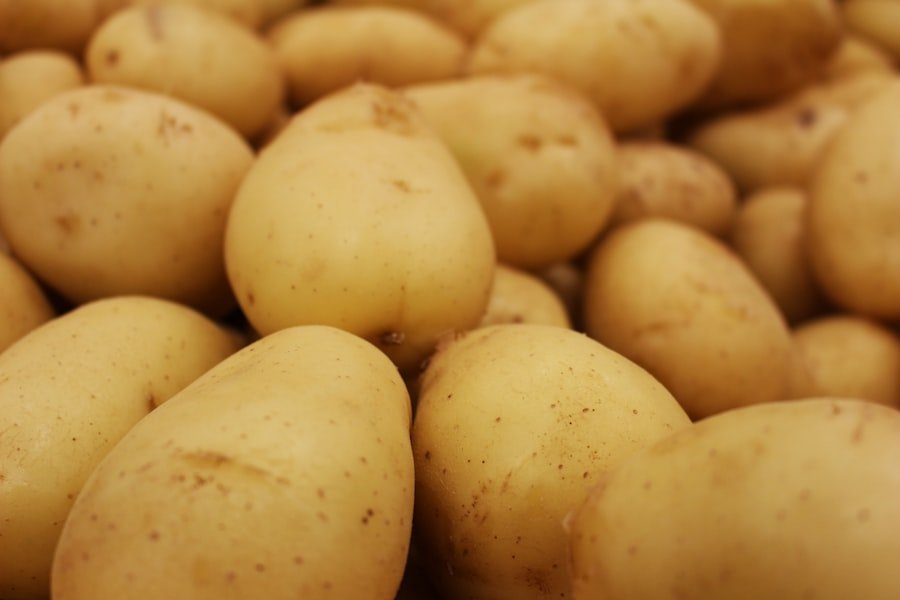
Harvesting potatoes requires specific tools and equipment to ensure efficiency and minimize damage to the tubers. A potato fork or spading fork is essential for loosening the soil around the plants without piercing the tubers themselves. This tool allows for careful lifting of the potatoes from the ground while preserving their integrity.
For larger operations, specialized potato harvesters are available, which can significantly speed up the process by mechanically digging and separating potatoes from the soil. In addition to digging tools, having a collection system is vital. Buckets or baskets are commonly used to gather harvested potatoes, but for larger yields, using burlap sacks or crates can facilitate easier transport and storage.
Gloves are also recommended to protect hands from sharp edges and rough soil.
Techniques for Harvesting Potatoes
| Technique | Advantages | Disadvantages |
|---|---|---|
| Hand Harvesting | Low cost, minimal damage to potatoes | Labor intensive, time consuming |
| Mechanical Harvesting | Efficient, saves time and labor | Potential damage to potatoes, high initial investment |
| Harvesting with Diggers | Can handle large areas, reduces labor | Potential damage to potatoes, requires maintenance |
The technique used for harvesting potatoes can greatly affect both yield and quality. For small gardens, hand digging is often preferred as it allows for greater control and minimizes damage to the tubers. Start by loosening the soil around the base of each plant with a fork, being careful not to stab any potatoes.
Once the soil is loosened, gently lift the plant by its stem and pull it from the ground, allowing any attached tubers to come free. For larger fields, mechanical harvesting techniques can be employed. These machines not only dig up the potatoes but also separate them from the soil in one motion.
However, even with machinery, it’s important to monitor soil conditions and adjust settings accordingly to avoid bruising or damaging the potatoes during extraction. Regardless of whether you are harvesting by hand or machine, working in dry conditions will help prevent soil from clinging to the tubers, making cleanup easier.
Storing Harvested Potatoes
Proper storage of harvested potatoes is essential for maintaining their quality over time. After harvesting, it’s crucial to keep them in a cool, dark place with good ventilation. Ideal storage temperatures range between 45°F and 50°F (7°C to 10°C), as colder temperatures can cause potatoes to develop sweet flavors due to increased sugar content.
Conversely, warmer temperatures can lead to sprouting and spoilage. Humidity levels also play a significant role in potato storage; too much moisture can lead to rot, while too little can cause shriveling. A root cellar or a dedicated storage area with controlled conditions is ideal for long-term storage.
If such facilities are not available, using cardboard boxes or paper bags can help maintain an appropriate environment while allowing for air circulation.
Sorting and Cleaning Potatoes
Removing Soil and Debris
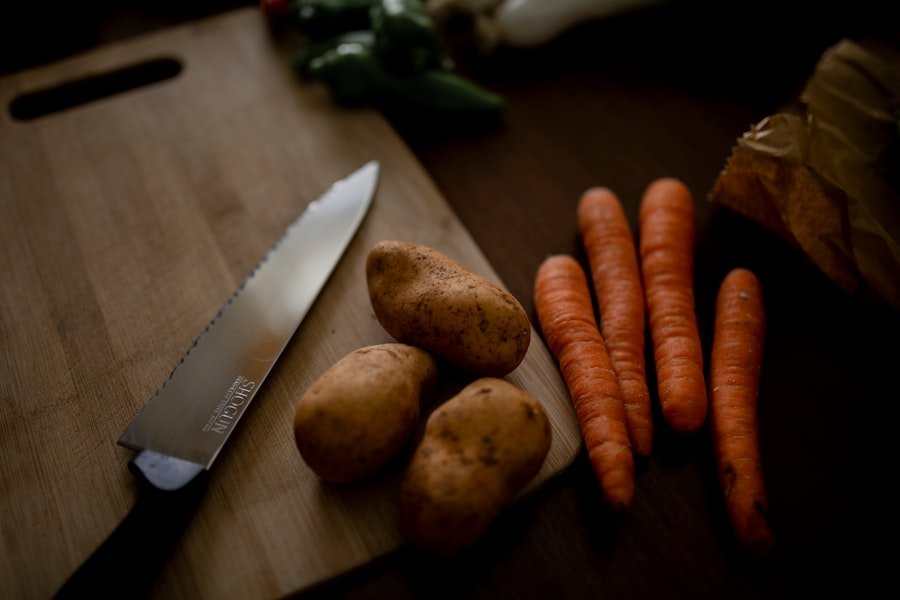
Begin by removing any large clumps of soil attached to the tubers. This can often be done by gently shaking them or using a soft brush. It’s essential to handle them carefully during this process to avoid bruising or damaging their skins.
Sorting by Size and Quality
Sorting should be done based on size and quality. Larger potatoes may be set aside for baking or frying, while smaller ones can be used for boiling or salads. Any damaged or diseased potatoes should be discarded immediately to prevent them from affecting healthy ones during storage.
Benefits of Sorting
This sorting process not only helps in organizing your harvest but also ensures that only high-quality potatoes are kept for consumption.
Curing Potatoes for Long-Term Storage
Curing is a critical step in preparing harvested potatoes for long-term storage. This process involves placing freshly harvested potatoes in a warm, humid environment for a period of time—typically around two weeks—allowing their skins to thicken and heal any minor cuts or bruises sustained during harvesting. The ideal curing temperature is around 60°F to 70°F (15°C to 21°C) with high humidity levels.
During curing, it’s important to ensure that potatoes are kept out of direct sunlight, as exposure can lead to greening and solanine production, which is toxic if consumed in large quantities. After curing, potatoes should be moved to their final storage location where conditions are cooler and darker. This step not only extends their shelf life but also enhances their flavor profile by allowing starches to convert into sugars.
Proper Handling and Transportation of Harvested Potatoes
Handling and transporting harvested potatoes requires care to prevent damage that could lead to spoilage or reduced quality. When moving potatoes from the field to storage, it’s best to use shallow containers that allow for air circulation rather than deep bins that could crush lower layers under their weight. If using sacks, ensure they are not overfilled; this helps prevent bruising during transport.
During transportation, avoid jostling or dropping containers as this can cause bruises that may lead to rot over time. If transporting over long distances, consider using refrigerated trucks if available, especially in warmer climates where temperatures could rise significantly during transit. Proper handling practices not only preserve quality but also enhance marketability if selling your produce.
Utilizing Harvested Potatoes in Recipes
The versatility of potatoes makes them a staple ingredient in countless recipes across various cuisines worldwide. From classic mashed potatoes seasoned with butter and cream to crispy roasted wedges tossed with herbs and spices, there are endless possibilities for utilizing harvested potatoes in meals. They can be boiled, baked, fried, or even grilled, adapting well to different cooking methods.
In addition to traditional dishes, innovative recipes such as potato salads with fresh vegetables or loaded baked potatoes topped with cheese and bacon showcase their adaptability. For those interested in international cuisine, dishes like Spanish patatas bravas or Indian aloo gobi highlight how different cultures incorporate this humble vegetable into their culinary traditions. Utilizing freshly harvested potatoes not only enhances flavor but also provides nutritional benefits such as fiber and essential vitamins.
Tips for Maximizing Yield and Quality
Maximizing yield and quality in potato cultivation involves several best practices throughout the growing season. First and foremost is selecting disease-resistant varieties suited for your local climate and soil conditions; this foundational choice sets the stage for successful growth. Additionally, proper soil preparation—ensuring good drainage and nutrient availability—can significantly impact yield.
Regular monitoring for pests and diseases is crucial; early intervention can prevent small issues from becoming major problems that affect overall yield. Implementing crop rotation practices helps maintain soil health and reduces pest populations over time. Finally, ensuring adequate watering without over-saturating the soil will promote healthy growth while minimizing stress on plants during critical development stages.
Troubleshooting Common Issues During Harvesting
Despite careful planning and execution, various issues may arise during potato harvesting that can affect both yield and quality. One common problem is encountering overly wet soil conditions that make digging difficult and increase the risk of rot in harvested tubers.
Another issue may involve pest infestations such as wireworms or aphids that can damage tubers before they are harvested. Regular inspections during growth can help identify these problems early on; however, if discovered at harvest time, affected areas should be carefully examined and treated accordingly before storage. Understanding these potential challenges allows growers to adapt their strategies effectively and maintain high-quality yields throughout their potato-growing endeavors.
FAQs
What are the signs that planted potatoes are ready for harvest?
The signs that planted potatoes are ready for harvest include the withering and yellowing of the foliage, as well as the skin of the potatoes becoming firm.
When is the best time to harvest planted potatoes?
The best time to harvest planted potatoes is typically in the late summer or early fall, once the foliage has withered and the skin of the potatoes has become firm.
How should planted potatoes be harvested?
Planted potatoes should be harvested by gently digging them up from the soil using a garden fork or shovel, being careful not to damage the potatoes in the process.
What should be done with harvested potatoes?
Once harvested, potatoes should be cured by allowing them to dry in a cool, dark place for a few days before storing them in a cool, dry, and dark location.