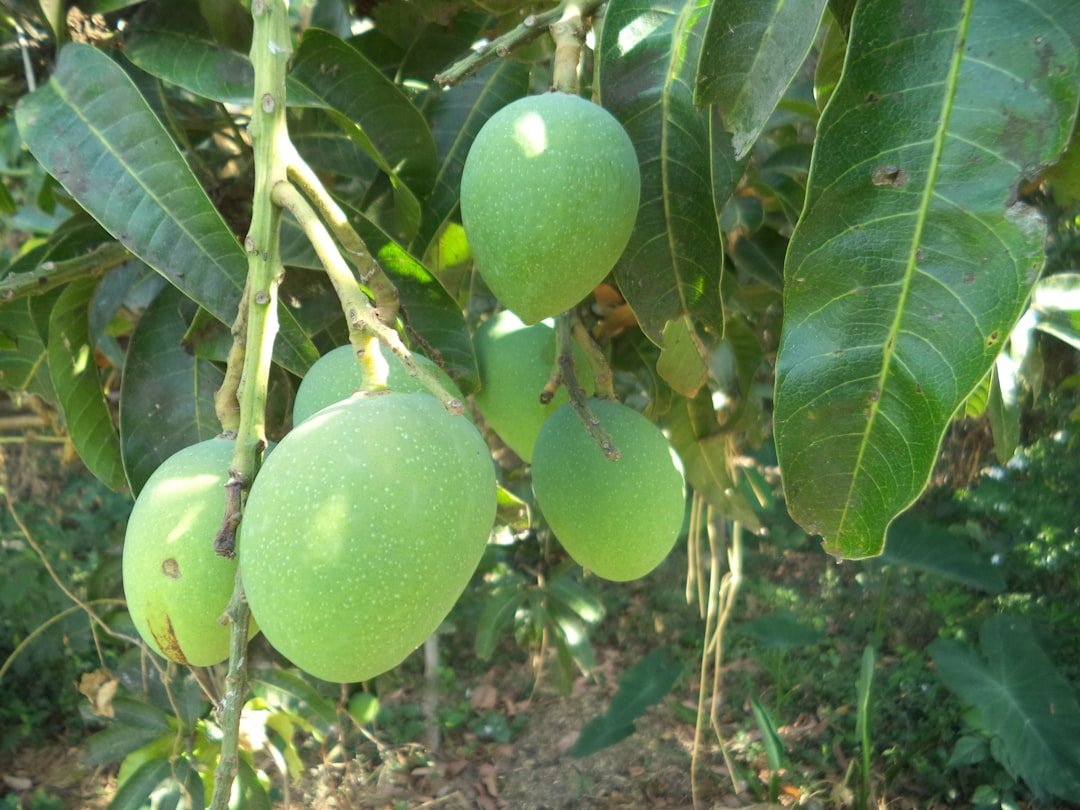
Mango trees (Mangifera indica) are tropical plants that thrive in warm climates, making them a popular choice for home gardeners in suitable regions. To cultivate a healthy mango tree, it is essential to understand its specific needs, particularly regarding soil conditions. Mango trees prefer well-draining soil that allows for adequate aeration and moisture retention.
This is crucial because while they require water, they are also susceptible to root rot if the soil remains too wet. The ideal soil composition for a mango tree typically includes a mix of sand, silt, and clay, which provides the necessary balance of drainage and nutrient retention. In addition to soil composition, mango trees benefit from a slightly acidic to neutral pH level, ideally between 5.5 and 7.5.
This pH range allows for optimal nutrient uptake, which is vital for the tree’s growth and fruit production. Furthermore, mango trees are heavy feeders; they require a variety of nutrients, including nitrogen, phosphorus, potassium, and trace minerals. Understanding these needs is the first step in selecting the right potting soil that will support the healthy growth of your mango tree.
Key Takeaways
- Understanding the Needs of a Mango Tree
- Mango trees require well-draining soil with good aeration to thrive.
- Key Factors to Consider When Choosing Potting Soil
- Consider the texture, drainage, and nutrient content of potting soil for mango trees.
- Organic vs. Synthetic Potting Soil: Which is Better for Mango Trees?
- Organic potting soil is preferred for mango trees as it promotes soil health and microbial activity.
- pH Levels and Nutrient Content in Potting Soil
- Optimal pH levels and balanced nutrient content are crucial for healthy mango tree growth.
- Drainage and Aeration: Essential Qualities in Potting Soil for Mango Trees
- Good drainage and aeration are essential for preventing root rot and promoting healthy root development in mango trees.
- Evaluating Different Types of Potting Soil for Mango Trees
- Consider factors such as water retention, organic matter content, and pH levels when evaluating potting soil for mango trees.
- The Importance of Quality Control in Potting Soil
- Quality control ensures that potting soil is free from contaminants and meets the needs of mango trees.
- Making Your Own Potting Soil Mix for Mango Trees
- Creating a custom potting soil mix allows for tailored nutrient content and optimal drainage for mango trees.
- Tips for Maintaining Healthy Potting Soil for Mango Trees
- Regularly monitor moisture levels, pH, and nutrient content to maintain healthy potting soil for mango trees.
- Common Mistakes to Avoid When Choosing Potting Soil for Mango Trees
- Avoid choosing potting soil with poor drainage, high salt content, or imbalanced nutrient levels for mango trees.
- Conclusion: Finding the Best Potting Soil for Your Mango Tree
- By considering factors such as drainage, nutrient content, and quality control, you can find the best potting soil for your mango tree’s needs.
Key Factors to Consider When Choosing Potting Soil
When selecting potting soil for mango trees, several key factors must be taken into account to ensure the tree’s health and productivity. First and foremost is the soil’s texture and structure. A well-aerated potting mix that allows for proper drainage is essential.
Compacted or heavy soils can lead to poor root development and increased susceptibility to diseases. Therefore, choosing a potting mix that incorporates materials such as perlite or vermiculite can enhance aeration and drainage. Another critical factor is the nutrient content of the potting soil.
Mango trees require a balanced supply of macronutrients and micronutrients to thrive. It is advisable to select a potting mix that is enriched with organic matter, such as compost or well-rotted manure, which not only provides essential nutrients but also improves soil structure. Additionally, consider the longevity of the nutrients in the potting mix; some mixes may release nutrients quickly, while others may provide a slow-release option that can sustain the tree over time.
The debate between organic and synthetic potting soils is ongoing among gardeners, particularly when it comes to growing fruit-bearing plants like mango trees. Organic potting soils are derived from natural materials and often contain compost, peat moss, and other organic amendments. These soils promote beneficial microbial activity in the root zone, which can enhance nutrient availability and improve overall plant health.
For mango trees, organic potting soil can provide a more sustainable growing environment, fostering long-term soil health. On the other hand, synthetic potting soils often contain chemical fertilizers that can provide immediate nutrient availability. While these can be effective in promoting rapid growth, they may not support the long-term health of the soil ecosystem.
Over time, reliance on synthetic fertilizers can lead to nutrient imbalances and potential harm to beneficial microorganisms. For mango trees, which thrive in rich, well-balanced soils, organic options are generally recommended as they align better with the tree’s natural growth requirements and contribute to sustainable gardening practices.
pH Levels and Nutrient Content in Potting Soil
The pH level of potting soil plays a crucial role in determining how well a mango tree can absorb nutrients. As previously mentioned, mango trees prefer a slightly acidic to neutral pH range of 5.5 to 7.5. If the pH level falls outside this range, certain nutrients may become unavailable to the plant, leading to deficiencies that can stunt growth or affect fruit quality.
For instance, if the soil is too acidic (below 5.5), essential nutrients like phosphorus may become locked up, while high alkalinity (above 7.5) can hinder iron absorption. To ensure optimal pH levels in potting soil for mango trees, regular testing is advisable. Soil testing kits are widely available and can provide insights into both pH levels and nutrient content.
If adjustments are necessary, amendments such as lime can be added to raise pH levels, while sulfur can be used to lower them. Additionally, incorporating organic matter into the soil can help buffer pH fluctuations and improve nutrient availability over time.
Drainage and Aeration: Essential Qualities in Potting Soil for Mango Trees
| Qualities | Metrics |
|---|---|
| Drainage | Percolation rate |
| Water holding capacity | |
| Aeration | Porosity |
| Air-filled porosity |
Drainage and aeration are two of the most critical qualities to consider when selecting potting soil for mango trees. These trees are particularly sensitive to waterlogged conditions; thus, a potting mix that promotes quick drainage is essential for preventing root rot and other moisture-related issues.
Aeration is equally important as it allows oxygen to reach the roots of the mango tree. Roots require oxygen for respiration; without it, they can become weak and susceptible to disease. A compacted or poorly aerated soil can lead to stunted growth and poor fruit production.
Therefore, when choosing potting soil for mango trees, look for mixes specifically designed for tropical plants or those labeled as having excellent drainage properties.
Evaluating Different Types of Potting Soil for Mango Trees
When evaluating different types of potting soil for mango trees, it is essential to consider various commercial options available on the market as well as homemade mixes. Commercial potting soils often come pre-mixed with specific ingredients designed to cater to various plant needs. For mango trees, look for potting soils labeled as suitable for tropical or fruiting plants; these typically contain a blend of organic matter, perlite for drainage, and slow-release fertilizers.
Homemade potting mixes can also be tailored specifically for mango trees by combining components such as peat moss or coconut coir for moisture retention, perlite or pumice for aeration, and compost for nutrient content. A common recipe might include two parts peat moss or coir, one part perlite or sand, and one part compost. This combination ensures that the mix retains moisture while allowing excess water to drain away effectively.
The Importance of Quality Control in Potting Soil
Quality control in potting soil is paramount when it comes to ensuring healthy growth for mango trees. Poor-quality potting mixes may contain contaminants such as pathogens or weed seeds that can adversely affect plant health. Additionally, inconsistent particle sizes or inadequate drainage properties can lead to problems down the line.
Therefore, sourcing potting soil from reputable suppliers who adhere to quality standards is crucial. Furthermore, understanding the source of raw materials used in potting mixes can provide insights into their quality. For instance, some commercial brands may use recycled materials that could introduce unwanted elements into the mix.
It is advisable to read labels carefully and choose products that disclose their ingredients clearly. Opting for brands that conduct regular testing for nutrient content and contaminants can help ensure that your mango tree receives the best possible growing environment.
Making Your Own Potting Soil Mix for Mango Trees
Creating your own potting soil mix for mango trees allows you to customize the ingredients based on your specific growing conditions and preferences. A well-balanced homemade mix typically includes components that provide good drainage while retaining moisture and nutrients effectively. A basic recipe might consist of equal parts peat moss or coconut coir for moisture retention and organic matter combined with perlite or coarse sand for aeration.
To enhance nutrient content further, consider adding well-rotted compost or worm castings to your mix. These organic amendments not only supply essential nutrients but also improve microbial activity within the soil ecosystem. Additionally, incorporating a slow-release organic fertilizer can provide ongoing nutrition throughout the growing season without overwhelming the plant with excess nutrients at once.
Tips for Maintaining Healthy Potting Soil for Mango Trees
Maintaining healthy potting soil for mango trees involves regular monitoring and care practices that promote optimal growing conditions. One key aspect is ensuring proper watering techniques; overwatering can lead to root rot while underwatering can stress the tree. It’s advisable to allow the top inch of soil to dry out before watering again, ensuring that roots have access to both moisture and oxygen.
Another important practice is replenishing nutrients over time. As plants grow and utilize available nutrients in the soil, it may become necessary to amend the potting mix periodically with organic fertilizers or compost. This not only replenishes lost nutrients but also enhances soil structure and microbial activity.
Additionally, consider mulching on top of the soil surface with organic materials like wood chips or straw; this helps retain moisture while suppressing weeds.
Common Mistakes to Avoid When Choosing Potting Soil for Mango Trees
When selecting potting soil for mango trees, several common mistakes should be avoided to ensure successful growth and fruit production. One frequent error is opting for garden soil instead of specialized potting mixes designed for container gardening. Garden soil can be too dense and may not provide adequate drainage or aeration needed by mango roots.
Another mistake is neglecting to check the nutrient content of the chosen potting mix.
Always read labels carefully and choose products that offer balanced nutrition suitable for fruiting plants like mangoes.
Finding the Best Potting Soil for Your Mango Tree
Selecting the right potting soil for your mango tree is crucial in ensuring its health and productivity throughout its life cycle. By understanding the specific needs of mango trees regarding drainage, aeration, pH levels, and nutrient content, you can make informed decisions when choosing or creating a potting mix tailored specifically for them. Whether you opt for commercial products or decide to make your own blend at home, prioritizing quality ingredients will set your mango tree on a path toward thriving growth and abundant fruit production.
FAQs
What is potting soil for mango tree?
Potting soil for mango tree is a specially formulated soil mixture designed to provide the ideal growing conditions for mango trees when grown in containers or pots.
What are the key components of potting soil for mango tree?
Potting soil for mango tree typically contains a blend of organic materials such as peat moss, coconut coir, and compost, as well as perlite or vermiculite for drainage and aeration.
Why is potting soil important for mango tree growth?
Potting soil provides the necessary nutrients, moisture retention, and drainage for healthy root development and overall growth of mango trees when grown in containers.
How often should potting soil be replaced for mango trees?
Potting soil for mango trees should be replaced every 2-3 years to replenish nutrients and ensure proper drainage and aeration for the tree’s roots.
Can regular garden soil be used for potted mango trees?
Using regular garden soil for potted mango trees is not recommended as it may not provide adequate drainage and aeration, leading to root rot and other issues. It also lacks the necessary nutrients for container-grown mango trees.
Can potting soil for mango tree be used for other plants?
Potting soil formulated for mango trees can be used for other tropical fruit trees and plants that require similar growing conditions, but it may not be suitable for all types of plants due to its specific nutrient and moisture requirements.