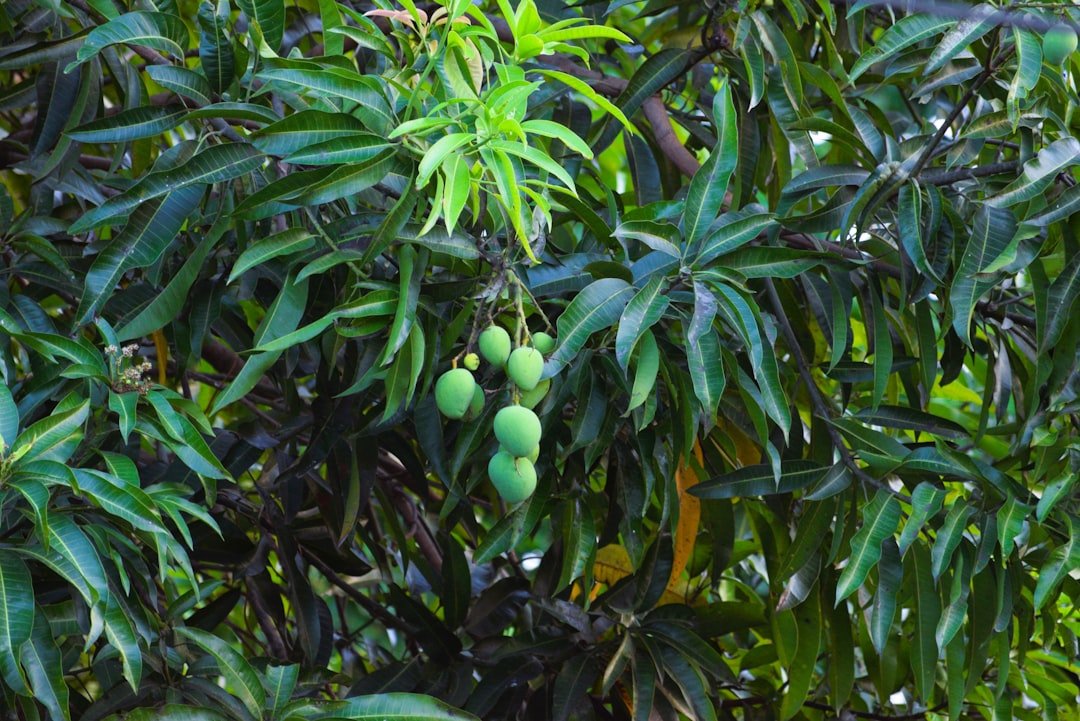
When embarking on the journey of mango cultivation, the first and perhaps most crucial step is selecting the right variety. Mangoes come in numerous cultivars, each with distinct flavors, textures, and growth requirements. For instance, the Alphonso mango, renowned for its rich sweetness and smooth texture, is a favorite among many mango enthusiasts.
It thrives in tropical climates and is particularly popular in India. On the other hand, the Haden mango, with its vibrant red and green skin, offers a slightly tangy flavor and is well-suited for warmer regions in the United States, such as Florida. Understanding the climatic conditions of your region is essential in making an informed choice.
In addition to climate adaptability, growers should consider the intended use of the mangoes. Some varieties are better suited for fresh consumption, while others are ideal for processing into juices or dried products. The Tommy Atkins mango, for example, is often favored for commercial production due to its long shelf life and resistance to diseases.
Conversely, the Kent mango is celebrated for its juicy flesh and minimal fiber, making it a preferred choice for fresh eating. By evaluating both the environmental conditions and the purpose of cultivation, growers can select a variety that not only flourishes but also meets market demands.
Key Takeaways
- Select a mango variety that is well-suited to your climate and soil conditions
- Properly space and plant mango trees to ensure optimal growth and fruit production
- Regular pruning is essential for maintaining the health and productivity of mango trees
- Use appropriate fertilizers and soil management techniques to promote healthy growth
- Implement efficient watering and irrigation techniques to ensure proper moisture levels for mango trees
Proper Planting and Spacing
Once the right variety has been selected, the next step involves proper planting and spacing techniques. Mango trees require ample space to grow, as they can reach significant heights and spread wide. A general guideline is to plant mango trees at least 25 to 30 feet apart to ensure adequate air circulation and sunlight penetration.
This spacing helps prevent fungal diseases that can arise from overcrowding and allows each tree to develop its full potential without competition for resources. The planting process itself is equally important. Mango trees thrive in well-drained soils with a pH level between 5.5 and 7.5.
Before planting, it is advisable to amend the soil with organic matter such as compost or well-rotted manure to enhance fertility and drainage. When planting, dig a hole that is twice as wide as the root ball but no deeper than the root system itself. This encourages lateral root growth and helps establish a strong foundation for the tree.
After placing the tree in the hole, backfill with soil and water thoroughly to eliminate air pockets. Proper planting techniques set the stage for healthy growth and fruit production.
Pruning for Optimal Growth
Pruning is an essential practice in mango cultivation that promotes optimal growth and fruiting. Regular pruning helps shape the tree, remove dead or diseased branches, and improve air circulation within the canopy. This practice not only enhances the aesthetic appeal of the tree but also reduces the risk of pest infestations and diseases that thrive in dense foliage.
The best time to prune mango trees is during their dormant season, typically after harvest but before new growth begins. When pruning, it is crucial to focus on removing any inward-growing branches that may obstruct light penetration to the center of the tree. This encourages a more open structure that allows sunlight to reach all parts of the tree, which is vital for photosynthesis and fruit development.
Additionally, thinning out excessive growth can redirect energy towards fruit production rather than vegetative growth. For young trees, formative pruning helps establish a strong framework that will support future fruiting branches. By implementing a thoughtful pruning strategy, growers can significantly enhance both the health and productivity of their mango trees.
Fertilizing and Soil Management
| Metrics | Value |
|---|---|
| Soil pH | 6.0 – 7.0 |
| Nitrogen Content | 2 – 4% |
| Phosphorus Content | 0.5 – 1.5% |
| Potassium Content | 2 – 4% |
| Organic Matter | 3 – 5% |
Fertilization plays a pivotal role in ensuring healthy mango trees that yield abundant fruit. Mangoes require a balanced supply of nutrients throughout their growth cycle, particularly nitrogen, phosphorus, and potassium. A soil test can provide valuable insights into nutrient levels and pH balance, guiding growers in selecting appropriate fertilizers.
For instance, a slow-release fertilizer formulated specifically for fruit trees can provide a steady supply of nutrients over time. In addition to synthetic fertilizers, organic options such as compost or well-rotted manure can enrich the soil while improving its structure and moisture retention capabilities. Applying mulch around the base of the tree can also help retain soil moisture and suppress weeds that compete for nutrients.
It is essential to monitor the trees regularly for signs of nutrient deficiencies, such as yellowing leaves or stunted growth, which may indicate a need for additional fertilization or soil amendments.
Watering and Irrigation Techniques
Watering is another critical aspect of mango cultivation that directly impacts tree health and fruit quality. Mango trees are relatively drought-tolerant once established; however, they require consistent moisture during their early years and during flowering and fruit set periods. Overwatering can lead to root rot, while underwatering can stress the tree and reduce fruit yield.
Therefore, understanding the specific water needs of mango trees at different growth stages is essential. Irrigation techniques can vary based on local conditions and available resources. Drip irrigation systems are highly effective for mango orchards as they deliver water directly to the root zone while minimizing evaporation losses.
This method not only conserves water but also reduces weed growth by keeping surrounding areas dry. For regions with seasonal rainfall, rainwater harvesting systems can be implemented to collect and store water for dry periods. Regardless of the method chosen, monitoring soil moisture levels through regular checks ensures that trees receive adequate hydration without over-saturation.
Pest and Disease Management
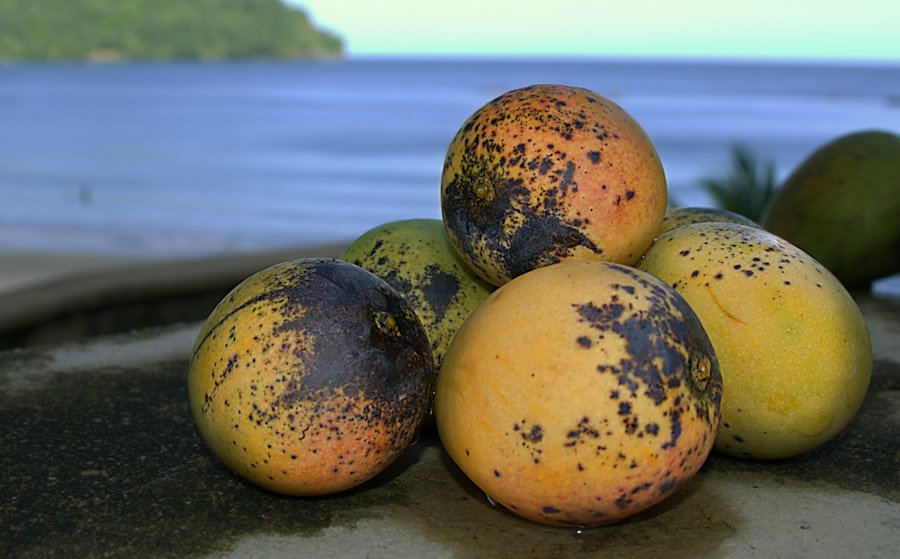
Effective pest and disease management is vital for maintaining healthy mango trees and ensuring high-quality fruit production. Common pests that affect mangoes include aphids, mealybugs, and fruit flies, each posing unique challenges to growers. Integrated Pest Management (IPM) strategies are often recommended to control these pests while minimizing chemical use.
This approach includes monitoring pest populations, introducing beneficial insects like ladybugs that prey on aphids, and using organic insecticides when necessary. Diseases such as powdery mildew and anthracnose can also threaten mango crops. These fungal infections thrive in humid conditions and can lead to significant losses if not managed promptly.
Implementing good cultural practices—such as proper spacing for air circulation, timely pruning of infected branches, and applying fungicides during critical periods—can help mitigate disease risks.
Flower and Fruit Thinning
Flower and fruit thinning is an important practice that enhances fruit quality by reducing competition among developing fruits on a single tree. Mango trees often produce an abundance of flowers; however, not all will develop into mature fruits due to limited resources available for growth. Thinning involves selectively removing excess flowers or immature fruits early in their development stage to allow remaining fruits to grow larger and healthier.
This practice not only improves fruit size but also helps prevent branch breakage caused by excessive weight during fruiting season. For instance, if a tree produces clusters of flowers or fruits in close proximity, thinning out some of these clusters ensures that each remaining fruit receives adequate nutrients and sunlight exposure. Additionally, this process can lead to improved air circulation within the canopy, reducing humidity levels that favor fungal diseases.
Harvesting at the Right Time
Harvesting mangoes at the right time is crucial for achieving optimal flavor and quality. Unlike many fruits that continue to ripen after being picked, mangoes must be harvested at a specific stage of maturity to ensure they develop their full flavor profile once ripened off the tree. The ideal time for harvesting varies by variety but generally occurs when fruits have reached their full size and exhibit a change in color from green to yellow or red.
To determine ripeness accurately, growers should observe several indicators: slight softness when gently squeezed, a sweet aroma emanating from the stem end, and a change in skin color are all signs that mangoes are ready for harvest. It is essential to handle fruits carefully during harvesting to avoid bruising or damaging them; using clippers or scissors rather than pulling them off by hand minimizes injury risk.
Post-Harvest Handling and Storage
Post-harvest handling is critical in maintaining mango quality from orchard to market or consumer table. After harvesting, mangoes should be promptly sorted based on size and quality; any damaged or diseased fruits should be removed to prevent spoilage during storage or transport. Proper cleaning techniques involve gently washing fruits with clean water to remove dirt or residues without causing bruising.
Storage conditions significantly impact shelf life; mangoes should be kept in a cool environment with controlled humidity levels to slow down ripening processes. Ideally, temperatures between 10°C (50°F) and 13°C (55°F) are recommended for short-term storage. For longer storage periods or transport over long distances, controlled atmosphere storage can be employed to extend freshness by reducing oxygen levels while increasing carbon dioxide concentrations around the fruit.
Utilizing Mango By-Products
Mango cultivation does not end with harvesting; there are numerous opportunities for utilizing by-products generated during production processes. The pulp from overripe or damaged fruits can be transformed into various products such as juices, jams, chutneys, or dried snacks—providing additional revenue streams for growers while minimizing waste. Furthermore, mango seeds are often discarded but can be processed into flour or used as animal feed due to their nutritional content.
The peels also hold potential; they can be used in composting or as natural fertilizers due to their rich organic matter content. By exploring these avenues for by-product utilization, growers can enhance sustainability within their operations while maximizing profitability.
Long-Term Maintenance and Care
Long-term maintenance of mango orchards requires ongoing attention to various factors that influence tree health and productivity over time. Regular monitoring of soil health through testing ensures that nutrient levels remain balanced as trees mature; this may involve periodic amendments based on test results.
As trees age beyond their prime production years—typically around 15-20 years—growers may need to consider rejuvenation techniques such as selective pruning or grafting new varieties onto existing rootstocks to extend productive life spans. In conclusion, successful mango cultivation involves a comprehensive understanding of various practices from selection through long-term care management strategies tailored specifically for individual growing conditions while maximizing both yield quality over time.
FAQs
What is the best time to harvest mangoes from a mango tree?
The best time to harvest mangoes from a mango tree is when the fruit is fully mature and ripe. This is typically during the summer months, depending on the specific variety of mango.
How do you know when a mango is ready to be harvested?
A mango is ready to be harvested when it reaches its full size, develops a mature color (which varies depending on the variety), and gives off a sweet aroma. Additionally, the fruit should yield slightly to gentle pressure when squeezed.
What is the best way to harvest mangoes from a mango tree?
Mangoes can be harvested by hand-picking the fruit from the tree. It is important to handle the fruit carefully to avoid damaging the skin and causing bruising. Using a long-handled picking pole with a basket attachment can also be helpful for reaching higher fruit.
How should harvested mangoes be handled and stored?
Harvested mangoes should be handled with care to avoid bruising and damage to the skin. They should be stored at room temperature until they ripen, after which they can be refrigerated to prolong their shelf life. It is important to handle mangoes gently to prevent bruising and spoilage.
How often can mangoes be harvested from a mango tree?
Mango trees typically produce one main crop of fruit per year, although some varieties may produce a smaller second crop. The frequency of harvest depends on the specific variety of mango and the climate in which it is grown.