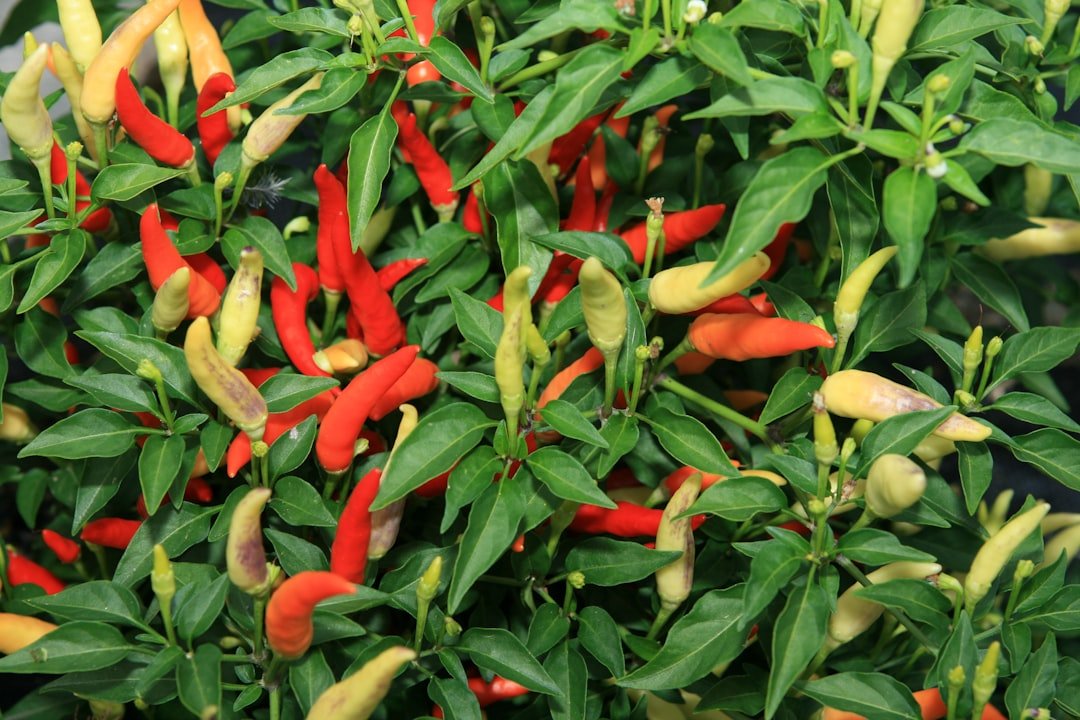
Calcium is an essential macronutrient that plays a pivotal role in the growth and development of pepper plants (Capsicum spp.). It is not only a structural component of plant cells but also acts as a secondary messenger in various physiological processes. Calcium is crucial for maintaining cell wall integrity, which is vital for the overall strength and stability of the plant.
In pepper plants, adequate calcium levels contribute to robust root development, ensuring that the plant can effectively absorb water and nutrients from the soil. This nutrient is particularly important during the early stages of growth when seedlings are establishing their root systems. Moreover, calcium influences various metabolic processes within the plant.
It aids in enzyme activation, which is essential for numerous biochemical reactions. For instance, calcium plays a role in photosynthesis, respiration, and the synthesis of proteins and nucleic acids. The presence of calcium in the soil can also enhance the overall health of pepper plants by promoting beneficial microbial activity, which further supports nutrient availability.
Understanding these multifaceted roles of calcium is crucial for growers aiming to optimize pepper plant health and yield.
Key Takeaways
- Calcium plays a crucial role in pepper plant growth, impacting cell wall formation, nutrient uptake, and disease resistance.
- Calcium deficiency can lead to stunted growth, blossom end rot, and poor fruit development in pepper plants.
- Calcium is essential for the formation and structure of cell walls, providing strength and support to the plant.
- Adequate calcium levels in soil are important for pepper plant growth, as it influences nutrient uptake and transport.
- Using calcium supplements and ensuring proper soil calcium levels can improve pepper plant health and resistance to disease.
The Impact of Calcium Deficiency on Pepper Plants
Calcium deficiency can have detrimental effects on pepper plants, leading to a range of physiological disorders that can significantly impact yield and fruit quality. One of the most common symptoms of calcium deficiency is blossom end rot, characterized by dark, sunken lesions at the blossom end of the fruit. This condition not only affects the aesthetic appeal of the peppers but also reduces their marketability.
Blossom end rot occurs when there is insufficient calcium available to support proper cell division and expansion during fruit development. In addition to blossom end rot, calcium deficiency can lead to stunted growth and poor root development. Without adequate calcium, the structural integrity of cell walls is compromised, resulting in weak stems and leaves that are more susceptible to environmental stressors.
As a result, pepper plants may exhibit wilting or leaf curling, further diminishing their overall health and productivity.
Calcium’s Role in Cell Wall Formation and Structure
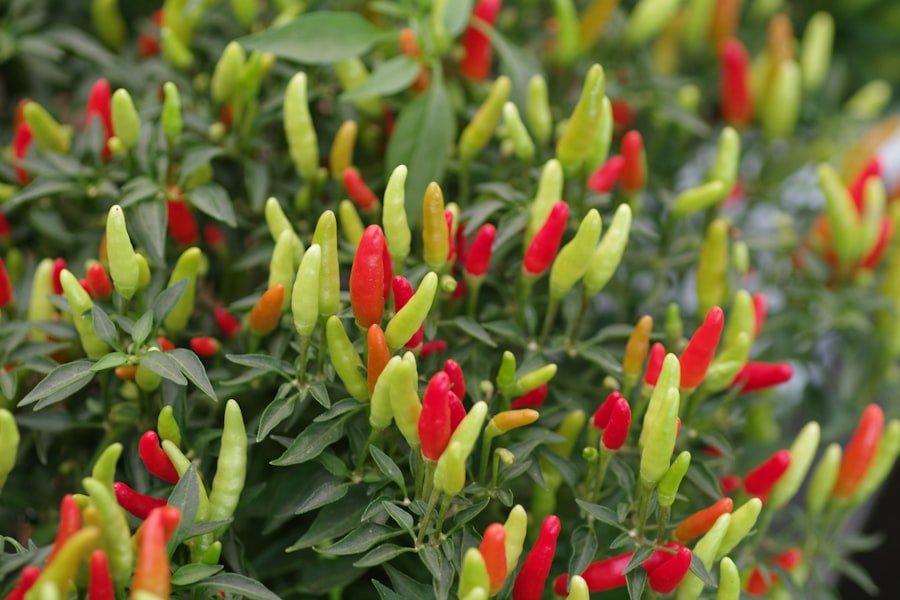
The structural role of calcium in cell wall formation cannot be overstated. Calcium ions (Ca²⁺) are integral to the formation of pectin, a polysaccharide that provides rigidity and strength to plant cell walls. In pepper plants, adequate calcium levels ensure that cell walls are properly formed and maintained, which is essential for supporting the plant’s overall structure.
The presence of calcium helps to stabilize pectin molecules through ionic bonds, creating a robust network that enhances cell wall integrity. Moreover, calcium’s involvement in cell wall structure extends beyond mere physical support; it also influences the plant’s ability to resist pathogens. A well-structured cell wall acts as a barrier against microbial invasion, reducing the likelihood of diseases that can devastate pepper crops.
When calcium levels are optimal, pepper plants are better equipped to withstand biotic stressors, such as fungal infections or bacterial blights. This protective role underscores the importance of maintaining adequate calcium levels throughout the growth cycle of pepper plants.
Calcium’s Influence on Nutrient Uptake and Transport in Pepper Plants
| Calcium Concentration | Nutrient Uptake | Transport Efficiency |
|---|---|---|
| Low | Decreased | Reduced |
| Optimal | Increased | Improved |
| High | Stable | Enhanced |
Calcium plays a critical role in the uptake and transport of other essential nutrients within pepper plants. It acts as a signaling molecule that regulates various transport proteins in root cells, facilitating the movement of nutrients such as potassium, magnesium, and nitrogen. When calcium levels are sufficient, these nutrients can be absorbed more efficiently, leading to improved overall plant health and vigor.
Additionally, calcium influences the permeability of cell membranes, which is vital for nutrient transport. A well-regulated calcium concentration helps maintain membrane integrity, allowing for optimal nutrient exchange between the soil and plant roots. In scenarios where calcium is deficient, nutrient uptake can be severely hampered, leading to deficiencies in other essential elements that can further exacerbate growth issues.
This interconnectedness highlights the importance of maintaining balanced calcium levels to ensure that pepper plants can effectively utilize available nutrients.
Improving Pepper Plant Health and Resistance to Disease with Calcium
Incorporating adequate calcium into pepper plant care can significantly enhance their health and resilience against diseases. Calcium strengthens cell walls and promotes proper cellular function, making it more difficult for pathogens to penetrate plant tissues. This increased resistance is particularly important in environments where diseases such as powdery mildew or bacterial wilt are prevalent.
By ensuring that pepper plants receive sufficient calcium, growers can create a more robust defense system against these threats. Furthermore, calcium’s role in signaling pathways enhances the plant’s ability to respond to stressors. When faced with environmental challenges such as drought or high salinity, calcium helps activate stress response mechanisms that enable pepper plants to adapt and survive.
This adaptability not only improves plant health but also contributes to higher yields by ensuring that plants can continue to grow even under less-than-ideal conditions.
The Relationship Between Calcium and Pepper Plant Fruit Development
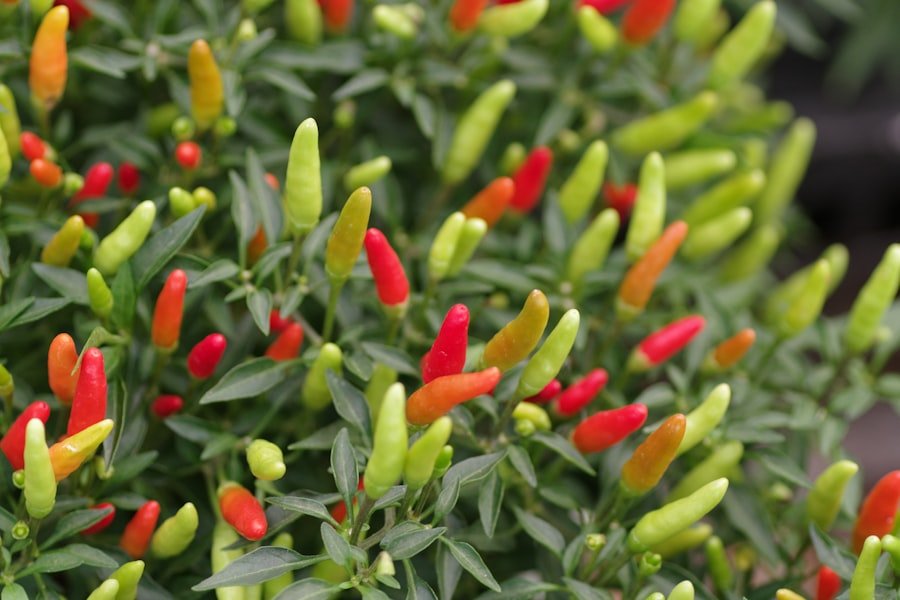
Calcium is particularly crucial during the fruit development stage of pepper plants. As fruits begin to form, they require significant amounts of calcium for proper cell division and expansion. Insufficient calcium during this critical period can lead to physiological disorders such as blossom end rot or fruit cracking.
These issues not only affect fruit quality but can also lead to substantial economic losses for growers. Moreover, calcium contributes to the overall flavor and texture of pepper fruits. Adequate calcium levels help maintain firmness and reduce post-harvest decay, ensuring that fruits remain appealing to consumers.
The relationship between calcium availability and fruit quality underscores the necessity for growers to monitor soil calcium levels closely throughout the growing season. By doing so, they can ensure that their pepper plants produce high-quality fruits that meet market standards.
Addressing Calcium Imbalance in Pepper Plants
Addressing calcium imbalance in pepper plants requires careful monitoring and management practices tailored to specific growing conditions. Soil testing is an essential first step in identifying calcium levels and determining whether amendments are necessary. If tests reveal low calcium levels, growers may need to consider applying lime or gypsum to increase soil calcium content effectively.
In addition to soil amendments, foliar applications of calcium can provide a quick boost during critical growth stages. Spraying calcium solutions directly onto leaves allows for rapid absorption and can help alleviate symptoms of deficiency when they arise. However, it is crucial to apply these treatments judiciously; excessive calcium can lead to imbalances with other nutrients such as magnesium or potassium.
Therefore, a comprehensive approach that includes regular soil testing and careful nutrient management is vital for maintaining optimal calcium levels in pepper plants.
The Importance of Proper Calcium Levels in Soil for Pepper Plant Growth
Proper calcium levels in soil are fundamental for healthy pepper plant growth and development. Calcium not only supports structural integrity but also plays a role in soil health by improving its physical properties. Adequate calcium helps flocculate soil particles, enhancing aeration and drainage while promoting root penetration.
This improved soil structure allows for better water retention and nutrient availability, creating an optimal environment for pepper plants. Furthermore, balanced calcium levels contribute to soil pH regulation. Calcium carbonate (lime) is often used to raise soil pH in acidic soils, creating a more favorable environment for nutrient uptake by pepper plants.
Conversely, excessive calcium can lead to alkaline conditions that may hinder the availability of other essential nutrients like iron or manganese. Therefore, maintaining proper calcium levels is not just about ensuring sufficient supply; it also involves understanding its interactions with other soil components to promote overall plant health.
Using Calcium Supplements for Pepper Plants
Calcium supplements can be an effective way to address deficiencies and promote healthy growth in pepper plants. Various forms of calcium supplements are available, including lime (calcium carbonate), gypsum (calcium sulfate), and liquid calcium formulations. Each type has its advantages depending on specific soil conditions and plant needs.
Lime is commonly used to raise soil pH while providing a slow-release source of calcium over time. Gypsum is particularly beneficial in sodic soils where sodium levels are high; it helps improve soil structure while supplying readily available calcium without affecting pH levels. Liquid calcium products offer rapid absorption through foliar applications or soil drenching, making them ideal for addressing acute deficiencies during critical growth phases.
Growers should select supplements based on their specific soil tests and plant requirements to ensure optimal results.
Tips for Ensuring Adequate Calcium for Pepper Plants
To ensure adequate calcium levels for healthy pepper plants, growers should adopt a multifaceted approach that includes regular soil testing, appropriate amendments, and careful monitoring throughout the growing season. Conducting soil tests at least once a year will provide valuable insights into existing nutrient levels and help identify any deficiencies before they impact plant health. Incorporating organic matter into the soil can also enhance calcium availability while improving overall soil structure and fertility.
Compost or well-rotted manure not only supplies nutrients but also promotes beneficial microbial activity that aids in nutrient cycling. Additionally, implementing proper irrigation practices is crucial; avoiding overwatering can prevent leaching of calcium from the root zone while ensuring consistent moisture levels for optimal nutrient uptake.
Maximizing Pepper Plant Health with Calcium
Maximizing pepper plant health through effective management of calcium levels is essential for achieving high yields and quality fruits. By understanding the multifaceted roles that calcium plays—from cell wall formation to nutrient transport—growers can implement strategies that promote optimal growth conditions. Addressing deficiencies promptly through soil amendments or supplements ensures that pepper plants remain resilient against diseases while developing robust fruits.
Ultimately, maintaining balanced calcium levels requires ongoing attention to soil health and plant needs throughout the growing season. By adopting best practices for monitoring and managing this vital nutrient, growers can enhance their pepper production efforts while contributing to sustainable agricultural practices.
FAQs
What is the importance of calcium for pepper plants?
Calcium is essential for the growth and development of pepper plants. It helps in cell wall formation, root development, and overall plant structure. It also plays a crucial role in preventing diseases and disorders in pepper plants.
How can a lack of calcium affect pepper plants?
A lack of calcium in pepper plants can lead to various issues such as blossom end rot, stunted growth, and poor fruit development. It can also make the plants more susceptible to diseases and environmental stress.
How can I ensure that my pepper plants receive enough calcium?
You can ensure that your pepper plants receive enough calcium by adding calcium-rich amendments such as gypsum or lime to the soil. Additionally, using a balanced fertilizer that contains calcium can also help meet the plant’s calcium needs.
Can I use eggshells to provide calcium to my pepper plants?
Yes, crushed eggshells can be used as a natural source of calcium for pepper plants. Simply crush the eggshells into small pieces and mix them into the soil around the base of the plants.
Are there any signs that indicate a calcium deficiency in pepper plants?
Yes, some signs of calcium deficiency in pepper plants include stunted growth, yellowing of leaves, and the development of blossom end rot on the fruits. It is important to monitor the plants for these symptoms and take appropriate measures to address the deficiency.