Purple flower potatoes, often referred to as purple potatoes, are a unique variety of tubers that stand out not only for their striking color but also for their rich nutritional profile. These potatoes are characterized by their vibrant purple skin and flesh, which can range from a deep violet to a lighter lavender hue. The striking color is due to the presence of anthocyanins, powerful antioxidants that are also found in other purple fruits and vegetables.
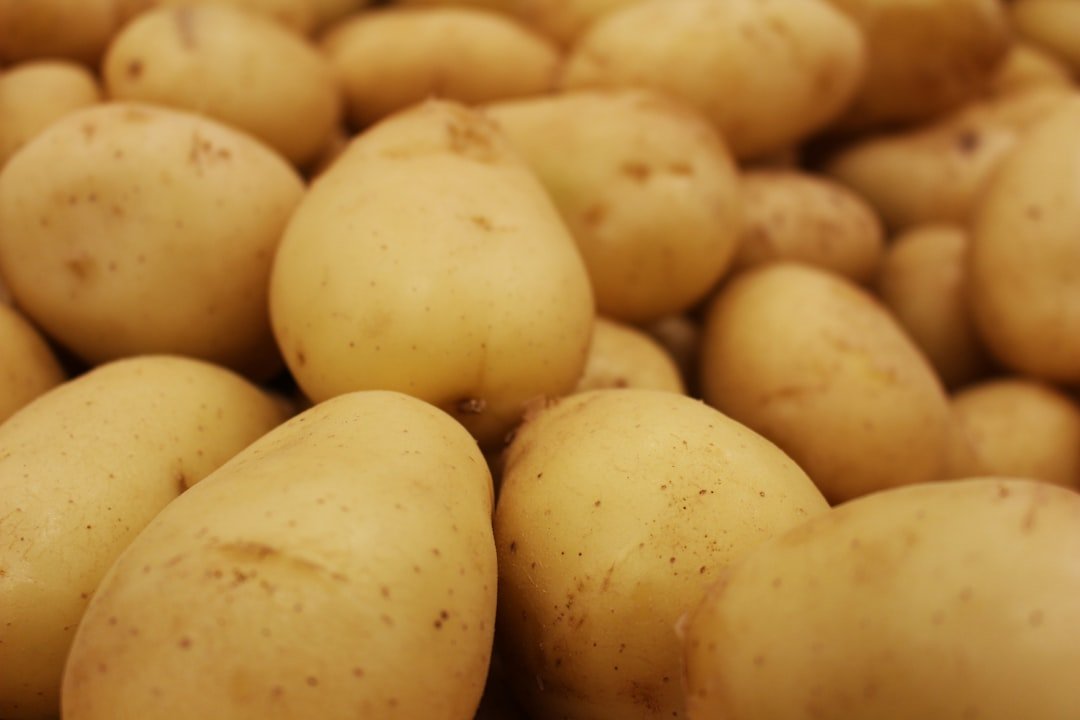
This variety is not just visually appealing; it also offers a slightly nutty flavor and a creamy texture when cooked, making it a favorite among chefs and home cooks alike. The purple flower potato is part of the Solanum tuberosum species, which encompasses many common potato varieties. They are typically smaller than standard white or yellow potatoes and can be round or oval in shape.
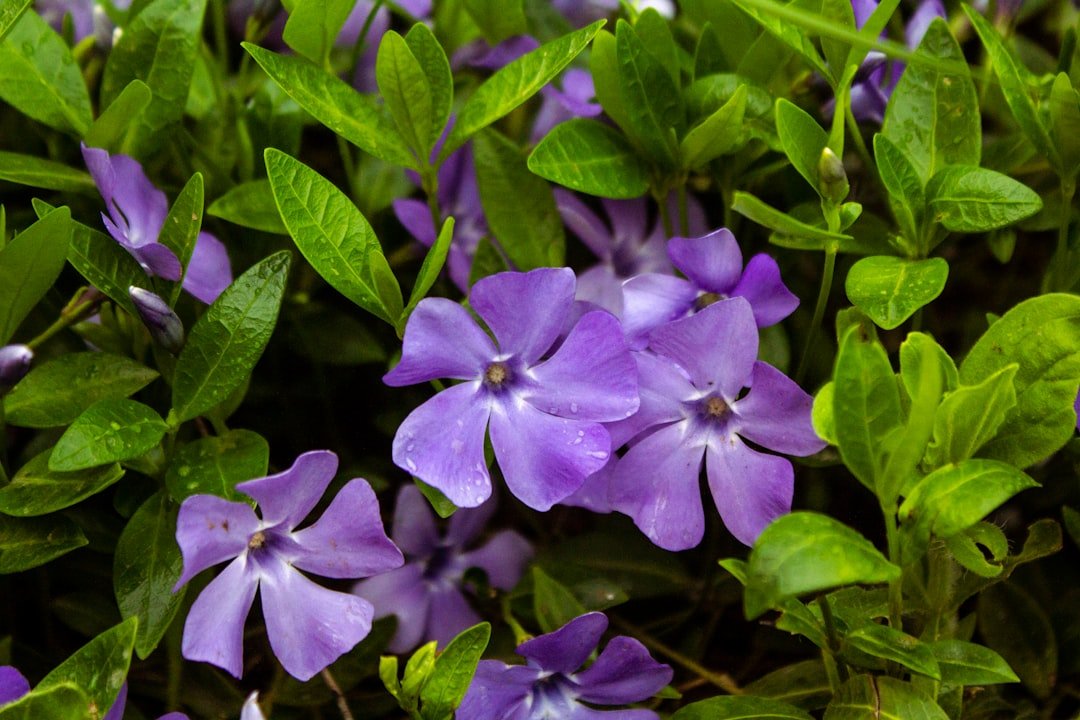
The plant itself produces beautiful purple flowers, which add an ornamental aspect to gardens. These flowers can be a delightful addition to any vegetable patch, attracting pollinators and enhancing the overall aesthetic of the garden space. The combination of their visual appeal and culinary versatility makes purple flower potatoes a popular choice for both home gardeners and commercial growers.
Key Takeaways
- Purple flower potatoes are a unique variety of potatoes with a vibrant purple color and a delicate, sweet flavor.
- To grow purple flower potatoes, plant them in well-draining soil with plenty of sunlight and water, and harvest them when the foliage starts to yellow and die back.
- Growing purple flower potatoes has many benefits, including their high antioxidant content, beautiful appearance, and versatility in cooking.
- When choosing soil for purple flower potatoes, look for loose, well-draining soil with a slightly acidic pH level.
- To care for purple flower potatoes, keep the soil consistently moist, protect them from pests, and provide support for the plants as they grow.
How to Grow Purple Flower Potatoes
Growing purple flower potatoes requires careful planning and attention to detail, but the process can be incredibly rewarding. The first step is selecting high-quality seed potatoes, which are small tubers specifically grown for planting. It is essential to choose certified seed potatoes to avoid diseases that can affect the crop.
Once you have your seed potatoes, they should be chitted or sprouted before planting. This involves placing them in a light, cool area for a few weeks until they develop small shoots. When it comes to planting, timing is crucial.
Purple flower potatoes thrive in well-drained soil and prefer a slightly acidic pH level between 5.5 and 6.5. They should be planted in early spring, after the last frost date in your area. The planting depth should be around 4 inches, with spacing of about 12 inches between each potato to allow for adequate growth.
As the plants grow, they will require hilling—this involves mounding soil around the base of the plants to support their growth and prevent tubers from being exposed to sunlight, which can cause them to turn green and become toxic.
The Benefits of Growing Purple Flower Potatoes
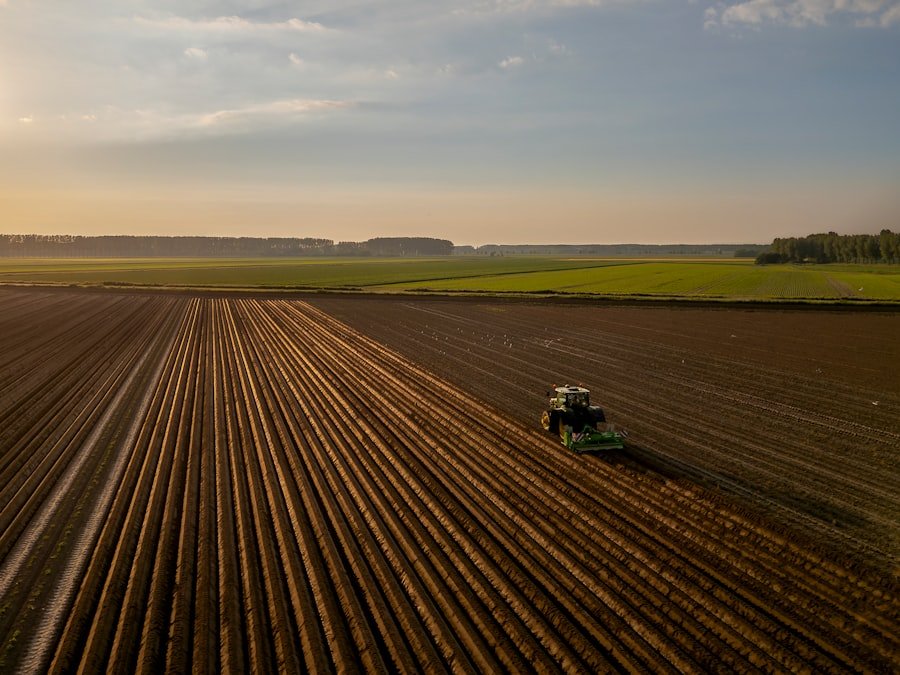
Growing purple flower potatoes offers numerous benefits beyond their aesthetic appeal.
These potatoes are rich in vitamins C and B6, potassium, and dietary fiber, making them an excellent addition to a healthy diet.
The presence of anthocyanins not only contributes to their vibrant color but also provides anti-inflammatory properties and may help reduce the risk of chronic diseases such as heart disease and diabetes. In addition to their health benefits, purple flower potatoes are relatively easy to grow, making them suitable for both novice and experienced gardeners. They are resilient plants that can adapt to various growing conditions, including different soil types and climates.
Furthermore, growing your own purple flower potatoes can be a sustainable choice, reducing reliance on store-bought produce and minimizing your carbon footprint. By cultivating these unique tubers in your garden, you can enjoy fresh, organic produce while contributing positively to the environment.
Choosing the Right Soil for Purple Flower Potatoes
| Soil Type | pH Level | Drainage | Nutrients |
|---|---|---|---|
| Loamy Soil | 5.8-6.5 | Well-draining | Rich in organic matter |
| Sandy Soil | 6.0-6.5 | Good drainage | May need additional organic matter |
| Clay Soil | 5.5-6.0 | Poor drainage | Requires organic matter and sand for improved drainage |
The success of growing purple flower potatoes largely depends on the quality of the soil in which they are planted. Ideally, the soil should be loose, well-draining, and rich in organic matter. Sandy loam is often considered the best type of soil for growing potatoes because it allows for good drainage while retaining enough moisture for healthy growth.
Heavy clay soils can lead to waterlogging, which can cause tuber rot and other diseases. To improve soil quality, it is advisable to amend it with compost or well-rotted manure before planting. This not only enhances nutrient content but also improves soil structure, promoting better root development.
Additionally, incorporating organic matter helps maintain moisture levels without making the soil overly compacted. Testing the soil pH is also essential; if it falls outside the ideal range of 5.
5, amendments such as lime or sulfur can be added to adjust acidity levels accordingly.
Tips for Caring for Purple Flower Potatoes
Caring for purple flower potatoes involves several key practices that ensure healthy growth and a bountiful harvest. Regular watering is crucial during the growing season, especially when the plants are flowering and tubers are forming. Potatoes require about 1-2 inches of water per week; however, it’s important to avoid overwatering as this can lead to rot.
A consistent watering schedule helps maintain even moisture levels in the soil. Pest management is another critical aspect of potato care. Common pests include aphids, Colorado potato beetles, and wireworms.
Regularly inspecting plants for signs of infestation can help catch problems early. Organic pest control methods such as neem oil or insecticidal soap can be effective in managing these pests without harming beneficial insects. Additionally, crop rotation is recommended to prevent soil-borne diseases and pests from becoming established in your garden.
Companion Plants for Purple Flower Potatoes
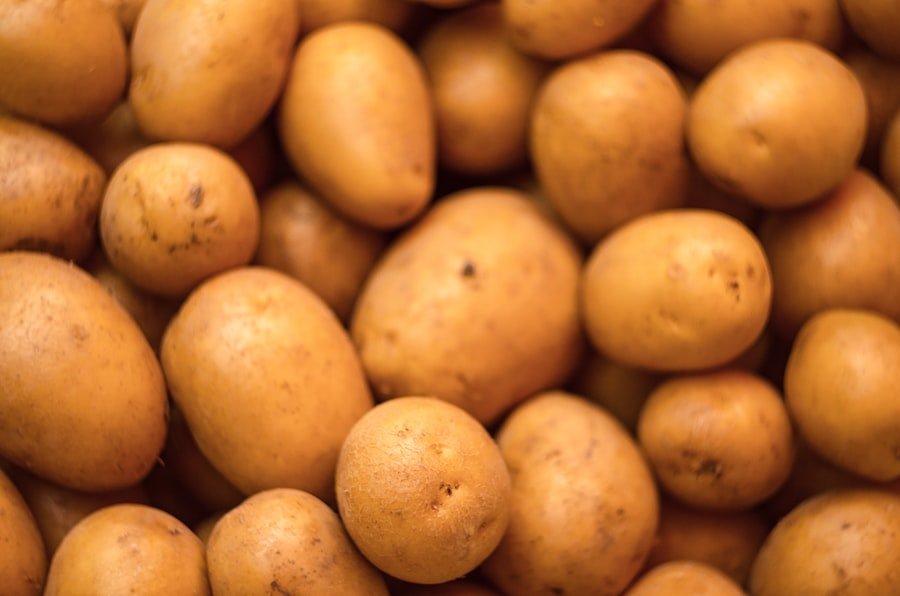
Companion planting is a gardening technique that involves growing different plants together for mutual benefits such as pest control, improved growth rates, and enhanced flavor profiles. When it comes to purple flower potatoes, several companion plants can enhance their growth and health. For instance, planting marigolds nearby can deter nematodes and other pests that may harm potato plants due to their natural insect-repelling properties.
Another excellent companion plant is basil, which not only complements the flavor of potatoes in culinary applications but also helps repel aphids and other harmful insects. Additionally, beans can be beneficial as they fix nitrogen in the soil, enriching it for the potato plants. However, it’s essential to avoid planting potatoes near other nightshades like tomatoes or eggplants, as they share similar pests and diseases that could compromise their health.
Harvesting and Storing Purple Flower Potatoes
Harvesting purple flower potatoes requires careful timing to ensure optimal flavor and texture. Typically, these potatoes are ready for harvest when the plants begin to die back and turn yellow, usually about 70-90 days after planting depending on the variety and growing conditions. Gently digging around the base of the plant with a spade or fork will help unearth the tubers without damaging them.
Once harvested, it’s crucial to handle purple flower potatoes with care to avoid bruising or cuts that could lead to rot during storage. After harvesting, allow them to cure in a cool, dark place for about two weeks; this process helps toughen their skins and prolongs shelf life. For storage, keep them in a cool (around 45-50°F), dark location with good ventilation—such as a root cellar or a cardboard box in a basement—to prevent sprouting and decay.
Creative Ways to Cook with Purple Flower Potatoes
The culinary versatility of purple flower potatoes opens up a world of creative cooking possibilities. Their vibrant color makes them an eye-catching addition to various dishes, from salads to main courses. One popular method of preparation is roasting; tossing cubed purple potatoes with olive oil, garlic, and herbs before roasting them in the oven brings out their natural sweetness while creating a crispy exterior.
Another delightful way to enjoy these tubers is by making mashed purple potatoes. Boiling them until tender and then mashing with butter and cream creates a visually stunning side dish that pairs well with meats or fish. For those looking for something unique, purple potato gnocchi offers an innovative twist on traditional pasta dishes; the vibrant color adds an artistic flair while maintaining the comforting texture associated with gnocchi.
Health Benefits of Purple Flower Potatoes
The health benefits of consuming purple flower potatoes extend beyond their appealing appearance; they are packed with nutrients that contribute positively to overall health. Rich in antioxidants due to their anthocyanin content, these potatoes may help combat oxidative stress in the body, potentially reducing inflammation and lowering the risk of chronic diseases such as heart disease and certain cancers. Moreover, purple flower potatoes are an excellent source of dietary fiber, which aids digestion and promotes gut health.
The fiber content helps regulate blood sugar levels by slowing down glucose absorption after meals—an essential factor for individuals managing diabetes or those looking to maintain stable energy levels throughout the day. Additionally, their potassium content supports cardiovascular health by helping regulate blood pressure.
Using Purple Flower Potatoes for Natural Dyes
Beyond their culinary uses, purple flower potatoes can also serve as a natural dye source due to their vibrant pigments. The anthocyanins responsible for their color can be extracted through boiling or mashing the tubers in water. This dye can then be used on fabrics such as cotton or wool to create beautiful shades of purple that are both eco-friendly and unique.
To use purple flower potato dye effectively, one must prepare the fabric by pre-mordanting it with substances like alum or vinegar to help fix the dye onto the fibers better. Once prepared, immersing the fabric in the dye bath allows it to absorb the color fully; varying soaking times can yield different shades ranging from light lavender to deep violet hues.
The History and Origins of Purple Flower Potatoes
The history of purple flower potatoes dates back thousands of years to their origins in South America, particularly in regions like Peru and Bolivia where they were cultivated by indigenous peoples long before European contact. These ancient civilizations recognized not only the nutritional value of these tubers but also their cultural significance; they were often used in rituals and traditional dishes. As European explorers ventured into South America during the 16th century, they brought back various potato varieties—including purple ones—to Europe where they gradually gained popularity across different countries.
Over time, selective breeding led to the development of numerous cultivars that we see today. In recent years, there has been a resurgence of interest in heirloom varieties like purple flower potatoes due to their unique flavors and health benefits, reflecting a broader trend towards sustainable agriculture and biodiversity preservation within modern farming practices.
FAQs
What are purple flower potatoes?
Purple flower potatoes are a type of potato that produce vibrant purple flowers. They are not a specific variety of potato, but rather a characteristic that can be found in various types of potatoes.
Are purple flower potatoes safe to eat?
Yes, purple flower potatoes are safe to eat. The presence of purple flowers on the potato plant does not indicate any harmful qualities in the potatoes themselves.
Do purple flower potatoes taste different from regular potatoes?
The taste of purple flower potatoes is similar to that of regular potatoes. However, some people believe that they have a slightly nuttier flavor compared to other varieties.
Can you eat the purple flowers of the potato plant?
While the purple flowers of the potato plant are edible, it is not recommended to consume them. The leaves and flowers of the potato plant contain alkaloids, which can be toxic if consumed in large quantities.
How do you grow purple flower potatoes?
To grow purple flower potatoes, you can plant seed potatoes in well-drained soil and provide them with ample sunlight. Keep the soil consistently moist but not waterlogged, and harvest the potatoes when they are mature.