Loquat trees (Eriobotrya japonica) are evergreen fruit-bearing trees native to the subtropical and tropical regions of Asia. They thrive in well-drained soils and require a balanced supply of nutrients to grow healthily and produce fruit. Understanding the nutritional needs of loquat trees is essential for any gardener or orchardist aiming to cultivate these trees successfully.
The primary macronutrients required by loquat trees include nitrogen (N), phosphorus (P), and potassium (K).
Phosphorus plays a vital role in root development and flowering, while potassium is essential for fruit quality and disease resistance.
In addition to these macronutrients, loquat trees also benefit from micronutrients such as iron, manganese, zinc, and boron. These trace elements are necessary for various physiological functions, including photosynthesis, enzyme activity, and overall plant health. A deficiency in any of these nutrients can lead to stunted growth, poor fruit set, and increased susceptibility to pests and diseases.
Therefore, a comprehensive understanding of the nutritional requirements of loquat trees is fundamental for ensuring their optimal growth and productivity.
Key Takeaways
- Loquat trees require a balanced combination of nitrogen, phosphorus, and potassium for optimal growth and fruit production.
- Choose a slow-release, balanced fertilizer with a 8-8-8 or 10-10-10 NPK ratio for loquat trees.
- Fertilize loquat trees in early spring and late summer to support healthy growth and fruit development.
- Organic fertilizers are preferred for loquat trees as they improve soil health and microbial activity.
- Apply fertilizer evenly around the drip line of the tree and water thoroughly to ensure maximum effectiveness.
Choosing the Right Type of Fertilizer for Loquat Trees
Selecting the appropriate fertilizer for loquat trees involves considering both the nutrient composition and the specific needs of the tree at different growth stages. Fertilizers come in various forms, including granular, liquid, slow-release, and organic options. Granular fertilizers are often favored for their ease of application and long-lasting effects.
They can be spread around the base of the tree and will gradually release nutrients as they break down in the soil. Liquid fertilizers, on the other hand, provide a quick nutrient boost and are particularly useful during critical growth phases or when addressing specific deficiencies. When choosing a fertilizer, it is essential to look for a balanced formulation that provides all three primary macronutrients in appropriate ratios.
A common recommendation for loquat trees is a fertilizer with an N-P-K ratio of 10-10-10 or 14-14-14.
For instance, if soil tests indicate a deficiency in potassium, a fertilizer higher in potassium may be more beneficial than a balanced option.
The Importance of Timing When Fertilizing Loquat Trees
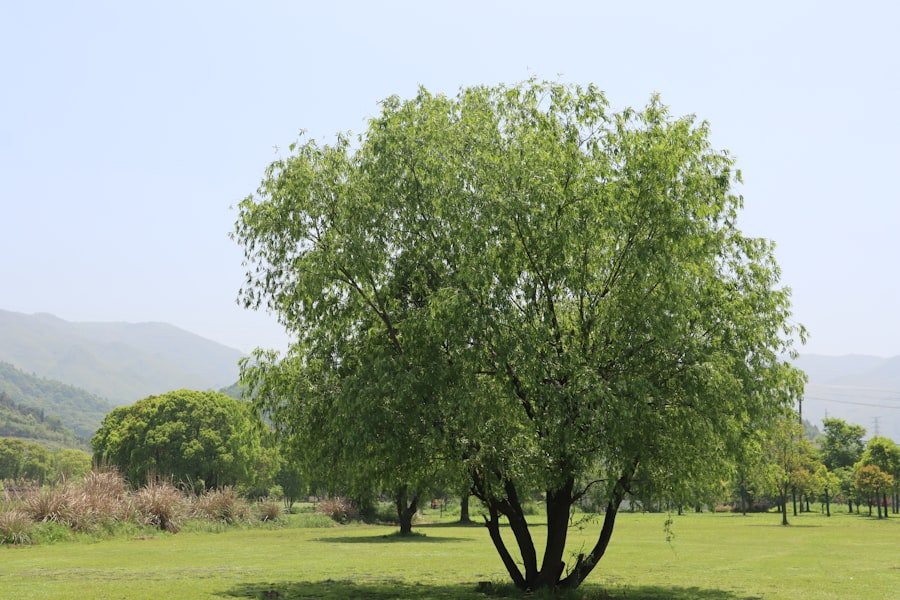
Timing is a critical factor in the successful fertilization of loquat trees. The growth cycle of these trees typically includes a period of active growth in spring and early summer, followed by fruit development in late summer and fall. Fertilizing at the right time can significantly enhance nutrient uptake and improve overall tree health.
Early spring is generally considered the best time to apply fertilizer, as this coincides with the onset of new growth. During this period, loquat trees are actively absorbing nutrients to support leaf expansion and flower development. In addition to spring fertilization, a second application in late summer can be beneficial, particularly if the tree is bearing fruit.
This timing helps ensure that the tree has adequate nutrients available during the critical fruit development phase. However, it is essential to avoid fertilizing too late in the growing season, as this can stimulate new growth that may not harden off before winter, making the tree more susceptible to cold damage.
The debate between organic and synthetic fertilizers is ongoing among gardeners and agricultural professionals alike. Organic fertilizers are derived from natural sources such as compost, manure, or bone meal and are often favored for their ability to improve soil structure and promote microbial activity. They release nutrients slowly over time, which can lead to more sustainable plant growth and reduced risk of nutrient leaching into waterways.
For loquat trees, organic options like composted manure or fish emulsion can provide a rich source of nutrients while enhancing soil health. On the other hand, synthetic fertilizers offer precise nutrient formulations that can deliver immediate results. They are often more concentrated than organic options, allowing for smaller application volumes to achieve desired nutrient levels.
However, synthetic fertilizers can lead to rapid nutrient uptake that may not align with the tree’s natural growth patterns, potentially resulting in nutrient imbalances or environmental concerns related to runoff. Ultimately, the choice between organic and synthetic fertilizers depends on individual gardening philosophies, soil conditions, and specific tree needs.
How to Apply Fertilizer to Loquat Trees for Maximum Effectiveness
| Step | Description |
|---|---|
| 1 | Choose a balanced fertilizer with a 10-10-10 NPK ratio. |
| 2 | Apply the fertilizer in early spring before new growth appears. |
| 3 | Spread the fertilizer evenly around the drip line of the tree. |
| 4 | Water the tree thoroughly after applying the fertilizer. |
| 5 | Repeat the application in late spring if necessary. |
Applying fertilizer correctly is crucial for maximizing its effectiveness on loquat trees. The method of application can vary depending on the type of fertilizer used. For granular fertilizers, it is advisable to spread them evenly around the base of the tree, extending out to the drip line where roots are actively seeking nutrients.
This ensures that the fertilizer reaches the root zone effectively. After application, watering the area thoroughly helps dissolve the granules and facilitates nutrient absorption by the roots. For liquid fertilizers, dilution according to package instructions is essential before application.
These solutions can be applied directly to the soil or as a foliar spray for quick absorption through leaves. When using foliar applications, it is best to do so during cooler parts of the day to prevent leaf burn from sunlight. Regardless of the method chosen, monitoring soil moisture levels post-application is important; too much water can leach nutrients away from the root zone, while too little can hinder nutrient uptake.
Signs of Nutrient Deficiency in Loquat Trees and How to Address Them
Recognizing signs of nutrient deficiency in loquat trees is vital for timely intervention and maintaining tree health. Common symptoms include yellowing leaves (chlorosis), stunted growth, poor fruit set, and leaf drop. For instance, nitrogen deficiency often manifests as pale green leaves with yellowing edges, while phosphorus deficiency may cause dark green or purplish leaves with poor flowering.
Potassium deficiency can lead to browning leaf tips and increased susceptibility to diseases. Addressing these deficiencies requires a targeted approach based on visual symptoms and soil testing results. If nitrogen deficiency is suspected, applying a nitrogen-rich fertilizer can help restore vigor quickly.
For phosphorus or potassium deficiencies, selecting fertilizers that specifically address those needs will be more effective than general-purpose options. Additionally, incorporating organic amendments like compost can provide a slow-release source of nutrients while improving overall soil health.
Avoiding Over-Fertilization: Risks and Solutions
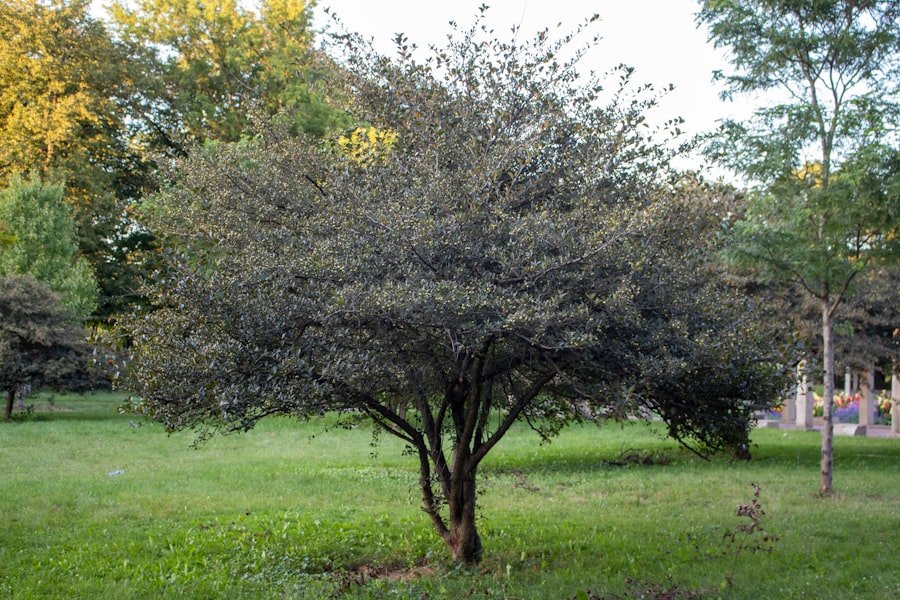
While fertilization is essential for healthy loquat trees, over-fertilization poses significant risks that can adversely affect tree health and productivity. Excessive nutrient application can lead to rapid vegetative growth at the expense of fruit production, resulting in lush foliage but few fruits. Moreover, over-fertilization can cause nutrient imbalances in the soil, leading to toxicity symptoms such as leaf burn or root damage.
To avoid over-fertilization, it is crucial to adhere to recommended application rates based on soil tests and tree age or size. Regular monitoring of tree health and growth patterns can also provide insights into whether fertilization practices need adjustment. If over-fertilization occurs, leaching excess nutrients through thorough watering can help mitigate damage; however, this should be done cautiously to avoid waterlogging.
Creating a Fertilization Schedule for Your Loquat Tree
Establishing a fertilization schedule tailored to your loquat tree’s specific needs can enhance its growth and fruit production significantly. A general guideline suggests two main applications per year: one in early spring as new growth begins and another in late summer during fruit development. However, this schedule may need adjustments based on local climate conditions, soil fertility levels, and tree age.
For young loquat trees (1-3 years old), lighter applications with lower concentrations of nutrients may be more appropriate as they establish their root systems. As trees mature (4 years and older), they may require more substantial applications to support increased fruit production. Keeping records of fertilization dates and amounts applied can help refine future schedules based on observed tree responses.
Supplementing Fertilizer with Proper Watering and Mulching Techniques
Fertilization alone cannot ensure optimal health for loquat trees; proper watering practices and mulching techniques play equally important roles in supporting nutrient uptake and overall tree vitality. Loquat trees prefer well-drained soils but require consistent moisture during critical growth periods. Deep watering encourages root development while preventing shallow root systems that are more susceptible to drought stress.
Mulching around the base of loquat trees serves multiple purposes: it conserves soil moisture, suppresses weeds that compete for nutrients, and gradually adds organic matter as it decomposes. Organic mulches such as wood chips or straw not only improve soil structure but also enhance microbial activity that aids nutrient availability. A layer of mulch should be maintained at least 2-4 inches thick but kept away from direct contact with the trunk to prevent rot.
Using Compost and Other Natural Amendments to Boost Loquat Tree Health
Incorporating compost and other natural amendments into your fertilization strategy can significantly enhance loquat tree health by improving soil structure and providing a slow-release source of nutrients. Compost enriches the soil with organic matter that enhances moisture retention while promoting beneficial microbial activity essential for nutrient cycling. Regular applications of compost can help maintain soil fertility over time without the risks associated with synthetic fertilizers.
Other natural amendments such as bone meal (for phosphorus) or greensand (for potassium) can also be beneficial when specific nutrient deficiencies are identified through soil testing or visual symptoms on the tree. These amendments not only supply essential nutrients but also contribute to long-term soil health by improving its physical properties.
Consulting with a Professional for Customized Fertilization Advice for Your Loquat Tree
For those seeking tailored advice on fertilization practices for their loquat trees, consulting with a professional agronomist or horticulturist can provide invaluable insights based on local conditions and specific tree needs. Professionals can conduct soil tests to assess nutrient levels accurately and recommend appropriate fertilization strategies that align with best practices for loquat cultivation. Additionally, professionals can offer guidance on integrated pest management strategies that complement fertilization efforts by ensuring that loquat trees remain healthy and resilient against pests and diseases.
By leveraging expert knowledge, gardeners can optimize their fertilization practices while fostering sustainable growing conditions for their loquat trees over time.
FAQs
What is the best fertilizer for a loquat tree?
The best fertilizer for a loquat tree is a balanced, slow-release fertilizer with a ratio of 8-8-8 or 10-10-10. This will provide the tree with the necessary nutrients for healthy growth and fruit production.
When should I fertilize my loquat tree?
Fertilize your loquat tree in the early spring before new growth begins. You can also apply a second round of fertilizer in late spring or early summer to support fruit development.
How much fertilizer should I use for my loquat tree?
For young loquat trees, use about 1/4 to 1/2 pound of fertilizer per tree. For mature trees, use 1 to 2 pounds of fertilizer per tree. Be sure to follow the specific instructions on the fertilizer package for best results.
Can I use organic fertilizer for my loquat tree?
Yes, organic fertilizers such as compost, manure, or fish emulsion can be used for loquat trees. These natural fertilizers provide nutrients to the tree and improve soil health.
Are there any specific nutrients that loquat trees need?
Loquat trees require nitrogen, phosphorus, and potassium, as well as micronutrients such as magnesium, calcium, and iron. A balanced fertilizer will provide these essential nutrients for healthy growth and fruit production.