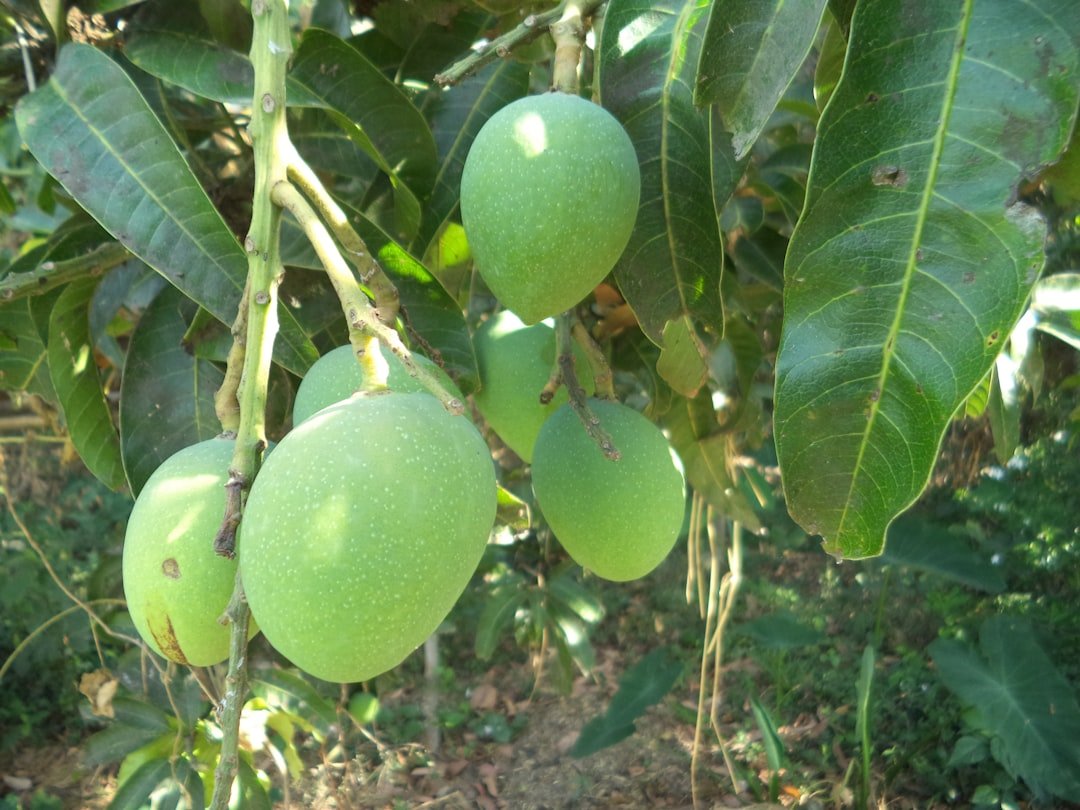
Mango trees (Mangifera indica) are tropical fruit-bearing trees that thrive in warm climates, making them a popular choice for home gardeners and commercial orchards alike. To cultivate healthy mango trees, it is essential to understand their specific needs, which include adequate sunlight, water, and nutrients. Mango trees prefer full sun exposure, ideally receiving at least six to eight hours of direct sunlight each day.
This exposure not only promotes photosynthesis but also aids in fruit development and ripening. Inadequate sunlight can lead to stunted growth and reduced fruit yield, making it crucial for growers to select appropriate planting locations. Watering is another critical aspect of mango tree care.
While these trees are relatively drought-tolerant once established, they require consistent moisture during their early growth stages. Overwatering can lead to root rot, while underwatering can stress the tree and affect fruit production. Therefore, understanding the balance of moisture is vital for the health of mango trees.
Additionally, mango trees thrive in warm temperatures, ideally between 70°F to 100°F (21°C to 38°C). Cold temperatures can damage young trees and inhibit growth, so gardeners in cooler climates must take precautions to protect their mango trees from frost.
Key Takeaways
- Understanding the needs of mango trees:
- Mango trees require well-draining soil to thrive.
- Nutrient requirements for healthy mango trees:
- Mango trees need a balanced mix of nutrients, including nitrogen, phosphorus, and potassium.
- Organic vs. synthetic potting soil options:
- Organic potting soil is preferred for mango trees as it promotes soil health and microbial activity.
- pH levels and its impact on mango tree growth:
- Mango trees prefer slightly acidic soil with a pH range of 5.5 to 7.5 for optimal growth.
- Choosing the right potting mix for container-grown mango trees:
- Select a potting mix that is well-draining and rich in organic matter for container-grown mango trees.
The importance of well-draining soil
Well-draining soil is paramount for the successful cultivation of mango trees. These trees are native to regions with sandy or loamy soils that allow excess water to drain away quickly. Poorly draining soil can lead to waterlogged conditions, which are detrimental to the root system.
When roots sit in water for extended periods, they become oxygen-deprived, leading to root rot and other fungal diseases. This condition not only weakens the tree but can also result in the loss of fruit production. To ensure proper drainage, it is essential to select or amend soil that allows water to flow freely while retaining some moisture for the roots.
Sandy soils are often ideal due to their coarse texture, which facilitates drainage. However, loamy soils that contain a mix of sand, silt, and clay can also provide a suitable environment if they are well-aerated. Gardeners can enhance drainage by incorporating organic matter such as compost or well-rotted manure into the soil mix.
This not only improves drainage but also enriches the soil with essential nutrients that support healthy growth.
Nutrient requirements for healthy mango trees
Mango trees have specific nutrient requirements that must be met for optimal growth and fruit production. Key nutrients include nitrogen, phosphorus, potassium, calcium, magnesium, and trace elements such as iron and manganese. Nitrogen is crucial for vegetative growth and leaf development, while phosphorus supports root establishment and flowering.
Potassium plays a vital role in fruit quality and overall tree health. A balanced supply of these nutrients ensures that mango trees can grow vigorously and produce high-quality fruit. To meet these nutrient needs, gardeners should consider using a balanced fertilizer specifically formulated for fruit trees.
These fertilizers typically contain a mix of macronutrients and micronutrients that cater to the unique requirements of mango trees. Additionally, organic amendments such as compost or well-rotted manure can provide a slow-release source of nutrients while improving soil structure. Regular soil testing can help determine nutrient levels and guide fertilization practices, ensuring that mango trees receive the right amount of nutrients throughout their growing season.
When it comes to potting soil for container-grown mango trees, gardeners often face the choice between organic and synthetic options. Organic potting soils are derived from natural materials such as peat moss, coconut coir, compost, and bark. These soils are typically free from synthetic chemicals and provide a rich environment for beneficial microorganisms that promote healthy root development.
On the other hand, synthetic potting soils often contain chemical fertilizers and additives designed to promote rapid plant growth. While these mixes can provide immediate nutrient availability, they may lack the long-term benefits associated with organic options.
Additionally, synthetic soils may lead to nutrient leaching if not managed properly, which can result in nutrient deficiencies over time. Ultimately, the choice between organic and synthetic potting soil depends on the gardener’s philosophy regarding sustainability and their specific growing conditions.
pH levels and its impact on mango tree growth
| pH Level | Impact on Mango Tree Growth |
|---|---|
| Below 5.5 | Acidic soil can lead to stunted growth and nutrient deficiencies |
| 5.5 – 7.5 | Ideal pH range for mango tree growth and nutrient uptake |
| Above 7.5 | Alkaline soil can lead to nutrient lockout and poor growth |
The pH level of the soil plays a significant role in the growth and health of mango trees. Ideally, mango trees prefer slightly acidic to neutral soil with a pH range of 5.5 to 7.5. Soil pH affects nutrient availability; certain nutrients become less accessible to plants when pH levels fall outside this optimal range.
For instance, iron becomes less available in alkaline soils (pH above 7), which can lead to chlorosis—a condition characterized by yellowing leaves due to insufficient chlorophyll production. To maintain optimal pH levels for mango trees, regular soil testing is essential. If the pH is found to be too low (acidic), gardeners can amend the soil with lime to raise the pH level gradually.
Conversely, if the soil is too alkaline, sulfur or organic matter can be added to lower the pH. Monitoring pH levels not only helps ensure that mango trees receive adequate nutrients but also promotes overall plant health and resilience against diseases.
Choosing the right potting mix for container-grown mango trees
Selecting the right potting mix is crucial for container-grown mango trees as it directly influences their growth potential and overall health. A suitable potting mix should provide excellent drainage while retaining enough moisture for the roots. A blend that includes components like peat moss or coconut coir for moisture retention, along with perlite or vermiculite for aeration and drainage, is often ideal.
Young saplings may benefit from a lighter mix that allows for quick root establishment, while mature trees may require a denser mix that supports larger root systems. Additionally, some gardeners opt for specialized potting mixes designed specifically for fruit trees or tropical plants, which often contain added nutrients tailored to their needs.
Considering the climate and location when selecting potting soil
The climate and location where mango trees are grown significantly influence the choice of potting soil. In regions with high humidity and frequent rainfall, it is essential to select a potting mix that promotes drainage to prevent waterlogging and root rot. Conversely, in arid climates where evaporation rates are high, a mix that retains moisture while still allowing for adequate drainage is crucial.
Furthermore, local soil conditions should be taken into account when selecting potting soil. For instance, if local soils are heavy clay or sandy, amendments may be necessary to create an optimal growing environment for mango trees in containers. Understanding regional climate patterns—such as temperature fluctuations and seasonal rainfall—can help gardeners make informed decisions about their potting soil choices.
Evaluating the moisture retention of potting soil
Moisture retention is a critical factor in determining the success of container-grown mango trees. While these trees prefer well-draining soil, they also require consistent moisture during their active growing season. A potting mix that retains too much moisture can lead to root rot, while one that dries out too quickly can stress the tree and hinder growth.
To evaluate moisture retention capabilities, gardeners should consider using potting mixes that incorporate materials like coconut coir or peat moss, which have excellent water-holding properties without becoming overly saturated. Additionally, adding organic matter such as compost can enhance moisture retention while providing essential nutrients. Regular monitoring of soil moisture levels through touch or moisture meters can help ensure that mango trees receive adequate hydration without risking overwatering.
Avoiding soil compaction and root rot
Soil compaction is a common issue in container gardening that can severely impact the health of mango trees. Compacted soil restricts root growth by limiting oxygen availability and reducing drainage capabilities. This condition can lead to stunted growth and increased susceptibility to diseases such as root rot.
To avoid soil compaction, gardeners should choose lightweight potting mixes designed for container use rather than heavy garden soils that may compact over time. Incorporating materials like perlite or vermiculite into the mix can improve aeration and prevent compaction by creating air pockets within the soil structure. Additionally, regular repotting every couple of years allows gardeners to refresh the potting mix and provide ample space for root expansion.
The role of perlite, vermiculite, and other additives in potting soil
Perlite and vermiculite are two commonly used additives in potting soils that play crucial roles in enhancing drainage and aeration for container-grown plants like mango trees. Perlite is a lightweight volcanic glass that expands when heated; it provides excellent drainage by creating air pockets within the soil mix while preventing compaction. This characteristic is particularly beneficial for mango trees since it helps maintain optimal moisture levels without risking waterlogging.
Vermiculite, on the other hand, is a mineral that expands when heated and has excellent moisture-retaining properties while still allowing for good aeration. It helps retain water and nutrients while preventing excessive drying out of the soil mix—an essential feature for young mango trees that require consistent moisture during their establishment phase. By combining these additives with organic materials like compost or coconut coir, gardeners can create a well-balanced potting mix that supports healthy root development and overall plant vigor.
Tips for maintaining healthy potting soil for mango trees
Maintaining healthy potting soil is vital for ensuring the long-term success of container-grown mango trees. One effective strategy is to regularly monitor moisture levels using a moisture meter or by checking the top inch of soil with your finger; this helps prevent overwatering or underwatering—two common pitfalls in container gardening. Incorporating organic fertilizers periodically can also enhance nutrient availability in the potting mix without causing chemical buildup associated with synthetic fertilizers.
Additionally, replenishing organic matter through composting or top-dressing with mulch can improve soil structure over time while providing essential nutrients as they break down. Finally, repotting every couple of years allows gardeners to refresh the potting mix and provide ample space for root expansion as the tree grows larger. During repotting, inspecting roots for signs of rot or disease ensures that any issues are addressed promptly before they affect overall plant health.
By following these tips, gardeners can create an optimal environment for their mango trees to thrive in containers.
FAQs
What is mango tree potting soil?
Mango tree potting soil is a specially formulated soil mixture designed to provide the ideal growing conditions for mango trees when grown in containers or pots.
What are the key components of mango tree potting soil?
Mango tree potting soil typically contains a blend of organic materials such as peat moss, coconut coir, and compost, as well as perlite or vermiculite for drainage and aeration.
Why is it important to use specific potting soil for mango trees?
Using the right potting soil for mango trees is important because it provides the necessary nutrients, drainage, and aeration for the tree to thrive in a container environment.
Can I make my own mango tree potting soil?
Yes, it is possible to make your own mango tree potting soil by combining organic materials such as peat moss, coconut coir, compost, and perlite or vermiculite in the right proportions.
How often should I repot my mango tree in new potting soil?
Mango trees should be repotted in fresh potting soil every 2-3 years to replenish nutrients and ensure proper drainage and aeration for healthy growth.
Where can I purchase mango tree potting soil?
Mango tree potting soil can be purchased at garden centers, nurseries, or online retailers that specialize in gardening supplies.