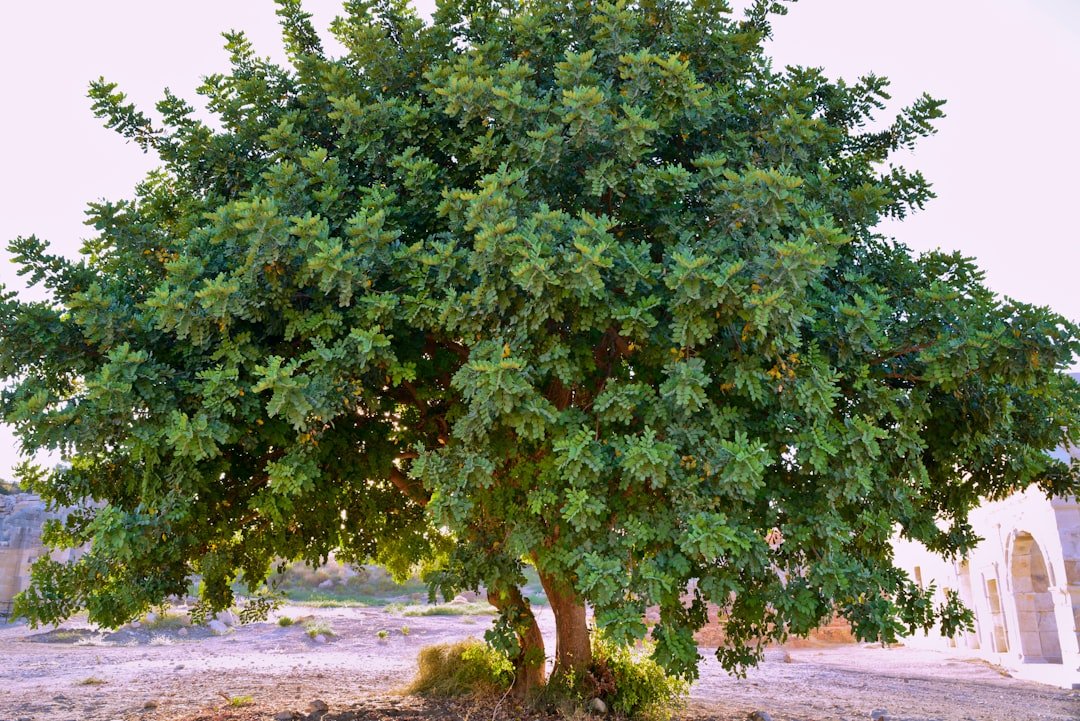
The Big Jim Loquat tree, scientifically known as Eriobotrya japonica, is a remarkable fruit-bearing tree that has captured the attention of gardeners and fruit enthusiasts alike. Originating from Southeast Asia, this tree has found its way into gardens across the globe, particularly in subtropical and mild temperate regions. The Big Jim variety is particularly prized for its large, sweet, and juicy fruits, which can be enjoyed fresh or used in a variety of culinary applications.
With its lush foliage and fragrant blossoms, the Big Jim Loquat tree not only serves as a source of delicious fruit but also enhances the aesthetic appeal of any garden. This tree typically reaches a height of 10 to 20 feet, making it a manageable size for most residential gardens. Its evergreen leaves are glossy and dark green, providing a vibrant backdrop throughout the year.
In spring, the tree produces clusters of small, white to pale yellow flowers that emit a sweet fragrance, attracting pollinators such as bees and butterflies. The fruit itself is oval-shaped, with a smooth skin that ranges from yellow to orange when ripe. The Big Jim Loquat is known for its exceptional flavor profile, which combines sweetness with a hint of tartness, making it a favorite among those who appreciate unique and exotic fruits.
Key Takeaways
- The Big Jim Loquat Tree is a versatile and fruitful addition to any garden, providing both aesthetic appeal and delicious fruit.
- Growing a Big Jim Loquat Tree in your garden can provide you with a bountiful harvest of sweet and tangy fruits, perfect for snacking or making preserves.
- Caring for a Big Jim Loquat Tree involves regular watering, fertilizing, and pruning to ensure healthy growth and abundant fruit production.
- Big Jim Loquat Trees can be found for sale at local nurseries, garden centers, and online plant retailers, offering a variety of sizes and cultivars to choose from.
- When choosing a location for your Big Jim Loquat Tree, consider a spot with well-drained soil, full sun exposure, and protection from strong winds to promote optimal growth and fruit development.
Benefits of Growing a Big Jim Loquat Tree in Your Garden
One of the primary benefits of cultivating a Big Jim Loquat tree is the delicious fruit it produces. The loquat is not only tasty but also packed with nutrients. Rich in vitamins A and C, dietary fiber, and antioxidants, loquats contribute to a healthy diet and can support overall well-being.
The fruit can be eaten fresh, made into jams and jellies, or used in desserts and savory dishes alike. This versatility makes the loquat an excellent addition to any culinary repertoire. Beyond its nutritional value, the Big Jim Loquat tree offers several ecological benefits.
As an evergreen species, it provides year-round cover for wildlife and contributes to biodiversity in the garden. The tree’s flowers attract various pollinators, which are essential for maintaining healthy ecosystems. Additionally, loquat trees are relatively drought-tolerant once established, making them an environmentally friendly choice for gardeners looking to conserve water.
Their ability to thrive in less-than-ideal soil conditions further enhances their appeal as a low-maintenance fruit tree.
How to Care for a Big Jim Loquat Tree
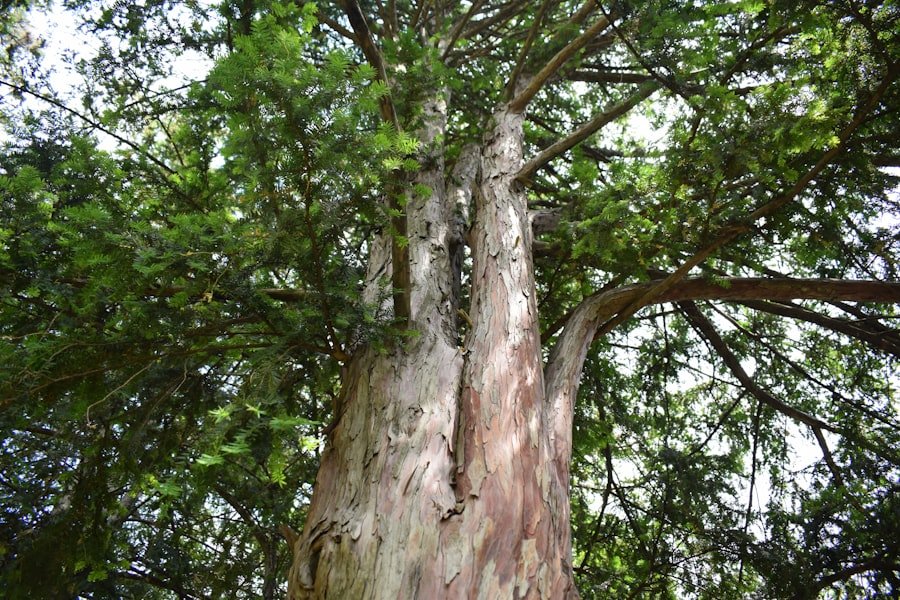
Caring for a Big Jim Loquat tree involves several key practices that ensure its health and productivity. First and foremost, proper watering is crucial during the establishment phase.
However, it is essential to avoid overwatering, as loquats are susceptible to root rot in poorly drained soils. Once established, these trees can tolerate periods of drought but will benefit from supplemental watering during prolonged dry spells. Fertilization is another important aspect of loquat care.
A balanced fertilizer applied in early spring can promote healthy growth and fruit production. Organic options such as compost or well-rotted manure can also be beneficial, providing essential nutrients while improving soil structure. Regular mulching around the base of the tree helps retain moisture and suppress weeds, further enhancing the growing conditions for your Big Jim Loquat.
Where to Find a Big Jim Loquat Tree for Sale
| Location | Price | Size | Availability |
|---|---|---|---|
| Local Nursery | Varies | Various sizes | Available |
| Online Plant Retailers | Varies | Various sizes | Available |
| Farmers’ Market | Varies | Various sizes | Seasonal |
Finding a Big Jim Loquat tree for sale can be an exciting endeavor for any gardener looking to add this unique fruit tree to their collection. Many local nurseries and garden centers carry this variety, especially in regions where loquats thrive. It is advisable to visit these establishments during the spring or early summer when they are most likely to have young trees available for purchase.
In addition to local nurseries, online retailers offer a wide selection of Big Jim Loquat trees. Websites specializing in fruit trees often provide detailed descriptions of each variety, including growth habits and care requirements. When purchasing online, it is essential to choose reputable sellers who guarantee healthy plants and provide clear shipping policies.
Reading customer reviews can also help ensure that you are making an informed decision.
Choosing the Right Location for Your Big Jim Loquat Tree
Selecting the ideal location for your Big Jim Loquat tree is critical to its success. These trees thrive in full sun, so it is best to choose a spot that receives at least six hours of direct sunlight each day. A sunny location not only promotes healthy growth but also enhances fruit production.
Additionally, loquats prefer well-drained soil with a slightly acidic to neutral pH level. Conducting a soil test can help determine if amendments are necessary to create optimal growing conditions. Another factor to consider when choosing a location is protection from harsh winds and extreme temperatures.
While Big Jim Loquat trees are relatively hardy, they can be sensitive to frost during their flowering period.
Ensuring adequate spacing between your loquat tree and other plants will also prevent competition for nutrients and sunlight.
Planting and Transplanting a Big Jim Loquat Tree
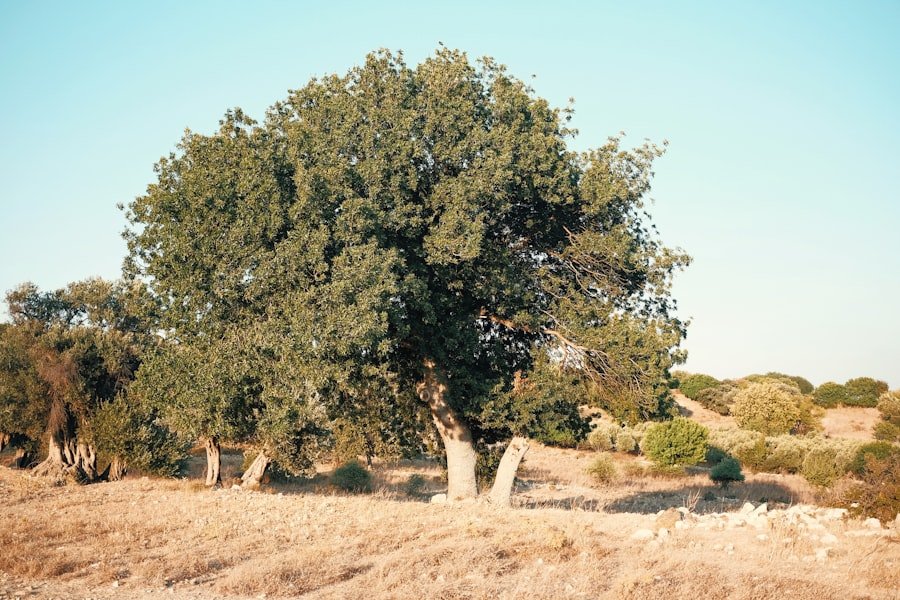
When planting a Big Jim Loquat tree, timing is essential for successful establishment. The best time to plant is during the spring or fall when temperatures are milder, allowing the tree to acclimate without the stress of extreme heat or cold. Begin by selecting a planting site that meets the sunlight and soil requirements discussed earlier.
Digging a hole that is twice as wide as the root ball but no deeper than the root system will provide ample space for roots to spread. Before placing the tree in the hole, gently loosen any tightly bound roots to encourage outward growth. Position the tree so that the top of the root ball is level with the surrounding soil surface.
Backfill the hole with native soil mixed with organic matter to improve drainage and nutrient availability. Water thoroughly after planting to eliminate air pockets and ensure good soil contact around the roots. Transplanting an established Big Jim Loquat tree requires careful planning and execution to minimize stress on the plant.
The best time for transplanting is during dormancy in late winter or early spring before new growth begins. Prepare the new planting site in advance by ensuring it meets all requirements for sunlight and soil conditions. When digging up the tree, aim to retain as much of the root ball as possible while carefully severing any roots that may be entangled with nearby plants or structures.
Pruning and Maintaining Your Big Jim Loquat Tree
Pruning is an essential practice for maintaining the health and shape of your Big Jim Loquat tree. Regular pruning encourages strong growth and improves air circulation within the canopy, reducing the risk of disease. The best time to prune is during late winter or early spring before new growth begins.
Focus on removing any dead or damaged branches first, followed by thinning out crowded areas to allow light penetration. In addition to structural pruning, it is beneficial to remove any suckers or water sprouts that may emerge from the base of the tree or along branches. These shoots can divert energy away from fruit production and should be pruned back to maintain focus on developing healthy fruit-bearing branches.
Keeping an eye on overall tree health will help you identify any issues early on, allowing for timely intervention.
Harvesting and Using the Fruit from Your Big Jim Loquat Tree
The harvesting process for Big Jim Loquats typically occurs in late spring to early summer when the fruits have reached their peak ripeness. Identifying ripe loquats involves checking for color; they should be a vibrant yellow-orange hue with a slight give when gently squeezed. It’s important to harvest them carefully by twisting or cutting them from the branch rather than pulling them off forcefully, which can damage both the fruit and the tree.
Once harvested, loquats can be enjoyed fresh as a delightful snack or incorporated into various recipes. Their sweet-tart flavor makes them an excellent candidate for jams, jellies, and preserves. Additionally, they can be used in desserts such as pies or tarts or even added to savory dishes like salads or salsas for an unexpected burst of flavor.
The versatility of loquats allows gardeners to explore numerous culinary possibilities while enjoying their homegrown bounty.
Potential Pests and Diseases of the Big Jim Loquat Tree
While the Big Jim Loquat tree is generally resilient, it can be susceptible to certain pests and diseases that may threaten its health and productivity. Common pests include aphids, scale insects, and spider mites, which can weaken the tree by feeding on its sap or causing leaf damage. Regular monitoring of your tree will help you identify any infestations early on; introducing beneficial insects like ladybugs can provide natural pest control.
Diseases such as fire blight and root rot can also pose challenges for loquat trees. Fire blight is characterized by wilting leaves and blackened branches; prompt removal of affected areas is crucial to prevent further spread. Root rot often results from overwatering or poorly drained soils; ensuring proper drainage and avoiding excessive moisture will help mitigate this risk.
Other Fruitful Additions to Consider for Your Garden
Incorporating additional fruit trees into your garden can create a diverse landscape while providing an array of delicious produce throughout different seasons. Consider planting companion fruits such as figs or persimmons alongside your Big Jim Loquat tree; both thrive in similar conditions and can enhance pollination opportunities within your garden ecosystem. Citrus trees like lemon or orange can also complement your loquat tree beautifully; their fragrant blossoms attract pollinators while their fruits provide contrasting flavors that can elevate your culinary creations.
Additionally, berry bushes such as blueberries or raspberries offer seasonal variety while requiring similar care practices as loquats.
Enjoying the Fruits of Your Big Jim Loquat Tree
The journey of growing a Big Jim Loquat tree is one filled with anticipation and reward as you nurture it from a young sapling into a fruitful specimen that enriches your garden both visually and gastronomically. With proper care, attention to detail in planting locations, and proactive management against pests and diseases, you will find yourself reaping not only delicious fruits but also enjoying the many benefits this remarkable tree brings to your outdoor space. As you savor fresh loquats straight from your garden or experiment with new recipes featuring this unique fruit, you’ll appreciate not just its flavor but also the satisfaction that comes from cultivating your own food source right at home—a true testament to sustainable gardening practices that connect us more deeply with nature’s bounty.
FAQs
What is a Big Jim Loquat Tree?
A Big Jim Loquat tree is a variety of loquat tree known for its large, sweet, and juicy fruit. It is a popular choice for home gardens and orchards due to its delicious fruit and attractive appearance.
How tall does a Big Jim Loquat Tree grow?
A Big Jim Loquat tree can grow to be 15-25 feet tall, making it a medium-sized tree suitable for many different types of landscapes.
What are the growing requirements for a Big Jim Loquat Tree?
Big Jim Loquat trees thrive in full sun and well-drained soil. They are also tolerant of various soil types and can withstand periods of drought once established.
When is the fruit ready for harvest on a Big Jim Loquat Tree?
The fruit of a Big Jim Loquat tree is typically ready for harvest in late winter to early spring, depending on the climate and growing conditions.
Where can I buy a Big Jim Loquat Tree?
Big Jim Loquat trees can be purchased from nurseries, garden centers, and online retailers that specialize in fruit trees. It is important to ensure that the tree is purchased from a reputable source to ensure its quality and health.