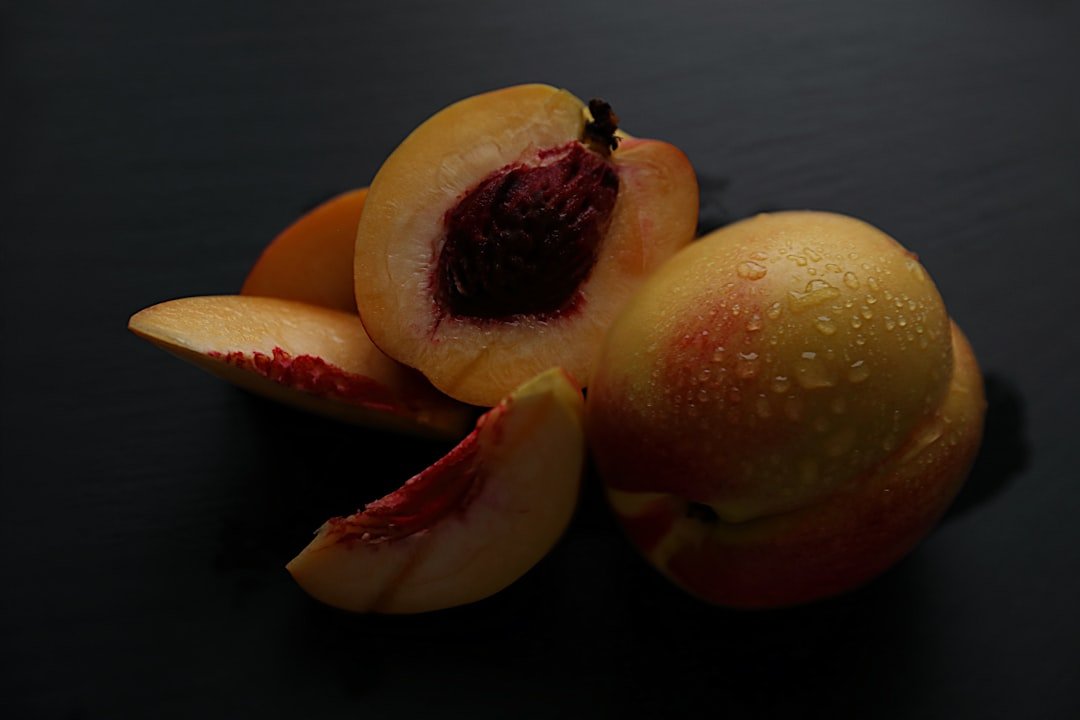
The loquat, scientifically known as Eriobotrya japonica, is a unique fruit-bearing tree that has captured the attention of horticulturists and culinary enthusiasts alike. Originating from subtropical and mild-temperate regions, the loquat tree is celebrated for its fragrant flowers and sweet, tangy fruit. The loquat fruit, often described as a cross between a peach and a citrus, boasts a golden-yellow hue and a smooth, velvety skin.
Its flavor profile is complex, offering a delightful balance of sweetness and acidity that makes it a favorite among those who have had the pleasure of tasting it. The loquat tree itself is an evergreen, typically growing to heights of 10 to 30 feet. Its glossy, dark green leaves can reach lengths of up to 12 inches, providing a lush backdrop for the clusters of white or pale yellow flowers that bloom in spring.
These flowers are not only visually appealing but also emit a sweet fragrance that attracts pollinators. The fruit matures in late spring to early summer, making it a seasonal delight that is often eagerly anticipated by fruit lovers.
Key Takeaways
- Loquat flower and fruit are popular in culinary uses due to their sweet and tangy flavor.
- The loquat tree is native to southeastern China and has a long history of cultivation.
- The fruit is rich in vitamins, minerals, and antioxidants, making it beneficial for health.
- Loquat trees require well-drained soil and full sun for optimal growth and fruit production.
- The versatility of loquat flower and fruit is evident in its use in traditional medicine, art, and culture around the world.
The History and Origin of Loquat
The loquat has a rich history that dates back thousands of years. Native to southeastern China, it has been cultivated for over 1,000 years, with references to its cultivation found in ancient Chinese texts. The fruit was highly regarded in Chinese culture, not only for its taste but also for its medicinal properties.
From China, the loquat spread to Japan, where it became an integral part of the local agriculture and cuisine. The Japanese have developed numerous cultivars, enhancing the fruit’s popularity and diversity. As trade routes expanded, the loquat made its way to other parts of the world.
By the 18th century, it had reached Europe, where it was introduced to Mediterranean countries such as Spain and Italy. The climate in these regions proved conducive to loquat cultivation, allowing the tree to thrive and produce abundant fruit. Eventually, the loquat found its way to the Americas, particularly in California, where it is now widely grown.
This journey across continents highlights the adaptability of the loquat tree and its ability to flourish in various climates.
The Botanical Characteristics of Loquat
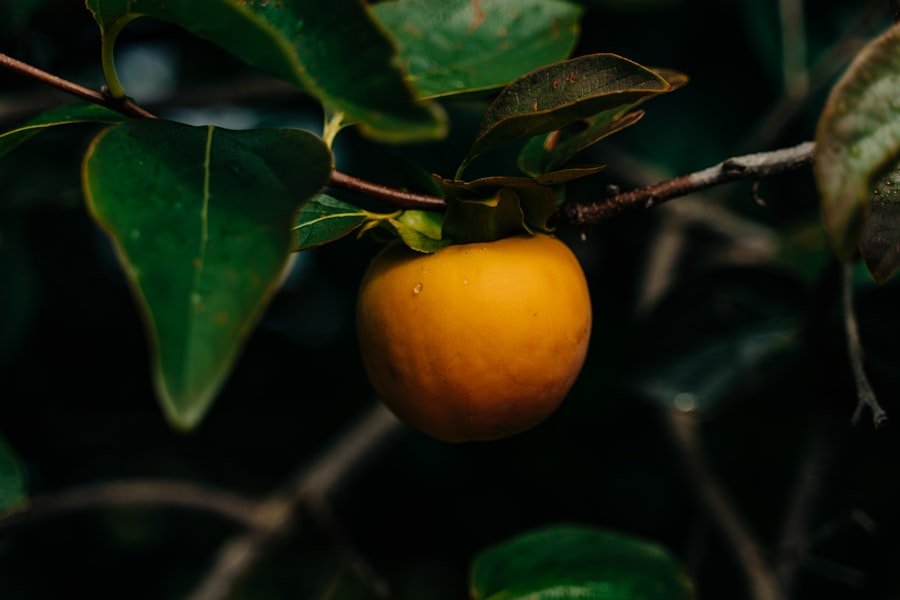
Botanically classified under the Rosaceae family, the loquat tree exhibits several distinctive characteristics that set it apart from other fruit-bearing trees. The leaves are large, leathery, and elliptical in shape, with a prominent midrib and serrated edges. They are dark green on the upper surface and lighter underneath, providing an attractive contrast that enhances the tree’s ornamental value.
The flowers are borne in clusters known as racemes and typically bloom in late winter to early spring. Each flower has five petals and numerous stamens, contributing to their fragrant allure. The fruit itself is a pome, similar in structure to apples and pears.
It typically measures between 1 to 3 inches in diameter and contains several large seeds surrounded by juicy flesh. The skin of the loquat is smooth and can vary in color from yellow to orange or even reddish hues depending on the variety. The flesh is succulent and can be either sweet or slightly tart, depending on ripeness and cultivar.
The Health Benefits of Loquat Fruit
| Health Benefit | Description |
|---|---|
| Rich in Antioxidants | Loquat fruit contains high levels of antioxidants, which help protect the body from damage caused by free radicals. |
| High in Vitamin C | It is a good source of vitamin C, which is important for immune function and skin health. |
| May Aid Digestion | The fiber content in loquat fruit may help support healthy digestion and prevent constipation. |
| May Support Heart Health | Some studies suggest that the nutrients in loquat fruit may help lower cholesterol levels and support heart health. |
| May Have Anti-Inflammatory Properties | Compounds in loquat fruit may have anti-inflammatory effects, which could benefit conditions like arthritis. |
Loquat fruit is not only delicious but also packed with numerous health benefits that make it a valuable addition to any diet. Rich in vitamins A and C, loquats are known for their antioxidant properties, which help combat oxidative stress in the body. Vitamin A is essential for maintaining healthy vision and skin, while vitamin C plays a crucial role in boosting the immune system and promoting collagen production.
In addition to vitamins, loquats are a good source of dietary fiber, which aids in digestion and helps maintain healthy cholesterol levels. The fiber content can also contribute to feelings of fullness, making loquats a satisfying snack option for those looking to manage their weight. Furthermore, loquats contain various phytochemicals that have been studied for their potential anti-inflammatory and anti-cancer properties.
These compounds may help reduce the risk of chronic diseases such as heart disease and certain types of cancer.
How to Grow and Care for Loquat Trees
Growing loquat trees can be a rewarding endeavor for both novice and experienced gardeners. These trees thrive in well-drained soil with good organic content and prefer full sun exposure for optimal growth. While they can tolerate a range of soil types, sandy or loamy soils are ideal for promoting healthy root development.
When planting a loquat tree, it is essential to choose a location that provides ample space for its mature size, as these trees can spread quite wide. Care for loquat trees involves regular watering during dry spells, especially when they are young and establishing their root systems. Once established, they are relatively drought-tolerant but will benefit from consistent moisture during fruit development.
Pruning is also an important aspect of care; removing dead or overcrowded branches helps improve air circulation and sunlight penetration within the canopy. Fertilizing with a balanced fertilizer during the growing season can enhance fruit production and overall tree health.
Loquat Flower and Fruit in Culinary Uses
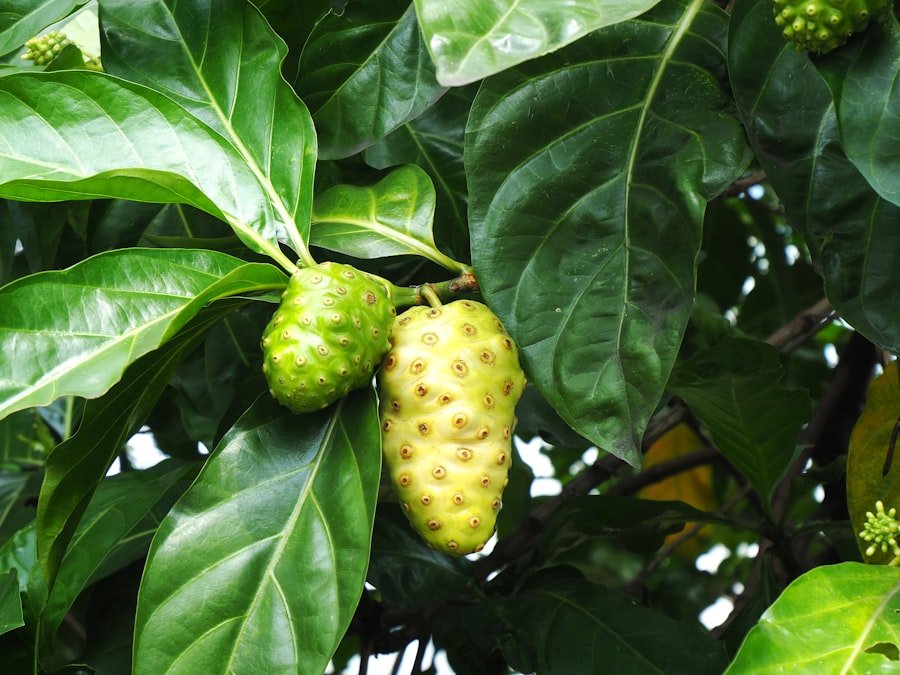
The culinary versatility of loquat fruit is one of its most appealing attributes. In many cultures, loquats are enjoyed fresh as a snack or dessert due to their sweet flavor and juicy texture. They can be eaten raw or added to fruit salads for a burst of color and flavor.
Additionally, loquats can be used in smoothies or blended into sauces for drizzling over pancakes or waffles. Beyond fresh consumption, loquats lend themselves well to cooking and baking applications. They can be made into jams, jellies, or preserves that capture their unique flavor profile.
In some regions, loquats are used in savory dishes as well; they can be incorporated into stir-fries or used as a glaze for meats due to their natural sweetness. Loquat fruit can also be dried for use in trail mixes or as a topping for cereals and yogurt.
Harvesting and Storing Loquat Fruit
Harvesting loquats requires careful timing to ensure optimal flavor and texture. The fruit typically ripens in late spring to early summer; however, this can vary based on local climate conditions. When harvesting, it is best to pick the fruit when it has turned a deep golden color and yields slightly to gentle pressure.
Using scissors or pruning shears can help avoid damaging the delicate fruit or branches. Once harvested, loquats should be handled with care due to their perishable nature. They can be stored at room temperature for a few days if they are not fully ripe; however, once ripe, they should be refrigerated to extend their shelf life.
Proper storage conditions can help maintain their flavor and texture for up to a week or more. For longer preservation, loquats can be frozen or processed into jams or jellies.
Loquat Flower and Fruit in Traditional Medicine
In traditional medicine practices across various cultures, loquat leaves and fruit have been utilized for their therapeutic properties. In Chinese herbal medicine, loquat leaves are often brewed into teas believed to alleviate coughs and soothe respiratory ailments due to their expectorant qualities. The leaves contain compounds that may help reduce inflammation in the throat and lungs.
Additionally, loquat fruit has been used in folk remedies for digestive issues such as diarrhea or indigestion. The high fiber content aids digestion while providing soothing effects on the gastrointestinal tract. Some cultures also use loquat extracts for their potential anti-diabetic properties; studies suggest that certain compounds found in loquats may help regulate blood sugar levels.
Loquat Flower and Fruit in Art and Culture
The aesthetic appeal of loquat flowers and fruit has inspired artists and cultural expressions throughout history. In traditional Japanese art, loquat trees are often depicted in paintings and prints during their blooming season as symbols of beauty and transience. The delicate white flowers against lush green foliage create striking visual contrasts that resonate with themes of nature’s fleeting beauty.
In literature, loquats have been referenced as symbols of abundance and prosperity due to their fruitful nature. Their presence in gardens often signifies care and cultivation, reflecting human connection with nature. Additionally, festivals celebrating local harvests may feature loquats prominently as part of cultural traditions that honor seasonal bounty.
Loquat Flower and Fruit in Different Regions of the World
The cultivation of loquats has spread across various regions globally, each adapting the fruit into local cuisines and agricultural practices. In Japan, where the fruit is known as “biwa,” it holds cultural significance; festivals celebrating its harvest often include traditional music and dance performances that highlight its importance in local agriculture. In Mediterranean countries like Spain and Italy, loquats are commonly used in desserts such as tarts or pastries filled with sweetened fruit mixtures.
In California, where they have become popular among home gardeners, loquats are often featured in farmers’ markets alongside other seasonal fruits like strawberries and cherries. In Brazil, loquats are appreciated not only for their flavor but also for their ornamental value; they are frequently planted in gardens for their attractive foliage and fragrant flowers. This adaptability across different climates showcases the global appreciation for this unique fruit.
The Versatility of Loquat Flower and Fruit
The loquat flower and fruit exemplify versatility across culinary applications, health benefits, cultural significance, and agricultural practices worldwide. From its rich historical roots in China to its modern-day popularity across continents, the loquat continues to enchant those who encounter it—whether through its delightful taste or its ornamental beauty in gardens. As interest grows in sustainable gardening practices and diverse culinary experiences, the loquat stands out as an exceptional choice for both home gardeners and food enthusiasts alike.
FAQs
What is a loquat tree?
A loquat tree is a fruit-bearing tree native to southeastern China. It belongs to the Rosaceae family and produces small, yellow-orange fruits.
What do loquat flowers look like?
Loquat flowers are small, white, and fragrant. They typically bloom in clusters and have five petals.
How do loquat flowers turn into fruit?
After the flowers are pollinated, they develop into small green fruits. Over time, the fruits grow and ripen, eventually turning yellow-orange when they are ready to be harvested.
What is the taste of loquat fruit?
Loquat fruit has a sweet and slightly tangy flavor, similar to a combination of peach and citrus fruits.
When is loquat fruit in season?
The loquat fruit typically ripens and is ready for harvest in the spring or early summer, depending on the specific climate and growing conditions.
Are loquat flowers and fruit edible?
Both loquat flowers and fruit are edible. The flowers can be used to make tea, while the fruit can be eaten fresh or used in various culinary applications, such as jams, jellies, and desserts.
How do you care for a loquat tree?
Loquat trees require well-drained soil, regular watering, and full sun to thrive. Pruning and fertilizing the tree can also help promote healthy growth and fruit production.