Growing bags have emerged as a popular solution for cultivating strawberries, particularly in urban settings where space is limited. These bags offer a versatile and efficient way to grow strawberries, allowing gardeners to maximize their yield while minimizing the challenges associated with traditional gardening methods. The concept of using growing bags is rooted in the principles of container gardening, which provides an ideal environment for strawberries to thrive.
With the right conditions, strawberries can flourish in these bags, producing sweet, juicy fruits that are often more flavorful than those grown in conventional soil.
They are lightweight, portable, and can be placed on patios, balconies, or even rooftops, making them accessible to a wide range of gardeners.
Additionally, growing bags can help mitigate common issues such as soil compaction and poor drainage, which are often detrimental to strawberry plants. By providing a controlled environment, these bags allow for better management of soil quality and moisture levels, ultimately leading to healthier plants and more abundant harvests.
Key Takeaways
- Growing bags are a convenient and space-saving option for growing strawberries, especially for those with limited garden space.
- When selecting growing bags for strawberries, it is important to choose a size that allows for proper root development and drainage.
- Before planting, prepare the growing bags by filling them with a well-draining, nutrient-rich soil mix and adding a layer of mulch on top.
- Plant and care for strawberries in growing bags by ensuring they receive adequate sunlight, water, and regular fertilization.
- Maximize yield by properly watering and fertilizing strawberries in growing bags, ensuring they have the nutrients and moisture they need to thrive.
Selecting the Right Growing Bags for Strawberries
When it comes to selecting the right growing bags for strawberries, several factors must be considered to ensure optimal growth conditions. First and foremost, the size of the bag is crucial. A bag that is too small may restrict root development, while one that is too large can lead to overwatering and nutrient dilution.
Generally, a growing bag with a capacity of 5 to 10 gallons is ideal for strawberry plants, as it provides ample space for roots to spread while maintaining manageable moisture levels. Material is another important consideration when choosing growing bags. Common materials include fabric, plastic, and biodegradable options.
Fabric bags are particularly popular due to their breathability, which allows for better aeration and drainage. This is essential for strawberries, as they are prone to root rot if left in overly saturated conditions. Plastic bags, while less breathable, can be effective if they have adequate drainage holes.
Biodegradable bags offer an eco-friendly alternative but may not last as long as their plastic or fabric counterparts. Ultimately, the choice of material should align with the gardener’s preferences and environmental considerations.
Preparing the Growing Bags for Planting
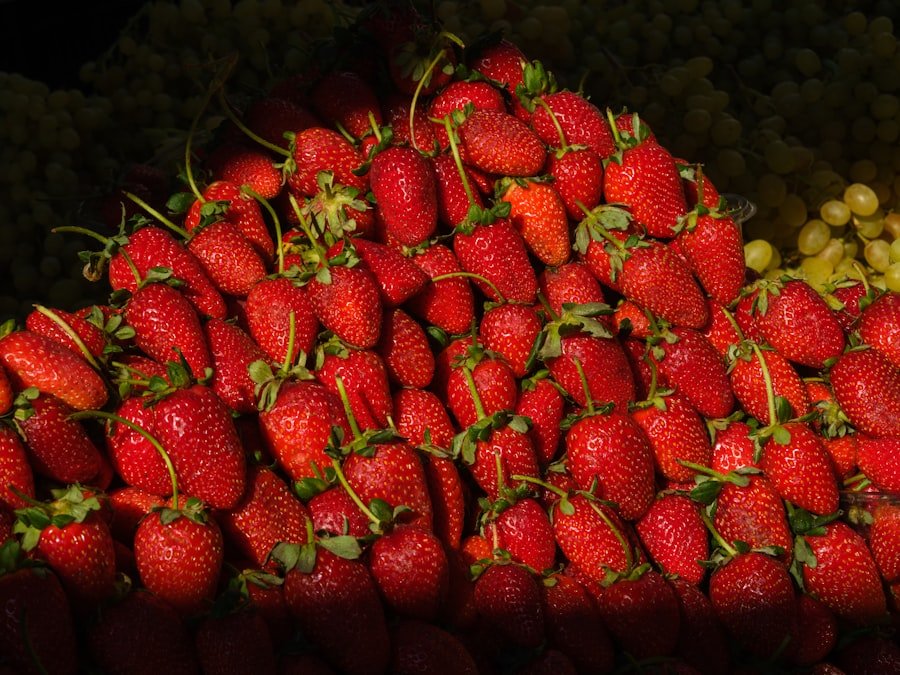
Before planting strawberries in growing bags, proper preparation is essential to create an optimal environment for growth. Start by selecting a high-quality potting mix that is well-draining and rich in organic matter. A mix specifically formulated for container gardening is often ideal, as it typically contains components like peat moss, perlite, and compost that promote healthy root development.
Avoid using garden soil directly, as it can compact in the bag and lead to poor drainage. Once the potting mix is selected, fill the growing bags about three-quarters full with the soil mixture. It’s important to leave some space at the top to allow for watering without overflow.
After filling the bags, gently tap them on a flat surface to settle the soil and eliminate any air pockets. This step ensures that the roots will have good contact with the soil once planted. Additionally, consider adding a slow-release fertilizer to the mix at this stage to provide essential nutrients as the plants establish themselves.
Planting and Caring for Strawberries in Growing Bags
| Metrics | Values |
|---|---|
| Bag Size | 20 inches x 10 inches x 8 inches |
| Soil pH | 5.5 to 6.5 |
| Sunlight | 6 to 8 hours per day |
| Watering | Regularly, keeping soil moist but not waterlogged |
| Fertilization | Every 2 weeks with balanced fertilizer |
| Temperature | 60°F to 80°F |
Planting strawberries in growing bags requires careful attention to spacing and depth to ensure healthy growth. When placing strawberry plants into the prepared bags, it’s important to position them so that the crown—the part where the roots meet the stem—is level with the soil surface. This prevents issues such as crown rot and encourages robust growth.
Depending on the variety of strawberries being planted, spacing can vary; however, a general guideline is to plant them about 12 inches apart to allow for adequate airflow and sunlight penetration. After planting, caring for strawberries in growing bags involves regular monitoring of moisture levels and environmental conditions. Strawberries prefer consistently moist soil but are sensitive to overwatering.
A good practice is to check the moisture level by inserting a finger into the soil; if it feels dry an inch below the surface, it’s time to water. Drip irrigation systems or self-watering bags can be beneficial for maintaining consistent moisture levels without waterlogging the roots. Additionally, providing adequate sunlight—at least six hours per day—is crucial for fruit development and overall plant health.
Maximizing Yield with Proper Watering and Fertilization
To maximize yield from strawberry plants grown in bags, proper watering and fertilization practices are paramount. Strawberries require regular watering, especially during flowering and fruiting stages when their water needs increase significantly. A consistent watering schedule helps prevent stress on the plants, which can lead to poor fruit set or smaller berries.
It’s advisable to water early in the morning or late in the afternoon to minimize evaporation losses and allow plants to absorb moisture effectively. Fertilization plays a critical role in ensuring that strawberry plants receive the nutrients they need throughout their growth cycle. A balanced fertilizer with equal parts nitrogen, phosphorus, and potassium (N-P-K) is ideal during the early stages of growth.
As plants begin to flower and set fruit, switching to a fertilizer higher in potassium can enhance fruit quality and size. Organic options such as fish emulsion or seaweed extract can also be beneficial, providing micronutrients that synthetic fertilizers may lack. Regularly monitoring plant health and adjusting fertilization based on growth stages will help achieve optimal yields.
Pest and Disease Management in Growing Bags
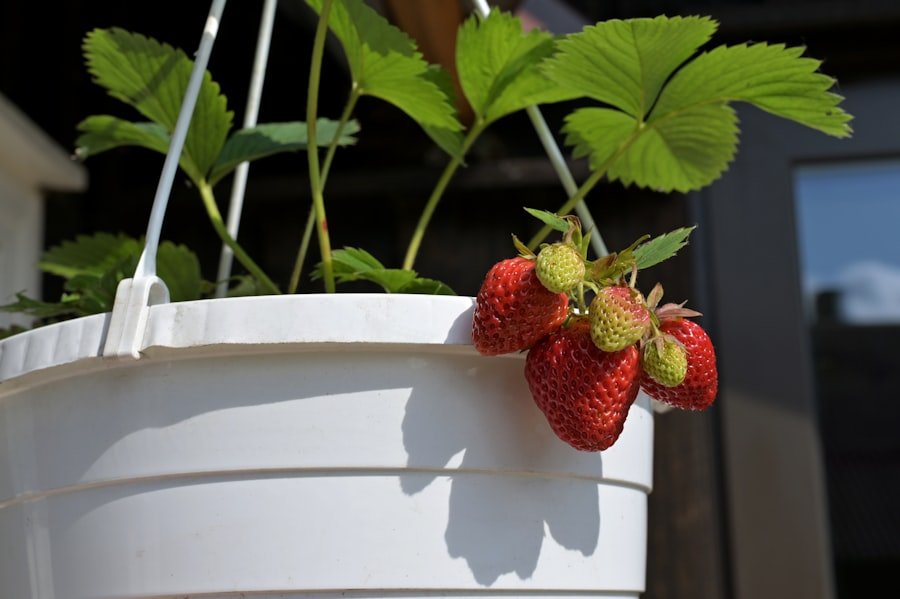
Growing strawberries in bags can reduce some pest pressures commonly associated with traditional gardening; however, vigilance is still necessary to manage potential threats effectively. Common pests that may affect strawberry plants include aphids, spider mites, and slugs. Regularly inspecting plants for signs of infestation—such as discolored leaves or visible insects—can help catch problems early.
Introducing beneficial insects like ladybugs or using insecticidal soap can provide effective control without harming beneficial organisms. Diseases such as powdery mildew and root rot can also pose challenges when growing strawberries in bags. To prevent powdery mildew, ensure adequate airflow around plants by avoiding overcrowding and pruning any excessive foliage.
If symptoms appear, applying fungicidal treatments or organic solutions like baking soda mixed with water can help manage outbreaks. Root rot can be mitigated by ensuring proper drainage within the growing bags; if plants show signs of wilting despite adequate watering, it may indicate root rot due to poor drainage or overwatering.
Harvesting and Pruning Techniques for Growing Bag Strawberries
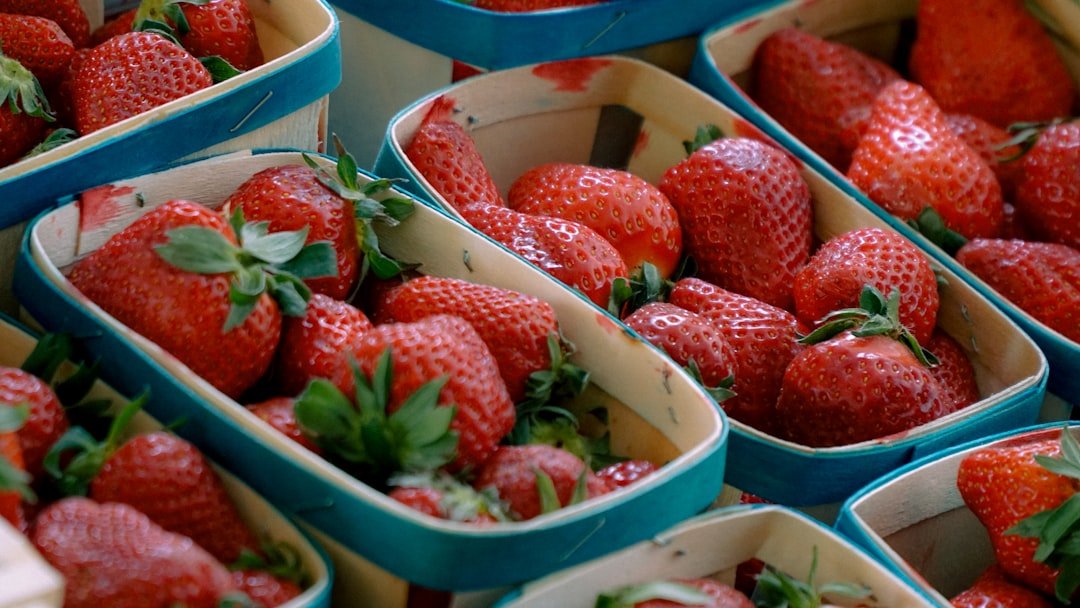
Harvesting strawberries at the right time is crucial for enjoying their peak flavor and sweetness. Strawberries should be picked when they are fully colored—typically bright red—and slightly firm to the touch. It’s important to handle them gently during harvesting to avoid bruising; using scissors or garden shears can help detach the fruit cleanly from the plant without damaging it or its surrounding foliage.
Regular harvesting encourages continued fruit production throughout the season; therefore, checking plants every few days during peak season is advisable. Pruning is another essential practice that contributes to healthy growth and fruit production in strawberry plants grown in bags. After harvesting has concluded for the season, it’s beneficial to remove any dead or diseased leaves and runners that may have developed during growth.
This not only improves air circulation but also directs energy back into the plant for stronger growth in subsequent seasons. For everbearing varieties, light pruning throughout the growing season can help maintain plant vigor and encourage more robust fruiting.
Tips for Reusing Growing Bags and Maintaining Soil Health
Reusing growing bags can be an environmentally friendly practice that also saves costs for gardeners looking to cultivate strawberries year after year. After harvesting strawberries from growing bags, it’s essential to clean them thoroughly before storage or reuse. Rinsing them with a mixture of water and mild soap can help remove any residual soil or pathogens that may linger from previous crops.
For fabric bags, consider soaking them in a diluted bleach solution (one part bleach to ten parts water) before rinsing thoroughly; this helps eliminate any potential disease-causing organisms. Maintaining soil health within growing bags is vital for long-term success in strawberry cultivation. Over time, soil can become depleted of nutrients due to continuous cropping; therefore, incorporating organic matter such as compost or well-rotted manure into the soil mix before replanting can rejuvenate its nutrient content.
Additionally, rotating crops within growing bags—such as alternating between strawberries and other crops like herbs or vegetables—can help break pest cycles and improve overall soil health by diversifying nutrient uptake patterns. By following these guidelines on selecting appropriate growing bags, preparing them effectively, caring for strawberry plants diligently, managing pests and diseases proactively, harvesting wisely, and maintaining soil health through reuse practices, gardeners can enjoy bountiful strawberry harvests year after year while contributing positively to their gardening environment.
FAQs
What are strawberry growing bags?
Strawberry growing bags are specialized containers designed for growing strawberries. They are typically made of durable, breathable material and have pockets or openings for planting strawberry plants.
How do strawberry growing bags work?
Strawberry growing bags provide a controlled environment for strawberry plants to grow. The breathable material allows for proper aeration and drainage, while the pockets or openings provide space for planting the strawberry plants.
What are the benefits of using strawberry growing bags?
Using strawberry growing bags can help maximize space, as they can be hung or placed in various locations. They also provide better control over soil quality and moisture levels, and can help prevent pests and diseases.
How do you plant strawberries in growing bags?
To plant strawberries in growing bags, fill the bags with a high-quality potting mix, then plant the strawberry plants in the pockets or openings. Water the plants regularly and provide them with adequate sunlight.
Can strawberry growing bags be reused?
Yes, strawberry growing bags can be reused for multiple growing seasons. After harvesting the strawberries, the bags can be emptied, cleaned, and stored for future use.
What are some tips for growing strawberries in bags?
Some tips for growing strawberries in bags include choosing a sunny location, watering the plants regularly, fertilizing as needed, and monitoring for pests and diseases. It’s also important to prune the plants and remove runners to encourage fruit production.