Purple potatoes, with their striking hue and unique flavor profile, have gained popularity among home gardeners and culinary enthusiasts alike. These tubers are not only visually appealing but also offer a delightful twist on traditional potato varieties. Their vibrant color is attributed to anthocyanins, powerful antioxidants that contribute to their health benefits.
As more people become aware of the nutritional advantages and culinary versatility of purple potatoes, they are increasingly being incorporated into various dishes, from salads to gourmet entrees.
Today, they are grown in various parts of the world, including North America and Europe.
The resurgence of interest in heirloom varieties has led to a renewed appreciation for these colorful tubers, which not only add aesthetic value to meals but also provide a rich source of nutrients. As we delve deeper into the cultivation and culinary uses of purple potatoes, it becomes clear that they are more than just a pretty addition to the plate; they are a testament to the diversity and richness of agricultural heritage.
Key Takeaways
- Purple potatoes are a unique and colorful variety of potatoes that offer a range of health benefits and culinary possibilities.
- When choosing the right variety of purple potatoes, consider factors such as size, flavor, and texture to suit your preferences and cooking needs.
- Preparing the soil for planting purple potatoes involves ensuring proper drainage, adding organic matter, and maintaining a slightly acidic pH level.
- Planting and caring for purple potatoes requires regular watering, hilling the soil, and protecting the plants from pests and diseases.
- Harvesting and storing purple potatoes should be done carefully to preserve their flavor and nutritional value, and they can be enjoyed in a variety of delicious recipes.
Choosing the Right Variety of Purple Potatoes
When it comes to selecting the right variety of purple potatoes for your garden or kitchen, there are several options to consider. Some popular varieties include Purple Majesty, Adirondack Blue, and Purple Peruvian. Each of these types has its own unique characteristics, flavor profiles, and growing requirements.
For instance, Purple Majesty is known for its high antioxidant content and creamy texture, making it an excellent choice for mashing or roasting. On the other hand, Adirondack Blue boasts a slightly nutty flavor and is often favored for its striking color when sliced. In addition to flavor and texture, it’s essential to consider the growing conditions for each variety.
Some purple potatoes thrive in cooler climates, while others may be more adaptable to warmer regions. Understanding your local climate and soil conditions can help you make an informed decision about which variety will flourish in your garden. Furthermore, sourcing seed potatoes from reputable suppliers ensures that you are planting healthy stock that is free from disease.
By carefully selecting the right variety based on your culinary preferences and growing conditions, you can set yourself up for a successful harvest.
Preparing the Soil for Planting
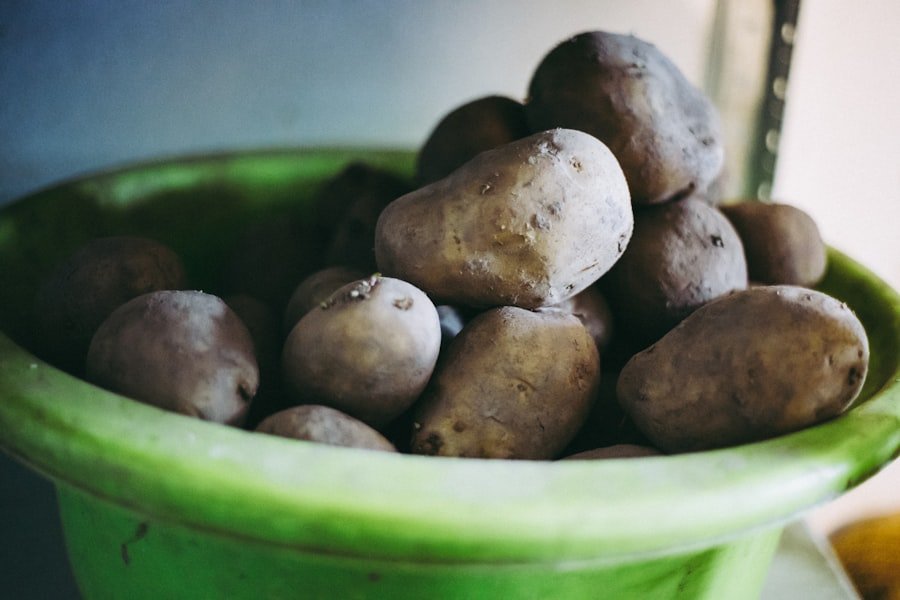
Preparing the soil is a crucial step in cultivating healthy purple potatoes.
Before planting, it is advisable to conduct a soil test to determine pH levels and nutrient content.
Ideally, purple potatoes thrive in slightly acidic to neutral soil with a pH range of 5.5 to 7.0. If your soil is too acidic or alkaline, amendments such as lime or sulfur can be added to achieve the desired pH balance. Incorporating organic matter into the soil is also beneficial for promoting healthy growth.
This can be achieved by adding compost or well-rotted manure to enrich the soil with essential nutrients. Additionally, tilling the soil to a depth of at least 12 inches helps improve aeration and drainage, which are vital for root development. Once the soil is prepared, it is important to create raised beds or mounds to further enhance drainage and prevent waterlogging, which can lead to rot and other diseases.
By taking the time to prepare your soil properly, you lay the foundation for a bountiful harvest of vibrant purple potatoes.
Planting and Caring for Purple Potatoes
| Stage | Activity | Timeframe |
|---|---|---|
| Preparation | Soil preparation | Early spring |
| Planting | Planting purple potato seeds | Mid to late spring |
| Caring | Watering and fertilizing | Throughout growing season |
| Harvesting | Digging up potatoes | Late summer to early fall |
Planting purple potatoes typically occurs in early spring when the soil temperature reaches around 45°F (7°C). Seed potatoes should be cut into pieces, each containing at least one eye, and allowed to cure for a day or two before planting. This curing process helps to form a protective callus over the cut surface, reducing the risk of rot once planted.
When planting, bury the seed pieces about 4 inches deep and space them approximately 12 inches apart in rows that are 2-3 feet apart. Once planted, caring for purple potatoes involves regular monitoring for moisture levels and pests. These tubers require consistent watering, especially during dry spells; however, overwatering should be avoided as it can lead to disease issues.
Mulching around the plants can help retain moisture and suppress weeds, which compete for nutrients. As the plants grow, hilling soil around the base of the stems encourages tuber development and protects them from sunlight exposure, which can cause greening and bitterness. Regularly checking for pests such as aphids or Colorado potato beetles is also essential; early intervention can prevent significant damage to your crop.
Harvesting and Storing Purple Potatoes
Harvesting purple potatoes is an exciting time for gardeners, as it marks the culmination of months of care and attention. Typically, these tubers are ready for harvest about 90-120 days after planting, depending on the variety and growing conditions. Signs that your purple potatoes are ready include yellowing foliage and wilting stems.
To harvest, gently loosen the soil around the plants using a garden fork or spade, taking care not to damage the tubers themselves. Once harvested, proper storage is crucial to maintain the quality of your purple potatoes. They should be cured in a cool, dark place with good ventilation for about two weeks; this process allows their skins to toughen up and helps prevent rot during storage.
After curing, store them in a cool (ideally between 45°F and 50°F), dark location such as a root cellar or a basement. Avoid storing them in plastic bags; instead, use burlap sacks or cardboard boxes that allow for air circulation. When stored correctly, purple potatoes can last several months without losing their flavor or nutritional value.
Cooking and Eating Purple Potatoes
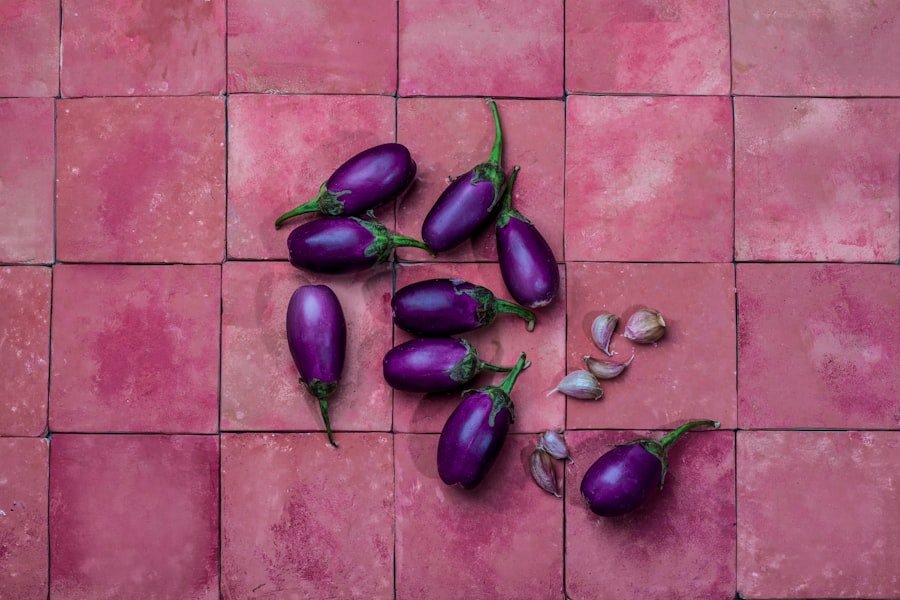
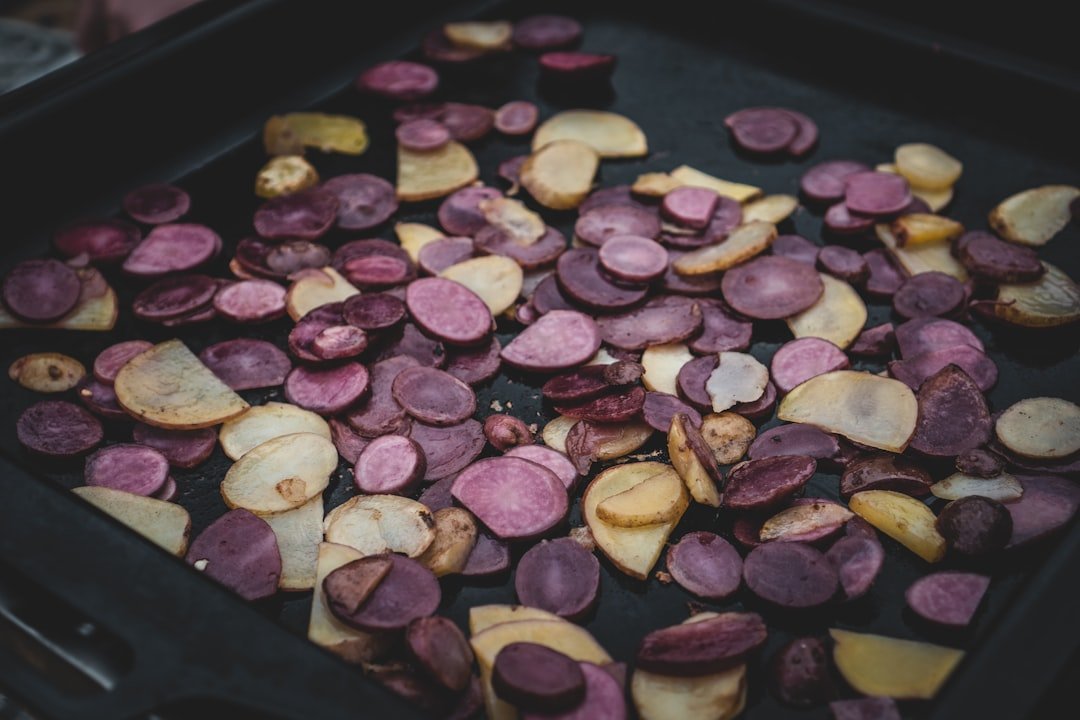
The culinary versatility of purple potatoes makes them an exciting ingredient in various dishes. Their vibrant color adds visual appeal to meals, making them an excellent choice for salads, side dishes, or even as a main course component. One popular way to prepare purple potatoes is by roasting them with olive oil, garlic, and herbs; this method enhances their natural sweetness while creating a crispy exterior.
Additionally, they can be boiled or steamed and then mashed with butter and cream for a colorful twist on traditional mashed potatoes. Beyond their aesthetic appeal, purple potatoes can also be used in innovative recipes that highlight their unique flavor profile. For instance, they can be incorporated into soups or stews where their color can infuse the broth with a beautiful hue.
Another creative approach is to slice them thinly and use them as a base for homemade chips; when baked until crispy, they make a nutritious snack that stands out on any platter. The possibilities are endless when it comes to cooking with purple potatoes; their distinct taste and texture invite experimentation in both traditional and contemporary cuisine.
Health Benefits of Purple Potatoes
Purple potatoes are not just visually stunning; they also pack a nutritional punch that contributes to overall health. One of their most notable health benefits comes from their high levels of anthocyanins—antioxidants that have been linked to various health benefits such as reducing inflammation and improving heart health. Studies have shown that these compounds may help lower blood pressure and cholesterol levels while promoting better circulation.
In addition to antioxidants, purple potatoes are an excellent source of vitamins and minerals essential for maintaining good health. They contain significant amounts of vitamin C, which supports immune function and skin health, as well as potassium, which plays a vital role in regulating blood pressure and muscle function. Furthermore, their fiber content aids digestion and promotes gut health by supporting beneficial bacteria in the digestive tract.
Incorporating purple potatoes into your diet not only adds color but also enhances nutritional intake in a delicious way.
Enjoying the Beauty and Flavor of Purple Potatoes
The allure of purple potatoes extends beyond their captivating appearance; they represent a rich agricultural heritage while offering numerous culinary possibilities and health benefits. From selecting the right variety to mastering cultivation techniques and exploring innovative recipes, engaging with purple potatoes can be a rewarding experience for both novice gardeners and seasoned chefs alike. Their unique flavor profile invites creativity in the kitchen while their nutritional advantages contribute positively to overall well-being.
As more people discover the joys of growing and cooking with purple potatoes, they become an integral part of modern cuisine that celebrates diversity in both flavor and nutrition. Whether enjoyed roasted alongside other seasonal vegetables or featured prominently in vibrant salads, these tubers remind us that food can be both beautiful and nourishing. Embracing purple potatoes not only enhances our meals but also connects us with a broader narrative about sustainable agriculture and culinary exploration.
FAQs
What are purple potatoes?
Purple potatoes are a type of potato with a deep purple skin and flesh. They are rich in antioxidants and have a slightly nutty flavor.
Can purple potatoes be planted?
Yes, purple potatoes can be planted just like regular potatoes. They can be grown in the ground or in containers, and require well-drained soil and plenty of sunlight.
When is the best time to plant purple potatoes?
The best time to plant purple potatoes is in the early spring, once the soil has warmed up and there is no longer a risk of frost.
How do you plant purple potatoes?
To plant purple potatoes, cut the potatoes into pieces with at least one eye per piece. Plant the pieces in the soil, eye side up, and cover with a few inches of soil. As the plants grow, continue to mound soil around the base of the plants to encourage more tuber growth.
How long does it take for purple potatoes to grow?
Purple potatoes typically take about 90-120 days to reach maturity. The exact timing will depend on the specific variety and growing conditions.
Are purple potatoes easy to grow?
Purple potatoes are relatively easy to grow, as long as they are given the right growing conditions. They require well-drained soil, plenty of sunlight, and regular watering.
What are the benefits of planting purple potatoes?
Planting purple potatoes can provide a source of fresh, nutritious food. They are also a good source of antioxidants and can add variety to a home garden.