Yard long bean seeds grow into vigorous, heat-loving climbing vines that produce exceptionally long edible pods. Also called Chinese long beans, asparagus beans, or snake beans, they belong to Vigna unguiculata and are more closely related to cowpeas than common green beans. Success depends mainly on warm soil, full sun, strong support, steady moisture, and harvesting the pods while they are still young and tender.
Quick Answer
Plant yard long bean seeds after frost danger has passed and the soil is warm. Sow 1–2 inches deep, give the vines full sun and a sturdy trellis, and keep soil evenly moist without waterlogging. In warm conditions, harvest tender pods before the seeds swell, often about 40–70 days after sowing.
At a Glance
| Time Required | About 40–70 days from sowing to the first tender-pod harvest in warm conditions |
| Tools Needed | A sturdy trellis or poles plus a watering can or hose |
According to the University of Florida IFAS long bean guide, the crop handles heat well but is sensitive to cold, frost, and waterlogged soil. Raw yardlong beans also provide protein, vitamin C, folate, vitamin A, magnesium, phosphorus, and potassium.
Choosing Yard Long Bean Seeds for Your Garden
Choose yard long bean seeds for your growing season, preferred pod color, and intended use. The most important requirement is enough warm weather for the vines to mature and keep producing before frost or cool autumn weather arrives.
Buy fresh seed from a reputable seed supplier and check the packet for its expected days to maturity. Some cultivars mature earlier than others, which matters in areas with short summers.
You will see both open-pollinated and hybrid seed sold for vegetable gardens. Open-pollinated varieties can generally produce seed with stable traits when properly isolated, while hybrids may not reproduce true to type in the next generation.
If you want to save seed, confirm the variety’s actual status rather than assuming that an old-fashioned name means it is an heirloom. Certification such as organic seed may also matter to you, but it does not by itself indicate better germination or suitability for your climate.
Understanding Different Varieties of Yard Long Beans
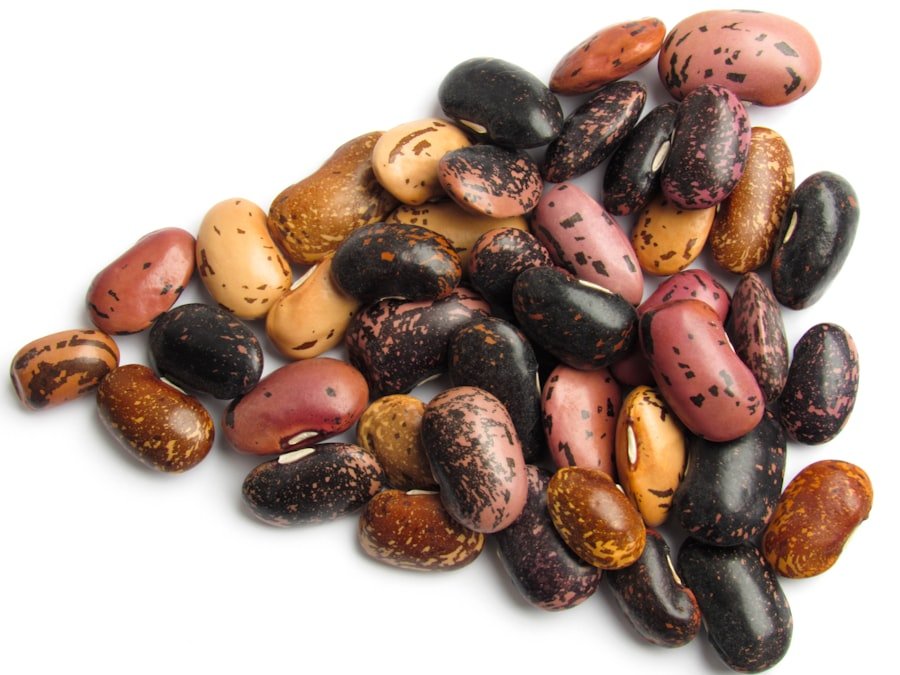
Yardlong beans are available with green, pale green, red-purple, or purple pods. Flavor and tenderness depend on the cultivar and harvest stage, so choose a variety for more than color alone.
Green-podded yardlong beans are widely used for stir-fries, curries, soups, and other cooked dishes. Mississippi State University recommends harvesting yardlong beans at about 10–18 inches for snap-bean use and lists Python as a dark-green yardlong variety with stringless 16–20-inch pods.
Red Noodle is a distinctive burgundy-red choice. Contrary to the common claim that it is a hybrid, Johnny’s Selected Seeds identifies Red Noodle as open-pollinated. Its pods are typically 16–20 inches long, and their burgundy color fades during cooking.
Purple-podded selections can provide similar visual interest. Whatever color you grow, judge harvest readiness by tenderness and seed development rather than waiting for the pod to reach its maximum possible length.
How to Plant and Care for Yard Long Beans
Plant yardlong beans only after frost danger has passed and the soil has warmed. Give them full sun, well-drained soil, dependable moisture, and a strong vertical support before the vines begin rapid growth.
| Yard Long Beans Care Tips | Details |
|---|---|
| Planting Time | After frost danger has passed and the soil has warmed |
| Sunlight | Full sun |
| Soil | Loose, well-drained soil; preferred pH about 5.5–7.5 |
| Watering | Water during dry periods; avoid waterlogged soil |
| Support | Provide a sturdy trellis or poles; tall vines may need about 7 feet of support |
| Fertilization | Avoid routine heavy nitrogen feeding; fertilize when soil fertility indicates a need |
| Pest Control | Inspect regularly for aphids, thrips, mites, and other bean pests |
| Harvesting | Pick young, tender pods before the seeds swell; roughly 10–18 inches is common for snap-bean use |
The USDA NRCS yardlong bean plant guide recommends a soil pH of about 5.5–7.5, full sun, warm soil, and a strong trellis. It also warns that overly nitrogen-rich soil can produce excessive leaf growth at the expense of beans.
- Prepare a sunny site. Choose loose, well-drained soil. Work in compost if the soil needs organic matter, but avoid turning the bed into an excessively nitrogen-rich planting area.
- Install the support first. These vines can grow 9–12 feet tall. A sturdy trellis around 7 feet high keeps the crop manageable while still giving the vines room to climb.
- Sow after the soil warms. Wait until frost danger has passed. Cold, wet soil can slow germination and increase the risk of seed failure.
- Plant at the proper depth. Sow about 1–2 inches deep. USDA guidance suggests the shallower end in heavier soil and the deeper end in loose, friable soil.
- Space the plants for airflow. With a row trellis, seeds can start about 3–4 inches apart and later be thinned to roughly 6–12 inches between plants.
- Water after planting and during dry spells. Keep the root zone from drying severely while avoiding standing water. Mulch can help slow moisture loss and suppress weeds.
- Train vines early. Guide young stems onto the trellis or poles as they lengthen. Once attached, the twining vines usually continue upward on their own.
Should You Soak Yard Long Bean Seeds Before Planting?
Routine soaking is not necessary. Although some gardening instructions recommend soaking bean seed for 24 hours, an Extension response on pre-soaking bean seeds advises against it because soaking can damage seed.
Instead, sow the seed into properly warmed soil and water the bed after planting. Consistent soil moisture, suitable planting depth, and warmth are more important than pre-soaking.
Do Yard Long Beans Need Fertilizer?
Yardlong beans are legumes and can form nitrogen-fixing root nodules with compatible Rhizobium bacteria. That means routine high-nitrogen feeding is usually unnecessary in reasonably fertile garden soil.
If your soil is nutrient-poor, base fertilizer on a soil test or local crop guidance rather than applying a balanced fertilizer every few weeks automatically. Too much nitrogen can create impressive vines with disappointing pod production.
Dealing With Common Pests and Diseases
Most problems are easier to control when you catch them early and keep the vines vigorous. Inspect the growing tips, flower clusters, leaf undersides, and developing pods whenever you harvest.
- Aphids: Colonies may gather on tender growth and pods. A strong stream of water can remove light infestations, while beneficial predators such as lady beetles and lacewings can help suppress them.
- Thrips: These tiny insects may attack plants early in the season. Watch flowers and young leaves for distorted or scarred growth.
- Mites: Mites can cause stippling, bronzing, or declining foliage, especially during stressful growing conditions.
- Powdery mildew: Hot, humid weather can favor the disease. Give vines adequate spacing and airflow and avoid keeping foliage unnecessarily wet.
- Waterlogging: Yardlong beans do not perform well in saturated ground. Improve drainage rather than trying to compensate with fertilizer.
Remove badly damaged leaves or pods when practical and keep the bed free of heavily diseased plant debris. If a pesticide becomes necessary, use only a product whose label includes the crop and target pest, and follow its harvest interval and application directions.
Harvesting and Storing Yard Long Beans
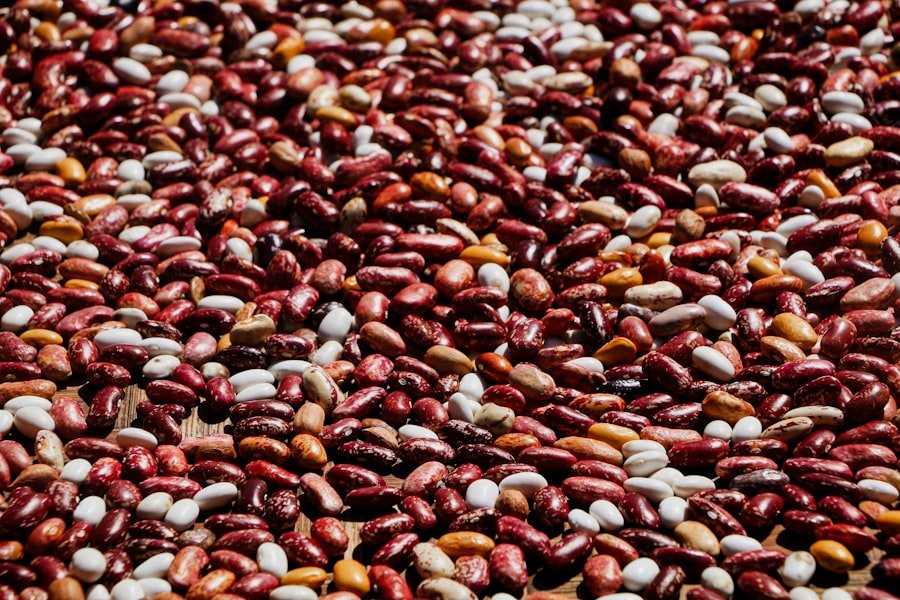
Harvest yardlong beans while the pods are slender, firm, and tender, before the seeds inside become swollen. Waiting for the beans to reach their maximum length usually produces a tougher, more fibrous pod.
Mississippi State Extension gives a practical fresh-use range of about 10–18 inches, while USDA guidance emphasizes pencil-thin pods with undeveloped seeds. The exact best length therefore varies by cultivar.
Once production starts, check the vines frequently. Pods grow rapidly in warm weather, and daily harvesting may be worthwhile at peak production. Regular picking also encourages the plant to continue setting pods instead of directing energy into mature seed.
How to Store Fresh Yard Long Beans
Fresh yardlong beans are best eaten soon after harvest. USDA guidance says they can keep for several days in a refrigerator, but their quality declines faster than that of many sturdier vegetables.
They are also sensitive to chilling. University of California postharvest research found that yardlong beans stored around 10°C to 12.5°C (50°F to 55°F) can retain marketable quality for roughly a week or longer under controlled conditions, while colder storage can cause chilling injury.
For home use, keep the pods dry, refrigerate them, and use them promptly. Discard beans that become slimy, moldy, badly shriveled, or decayed.
How to Freeze Yard Long Beans
Freezing is useful when the vines produce more beans than you can eat fresh. USDA notes that yardlong beans can be blanched and frozen.
For a practical home-freezing method, follow the National Center for Home Food Preservation method for green and snap beans: wash young tender pods, cut them into 2–4-inch lengths, water-blanch for 3 minutes, cool promptly, drain, package, and freeze.
Cooking and Enjoying Yard Long Beans
Yardlong beans have a firmer, denser texture than ordinary snap beans and hold up especially well to high-heat cooking. Trim the ends, cut the pods to the length your recipe needs, and cook until they reach the texture you prefer.
Stir-frying is one of the easiest methods because the pods remain pleasantly firm while absorbing sauces and aromatics. Garlic, ginger, chile, soy-based sauces, fermented bean sauces, coconut milk, and peanut-based sauces all work well with their mild bean flavor.
You can also steam, boil, braise, or grill them. Cooked and chilled pieces work well in salads, while whole or long sections make an attractive side dish or grilled skewer.
Yardlong beans also suit sambal-style stir-fries and other Southeast Asian dishes built around chile, aromatics, and savory sauces. Avoid overcooking unless you specifically want a softer texture.
The Benefits of Growing Yard Long Beans in Your Garden
Yardlong beans are especially useful for gardeners with hot summers because they tolerate heat better than many common snap beans. Their vertical growth also lets you produce a substantial crop without allowing vines to sprawl across the entire garden bed.
They can begin producing within roughly 40–70 days under favorable conditions, depending on location and cultivar. Once harvesting begins, frequent picking can extend production for weeks.
As legumes, yardlong beans can fix atmospheric nitrogen through bacteria living in root nodules. This reduces their need for heavy nitrogen fertilizer and makes excessive nitrogen feeding more likely to hurt pod production than help it.
The edible pods also provide vitamin C, folate, vitamin A, protein, magnesium, phosphorus, potassium, and other nutrients. With warm soil, strong support, and regular harvesting, yard long bean seeds can provide a dependable summer crop for stir-fries, curries, side dishes, and freezing.
Before planting, choose a variety suited to the length of your warm season and build the trellis first. That removes two of the most common obstacles before the vines begin their fastest growth.
Key Takeaways
- Plant yard long bean seeds only after frost danger has passed and the soil is warm.
- Use a sturdy trellis, full sun, well-drained soil, and roughly 6–12 inches of final plant spacing.
- Avoid routine heavy nitrogen fertilizer because it can favor vine growth over pod production.
- Harvest young pods before their seeds swell; about 10–18 inches is a useful fresh-eating range for many varieties.
- Red Noodle is an open-pollinated burgundy yardlong bean, not a hybrid.
Frequently Asked Questions
What are Chinese yard long beans?
Chinese yard long beans are climbing legumes grown for their long, slender edible pods. They are also called asparagus beans, snake beans, and long beans. They belong to Vigna unguiculata and are more closely related to cowpeas than to common green beans.
How do you grow Chinese yard long beans from seeds?
Sow yard long bean seeds directly after frost danger has passed and the soil has warmed. Plant them about 1–2 inches deep, provide full sun and a sturdy trellis, water after planting, and thin seedlings to roughly 6–12 inches apart once they are established.
When is the best time to plant Chinese yard long bean seeds?
Plant Chinese yard long bean seeds after the last frost, once the soil has warmed and consistently warm weather is arriving. They are cold-sensitive plants that perform best during hot weather, so planting too early into cold, wet soil can lead to slow growth or seed failure.
How long does it take for Chinese yard long beans to grow from seeds?
In warm growing conditions, yardlong beans may begin producing harvestable pods about 40–70 days after sowing, although cultivar and climate make a difference. Some individual varieties take longer. Once production begins, inspect the vines frequently because tender pods can lengthen very quickly.
Can Chinese yard long beans be grown in containers?
Yes, yardlong beans can grow in containers if the container drains well and gives the roots enough soil and moisture. The more important challenge is supporting the vigorous vines. Place the container beside a strong trellis or poles and keep the pot from drying excessively in hot weather.
Are Chinese yard long bean seeds easy to find?
Yes, yard long bean seeds are commonly sold by vegetable seed companies, specialty Asian vegetable suppliers, nurseries, and some garden centers. Look beyond the common name because packets may be labeled yardlong bean, Chinese long bean, asparagus bean, snake bean, or by a cultivar name such as Red Noodle.
Should I soak yard long bean seeds before planting?
No, routine pre-soaking is not necessary and can damage bean seed. Plant the seeds directly into warm soil at the correct depth, then water the bed. Warmth, suitable soil moisture, and good seed-to-soil contact are more dependable ways to support even germination.
Why aren’t my yard long beans producing many pods?
Excess nitrogen and cool growing conditions are two common reasons for vigorous vines with disappointing production. Make sure the plants receive full sun and warm weather, avoid unnecessary high-nitrogen fertilizer, maintain adequate moisture during dry periods, and keep harvesting young pods once production starts.
Sources
- University of Florida IFAS Extension: Yardlong bean identification, climate, harvest timing, and nutrition.
- USDA Natural Resources Conservation Service: Soil pH, sowing depth, spacing, trellising, nitrogen, harvest, storage, and pests.
- Mississippi State University Extension: Yardlong bean harvest length and cultivar information.
- Johnny’s Selected Seeds: Red Noodle open-pollinated status and pod characteristics.
- Ask Extension: University-based guidance on avoiding routine pre-soaking of bean seeds.
- University of California Agriculture and Natural Resources: Yardlong bean postharvest temperature and chilling research.
- National Center for Home Food Preservation: Green and snap bean freezing and blanching procedure used for the freezing guidance.