If you want to buy a curry leaf tree for cooking, look for a healthy, correctly labeled plant from a nursery or U.S.-based plant seller that understands agricultural shipping rules. The culinary curry leaf tree is Bergera koenigii, still widely sold under its older botanical name Murraya koenigii. It is a tropical or subtropical shrub or small tree with highly aromatic green leaves used across South Asian cuisines.
Quick Answer
If you want to buy a curry leaf tree in the U.S., start with a local tropical or South Asian nursery, then check reputable U.S.-based online plant sellers. Confirm the label says Bergera koenigii or Murraya koenigii, inspect for pests, and verify that the seller can legally ship the plant to your state before ordering.
Key Takeaways
- Do not buy a plant labeled only “curry plant” without checking the botanical name; an unrelated silver-leaved plant is also sold under that common name.
- Local nurseries are useful because you can inspect the plant before paying, while online nurseries usually provide more choice.
- Live curry leaf plants are subject to U.S. agricultural restrictions because the plant can host pests associated with citrus.
- A healthy specimen should have firm stems, clean foliage, active green growth, and no obvious insect infestation or severe leaf damage.
- In colder climates, growing curry leaf in a container makes winter protection much easier.
Make Sure You Are Buying the Culinary Curry Leaf Tree
The first step is confirming the plant’s identity. The Royal Botanic Gardens, Kew accepts Bergera koenigii as the current botanical name and lists Murraya koenigii as a synonym. Its native range extends from the Indian subcontinent through parts of Southeast Asia and China.
Many nurseries still use Murraya koenigii, so either name can identify the culinary plant. Its compound leaves contain multiple glossy green leaflets and release a strong aroma when crushed.
Do not confuse it with Helichrysum italicum, which the Royal Horticultural Society also calls “curry plant”. That species is a small Mediterranean plant with narrow, silvery-grey leaves. If a listing shows silver foliage instead of green compound leaves, verify the botanical name before buying.
You may also see regular, dwarf, or compact forms offered. If you plan to keep the tree in a pot, ask the seller which form you are receiving rather than choosing from a photo alone.
Local Nurseries and Garden Centers
Local nurseries are one of the best places to buy a curry leaf tree because you can examine the plant before bringing it home. Tropical-plant nurseries, edible-landscape nurseries, and garden centers serving South Asian communities are more likely to carry it than a general seasonal garden department.
Ask specifically for Bergera koenigii or Murraya koenigii. If staff recognize only the common name, check the plant label yourself so you do not accidentally buy Helichrysum italicum.
Inspect several plants rather than taking the first one available. Look for firm stems, clean leaves, active growth, and a root ball that holds together without appearing waterlogged or badly neglected.
Local nurseries can also tell you whether their plants were propagated locally or brought in from another region. That matters because curry leaf belongs to the citrus family and can be subject to plant-movement rules.
Online Plant Retailers
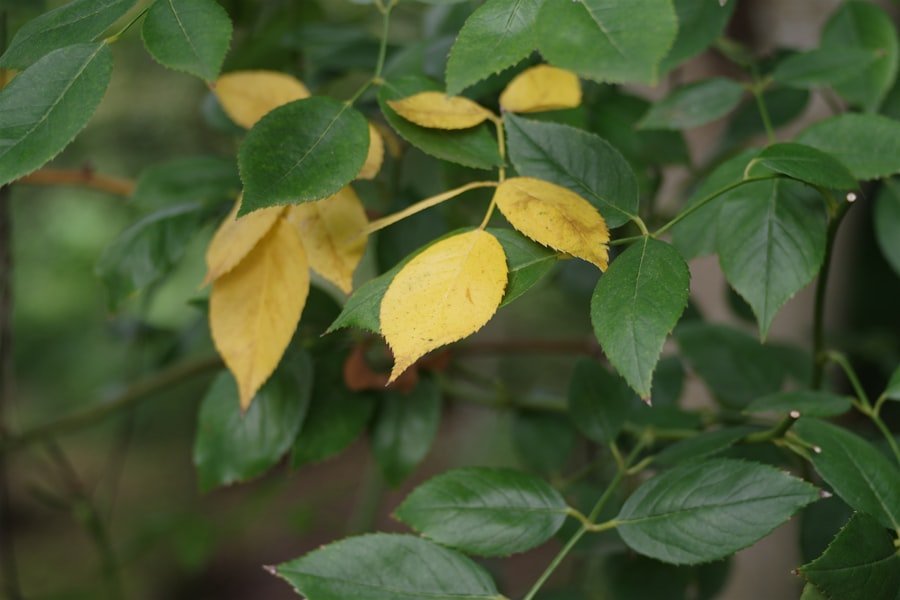
Online plant retailers are useful when local stores do not carry curry leaf trees. A good listing should clearly identify the botanical name, state whether you are receiving a live rooted plant or seeds, show the approximate plant or pot size, and explain where the seller can and cannot legally ship live plants.
For U.S. buyers, domestic sourcing is especially important. USDA APHIS states that curry leaf tree propagative plant material, except seeds, is Not Authorized Pending Pest Risk Analysis from all countries. In practical terms, do not assume you can legally order a live curry leaf plant from an overseas nursery and have it shipped into the United States.
Warning: Do not ask an overseas seller to bypass U.S. plant-import requirements. For a live tree, use a U.S.-based source that can legally deliver to your destination.
Domestic shipping can also be restricted. Curry leaf is a host associated with citrus greening and the Asian citrus psyllid, so movement from quarantined areas may be regulated. USDA APHIS maintains current citrus quarantine boundaries and federal movement information.
State requirements can be stricter. For example, the Florida Department of Agriculture and Consumer Services identifies curry leaf as a citrus-greening host and requires regulated host propagation to comply with approved production rules.
Before submitting an online order, enter your real delivery state and confirm that the retailer accepts the shipment. A seller that refuses restricted destinations is preferable to one that ignores agricultural restrictions.
Farmers Markets and Specialty Food Stores
Farmers markets can occasionally provide locally grown curry leaf plants, especially in warm regions with active tropical-gardening communities. Specialty South Asian food stores are more dependable for fresh leaves than live plants, but some stores work with local growers or know where plants are sold nearby.
| Buying Source | Best For | What to Check |
|---|---|---|
| Local nursery | Inspecting a live plant before purchase | Botanical name, foliage, roots, pests |
| U.S. online plant retailer | Finding plants when none are sold locally | Live plant vs. seed, plant size, destination restrictions |
| Plant sale or local swap | Locally propagated plants and cuttings | Identity, pest condition, local movement rules |
| Specialty food store | Buying fresh curry leaves for cooking | Whether live plants are actually sold or only harvested leaves |
If a farmers-market vendor has a live plant, ask where it was grown and confirm the botanical name. Do not move a plant across a quarantine boundary simply because it was purchased from an informal seller.
Botanical Gardens and Plant Expos
Botanical gardens and plant expos can help you identify the true curry leaf tree and find growers who specialize in tropical edible plants. They are not always retail sources, but public-garden plant sales, herb events, and specialist expos may offer unusual species that ordinary garden centers do not stock.
Seeing a mature specimen is also useful before buying. You can compare its green compound foliage, growth habit, and aroma with a plant offered by a seller.
At plant-sale events, use the same checks you would use at a nursery. Read the botanical label, inspect the foliage, ask where the plant was propagated, and confirm that moving it home does not violate a local agricultural restriction.
Community Gardens and Plant Swaps
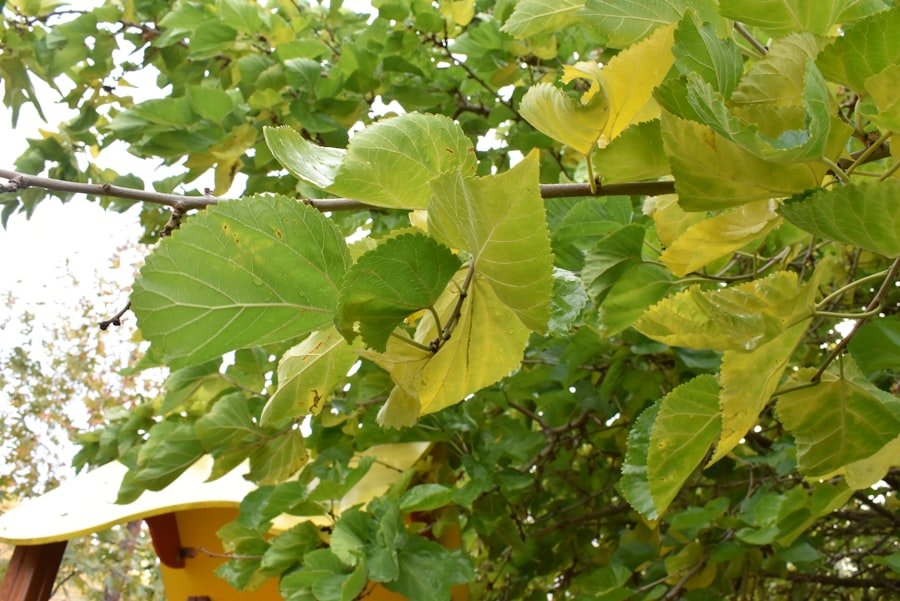
Community gardens and plant swaps can be good sources for locally propagated curry leaf plants, root suckers, or cuttings. They also give you a chance to talk with gardeners who already grow the plant under the same local weather conditions you face.
Local does not automatically mean unrestricted, however. Curry leaf belongs to the citrus family, and pest quarantines can restrict movement even between nearby areas. Keep swaps within permitted areas and do not transport plants across a regulated boundary without confirming the rules.
A plant from another gardener should receive the same inspection as a nursery plant. Look closely at tender new growth and the undersides of leaves before placing it beside citrus or other related plants in your garden.
What to Look for Before You Buy a Curry Leaf Tree
A good curry leaf tree should look actively alive rather than merely green enough to sell. Focus on plant identity, overall vigor, pest condition, and the health of the root zone before worrying about height.
- Correct botanical name: Look for Bergera koenigii or Murraya koenigii.
- Healthy foliage: Choose leaves that are mostly green and intact rather than heavily yellowed, scorched, spotted, or dropping.
- Firm stems: Avoid plants with badly shriveled, broken, or rotting stems.
- No obvious pests: Check tender shoots and leaf undersides for insects, webbing, waxy material, sticky residue, or clusters of eggs or nymphs.
- Sensible pot condition: The potting mix should not smell rotten or remain saturated with stagnant water.
- Clear shipping origin: For mailed plants, know which state the plant is coming from and whether the seller permits shipment to your destination.
Do not reject an otherwise healthy plant simply because it is small. A compact, well-rooted specimen can be a better purchase than a tall plant that has weak stems, damaged foliage, or a stressed root system.
Tips for Growing and Caring for Curry Leaf Trees
Curry leaf trees need warmth, useful light, well-drained soil, and watering that does not leave the roots constantly saturated. Container culture is especially practical in climates where the plant must be protected during cold weather.
The UC Master Gardeners curry leaf guide recommends full sun to partial shade, well-drained soil, and allowing the soil to dry between waterings. It also advises frost protection in colder microclimates and notes that the plant can be grown indoors.
Give It Enough Light
Place the plant where it receives strong light. Outdoor plants can grow in full sun to partial shade, although newly purchased plants should be acclimated rather than moved abruptly from protected nursery conditions into intense heat and sun.
If leaves scorch during hot weather, provide some protection from the strongest exposure. Indoors, place the pot in the brightest practical location.
Use Well-Drained Soil and Avoid Constantly Wet Roots
Curry leaf needs moisture, but the roots should not remain waterlogged. Water thoroughly, then let the upper portion of the potting mix begin to dry before watering again.
A pot must have working drainage holes. If water cannot leave the container, even careful watering can result in unhealthy roots.
Protect the Plant From Cold
Curry leaf is a tropical or subtropical plant, so cold is a major concern in much of the United States. A container lets you move the plant into a protected location when frost threatens.
Young plants deserve particular protection. Cold-stressed plants may slow down or shed leaves, so do not assume leaf loss automatically means the plant has died.
Feed and Prune During Active Growth
A balanced fertilizer can support growth during the active season. Follow the product label rather than applying extra fertilizer in an attempt to force rapid growth.
Tip pruning can encourage branching and keep a container plant manageable. Regular harvesting also gives you fresh leaves for cooking while preventing the plant from becoming unnecessarily tall and sparse.
Check New Growth for Pests
Inspect leaves and shoots regularly for aphids, mites, and other sap-feeding pests. In citrus-growing regions, Asian citrus psyllid is particularly important because curry leaf is one of its host plants.
If a newly purchased plant shows suspicious insects, keep it away from citrus and other related plants while you identify the problem. Do not move an infested plant to another property or region.
Enjoying the Benefits of a Curry Leaf Tree
The main reward of growing curry leaf at home is having fresh aromatic leaves available when you cook. Fresh leaves have a much stronger culinary role than the unrelated silver-leaved “curry plant,” and they can be harvested as the tree produces healthy new growth.
The tree also produces small white flowers followed by dark fruit. Indiana University notes that the ripe fruit pulp is edible but the seeds are not. If you want seeds for propagation, allow suitable fruit to mature rather than removing every flower cluster.
For most buyers, the simplest route is to purchase a healthy rooted specimen from a legal domestic source, confirm its identity before paying, and grow it in a container if winter protection will be necessary. That gives you a practical culinary plant without the uncertainty of importing live material or waiting for erratic seed germination.
Frequently Asked Questions
What is a curry leaf tree?
A curry leaf tree is Bergera koenigii, a tropical or subtropical shrub or small tree in the Rutaceae family. It is still widely sold under the synonym Murraya koenigii. Its aromatic green leaves are used as a culinary seasoning in South Asian cooking.
Where can I buy a curry leaf tree?
In the U.S., you can look at local tropical nurseries, South Asian plant sellers, reputable domestic online nurseries, plant sales, and local swaps. Before paying, confirm the botanical name and make sure the seller can legally ship or move the live plant to your location.
What should I look for when buying a curry leaf tree?
Choose a plant with firm stems, healthy green new growth, and no obvious insects, webbing, sticky residue, or severe leaf damage. Check the label for Bergera koenigii or Murraya koenigii, and ask whether the plant was grown locally or shipped from another state.
Can I grow a curry leaf tree from seeds?
Yes, curry leaf trees can be grown from fresh ripe seed, but germination can be erratic and slower than starting with a rooted plant. UC Master Gardeners notes that fresh seed may take more than a month to germinate, so patience and warm conditions are important.
Are curry leaf trees easy to care for?
Once established, curry leaf trees are manageable if they get warmth, good light, well-drained soil, and careful watering. Let the soil dry somewhat between waterings, protect young plants from frost, and watch new growth for pests.
Can I grow a curry leaf tree indoors?
Yes, curry leaf can grow indoors in a bright location, especially where winters are too cold for outdoor growth. A container also makes it easier to move the plant for seasonal protection. Give it as much useful light as possible without scorching newly acclimated leaves.
Is curry plant the same as curry leaf tree?
No. The culinary curry leaf tree is Bergera koenigii or Murraya koenigii, while the unrelated plant commonly sold as curry plant is Helichrysum italicum. If the plant has silvery, narrow foliage rather than glossy green compound leaves, stop and verify the label before buying.
Can I order a live curry leaf tree from another country?
Do not assume a live curry leaf tree can be imported into the United States. USDA APHIS lists curry leaf tree propagative plant material, except seeds, as Not Authorized Pending Pest Risk Analysis from all countries. For a live plant, buy from a U.S.-based source that can legally ship to your state.
Sources
- Royal Botanic Gardens, Kew — Plants of the World Online: accepted botanical name, synonym, habit, and native range.
- Royal Horticultural Society — Helichrysum italicum: identification of the unrelated silver-leaved plant also called curry plant.
- USDA Animal and Plant Health Inspection Service — Plant Import Requirements: NAPPRA status for curry leaf tree propagative material.
- USDA APHIS — Citrus Greening and Asian Citrus Psyllid: federal quarantine and regulated-movement information.
- Florida Department of Agriculture and Consumer Services: Florida rules covering curry leaf as a citrus-greening host plant.
- UC Master Gardeners of Santa Clara County — Curry Leaf: light, soil, watering, frost protection, propagation, and indoor growing guidance.
- Indiana University Bloomington Biology Greenhouse — Murraya koenigii: culinary use, fruit and seed information, and U.S. import concerns.