Quick Answer
There is no single best guava variety for everyone. For sweet ripe fruit, Homestead and Hong Kong Pink are strong choices. For crunchy white flesh, Crystal, Lotus, and Asian White stand out. In India, Allahabad Safeda and Lucknow-49 are established table varieties, while Arka Mridula is especially useful for processing.
Key Takeaways
- Choose by eating style: ripe pink types are usually softer and more aromatic, while many white types are eaten firm and crisp.
- Buy a named, vegetatively propagated cultivar if you want fruit that matches the parent plant; seed-grown guavas do not reliably come true to type.
- Common guava prefers warm subtropical to tropical conditions, so climate fit matters as much as flavor.
- Strawberry guava and pineapple guava are related fruits, not cultivars of common guava.
- Harvest stage changes the eating experience: pink and red guavas are commonly ripened until softer, while many white guavas are enjoyed full-sized but still green and crisp.
Factors Affecting Guava Flavor
Guava flavor is shaped first by cultivar and ripeness, then by growing conditions and fruit handling. UF/IFAS notes that common guava ranges from sweet to highly acidic, with aromas from mild to strong, depending on the cultivar. Its guide also separates many pink or red types eaten ripe from white types commonly eaten while still firm and green.
The UF/IFAS guava growing guide also shows why climate and care matter. Guava grows best in warm subtropical to tropical conditions, and drought during fruit set or development can reduce fruit set or fruit size. Excess water can cause root problems, so consistent but not waterlogged conditions are preferable.
Ripeness has a major effect on what you taste. Pink and red guavas are generally harvested as the peel changes from light green toward yellow and then allowed to soften. White guavas intended for crisp fresh eating are often harvested full-sized while green to light green. That difference alone can make two guavas seem much sweeter, softer, or more aromatic even when both are good-quality fruit.
Guava Varieties with the Best Flavor for Different Uses
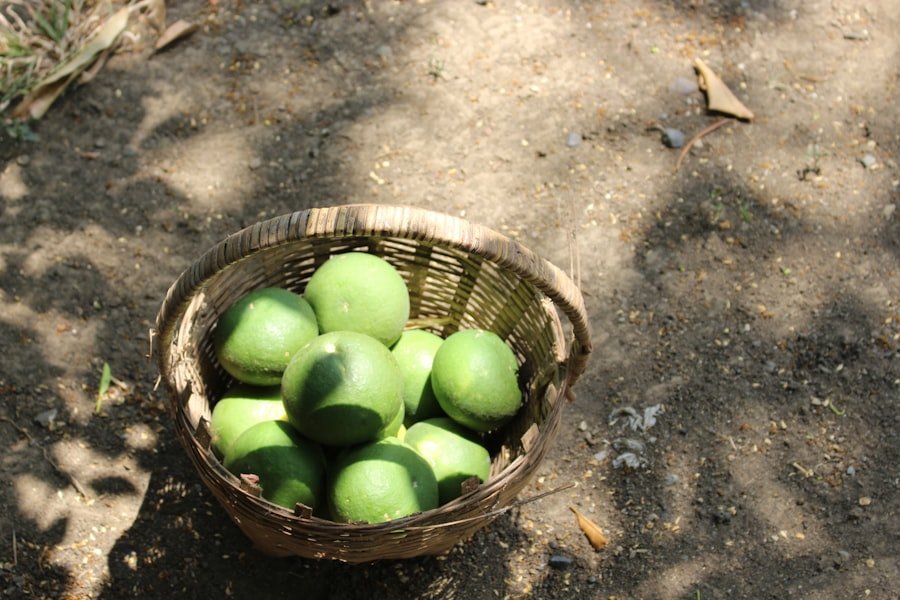
The best-tasting guava is partly personal, but authoritative cultivar lists make it easier to narrow the choices. Some cultivars are documented as sweet and soft when ripe, while others are valued for a mild, crunchy texture or for processing qualities such as soft seeds and useful pectin levels.
| Variety | Flesh / texture | Flavor or strength | Best fit |
|---|---|---|---|
| Homestead (Ruby × Supreme) | Pink | Sweet | Fresh eating; home planting where adapted |
| Hong Kong Pink | Pink | Sweet | Fresh eating; home planting where adapted |
| Crystal | White, crunchy | Mildly sweet | Crisp fresh eating |
| Lotus | White, crunchy | Mildly sweet | Crisp fresh eating |
| Asian White | White, crunchy | Mildly sweet | Crisp fresh eating |
| Allahabad Safeda | White; relatively soft with fewer seeds | Established table quality | Fresh eating and processing |
| Lucknow-49 (Sardar) | White | Sweet and tasty | Table fruit |
| Arka Mridula | White with soft seeds | 12–13°Brix; rich in pectin | Processing and fresh use |
For Florida-type home growing, UF/IFAS specifically lists Homestead and Hong Kong Pink as sweet and recommended for home planting, while Crystal, Lotus, and Asian White are described as mildly sweet and crunchy. Indian horticulture guidance lists Allahabad Safeda and Lucknow-49 among established guava cultivars. ICAR-IIHR describes Arka Mridula as white-fleshed, soft-seeded, rich in pectin, and about 12–13°Brix.
That makes the choice more practical than simply asking which guava is sweetest. If you enjoy a soft, ripe, fragrant fruit, start with a documented sweet pink cultivar. If you prefer the crunchy style common in many Asian markets, a named white cultivar such as Crystal, Lotus, or Asian White is a better match.
Guava Varieties and Types for Different Climates
Climate fit can rule out a cultivar before flavor becomes relevant. Common guava grows best in warm subtropical to tropical conditions, while some related fruits sold under the “guava” name tolerate cooler areas. Do not assume that a related species will taste, grow, or fruit exactly like Psidium guajava.
| Type | Species | Climate fit | What to know |
|---|---|---|---|
| Common guava | Psidium guajava | Warm subtropical to tropical; ideal growth and production around 73–82°F (23–28°C) | Cold-sensitive; young trees may be killed around 27–28°F (-3 to -2°C) |
| Strawberry guava | Psidium cattleyanum | Tropical to subtropical | A separate species, not a cultivar of common guava |
| Pineapple guava / feijoa | Acca sellowiana / Feijoa sellowiana | Cooler than common guava; N.C. State lists USDA Zones 8a–10b | A related Myrtaceae fruit, not Psidium guajava |
Royal Botanic Gardens, Kew recognizes Psidium cattleyanum as a separate species. N.C. State Extension likewise treats pineapple guava as a separate plant from common guava and lists it for USDA Zones 8a through 10b.
If you live near the cold edge of common guava’s range, a protected microclimate or container culture may be more realistic than choosing a supposedly “cold-proof” common-guava cultivar. The original cultivar name still matters, but species and climate come first.
Tips for Selecting the Best Guava Variety
Start with how you want to use the fruit, then match that preference to your climate and a clearly identified cultivar. A sweet pink guava, a crisp white guava, and a processing cultivar can all be excellent, but for different reasons.
- For soft, sweet fresh fruit: consider documented sweet cultivars such as Homestead or Hong Kong Pink where they are locally adapted.
- For crisp eating: Crystal, Lotus, and Asian White are documented as mildly sweet, crunchy white guavas.
- For established South Asian table cultivars: Allahabad Safeda and Lucknow-49 are widely recognized choices.
- For processing: Arka Mridula is a strong candidate because ICAR-IIHR documents its soft seeds, pectin content, and 12–13°Brix soluble-solids level.
- For reliable cultivar identity: choose a vegetatively propagated plant. Seed-grown guavas can vary and do not reliably reproduce the parent cultivar.
Also confirm that the nursery label names a real cultivar rather than only a flesh color such as “pink guava” or a broad market type such as “Thai guava.” A named cultivar gives you a better basis for comparing expected texture, sweetness, seediness, and growth habit.
Growing and Caring for Guava Trees
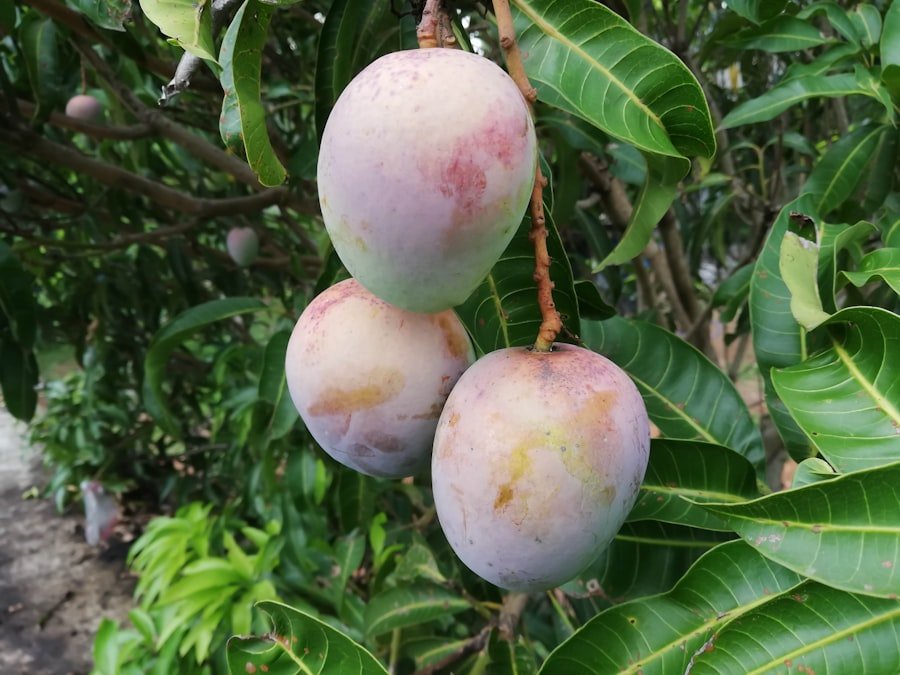
Healthy guava trees need sun, drainage, and steady care more than complicated treatment. Common guava performs best in full sun and tolerates many soil types, but waterlogged ground can damage roots and reduce tree health.
UF/IFAS recommends full sun and gives an ideal soil pH of about 4.5 to 7, although guava can grow in higher-pH soils when iron is managed correctly. In a home landscape, it suggests spacing trees about 15 to 25 feet (4.6–7.6 m) from other trees and structures, depending on mature size.
Newly planted trees need regular moisture while roots establish. UF/IFAS Florida guidance calls for watering at planting, then about every other day for the first week, followed by one or two waterings per week for the first couple of months. Once established, guava tolerates dry periods better, but drought during flowering and fruit development can reduce performance.
For a named cultivar, propagation method matters. Seed-grown guava seedlings can vary from the parent and may take years to fruit, while commercial cultivars are commonly propagated by air layering, cuttings, grafting, or budding. That is another reason to buy a correctly labeled nursery plant when fruit quality is your priority.
Harvesting and Storing Guava for Maximum Flavor
Harvest timing should match the type of guava you are growing. Pink and red guavas intended for ripe eating are generally picked as the peel changes from light green toward yellow, then allowed to soften. White guavas meant for crisp eating are commonly picked full-sized while still green to light green.
For home use, avoid bruising the fruit and sort out damaged pieces before storage. UF/IFAS states that both ripe and green guavas can be refrigerated for about 5 to 7 days. Fruit that still needs to soften can be held at room temperature first, then chilled once it reaches the texture you want.
Pro Tip: Judge ripeness by the cultivar’s normal eating style, not by softness alone. A crisp white guava can be ready to eat while still firm, whereas a pink guava may be better after it softens and becomes more aromatic.
Delicious Ways to Use Different Guava Varieties
Match the recipe to the fruit’s texture and aroma. Soft ripe pink guavas work especially well when you want fragrance and color, while firm white guavas are better when you want slices that hold their shape.
Use ripe pink guava for drinks and desserts
Blend ripe pink guava into smoothies, juice, frozen desserts, or cheesecake filling. Straining the puree can make drinks and desserts smoother if the cultivar has many hard seeds.
Use crisp white guava for salads and snacks
Firm white guava can be sliced and eaten fresh or added to fruit salads and savory salads. Its crisp texture also works well with lime, mild chili, or other sharp flavors that contrast with its mild sweetness.
Use high-pectin guava for preserves
Guava is well suited to jams, jellies, pastes, and fruit preserves. Arka Mridula is especially notable because its official cultivar description highlights its pectin content. Traditional guava paste, including Brazilian goiabada, is made by cooking guava pulp with sugar until thick.
Try guava in savory dishes
Guava can also be used in salsa, glazes, or sauces for grilled foods. Firmer fruit gives more texture, while softer aromatic guava creates a smoother sauce or glaze.
Frequently Asked Questions
What is the best variety of guava?
There is no single best variety of guava for every use. Homestead and Hong Kong Pink are documented sweet choices for ripe fresh fruit, Crystal and Lotus suit people who prefer crisp white guava, and Allahabad Safeda and Lucknow-49 are established South Asian table cultivars.
What factors should I consider when choosing a guava variety?
Choose a guava variety by flavor, texture, seediness, intended use, climate fit, and reliable cultivar identity. A named vegetatively propagated plant is preferable when you want predictable fruit because seedlings do not reliably reproduce the parent cultivar.
Which guava varieties are known to be sweet?
Among cultivars listed by UF/IFAS, Homestead and Hong Kong Pink are described as sweet and recommended for home planting. Webber and Webber × Supreme are also listed as sweet, while Crystal, Lotus, and Asian White are described as mildly sweet and crunchy.
Which guava variety is best for juicing?
A ripe, aromatic pink or red guava is usually the easiest style to choose for sweet juice, but no authoritative source reviewed here identifies one universal best juicing cultivar. Homestead and Hong Kong Pink are documented sweet cultivars, so either can be a practical starting point where available.
What makes a guava variety a good choice for home growing?
A good home guava matches your climate, preferred eating style, available space, and local pest pressure. Flavor matters, but so do cultivar identity and propagation method; a named vegetatively propagated tree gives you a better chance of getting the fruit characteristics you expected.
Sources
- University of Florida IFAS Extension: Guava Growing in the Florida Home Landscape: cultivar flavor, climate, propagation, soil, irrigation, harvest, and storage guidance.
- Tamil Nadu Agricultural University: Guava: recognized cultivars and cultivation guidance.
- ICAR-Indian Institute of Horticultural Research: Arka Mridula: cultivar traits, pectin, seed softness, fruit size, and soluble-solids range.
- Royal Botanic Gardens, Kew: Psidium cattleyanum: strawberry guava taxonomy.
- N.C. State Extension: Pineapple Guava: species identity, cultural conditions, and USDA hardiness zones.
”’
import re, bs4, json, html as htmlmod
print(“words”, len(re.findall(r”\b[\w’’-]+\b”, re.sub(r”<[^>]+>