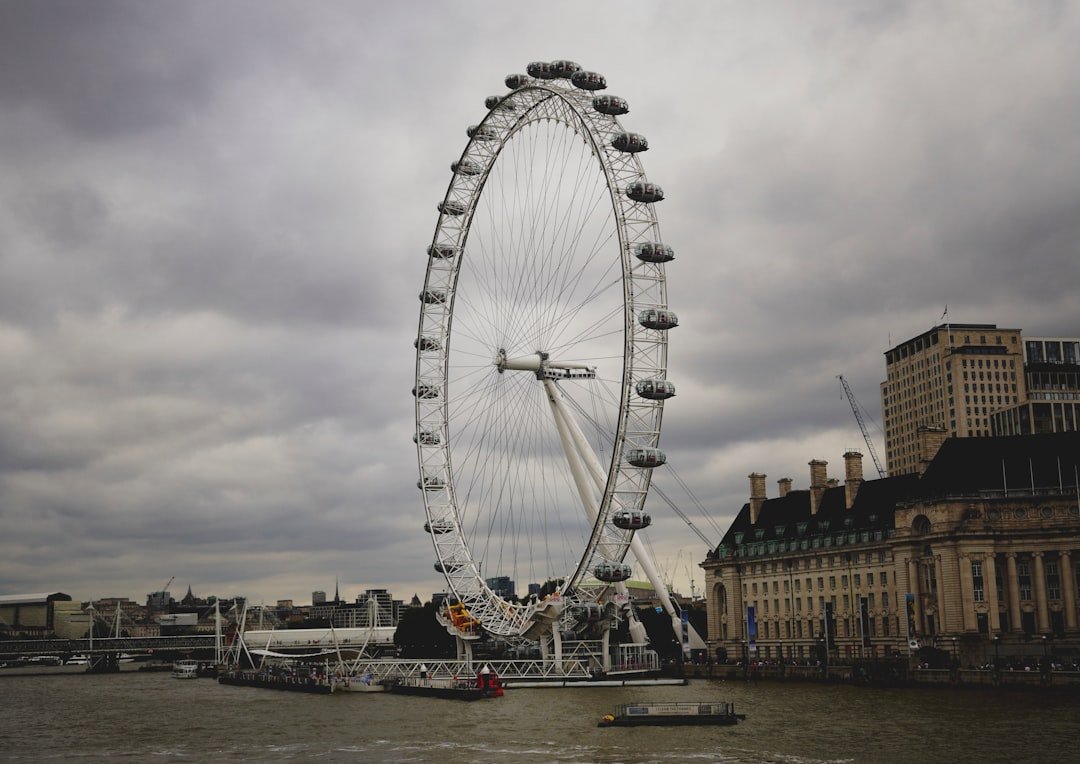
The London Eye is one of London’s best-known attractions, but the experience can feel very different depending on when you visit. Your chosen day and time affect the queue, crowd levels on the South Bank, available daylight, and how clearly you can see the skyline. This guide helps you choose the best time for shorter waits, sunset photos, clear views, or a lively atmosphere.
Quick Answer
The best time to visit the London Eye for fewer crowds is usually the first or one of the last time slots on a weekday outside school holidays. For clear views, choose a dry day with good visibility. Sunset offers attractive light, but it is popular and requires extra queue time.
Key Takeaways
- Quietest choices: Book an early-morning or late-day slot on a weekday outside school holidays.
- Busiest periods: Weekends, school holidays, warm-weather dates, and major riverside events commonly bring longer queues.
- Typical waits: The London Eye advises allowing about 20–30 minutes for Standard entry and 5–10 minutes for Fast Track on less busy days. Peak waits may reach an hour or more.
- Timed entry: Your booked time is when you join the queue, not a guaranteed boarding time.
- Weather matters: Clear visibility is more important than sunshine alone when skyline views are your main goal.
- Check the calendar: Opening hours vary, the attraction closes on Christmas Day, and a short maintenance closure normally takes place in January.
Best time to visit the London Eye by goal
| Your priority | Best time to book | Main trade-off |
|---|---|---|
| Shortest queue | First or late slot on a weekday outside school holidays | Opening hours and daylight vary by date |
| Clearest skyline views | A dry day with good or very good visibility | A clear date may not be the quietest date |
| Sunset photos | A slot before sunset with enough time for the expected queue | Sunset slots are popular, and boarding time is not guaranteed |
| London lights after dark | An evening slot after sunset | You will see fewer distant details than in daylight |
| Family convenience | A weekday morning before the South Bank becomes busier | School-holiday mornings can still be crowded |
| Festive atmosphere | December evenings or major event periods | Expect high demand, restrictions, and heavier riverside crowds |
Peak season at the London Eye
The London Eye does not publish one fixed peak-season calendar. The strongest crowd drivers are usually weekends, school holidays, warm-weather dates, and major events near the South Bank.
Late spring and summer often feel busier because London has longer daylight and many families travel during school breaks. July and August can therefore bring heavy demand, but a sunny weekend in another month may also be crowded.
On less busy days, the official guidance suggests allowing about 20–30 minutes for a Standard queue and 5–10 minutes for Fast Track. During peak periods, waits can reach an hour or more.
Off-peak times for visiting the London Eye
For fewer crowds, prioritize a weekday outside school holidays instead of relying on a particular month. Ordinary autumn and winter weekdays can be calmer, especially during the first or final operating slots.
However, October through March is not always quiet. Half-term weeks, the Christmas period, New Year’s Eve, and special events can produce heavy demand. January also normally includes a short maintenance closure.
Opening and closing times change throughout the year. Check the official London Eye opening-hours calendar for your date. The listed closing time refers to the last rotation rather than the time when the building closes around existing visitors.
Note: The London Eye is normally closed on Christmas Day and for an annual maintenance period in January. The 2026 maintenance closure ran from January 5 through January 18, but future dates may differ.
Weather and visibility considerations
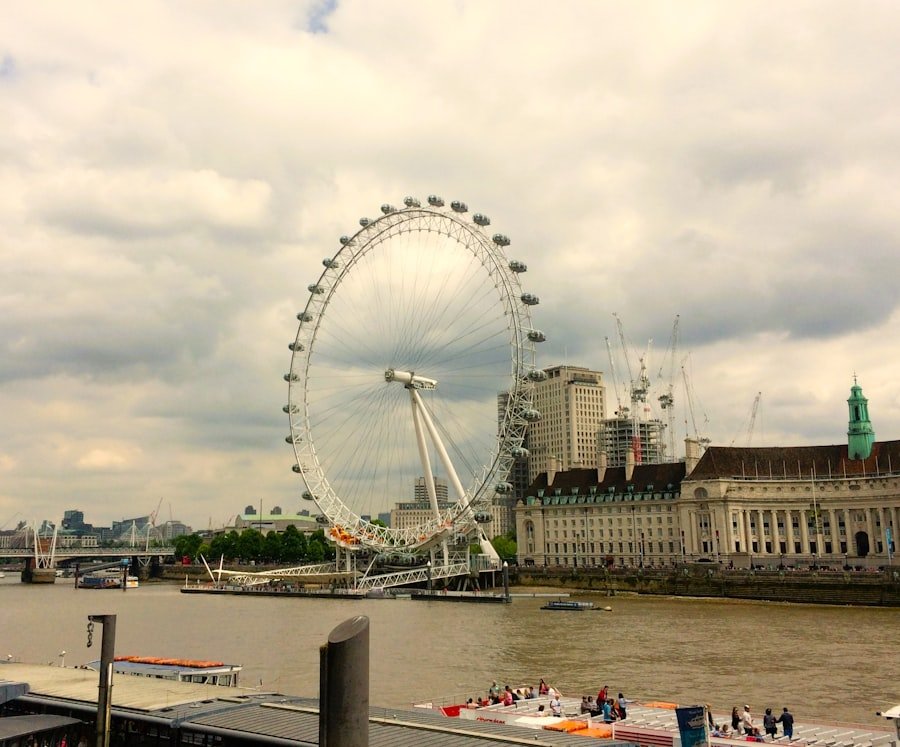
The London Eye’s glass capsules are enclosed, sealed, and air-conditioned, so the attraction can operate in a wide range of weather. The larger issue for most visitors is visibility rather than comfort.
Low cloud, mist, fog, and heavy rain can hide distant landmarks or soften the skyline. A cloudy day can still provide good views when the cloud base is high and the air is clear, while a bright but hazy day may reduce the viewing distance.
The London Eye is designed to operate safely in almost all weather conditions. However, the operator may temporarily pause or close it during high winds or severe weather. Check the official operational information and your weather forecast before travelling.
Pro Tip: When views matter more than a fixed itinerary, compare hourly visibility, cloud cover, and rain rather than looking only at the sunshine symbol. Keep some flexibility until the forecast becomes more reliable.
Special events and festivals that can affect your visit
Major events can make the London Eye, Waterloo, Westminster Bridge, and nearby South Bank paths much busier than normal.
New Year’s Eve
The Mayor of London’s New Year’s Eve fireworks use ticketed viewing zones and controlled access along the Thames. Recent arrangements have included a viewing area behind the London Eye. Road closures, station restrictions, security barriers, and pedestrian controls may begin well before midnight.
Warning: Do not assume you can walk through the South Bank or watch the fireworks near the London Eye without an official event ticket. Access plans and viewing zones change each year, so check London City Hall’s current New Year’s Eve guidance.
Totally Thames and other riverside events
Totally Thames 2026 runs from September 1 through September 30. Its performances, exhibitions, walks, and community events take place at locations across the river rather than only beside the London Eye.
Check the location and time of each event before changing your plans. An event on or near the South Bank may increase local foot traffic, while one elsewhere on the Thames may have little effect on your visit.
Best time of day to visit
For a quieter experience, the London Eye recommends visiting early in the morning or later toward closing time. The first slot usually lets you explore the South Bank before the area reaches its busiest point.
Later slots can also be calmer, but check the day’s closing time and sunset time. Hours vary by season, and the attraction may close earlier during winter.
Morning visits
Morning is usually the strongest choice when shorter queues are your main concern. It can also work well for families who want to complete the attraction before lunch and before riverside paths become busier.
Sunset visits
Sunset offers changing light over Westminster, the Thames, and the central London skyline. It is also one of the most popular times to visit.
Your ticket time is the time to enter the queue, not the time you will board. On a quieter day, a slot around 30–60 minutes before sunset may work, but this is not guaranteed. Allow a larger buffer during weekends, holidays, and other peak periods.
Night visits
After dark, you can see illuminated bridges, buildings, and streets. Night visits offer less distant detail than daylight visits, but they can be a good choice for atmosphere and city-light photography.
How the time-slot and queue system works
When you book online, you select a timed entry slot. According to the official London Eye arrival guidance, that time tells you when to join the queue.
- Do not join too early: Guests are not normally admitted to the queue before their allocated time.
- Be ready at your slot: Have your ticket available and stay close enough to reach the entrance at the booked time.
- Use the grace period: The official guidance provides a 15-minute grace period.
- If you are later: Speak to the admissions team. They may place you in the next available slot, subject to availability.
- Do not rely on the final slot: Entry cannot be provided after the last admission time.
After joining the line, you will pass through security and continue toward boarding. The queue therefore remains part of your total visit time.
How much time to allow for the visit
A complete rotation takes about 30 minutes. For planning purposes, allow approximately 60–90 minutes for the full visit on an ordinary day. This includes entering the queue, security screening, boarding, the rotation, and exiting.
Allow more time on weekends, school holidays, and major event dates. Peak queues alone can reach an hour or more, so a busy-day visit may take well beyond 90 minutes.
Tips for avoiding crowds
- Pre-book online to secure availability and choose a suitable time slot.
- Choose a weekday outside school holidays when possible.
- Use the first or a late slot instead of the busiest middle part of the day.
- Be ready at your booked time rather than trying to enter the queue early.
- Travel light to make security screening simpler.
- Check nearby events that may affect Waterloo, Westminster Bridge, or the South Bank.
- Consider Fast Track when the date is likely to be busy and reducing queue time matters more than the extra cost.
Security and luggage
All guests complete security checks before boarding. Small bags, cameras, phones, and water are generally permitted, but large luggage and suitcases cannot be taken into a capsule. Other prohibited items include weapons, sharp objects, fireworks, drones, scooters, bicycles, and tripods that have not been approved.
Storage may be available in the ticket office for a fee, but travelling without large bags is the simplest option. Review the London Eye’s current security and luggage details in its official arrival guidance before visiting.
Seasonal factors that change the experience
Spring
Spring offers increasing daylight and generally milder conditions. Weekdays outside Easter and half-term breaks can provide a useful balance between comfortable weather and manageable crowds.
Summer
Summer brings long daylight hours and a lively riverside atmosphere. It is a strong choice for evening views, but school holidays and warm weekends may bring some of the year’s longest queues.
Autumn
Autumn can provide attractive late-afternoon light and cooler walking weather. Weekdays outside half-term dates may be calmer, although September festivals and other riverside events can increase local crowds.
Winter
Winter has shorter days and a higher chance of low cloud, mist, or rain. It can still be an excellent time for night views and festive lights. Avoid assuming that all winter dates are quiet because Christmas, New Year, and school breaks attract heavy demand.
School holidays and major holidays
School holidays are consistently among the busiest periods. Holiday dates vary by council, school, and part of the UK, so check the relevant official calendar rather than relying on one national date range.
If you are travelling as a family during a school break, book ahead and consider the first available slot. The riverside area is usually easier to navigate before lunch than during the middle of a busy day.
Christmas and New Year can be enjoyable times to visit central London, but demand and access restrictions are much heavier. The London Eye is normally closed on Christmas Day, while New Year’s Eve may involve controlled entry around the Thames.
Choosing the best time to visit for your preferences
If you want warm weather and long days, visit in late spring or summer, but prepare for larger crowds.
If you want the shortest practical wait, choose a weekday outside school holidays and book the first or one of the final slots.
If clear views are most important, prioritize the visibility forecast over the season. A clear winter day can offer better views than a hazy summer afternoon.
If you want sunset photos, book before sunset and include enough time for the expected queue. Remember that your time slot does not guarantee the exact moment you enter the capsule.
Rule of thumb: Book ahead, avoid weekends and school holidays when possible, check the weather and event calendar, and choose an early or late slot.
Frequently Asked Questions
What is the London Eye?
The London Eye is a cantilevered observation wheel on the South Bank of the River Thames. It is 135 metres tall, and each complete rotation takes approximately 30 minutes.
When is the best time to visit the London Eye?
The first or one of the final time slots on a weekday outside school holidays is usually best for fewer crowds. For the clearest views, choose a day with good visibility and limited low cloud or fog.
What is the best season to visit the London Eye?
Late spring and summer provide longer daylight, while autumn and ordinary winter weekdays may be calmer. There is no perfect season because school holidays, weather, events, and the annual January maintenance period can affect individual dates.
Are there any times to avoid?
Weekends, school holidays, warm-weather dates, and major event days tend to have the longest waits. New Year’s Eve can also bring ticketed zones, road closures, station restrictions, and controlled access around the river.
Do I need to book London Eye tickets in advance?
Advance booking is strongly recommended, especially for weekends, school holidays, sunset slots, and major event dates. You will choose a time slot, which is the time to join the queue rather than a guaranteed boarding time.
How early should I arrive for the London Eye?
Be in the area and ready to enter at your booked time. Do not plan to join the queue early because guests are normally admitted at their allocated slot. The official guidance provides a 15-minute grace period.
How long should I allow for the London Eye?
Allow about 60–90 minutes on an ordinary day. The rotation takes approximately 30 minutes, but you also need time for the queue, security, boarding, and exiting. Busy-day visits can take longer.
Is Fast Track worth it?
Fast Track may be worthwhile on weekends, school holidays, or sunset dates when your schedule is limited. Official estimates suggest a 5–10-minute Fast Track wait on less busy days, compared with approximately 20–30 minutes for Standard entry, but actual waits vary.
Does the London Eye close in bad weather?
It operates safely in most weather, but the operator may temporarily pause or close the wheel during high winds or severe conditions. Check official operational updates before travelling when disruptive weather is forecast.
Can I take luggage onto the London Eye?
Small bags are generally allowed after security screening, but large bags and suitcases cannot be taken into a capsule. Storage may be available at the ticket office for a fee. Check the current security rules before travelling.
Sources
- London Eye arrival guide — time slots, queue estimates, quieter visiting periods, security, and luggage guidance.
- London Eye opening hours — current daily opening and last-rotation times.
- London Eye opening and weather information — Christmas closure, January maintenance, and severe-weather operations.
- GOV.UK school term and holiday dates — guidance on checking local school-holiday periods.
- London City Hall New Year’s Eve guidance — ticketed viewing zones and controlled access near the Thames.
- Thames Festival Trust — confirmed dates and programme information for Totally Thames 2026.