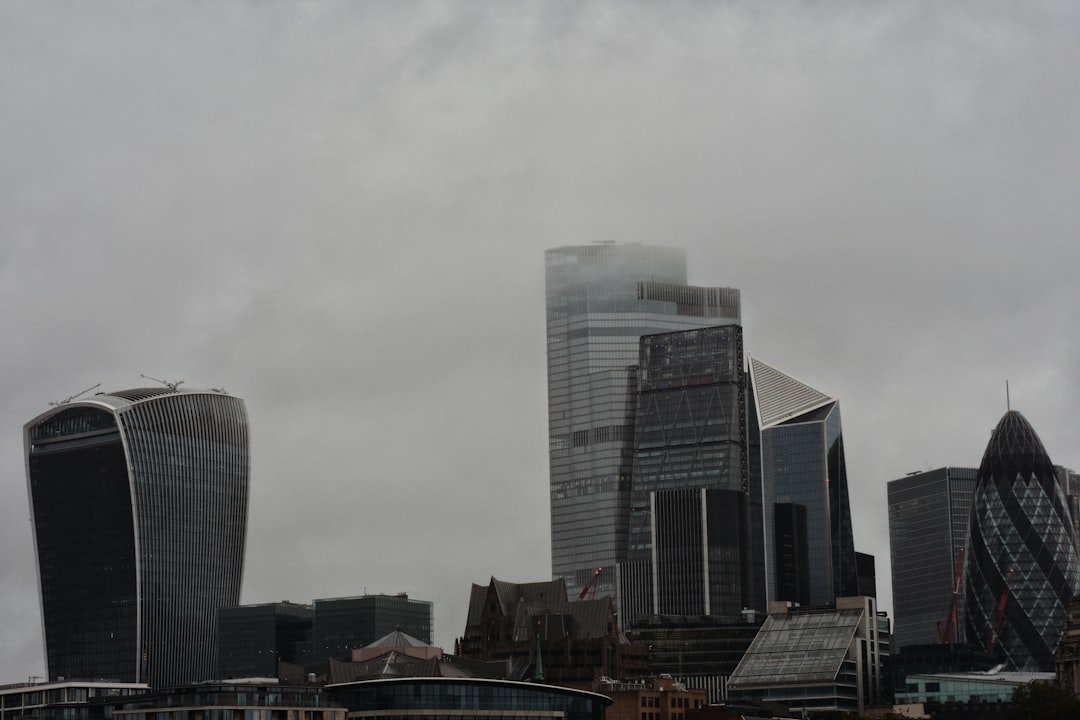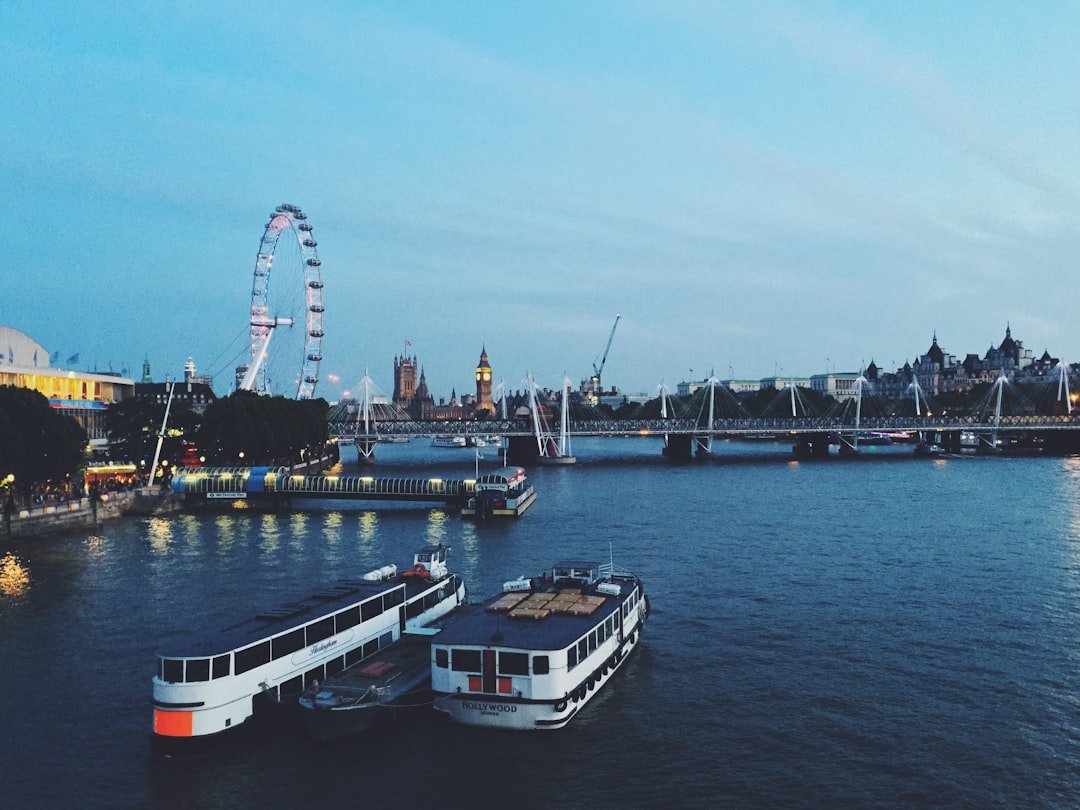
London packs royal landmarks, world-class museums, historic neighborhoods, food markets, theatre and centuries of history into a city that is surprisingly manageable when you plan by area. If you have only three days, the key is not trying to see everything. Instead, group nearby sights, book your highest-priority attractions ahead and leave enough time to enjoy each part of the city.
More than nine million people live in London, and more than 300 languages are spoken across the capital. The city’s modern diversity sits alongside nearly 2,000 years of history: the Romans established Londinium around 47–50 CE, laying the foundations for the city that developed here.
Quick Answer
For three days in London, spend Day 1 on the Tower, Westminster and royal landmarks; Day 2 on the British Museum, Covent Garden and National Gallery; and Day 3 around Borough Market, the South Bank and the West End. Book major paid attractions ahead and use the Tube, buses and walking between nearby stops.
Key Takeaways
- Day 1 combines the Tower of London and Tower Bridge with Westminster, Buckingham Palace and an optional London Eye ride.
- Day 2 focuses on free major collections at the British Museum and National Gallery, plus Covent Garden.
- Day 3 combines Borough Market, the South Bank, Tate Modern, Shakespeare’s Globe area and a West End evening.
- Use contactless or Oyster pay as you go for most public transport and consistently touch with the same card or device.
- Book timed attractions before your trip, but check each attraction’s official opening hours for your exact date.
- London has accommodation at many price points; choose your area based on convenience, nightlife and budget rather than hotel category alone.
- Three days is enough for a strong first visit, but trying to include a full day trip outside London usually means sacrificing major sights in the city.
At a Glance
| Time Required | 3 full days, ideally with an evening available each day |
| Difficulty | Moderate; expect substantial walking and several public-transport journeys |
| Tools Needed | Comfortable shoes, contactless card/device or Oyster card, phone navigation and a light rain layer |
| Cost | Flexible: major museums can be free, while attractions such as the Tower of London, Tower Bridge and London Eye require paid tickets |
London is home to more than nine million people, and more than 300 languages are spoken across the capital.
Before You Start Your 3-Day London Itinerary
A three-day London itinerary works best when you treat major attractions as anchors and fill the spaces between them with nearby sights. The Tower of London alone can take two to three hours, according to its official visitor guidance, so avoid scheduling several lengthy interior tours back-to-back.
Check opening hours for your exact dates. London’s attractions do not all open at the same time, and operating hours can change by season, weekday, holiday or special event. Book the attractions that matter most first, then build the rest of the day around those confirmed times.
Note: Buckingham Palace can be admired from outside throughout the year, but public access to the State Rooms is seasonal. If touring the interior is important to you, check the official Royal Collection schedule before building it into your day.
Day 1: Explore London’s Iconic Landmarks
Start your first day at the Tower of London. This UNESCO World Heritage Site has served as a royal residence, fortress, treasury and prison during its long history. It is one of London’s most important historical attractions and deserves more than a quick photo stop.
Inside, see the Crown Jewels, which include the Imperial State Crown and other ceremonial regalia. The famous Koh-i-Noor diamond is set in the Crown of Queen Elizabeth the Queen Mother. Yeoman Warders, often called Beefeaters, also give tours that bring the Tower’s political, royal and military history to life.
Allow roughly two to three hours if you want to see the major highlights without rushing. If the Tower is one of your highest priorities, booking one of the earliest practical admission times for your date makes the rest of Day 1 easier to manage.
Walk Across Tower Bridge
After the Tower, walk to Tower Bridge. You can cross the bridge at road level for free. If you buy admission to the Tower Bridge attraction, the high-level walkways include glass floors that look down toward the road and River Thames.
Do not confuse Tower Bridge with London Bridge. Tower Bridge is the ornate bridge with two towers that appears in many classic London photographs; London Bridge is a different crossing farther west.
Continue to Westminster
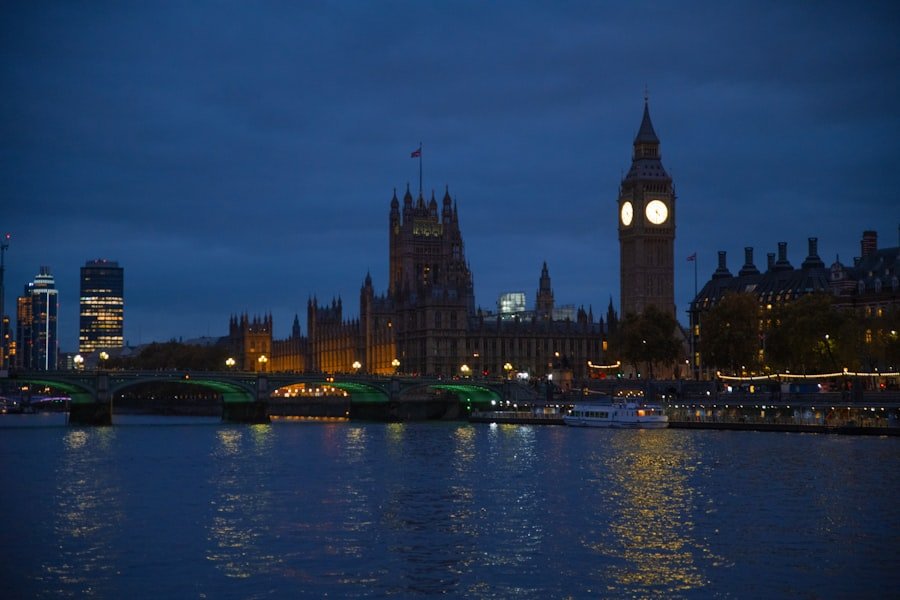
Next, travel west toward Westminster by Tube, bus or river service. Here you can see the Palace of Westminster and Elizabeth Tower. Although people often use “Big Ben” to describe the whole clock tower, Big Ben is the Great Bell inside Elizabeth Tower.
If you want to tour Parliament or Westminster Abbey, treat that as a major activity rather than an extra stop. An interior tour can take enough time that you may need to shorten the rest of the afternoon.
Walk Through St James’s Park to Buckingham Palace
From Westminster, continue through St James’s Park toward Buckingham Palace. This is one of the most enjoyable walking sections of the day and connects Westminster’s political landmarks with London’s royal district.
At Buckingham Palace, you can see the exterior and Victoria Memorial. The Palace remains a working royal residence, and public access to its State Rooms is seasonal rather than guaranteed every day of the year.
Finish at the London Eye
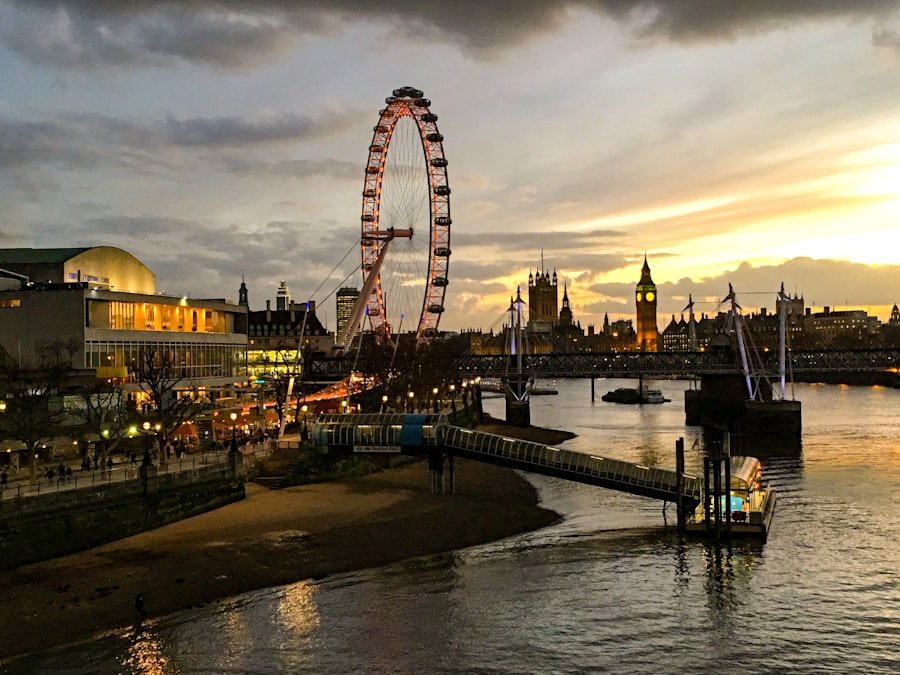
If your energy and schedule allow, finish the day on the South Bank with the London Eye. A rotation takes about 30 minutes, although your total visit will be longer because of security and queuing. Opening hours change seasonally, so reserve a suitable time rather than assuming it will remain open late.
Pro Tip: If you book full interior visits at both the Tower of London and Westminster Abbey or Parliament, consider treating the London Eye or Buckingham Palace as an exterior-only stop. A relaxed itinerary is usually more enjoyable than racing between reservations.
Day 2: Immerse Yourself in London’s Culture and History
Dedicate your second day to London’s museums, historic streets and central cultural district. Start at the British Museum, whose collection covers cultures and civilizations from around the world.
General admission is free, although special exhibitions and events can carry separate charges. Famous objects include the Rosetta Stone and the Parthenon Sculptures. Because the collection is enormous, trying to see every gallery is unrealistic on a three-day trip. Choose a few areas that interest you most.
Lunch and Street Life in Covent Garden
From the British Museum, continue toward Covent Garden. The neighborhood combines restaurants, cafes, shops, historic architecture and street performers around the piazza.
Covent Garden is also home to the Royal Opera House. Even if you are not attending a performance, the area works well as a lunch stop between the British Museum and Trafalgar Square.
Visit the National Gallery
Continue to Trafalgar Square and the National Gallery. Its national collection covers Western European painting from the late 13th to the early 20th century and includes artists such as Leonardo, Monet and Van Gogh.
General admission to the collection is free. As with the British Museum, temporary exhibitions may be ticketed separately.
If you still have energy after the gallery, walk through Leicester Square, Chinatown or Soho. These neighborhoods are close enough to explore without adding another long cross-city journey.
Day 3: Experience London’s Food and Entertainment Scene
Spend your final day around London Bridge and the South Bank before finishing in the West End. Start at Borough Market, whose market history stretches back about 1,000 years.
The market sells produce, baked goods, cheeses and food from many culinary traditions. It works well for a late breakfast, early lunch or snack-based meal where everyone can choose something different.
Warning: Borough Market is normally closed on Mondays under its current regular schedule. Bank holidays, December and special dates can also change opening hours. Check the official market calendar before assigning it to a specific day of your trip.
Walk the South Bank
After the market, head toward the Thames and follow the river west. This area connects several major cultural attractions without requiring repeated Tube journeys.
One option is Tate Modern, the modern and contemporary art museum created in the former Bankside Power Station. Even if you do not spend hours inside, the riverside setting makes it a natural stop on this route.
Nearby, Shakespeare’s Globe stands on Bankside. Today’s Globe Theatre is a reconstruction inspired by the historic playhouse associated with Shakespeare’s company. The current building opened in 1997, so describe it as a reconstruction rather than the surviving original theatre.
End Your Trip in the West End
For your final evening, head to London’s West End for a play or musical. Long-running productions include shows such as The Lion King and Les Misérables, while the wider theatre schedule changes constantly.
Book a specific production in advance if seeing a show is a priority. Otherwise, keep the evening flexible and explore Covent Garden, Leicester Square, Soho or Chinatown before deciding how to finish the night.
Accommodation Options in London
Where you stay can save more time than almost any other planning decision. For a three-day visit, paying slightly more for good transport connections can be worthwhile if it reduces long commutes at the beginning and end of each day.
Westminster and the West End
These areas put you close to many major sights, theatres and restaurants, but accommodation can be expensive. Luxury properties such as The Savoy and The Ritz are well-known examples at the high end of the market.
Bloomsbury
Bloomsbury is convenient for the British Museum and provides easy access to central London while generally feeling calmer than Leicester Square or Soho.
South Bank and Waterloo
Staying near Waterloo gives you good access to the Thames, London Eye and rail and Underground connections. It is useful for travelers who want a central location without staying directly in the busiest West End streets.
Shoreditch and Camden
Shoreditch and Camden have hotels, hostels and other accommodation across different price points and are popular with visitors who prioritize nightlife, music, markets or a more neighborhood-focused stay. They are less convenient for walking to many Westminster landmarks, so factor transport time into your decision.
Design-led hotel brands such as The Hoxton and citizenM also have London locations. Platforms offering apartment or room rentals can provide another option, but compare the total price, location, cancellation terms and local rules rather than choosing by nightly rate alone.
Getting Around London: Transportation Tips
London’s public-transport network makes it possible to cover a large amount of the city without renting a car. Transport for London currently lists 11 Underground lines covering 402 kilometers and serving 272 stations.
Use Oyster or Contactless Pay As You Go
For many visitors, the simplest option is pay as you go with an Oyster card or contactless card/device. TfL applies daily and Monday-to-Sunday caps to qualifying pay-as-you-go travel in Zones 1–9, helping limit how much you pay after enough eligible journeys.
Always use the same card or device when touching in and out. For example, touching in with a physical bank card and touching out with the same card through a phone wallet can be treated as different payment methods even if they connect to the same account.
If your contactless card was issued outside the UK, check whether your bank charges foreign transaction or currency-conversion fees.
Use Buses When the Route Makes Sense
Buses can be a useful alternative to the Tube and allow you to see the city while traveling. They are especially helpful for short journeys where going underground would require several station changes.
Walk Between Nearby Attractions
Some of the best London experiences happen between major sights. Westminster, St James’s Park and Buckingham Palace work naturally as a walking group, while Borough Market, Tate Modern and Shakespeare’s Globe can be combined on foot along the Thames.
Try Santander Cycles
If you are comfortable riding in a busy city, Santander Cycles provides short-term bike hire from docking stations around London. Use designated cycling infrastructure where available and check your route before starting.
Must-Try Food and Drinks in London
London’s food scene reflects both traditional British cooking and the many communities that call the city home. You do not need to spend every meal in a formal restaurant to experience it.
Traditional British Food
Fish and chips remains one of the best-known British meals. Pub menus may also include dishes such as shepherd’s pie, pies with mash, Sunday roast and other regional or seasonal dishes.
If you drink alcohol, a traditional pub can also be a place to try British beer or cider. Pubs are just as useful for meals, conversation and atmosphere if you do not drink.
International Food
Brick Lane and the surrounding East End are strongly associated with South Asian restaurants and food businesses, while Chinatown offers a dense concentration of East Asian restaurants, bakeries and dessert shops.
Borough Market is another easy option when you want several cuisines in one place rather than committing to a single restaurant.
Afternoon Tea
Afternoon tea typically combines tea with finger sandwiches, scones and small cakes or pastries. Hotels and specialist tea rooms offer versions ranging from simple to highly elaborate. Fortnum & Mason and The Ritz are among the best-known traditional names, but there are options at many price points.
Shopping in London: Where to Find the Best Souvenirs
London’s shopping options range from major high-street chains to antiques, crafts and luxury department stores.
Oxford Street
Oxford Street has a dense concentration of large retailers and international brands. Selfridges is one of its major department stores, while numerous high-street fashion chains operate nearby.
Portobello Road Market
Portobello Road is particularly well known for antiques and vintage goods. The experience varies by day, so check the market schedule if antiques are your main reason for going.
Camden Market
Camden’s markets combine clothing, crafts, accessories and food. It is a better fit than a conventional shopping street if you want alternative fashion, small vendors and a busy market atmosphere.
Harrods
For luxury shopping, Harrods in Knightsbridge is one of London’s most famous department stores, with designer fashion, beauty, gifts and food halls under one roof.
Hidden Gems and Less-Obvious Attractions in London
London’s major landmarks can fill three days by themselves, but adding one or two quieter stops can make the trip feel more personal.
Leadenhall Market
Leadenhall Market in the City of London is known for its ornate Victorian appearance, covered passages, shops and restaurants. It is particularly easy to combine with a City of London walk rather than making a special cross-city journey solely to see it.
Postman’s Park
Postman’s Park near St Paul’s Cathedral contains the Watts Memorial to Heroic Self-Sacrifice, which commemorates people who lost their lives while attempting to save others. It offers a small, reflective green space away from surrounding commercial streets.
Notting Hill and Kyoto Garden
Notting Hill is worth considering if you enjoy residential streets, independent businesses and the Portobello Road area. Farther west, Kyoto Garden in Holland Park provides a quieter landscaped stop when you want a break from museums and traffic.
Street Art in Shoreditch and Brixton
Shoreditch is one of London’s best-known areas for street art, and Brixton also has murals and public art tied to its local culture. Because street art changes over time, treat the streets themselves as a changing gallery rather than expecting a specific mural to remain indefinitely.
Tips for Making the Most of Your 3 Days in London
- Book your top two or three paid attractions first. Build the rest of the itinerary around confirmed admission times.
- Check opening hours for your exact dates. Do not assume every London attraction opens at 9 AM or stays open late.
- Group attractions geographically. This itinerary deliberately combines Tower-area sights, central museums and South Bank attractions into clusters.
- Leave some unscheduled time. Queues, meals, weather and transport disruption can all change the pace of a day.
- Wear comfortable shoes. Even with frequent Tube or bus use, a London sightseeing day can involve substantial walking.
- Carry a rain layer. A lightweight waterproof layer is usually more practical than changing your entire itinerary because of a short shower.
- Compare sightseeing passes before buying. A pass can save money only if the attractions you genuinely plan to visit are included and their individual prices exceed the pass cost.
- Check accessibility individually. Step-free routes, lifts and station accessibility vary, so use TfL and attraction accessibility pages when planning for mobility needs.
- Ask locals specific questions. Asking where someone would eat nearby or which route they would walk often produces more useful advice than asking broadly what you should see in London.
Pro Tip: Before purchasing a city pass, write down the attractions you will realistically visit and compare their current individual admission prices with the pass price. A pass is not automatically cheaper simply because it includes many attractions.
Making Lasting Memories in London
Three days will not show you every part of London, but it is enough time for a memorable first visit if you prioritize rather than rush. This route gives you royal and political landmarks, major museums, the River Thames, historic markets, local food and a West End evening without sending you back and forth across the city unnecessarily.
The best plan is also flexible. If history matters more than skyline views, spend longer at the Tower of London and skip the London Eye. If art is your priority, give more time to the National Gallery or Tate Modern. If food and neighborhoods interest you most, shorten a museum visit and spend longer around Borough Market, Soho, Shoreditch or Notting Hill.
London rewards repeat visits, so you do not need to treat three days as your only opportunity to see everything. Focus on the experiences that matter most to you, leave enough time to enjoy them and save the rest for another trip.
Sources
- Visit London — Three Days in London — official visitor guidance and current itinerary planning.
- London City Hall — current population and diversity information.
- London Museum — Roman London Timeline — founding and history of Londinium.
- Transport for London — Underground network information and London transport guidance.
- Historic Royal Palaces — Crown Jewels — Crown Jewels, Imperial State Crown and Koh-i-Noor details.
- British Museum and National Gallery — current visitor information, collections and general-admission guidance.
Frequently Asked Questions
What are the must-see attractions in London for a 3-day visit?
For a first visit, prioritize the Tower of London, Tower Bridge, Westminster and Big Ben, Buckingham Palace, the British Museum, Trafalgar Square and the National Gallery. Add Borough Market, the South Bank and a West End show if they match your interests. The London Eye is a useful optional skyline experience rather than an essential stop for every traveler.
Is three days enough for London?
Three days is enough to see a strong selection of London’s most famous sights, museums, food areas and neighborhoods, but not the whole city. Prioritize a few major attractions each day and group nearby locations instead of trying to complete a long checklist.
What are some recommended day trips from London?
Popular day-trip choices include Windsor, Oxford, Cambridge and Stonehenge, while Harry Potter fans may prioritize the Warner Bros. Studio Tour. On a first three-day London trip, however, a full day outside the city means giving up a significant portion of your London sightseeing time, so consider a day trip only if it is a major personal priority.
What is the best way to get around London for sightseeing?
Use a combination of the London Underground, buses and walking. Contactless or Oyster pay as you go is convenient for most visitors. Thames river services can also be useful for selected routes, but they should be treated as both transportation and an experience rather than the fastest option for every journey.
Should I use Oyster or contactless in London?
Both can be convenient for pay-as-you-go travel. Contactless is especially simple if you already have a compatible card or device. Whichever method you use, touch in and out with the same card or device so your journeys and fare caps are calculated correctly. Travelers using overseas cards should also check for bank transaction fees.
What are some popular food and dining options in London?
Try traditional British pub food, fish and chips, afternoon tea and food markets such as Borough Market. London is also known for its multicultural dining scene, including South Asian food around the East End and a wide selection of East Asian restaurants in Chinatown.
Where should I stay for a three-day London trip?
Westminster and the West End are extremely central but can be expensive. Bloomsbury works well for museums, Waterloo and the South Bank offer excellent transport connections, and areas such as Shoreditch or Camden suit visitors who prioritize nightlife and neighborhood character. Choose a hotel close to a Tube or rail station whenever possible.
What are the best tips for making the most of three days in London?
Book your highest-priority attractions in advance, group nearby sights, check opening hours for your actual dates, use public transportation efficiently and leave some unscheduled time for queues, meals and unexpected discoveries. Avoid booking so many timed attractions that one delay disrupts the entire day.