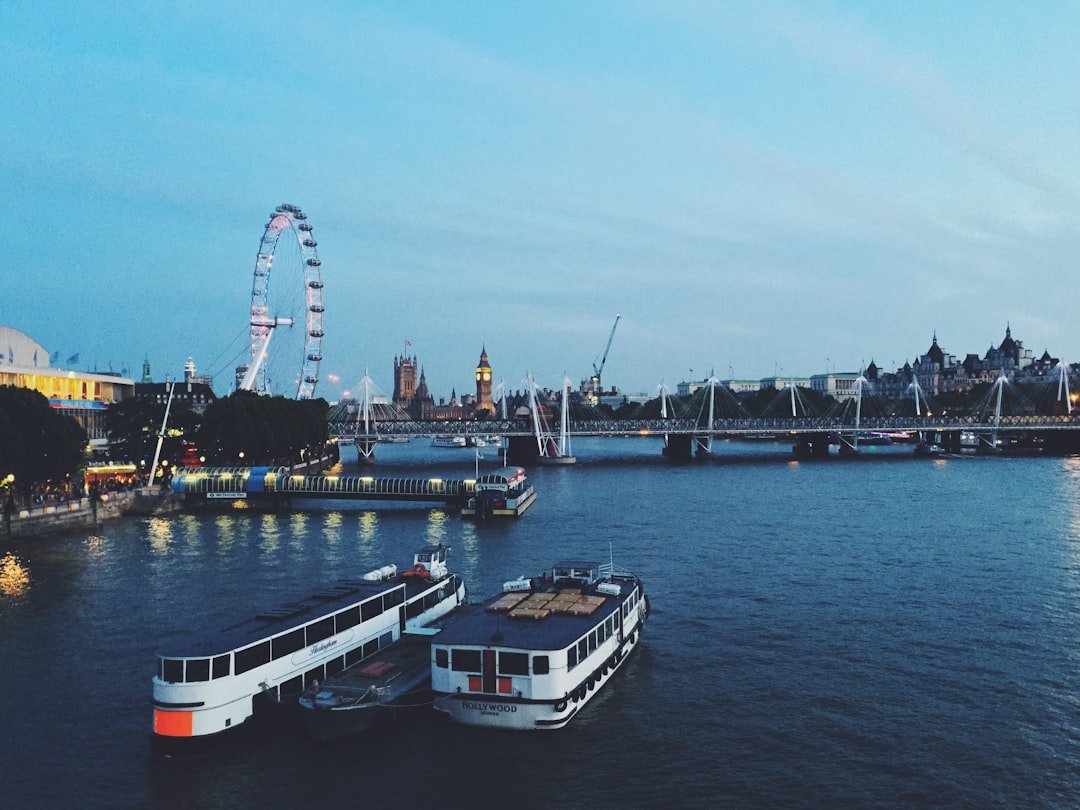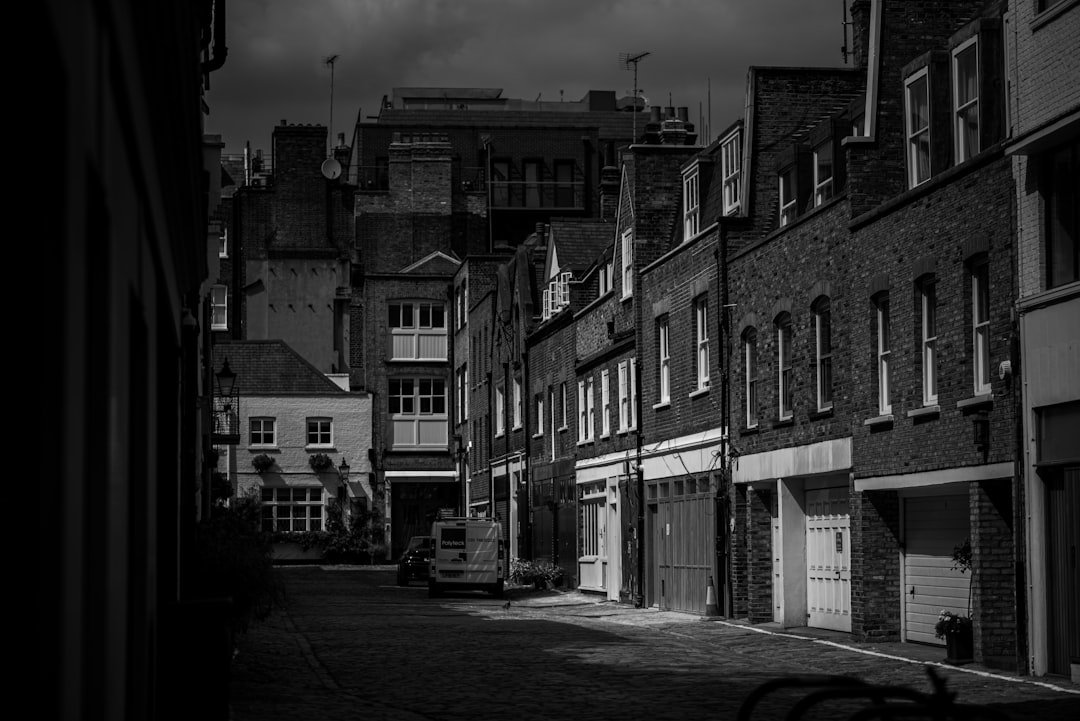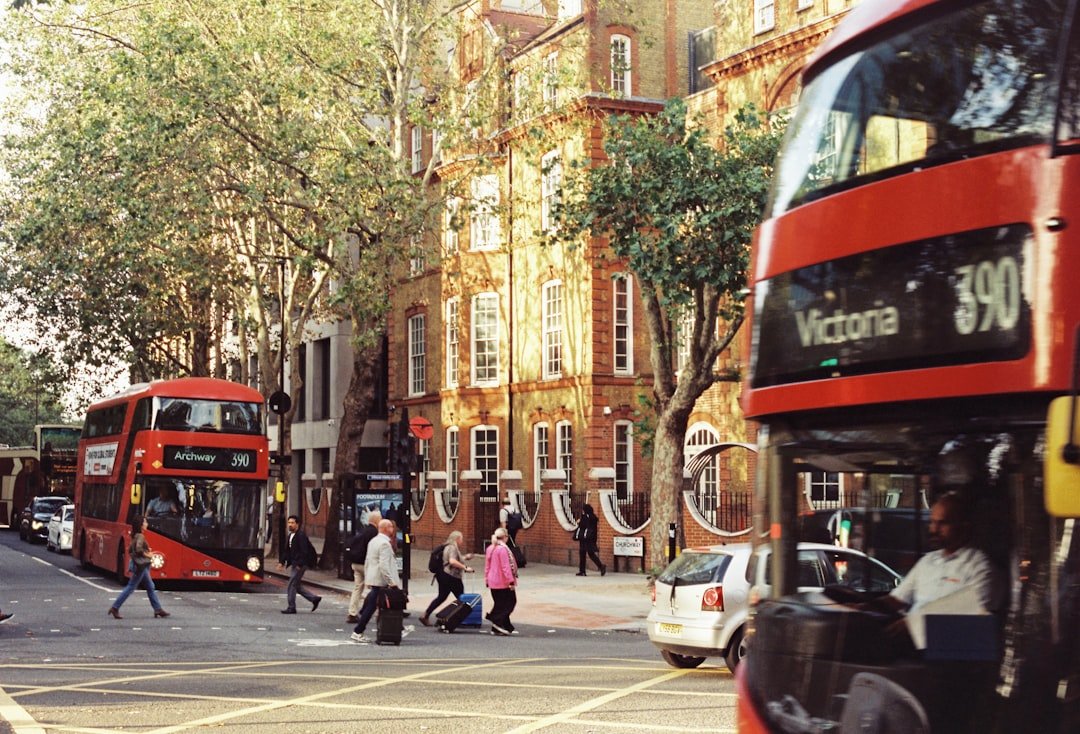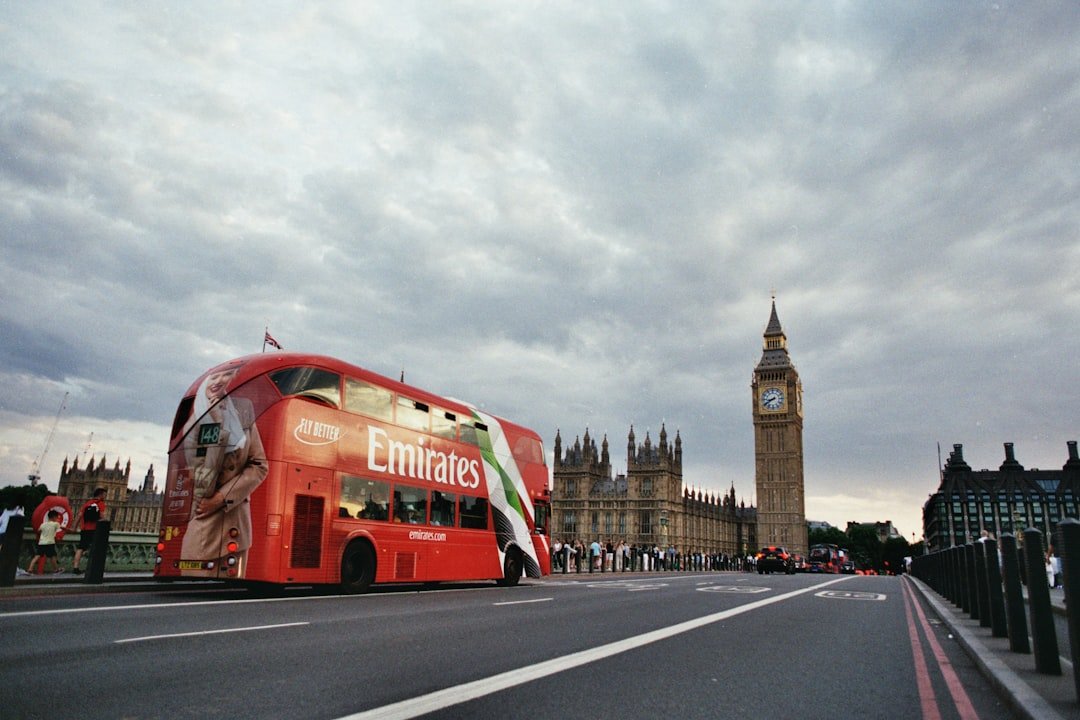
London packs royal landmarks, world-class museums, historic neighborhoods, markets, theatre, green spaces, and food from around the world into one enormous city. With five days, you can see many of the highlights without spending your entire trip rushing between attractions. The key is to group sights by area, reserve the busiest attractions ahead of time, and leave enough flexibility for meals, transport, and unexpected discoveries.
Quick Answer
For a balanced five-day London trip, spend Day 1 in Westminster and the West End, Day 2 around the City and East London, Day 3 in Notting Hill and South Kensington, Day 4 along the South Bank, and Day 5 on a day trip or in Greenwich. Prebook major ticketed sights and use contactless or Oyster for transport.
Key Takeaways
- Five days gives first-time visitors enough time to combine London’s major landmarks with several distinct neighborhoods.
- Westminster, Covent Garden, Soho, the City, Shoreditch, Notting Hill, South Kensington, and the South Bank can be grouped into manageable sightseeing days.
- Reserve high-demand attractions and West End shows ahead of time, but keep free museums flexible.
- Contactless payment or Oyster pay as you go is usually easier than purchasing separate public-transport tickets.
- For Day 5, choose Windsor, Oxford, or Stonehenge for a day trip, or stay in London and explore Greenwich if you prefer less travel.
London 5-Day Itinerary at a Glance
| Day 1 | Buckingham Palace, St. James’s Park, Westminster, British Museum, Covent Garden, Soho and the West End |
| Day 2 | Tower of London area, Shoreditch, Brick Lane, London Museum Docklands and East London nightlife |
| Day 3 | Notting Hill, Portobello Road, Kensington Gardens, Kensington Palace, Natural History Museum and V&A |
| Day 4 | Borough Market, Southwark Cathedral, Shakespeare’s Globe, Tate Modern, South Bank and Brixton or Clapham |
| Day 5 | Windsor, Oxford or Stonehenge day trip; Greenwich is the stay-in-London alternative |
Before You Start: Bookings and Pacing
London rewards advance planning, but you do not need to schedule every hour. Reserve attractions that use timed entry or frequently sell out, then build free museums, parks, neighborhoods, and markets around those fixed bookings.
Prioritize advance reservations for Westminster Abbey, Buckingham Palace State Rooms when they are seasonally open, Kensington Palace, the Tower of London, Windsor Castle, popular temporary exhibitions, and West End theatre tickets. Restaurant reservations are also useful for well-known dinner spots, especially on Friday and Saturday evenings.
Pro Tip: London sightseeing involves more walking than many visitors expect. Comfortable shoes and a flexible schedule will usually improve your trip more than squeezing one extra attraction into every afternoon.
Day 1: Exploring Central London
Your journey begins in Westminster and Central London, where several of the city’s best-known royal and political landmarks sit within walking distance of one another.
Start at Buckingham Palace, the King’s official London residence and a working royal palace. If the Changing the Guard ceremony is scheduled for your date, arrive early enough to find a viewing position.
The ceremony involves the King’s Guard, and dates can change because of major events or operational requirements. Check the Household Division’s official Changing the Guard calendar rather than assuming it happens every day.
After Buckingham Palace, walk through St. James’s Park. It is London’s oldest Royal Park and gives you an attractive pedestrian route toward Westminster.
Continue to Westminster Abbey. The Abbey has served as Britain’s coronation church since 1066 and contains the tombs and memorials of monarchs, scientists, writers, politicians, and other prominent figures. Poets’ Corner is one of its best-known areas.
Westminster Abbey is a working church as well as a visitor attraction, so sightseeing access varies around services and special events. Sundays are primarily for worship rather than normal tourist visits.
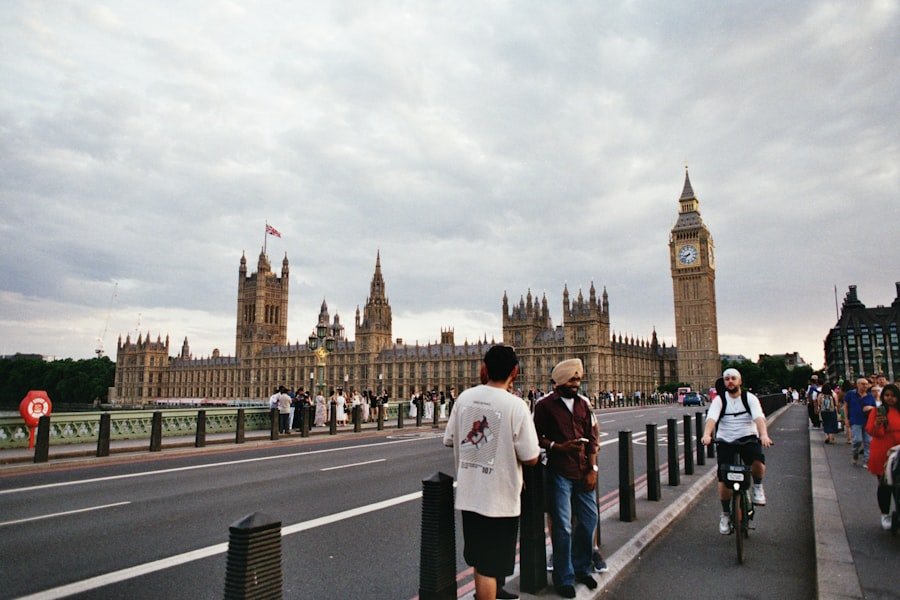
From the Abbey, walk to the Palace of Westminster. The famous clock tower is officially called Elizabeth Tower. Big Ben is the name of the Great Bell inside it, although the nickname is commonly used for the whole tower.
If you watched Changing the Guard and toured Westminster Abbey, Day 1 is already fairly full. Allow time for lunch before continuing north toward Bloomsbury.
In the afternoon, visit the British Museum. General admission is free, although special exhibitions and events may require tickets. If you have only one or two hours, prioritize a small number of galleries instead of trying to cover the entire collection. The Rosetta Stone and Parthenon Sculptures are among its best-known displays.
After the museum, head toward Covent Garden. Browse the market area, watch street performers when they are present, or stop for coffee before walking into Soho.
Soho’s restaurants range from British cooking to cuisines from around the world. After dinner, continue through Leicester Square and Piccadilly Circus if you still have energy.
Finish your first day with a West End show. Popular musicals and plays can sell out, so book ahead if seeing a specific production matters to you.
Note: If Changing the Guard is not scheduled on your date, use the extra time for a longer Westminster Abbey visit, the Churchill War Rooms, Trafalgar Square, or more time at the British Museum.
Day 2: Discovering East London
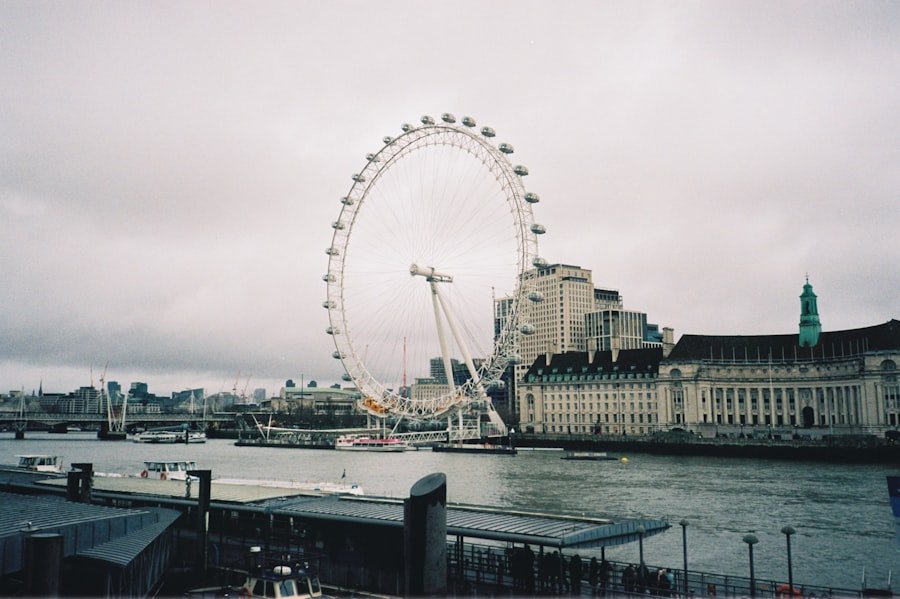
Day 2 moves east, combining medieval London with Shoreditch’s markets, food, street art, and modern Docklands.
Start Around the Tower of London
For a first visit to London, the Tower of London is an important omission from many rushed itineraries. If royal history interests you, make it your first stop and allow several hours. Tickets include access to the open public areas and the Crown Jewels.
Even if you do not enter, the riverside area gives you excellent views of the fortress and nearby Tower Bridge before you continue toward Shoreditch.
Explore Shoreditch and Brick Lane
Continue to Shoreditch, an area known for creative businesses, nightlife, markets, and constantly changing street art. Brick Lane is one of its best-known streets and has a long association with London’s Bangladeshi community and curry restaurants.
Walk the side streets around Brick Lane and Shoreditch rather than looking for one specific mural. Street art changes frequently, so works shown in older photographs may have been painted over by the time you arrive.
You can also stop at BOXPARK Shoreditch for food, drinks, events, and independent businesses. The venue has had an evolving lease situation over the years, so check its current event schedule and opening information before making it a fixed part of your day.
Continue to London Museum Docklands
In the afternoon, take public transport to London Museum Docklands at West India Quay. Formerly known as the Museum of London Docklands, it explores the history of London’s river, port, trade, communities, and Docklands. General entry is free.
The museum sits close to Canary Wharf, where you can walk beside the docks and see a very different side of London from the historic streets you explored earlier.
If nightlife is more important to you than Docklands, skip the museum and spend more time around Shoreditch and Hackney. East London has pubs, bars, restaurants, and live-music venues covering a wide range of styles.
Day 3: Venturing into West London
Day 3 focuses on Notting Hill, Kensington Gardens, royal history, and the major museums of South Kensington.
Morning in Notting Hill
Start in Notting Hill, known for pastel-colored houses, independent shops, cafes, and Portobello Road Market. Saturday is the biggest market day and the strongest choice if antiques are your main interest, although parts of the market operate on other days as well.
Give yourself time to explore the surrounding streets rather than staying only on Portobello Road. Residential areas can become crowded with visitors, so be respectful around private homes and entrances.
Kensington Gardens and Kensington Palace
Continue through Kensington Gardens toward Kensington Palace. The palace has been home to generations of the Royal Family and contains changing exhibitions and historic rooms.
Current visitor note: The Queen’s State Apartments at Kensington Palace are closed for major re-presentation until spring 2027. Check the official Kensington Palace visitor information before booking so you know which rooms and exhibitions are available during your trip.
South Kensington Museums
Spend the afternoon in South Kensington. The Natural History Museum covers subjects ranging from dinosaurs and biodiversity to minerals and planetary science. General admission is free, though some temporary exhibitions and experiences cost extra.
Nearby, the Victoria and Albert Museum focuses on art, design, fashion, decorative arts, photography, performance, and objects from many cultures. General admission is also free, with separate charges for selected exhibitions.
Trying to see both museums in depth on the same afternoon is unrealistic. Pick one as your main museum and use the other for a shorter visit.
For dinner, stay around South Kensington or continue to Chelsea or Fulham. Afterward, a walk near Chelsea Embankment can provide a quieter end to the day.
Day 4: Uncovering South London
Spend your fourth day around Southwark, Bankside, and the South Bank before heading farther south for dinner and nightlife.
Breakfast at Borough Market
Begin at Borough Market, where food traders sell baked goods, produce, prepared meals, cheeses, meats, drinks, and other specialties. It is one of London’s best-known food markets, so arriving earlier can make the experience easier than visiting at the busiest lunchtime period.
After breakfast, step into nearby Southwark Cathedral. The site has centuries of religious history, while the present building contains architecture from several periods.
Walk Bankside
Continue west along the Thames to Shakespeare’s Globe. The modern Globe is a reconstruction inspired by the playhouse associated with Shakespeare’s company and offers performances, tours, and exhibitions.
Nearby, Tate Modern occupies the former Bankside Power Station and focuses on modern and contemporary art. Entry to the main collection is generally free, while some exhibitions require paid tickets.
The riverside walk itself is part of the experience. You will pass views toward St Paul’s Cathedral, bridges across the Thames, restaurants, performers, and cultural venues.
Evening in Brixton or Clapham
In the evening, take the Tube or train south to Brixton or Clapham. Brixton is particularly well known for Caribbean influences alongside restaurants representing many other cuisines. Market tenants change over time, so exploring what is actually operating during your visit is often better than traveling for one specific stall mentioned in an older guide.
Jerk chicken, plantain, rice and peas, and other Caribbean dishes are widely associated with the area’s food scene. If you prefer pubs and a more relaxed evening, Clapham is another convenient option.
Day 5: Day Trips from London
For your final day, choose one destination outside London rather than trying to combine several. Windsor, Oxford, and Stonehenge offer very different experiences.
Option 1: Windsor Castle
Windsor Castle is the oldest and largest occupied castle in the world and remains a working royal residence. Founded by William the Conqueror in the 11th century, it has been home to 40 monarchs.
Highlights can include the State Apartments, St George’s Chapel, royal collections, and seasonal displays, depending on what is open on your date. Because Windsor is one of the easier major excursions from London, it works well for visitors who want a day trip without spending most of the day traveling.
Option 2: Oxford
Oxford is ideal if you prefer university history, architecture, libraries, museums, and walkable historic streets. Colleges such as Christ Church and Magdalen are popular, but opening arrangements can change around university activities, exams, services, and private events.
Choose two or three priorities instead of attempting to enter every college. Leave time simply to walk through the historic center.
Option 3: Stonehenge
Stonehenge is the best choice if prehistoric Britain interests you, but the transport needs more planning than a Windsor or Oxford visit.
There is no railway station at Stonehenge. According to English Heritage, direct trains from London Waterloo reach Salisbury in roughly 90 minutes. Stonehenge is then about 12 miles/19 km from Salisbury station, where you can continue by taxi or the Stonehenge Tour Bus.
Prefer to Stay in London?
You do not have to leave the city. If five days already feels short, use Day 5 for Greenwich. You can visit the historic town center, Greenwich Park, the National Maritime Museum, and the riverside, or take a boat along the Thames for a different view of London.
You can also use this day to visit the Tower of London if you skipped it on Day 2, revisit a favorite neighborhood, shop, or spend more time in a museum.
Where to Stay in London
The best place to stay depends less on finding one perfect neighborhood and more on choosing an area with convenient public transport for your itinerary.
For First-Time Visitors
Covent Garden, Soho, Westminster, Bloomsbury, and nearby central districts put you close to many headline attractions, restaurants, theatres, and transport connections. The trade-off is usually higher room prices and busier streets.
For Luxury Hotels
Mayfair and Kensington have a concentration of luxury properties and easy access to major sights. Established examples include The Dorchester in Mayfair and The Milestone near Kensington Palace.
For More Affordable Choices
Bloomsbury, King’s Cross, Paddington, Shoreditch, and areas slightly outside the most tourist-heavy core can provide a wider mix of hostels, smaller hotels, and mid-range rooms. Generator London and The Hoxton, Shoreditch are examples of different accommodation styles aimed at travelers who value location and social spaces.
London hotel prices change dramatically with season, events, weekends, and booking lead time. Compare the total price and transport convenience rather than choosing solely by neighborhood reputation.
For Families and Groups
Serviced apartments can be useful when you want multiple bedrooms, kitchen facilities, laundry access, or more living space. Check the nearest Tube or rail station before booking; saving money on accommodation is less helpful if every sightseeing day requires a long commute.
Getting Around London
London’s public-transport network includes the Underground, buses, Elizabeth line, London Overground, DLR, National Rail services, trams, and river services. For most visitors, a combination of walking and public transport is the fastest way to follow this itinerary.
Contactless or Oyster?
Transport for London recommends pay as you go as an easy option for visitors. You can use a compatible contactless bank card or mobile device, an Oyster card, or a Visitor Oyster card.
Pay-as-you-go travel includes daily and, where applicable, weekly capping. Always use the same card or device throughout the journey so the system can calculate fares correctly.
On the Tube, DLR, Elizabeth line, London Overground, and applicable National Rail services, touch in when you enter and touch out when you leave. On buses and trams, touch in only.
Visitors using overseas bank cards should check whether their bank charges foreign transaction fees. If it does, Oyster may be easier to budget.
Use Buses When You Want the View
London buses can be slower than the Tube on congested routes, but they let you see the city while traveling. They are especially useful for shorter journeys or when Tube stations are less convenient.
Walk Between Nearby Attractions
Many of the stops in this itinerary are intentionally grouped so you can walk between them. Westminster, St. James’s Park, Covent Garden, Soho, Bankside, and South Kensington all reward exploring on foot.
Check Accessibility Before Travel
Not every London Underground station or interchange has identical step-free access. If stairs, long passages, mobility equipment, or a stroller are concerns, use TfL journey-planning information to check step-free routes and lift status before leaving your hotel.
Top Restaurants and Eateries in Each Neighborhood
London’s food scene is one of the strongest reasons not to over-schedule your itinerary. Leave enough time for a proper meal rather than treating every meal as a race between attractions.
Central London
Covent Garden and nearby Seven Dials offer everything from quick meals to destination restaurants. Dishoom is known for Bombay-inspired food, while Hawksmoor Seven Dials focuses on steak and seafood. Both can become busy, so reservations are useful at peak times.
East London
Brick Lane remains associated with Indian and Bangladeshi cooking, while Shoreditch has pizza restaurants, cafes, bars, food halls, and modern British restaurants. Pizza East is one established Shoreditch name, and BOXPARK adds a changing collection of food and drink operators.
West London
Chelsea and Kensington lean toward polished cafes and restaurants alongside casual neighborhood options. Bluebird Chelsea and Ottolenghi are recognizable names, but you will also find many independent restaurants around South Kensington and Fulham.
South London
Borough Market is best for browsing many food options in one place, while Brixton provides a broader neighborhood dining experience with Caribbean, African, Latin American, Asian, European, and modern British influences.
Because London restaurants and market vendors change faster than museums and landmarks, always check a restaurant’s current location, opening hours, and reservation policy before traveling specifically for it.
Must-See Attractions in Each Neighborhood
Central London
For a first trip, prioritize Buckingham Palace and Westminster for royal and political London, then choose between the British Museum, National Gallery, or another major museum according to your interests.
East London and the City
The Tower of London and Tower Bridge provide the strongest historic anchors. Shoreditch and Brick Lane then show a more contemporary side of the city, while London Museum Docklands explains the importance of London’s river and port.
West London
Kensington Palace, Kensington Gardens, the Natural History Museum, and the V&A form an easy cluster. Notting Hill adds architecture, shopping, and Portobello Road Market.
South London and Bankside
Borough Market, Southwark Cathedral, Shakespeare’s Globe, Tate Modern, and the Thames riverside walk can all be combined without repeatedly crossing the city.
Tips for Making the Most of Your 5 Days in London
- Group attractions geographically. London is much larger than it looks on a tourist map. Avoid crossing the city repeatedly during the same day.
- Book your highest-priority ticketed sights first. Build the rest of the day around those fixed times.
- Do not assume Changing the Guard happens daily. Check the official schedule close to your visit.
- Use free museums strategically. You do not need to spend four hours in every museum just because admission is free.
- Use contactless or Oyster consistently. Do not switch between different physical cards and mobile wallets during the same day’s journeys if you expect correct fare capping.
- Walk when attractions are close. Westminster, Soho, Covent Garden, Bankside, and South Kensington are more enjoyable when explored partly on foot.
- Check the weather each morning. Keep parks, markets, river walks, and viewpoints flexible so you can move indoor attractions to wet periods.
- Allow downtime. Five full sightseeing days can be tiring. A cafe break or slower evening can make the rest of the itinerary more enjoyable.
- Try London’s food variety. Mix traditional British dishes with the Indian, Bangladeshi, Caribbean, Middle Eastern, East Asian, African, European, and other cuisines found throughout the city.
For additional official trip-planning ideas, neighborhood guides, attractions, and current events, use the Visit London itinerary guides rather than relying on an unrelated or outdated internal page.
Sources
- Household Division — Changing the Guard Calendar — current ceremonial dates and King’s Guard scheduling.
- Royal Collection Trust — Buckingham Palace — official residence and visitor information.
- Transport for London — Best Ways for Visitors to Pay — contactless, Oyster and fare-capping guidance.
- British Museum — Visit — admission and visitor information.
- London Museum Docklands — current museum name, location, admission and visitor information.
- English Heritage — Stonehenge Plan Your Visit — official transport and visitor guidance.
Frequently Asked Questions
What are the top neighborhoods to visit in London?
For a first five-day trip, strong choices include Westminster, Covent Garden, Soho, Shoreditch, Notting Hill, South Kensington, Southwark, Bankside, and Brixton. Each offers a different mix of landmarks, food, museums, markets, nightlife, or local atmosphere.
What are some popular day trips from London?
Windsor, Oxford, Cambridge, and Stonehenge are popular choices. Windsor is convenient for royal history, Oxford and Cambridge suit university architecture and museums, while Stonehenge requires more transport planning because the nearest railway station is in Salisbury.
What are some must-see attractions in London?
First-time visitors commonly prioritize Westminster and Big Ben, Buckingham Palace, the Tower of London, Tower Bridge, the British Museum, the South Bank, and one or two major museums or galleries based on their interests.
What are the best ways to get around London?
Most visitors use a combination of the Underground, buses, rail services, and walking. Contactless payment and Oyster pay as you go are convenient because eligible journeys are automatically calculated and subject to fare capping.
What dining options should I try in London?
Mix traditional pubs and modern British restaurants with London’s international food scene. Soho, Covent Garden, Shoreditch, Brick Lane, Borough Market, and Brixton are useful areas when you want several cuisines within a relatively small area.
Is five days enough for London?
Five days is enough for a strong first visit if you group attractions by area and accept that you will not see everything. It gives you time for major landmarks, several museums and neighborhoods, plus either a day trip or another full London day.
Should I use an Oyster card or contactless payment?
Either can work well. Contactless is convenient if your card or mobile device is accepted and your bank does not impose costly overseas transaction fees. Oyster is useful if you prefer a dedicated transport card. Whichever method you use, stay consistent so TfL can calculate fares and caps correctly.
Which London attractions should I book in advance?
Book your highest-priority ticketed attractions first. Westminster Abbey, the Tower of London, Buckingham Palace State Rooms when open, Kensington Palace, Windsor Castle, popular temporary exhibitions, and West End shows are sensible candidates for advance reservations.